Overseas Demand Is Moving Toward Integrated Sorting Line Solutions
en.Wedoany.com Reported - As manufacturing automation, resource recycling, warehouse logistics and food processing continue to upgrade worldwide, Intelligent Sorting Machines are becoming an important export opportunity for equipment suppliers. Unlike simple mechanical devices, intelligent sorters combine sensors, machine vision, algorithms, conveying systems, actuators and control software. They can be used in industrial production, logistics, environmental protection, agriculture and resource recovery.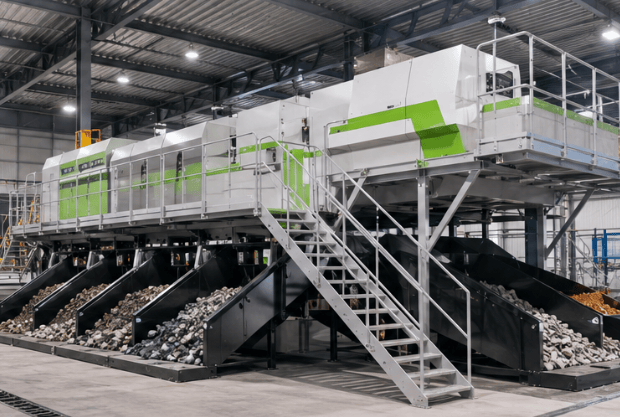
Overseas demand varies by region. Europe and North America usually place stronger emphasis on sorting accuracy, equipment stability, environmental compliance, safety certification and data traceability. Southeast Asia, India, the Middle East, Latin America and Africa have strong demand from new factories, logistics centers, food processing plants and recycling facilities. These markets often focus on automation upgrades, labor substitution, capacity improvement and quality control.
Different applications create different equipment priorities. In resource recycling, customers care about sorting purity, material recovery rate, resistance to contamination and operating cost. In food processing, they focus on hygienic design, defect recognition, cleaning convenience and food safety. In logistics, they value throughput, sorting error rate, system interfaces and peak-period stability. In mineral and industrial material sorting, wear resistance, sensor accuracy and environmental adaptability are more important.
This means that intelligent sorting machines must have strong customization capability. A standard machine may not solve a customer’s real production problem if the material characteristics, site layout and downstream process are not fully understood.
International projects also test line integration capability. Intelligent sorting machines often work together with feeding, conveying, crushing, washing, drying, packaging, warehouse management systems or manufacturing execution systems. A supplier that only provides a single machine may not be able to solve the bottleneck of the entire production line. In contrast, companies that can provide process diagnosis, sample testing, solution design, equipment combination, installation, commissioning and remote maintenance are more likely to win overseas customer trust.
In the future, exporting intelligent sorting machines will move from equipment trading to sorting capability delivery. Suppliers will need mechanical design, sensor application, algorithm training, control systems, industry process knowledge and after-sales service. Companies that help customers improve sorting quality, reduce labor dependence, lower material loss and build traceable data will be better positioned in the global wave of automation upgrading.
Related Products
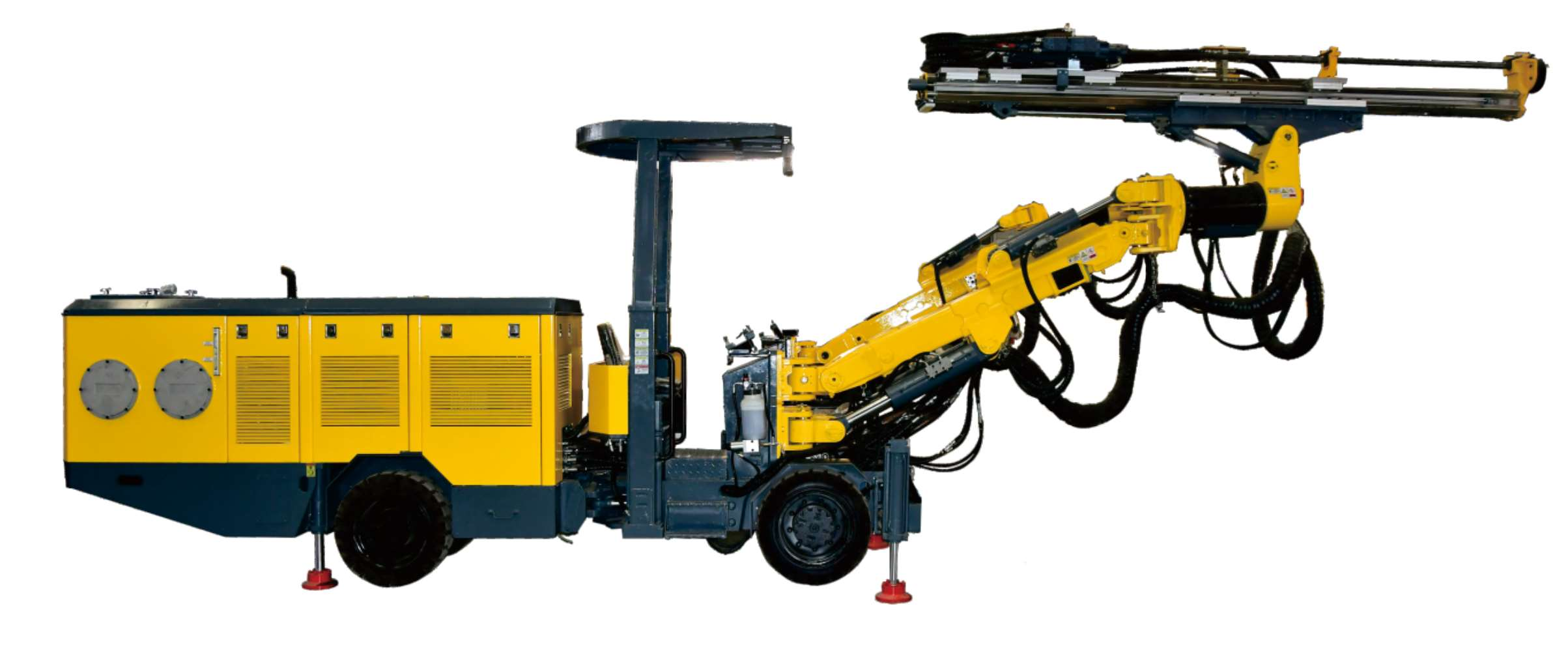

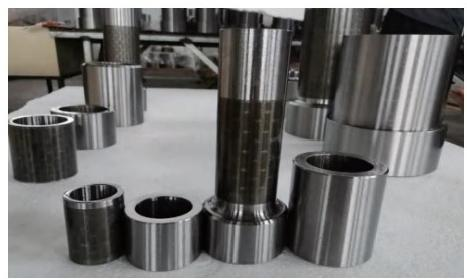
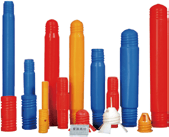
High-temperature Equal Wall Thickness High-power Screw Drilling Tool
Orient Energy & Technologies Co., Ltd.
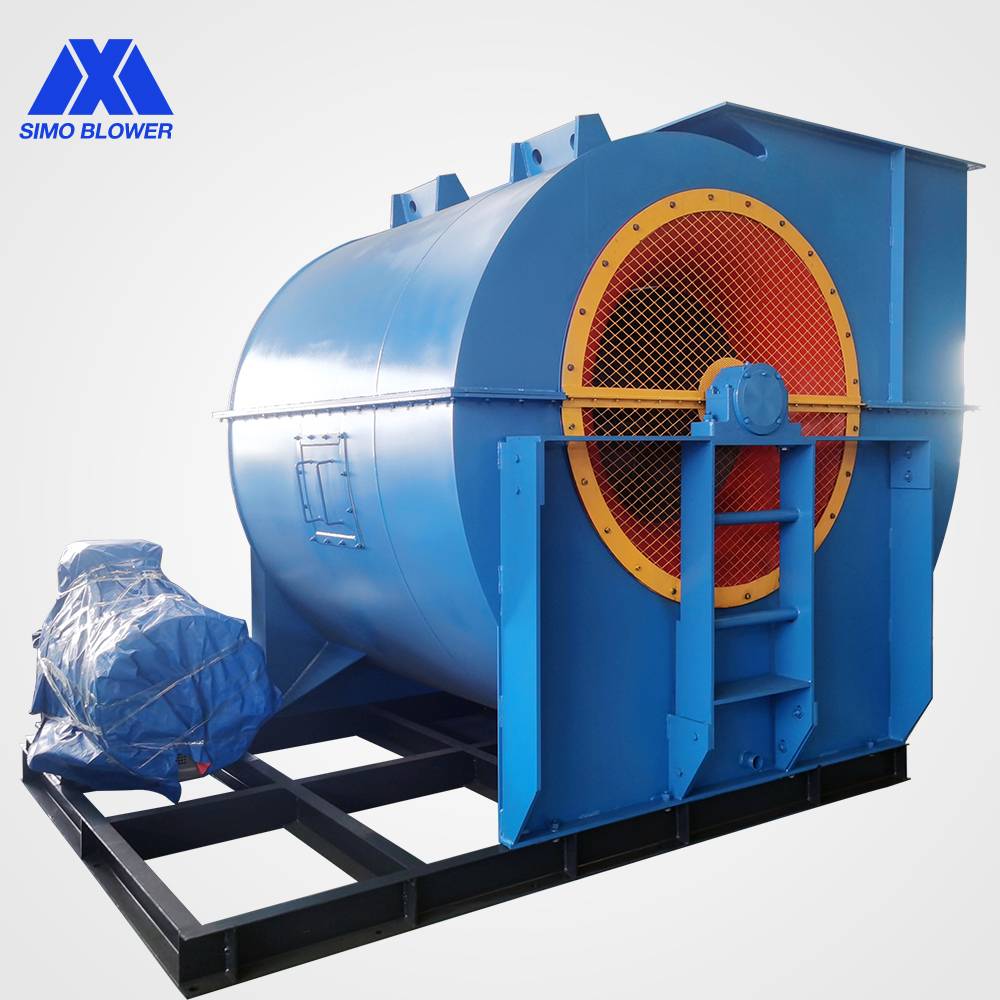
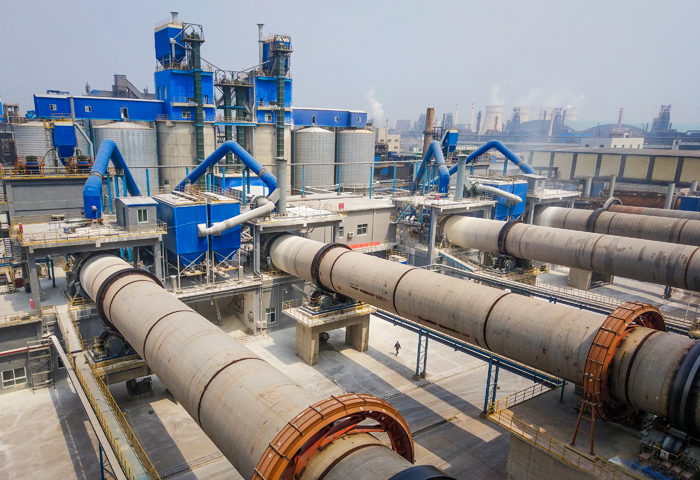
CITIC Heavy Industries Metallurgical Equipment Steel Smelting Engineering Equipment
CITIC Heavy Industries Co., Ltd.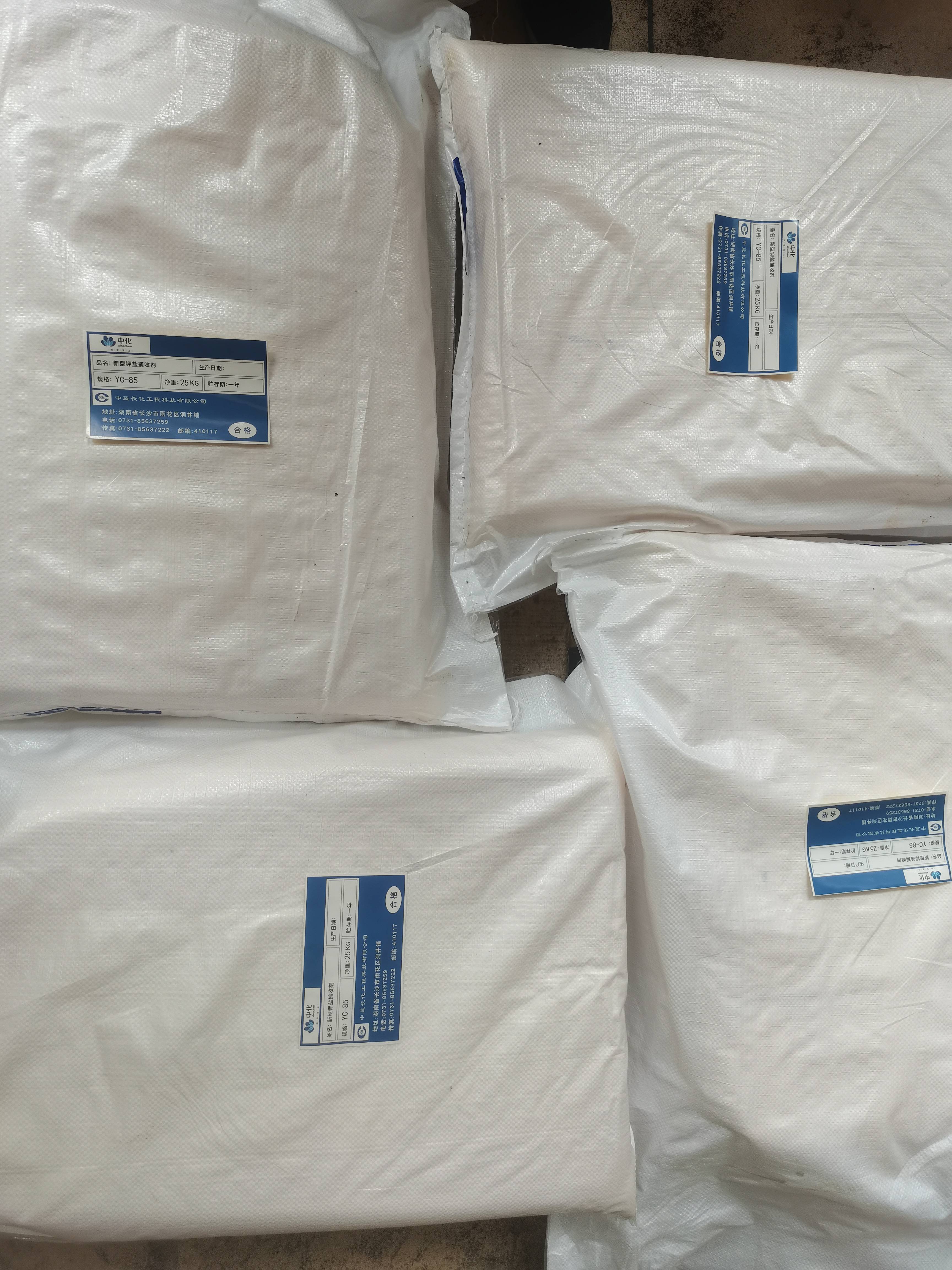
New Environmentally Friendly Green Potassium Salt Collector
Chonfar Engineering and Technology Co., Ltd.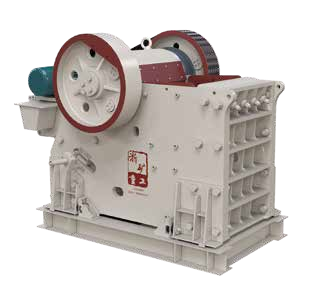

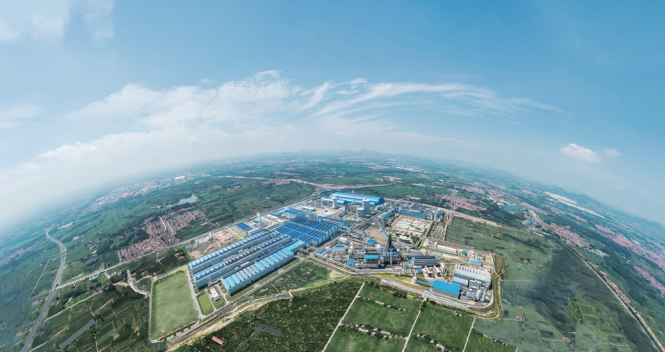
Linyi Steel Investment Special Steel 2.7 Million Tons per Year High-quality Special Steel Project
Capital Engineering & Research Incorporation Limited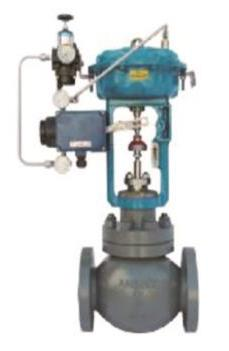
Quick-Change Single-Seat Control Valve / Quick-Change High-Pressure Single-Seat Control Valve
Beijing Consen Automation Technology Co., Ltd.