en.Wedoany.com Reported - On June 13, 2026, Alaska Airlines launched nonstop flights from Ted Stevens Anchorage International Airport to Boston Logan International Airport using the Boeing 737 MAX 8. The great-circle distance of this route is 2,940 nautical miles (approximately 5,444 km), with scheduled flight times of 7 hours 15 minutes eastbound and 7 hours 53 minutes westbound, making it one of the longest Boeing 737-operated routes globally. Flights operate only on Saturdays as red-eye services, running from June 13 to August 15. The 159-seat capacity and low fuel consumption of the Boeing 737 MAX 8 make this route operationally viable. Fifteen years ago, such a route would have required a Boeing 757-200 or a widebody aircraft, but low demand made it difficult to turn a profit.
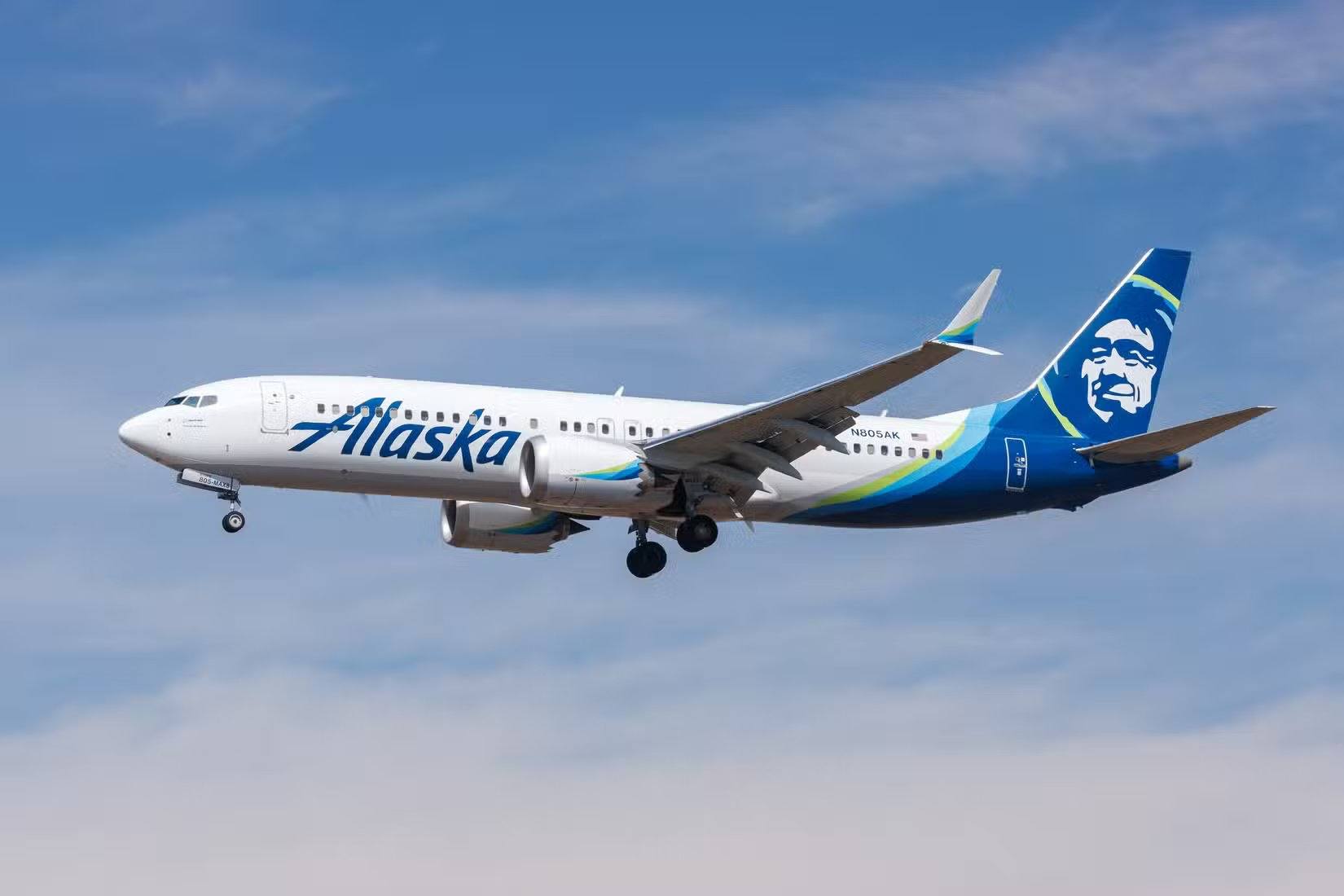
Within Alaska Airlines' fleet, the Boeing 737 MAX 8 is relatively scarce. The carrier's mainline fleet includes 14 Boeing 737-700s, 61 737-800s, 79 737-900ERs, 20 737 MAX 8s (with 5 on order), 80 737 MAX 9s, 168 737 MAX 10s on order, and 5 Boeing 787-9s, totaling 259 aircraft. Its regional brand, Alaska Horizon, operates 92 E175s, bringing the total fleet to 351 aircraft. The 737 MAX 8 handles specific long-range missions within the fleet, offering 17 fewer seats than the MAX 9 but with 200 nautical miles (370 km) more range, allowing it to carry more payload when approaching the MAX 9's range limits.
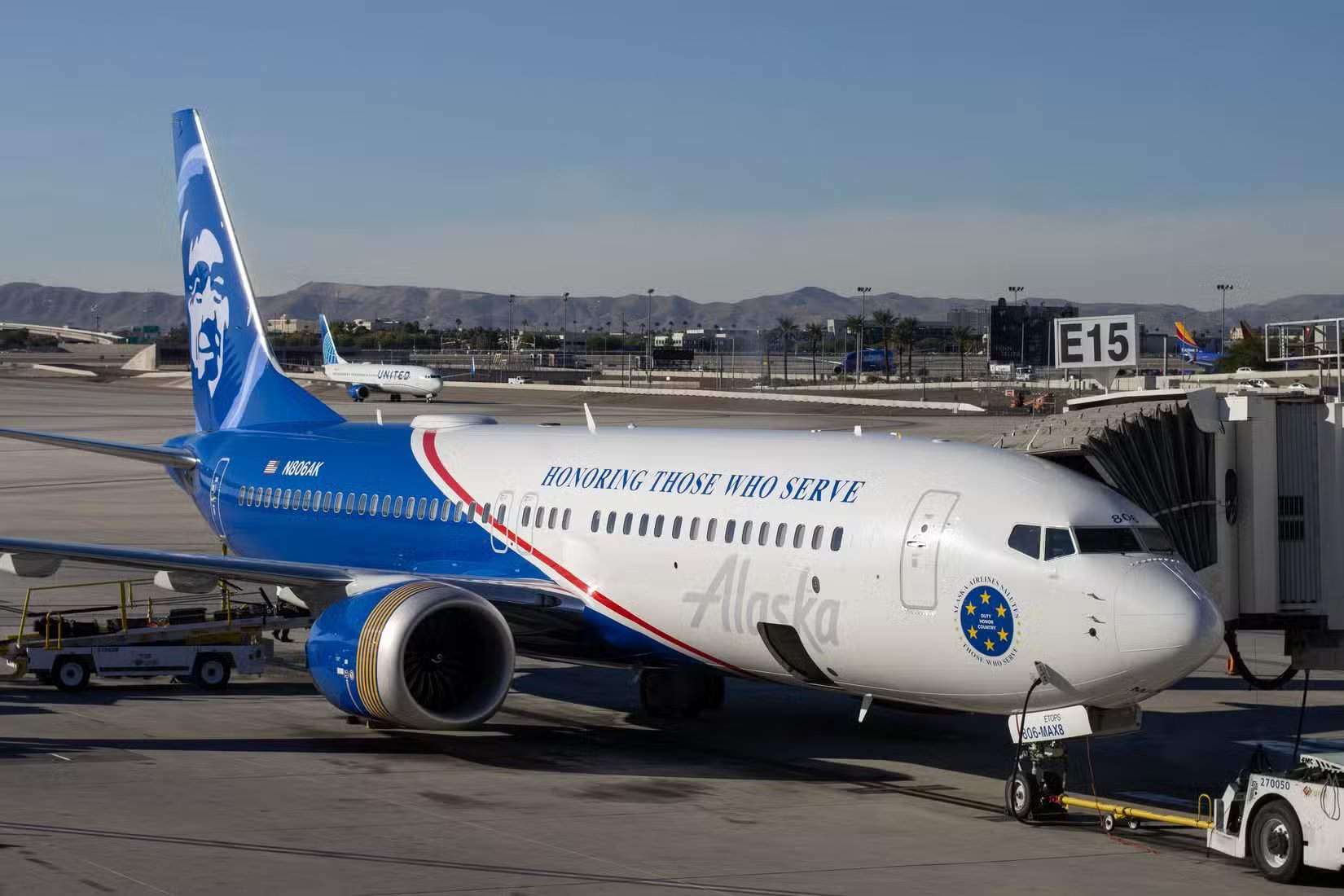
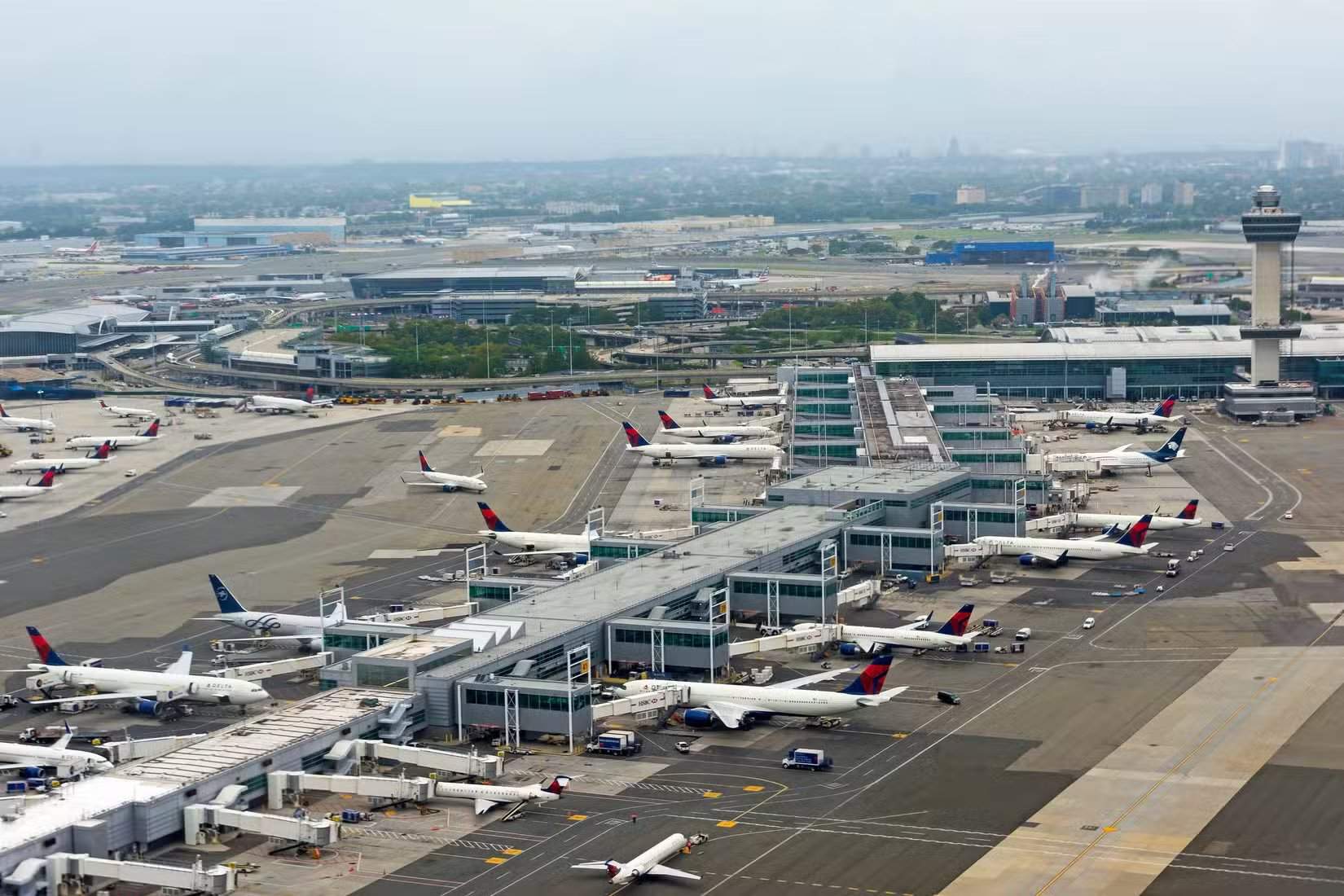
The Anchorage-Boston route is not the first connection between the U.S. Northeast and Alaska. United Airlines operates flights to Anchorage from its Newark Liberty International Airport and Washington Dulles International Airport hubs using the Boeing 737 MAX 8, with route distances of 2,928 nautical miles (approximately 5,423 km) and 2,916 nautical miles (approximately 5,401 km), respectively. Alaska Airlines also operates flights from John F. Kennedy International Airport in New York to Anchorage, covering a distance of 2,942 nautical miles (approximately 5,448 km). Delta Air Lines previously flew from JFK to Anchorage, deploying the Boeing 767, but discontinued the service after one season. These routes all benefit from the low per-flight cost of the 737 MAX 8, improving the economics of low-demand long-haul services.
Current-generation narrowbody aircraft are increasingly being used on long-haul routes. The Boeing 737 MAX 8 offers slightly more range and seating capacity than the Airbus A320neo, making it a popular choice for transatlantic and other long-distance services. For example, United Airlines deploys the 737 MAX 8 from its Newark hub to Nuuk, Glasgow, Santiago de Compostela, Ponta Delgada, and Funchal. GOL's route from Brasília to Orlando is the world's longest 737 route, at 3,282 nautical miles (6,079 km), with a flight time of nearly eight hours. The Airbus A321neo family is more widely used on transatlantic routes, with the A321LR and A321XLR offering superior range and payload capabilities compared to the Boeing 757-200. However, these aircraft require additional crew and lack rest facilities on flights exceeding eight hours, driving up costs. Typical widebody aircraft can accommodate 250 to 300 passengers, spreading such costs and lowering per-seat expenses, so long-haul single-aisle flights remain a niche market.