France's ALATYR Plans to Deploy Orbital Data Centers by 2030
en.Wedoany.com Reported - French company ALATYR is developing the Orbital Data Center (ODC), a next-generation computing platform assembled and operated in low Earth orbit using robotic systems, designed to address ground-based infrastructure bottlenecks caused by surging demand for AI computing power.
As AI-driven demand for computing power grows sharply, the expansion of hyperscale data centers is increasingly constrained by ground-level limitations such as power supply, cooling water, land availability, and grid saturation. Headquartered in Paris, ALATYR was co-founded and is led by Emeric Lhomme, a former commercial director at ArianeGroup, in 2023. In 2025, the company refocused on orbital computing and strengthened its ties with the European cloud ecosystem. Its core concept is to deploy part of the digital infrastructure beyond Earth's atmosphere. The company emphasizes that this platform is not a traditional satellite but a truly scalable, maintainable, upgradeable, and recoverable digital infrastructure.
Artificial intelligence is becoming a major driver of global electricity consumption. Analysts estimate that by the end of this decade, AI-related data centers may require an additional several hundred terawatt-hours of electricity annually. Unlike ground-based facilities, orbital data centers can leverage near-continuous solar power generation, independent of national power grids, and use radiation panels for passive heat dissipation, eliminating the need for cooling water.
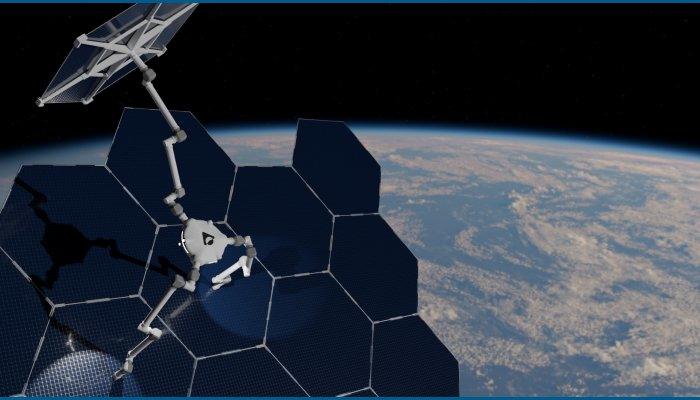
Key parameters of each ALATYR orbital data center include: a maximum length of 200 meters and width of 50 meters after assembly, built from hexagonal modules with diameters of 5 to 7 meters; an initial operational power of 1 to 5 megawatts, sourced from large deployable solar arrays; and next-generation AI processors targeting terabit-per-second performance by 2030. The project's core differentiator is robotic in-situ assembly to overcome rocket fairing size constraints. Standard modules are launched separately and autonomously assembled in a sun-synchronous low Earth orbit at an altitude of approximately 800 to 1000 kilometers, with a connected constellation ensuring global service coverage. Robots will also handle maintenance, inspection, and component replacement. Estimated network latency is 50 to 150 milliseconds, suitable for cloud, AI, and high-performance computing applications. The platform's initial operational lifespan is about 15 years, with computing modules replaced every three to four years. For debris management, the platform has maneuverability to avoid collision risks, and its modular design allows robots to isolate and replace affected components without impacting the entire platform's operation.
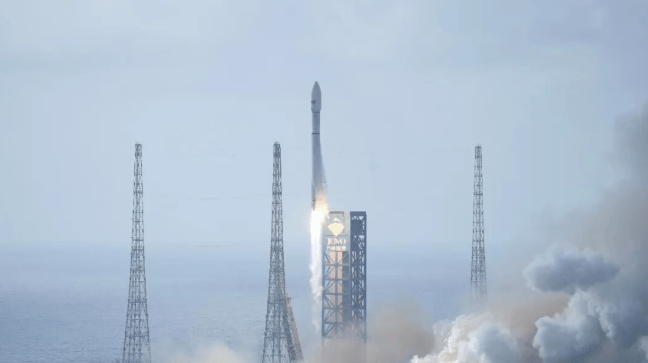
ALATYR plans to rapidly deploy 8 to 10 orbital data centers to form an initial distributed computing network, enabling resource pooling, dynamic workload allocation, and global capacity optimization. The company has established a clear roadmap: ground demonstrations of key technology components (robotic assembly mechanisms and software) in September 2026, integrated ground testing (combining robots, modules, and software) in 2027, the first orbital demonstration mission in 2028, and initial operational capability by 2030. The first orbital demonstrator may be launched by SpaceX's Falcon 9 rocket, with early ODC designs compatible with reusable rockets from SpaceX and Blue Origin, as well as Europe's Ariane 6 rocket.
From an industry perspective, several U.S. companies have begun exploring orbital AI computing infrastructure, and China also has state-supported projects studying related space architectures. For Europe, the ALATYR project involves digital sovereignty—reducing dependence on external computing infrastructure. The company currently has 13 employees and is raising funds to accelerate industrial development and expand its team to approximately 50 people. It has already secured support and cooperation from institutions including Bpifrance, the France 2030 plan, the French National Centre for Space Studies (CNES), and the European Space Agency (ESA).
Related Products
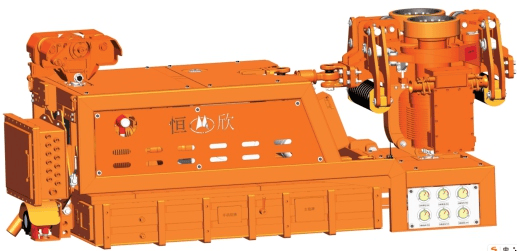

Explosion-proof lithium battery dispatching monorail crane locomotive (permanent magnet frequency conversion integrated machine)
Xiangtan Hengxin Industrial Co., Ltd.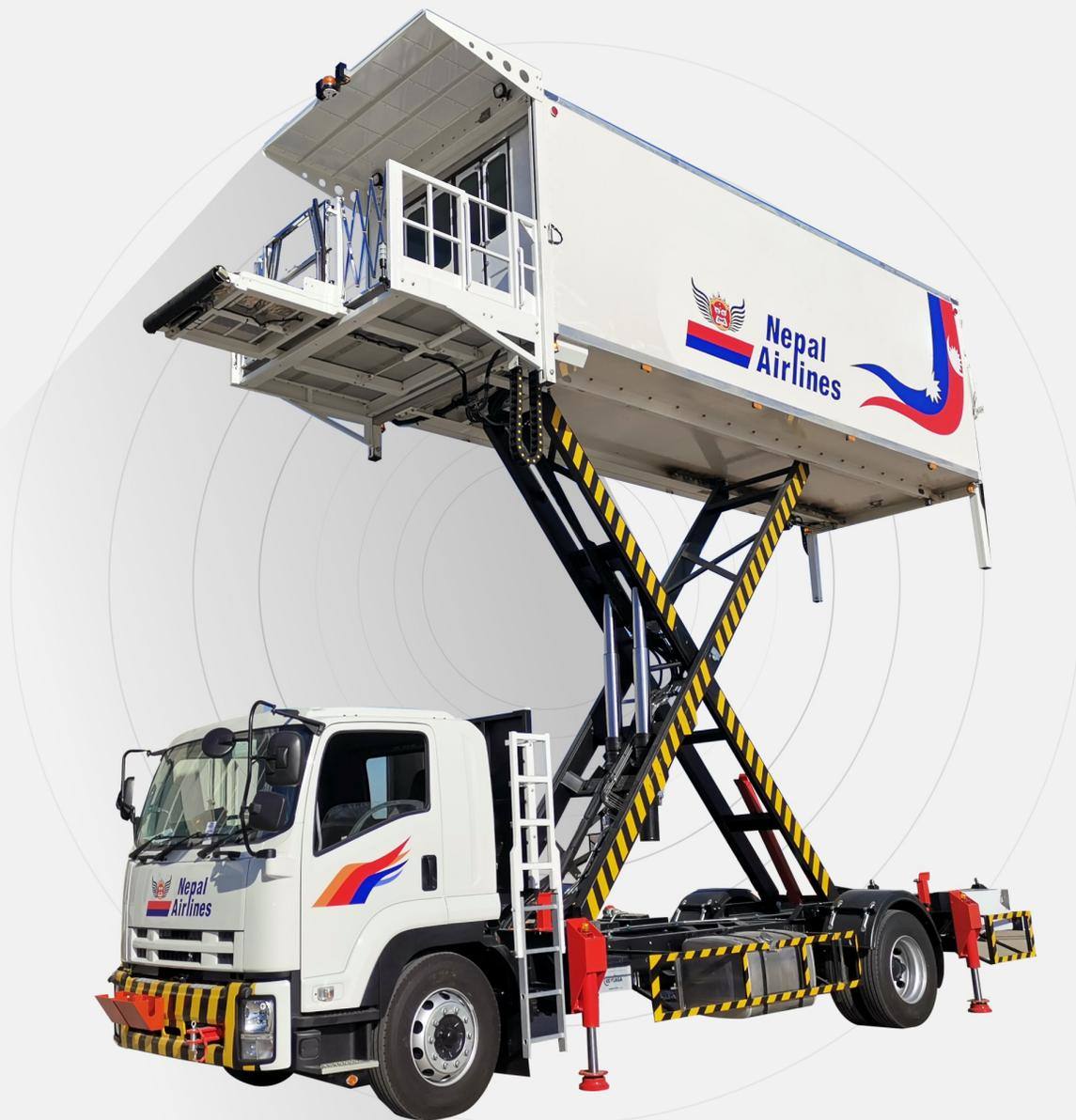
XC-6000e Type Aviation Catering Truck (Fuel Type)
Shenzhen CIMC-TianDa Airport Support Ltd.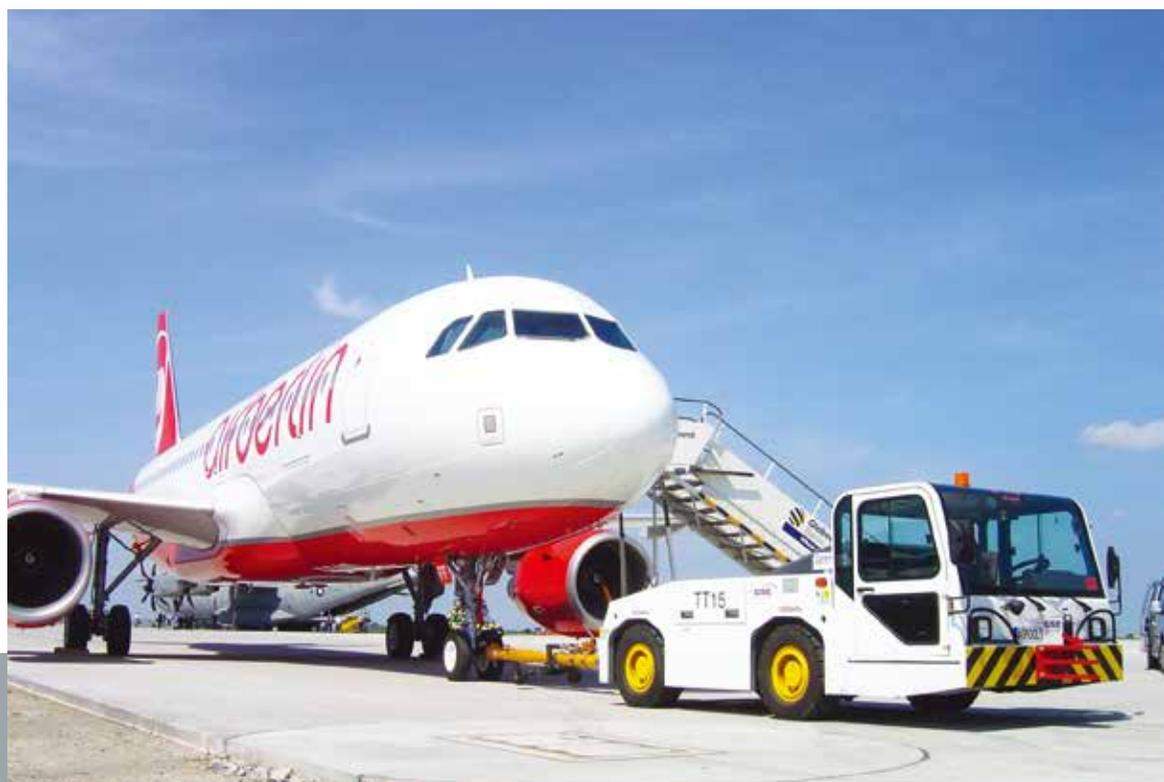
WGQY Series Aircraft Tow Tractor-WGQY15, WGQY27
Weihai Guangtai Airport Equipment Co., Ltd.
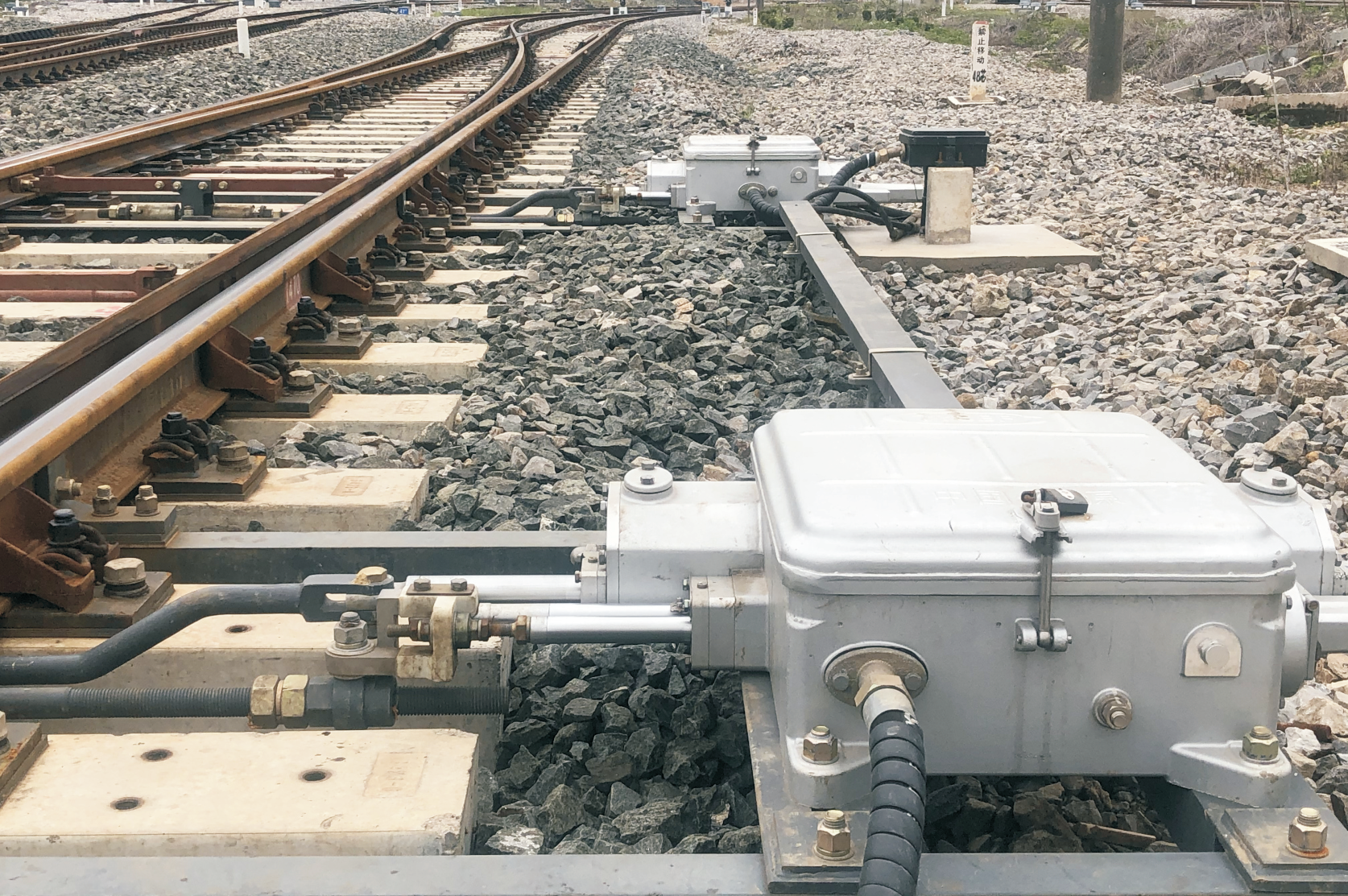
ZY(J)7(M) Sealed Type Electro-Hydraulic Turnout Machine
TAIYUAN CR JINGFENG EQUIPMENT TECHNOLOGY CO., LTD.