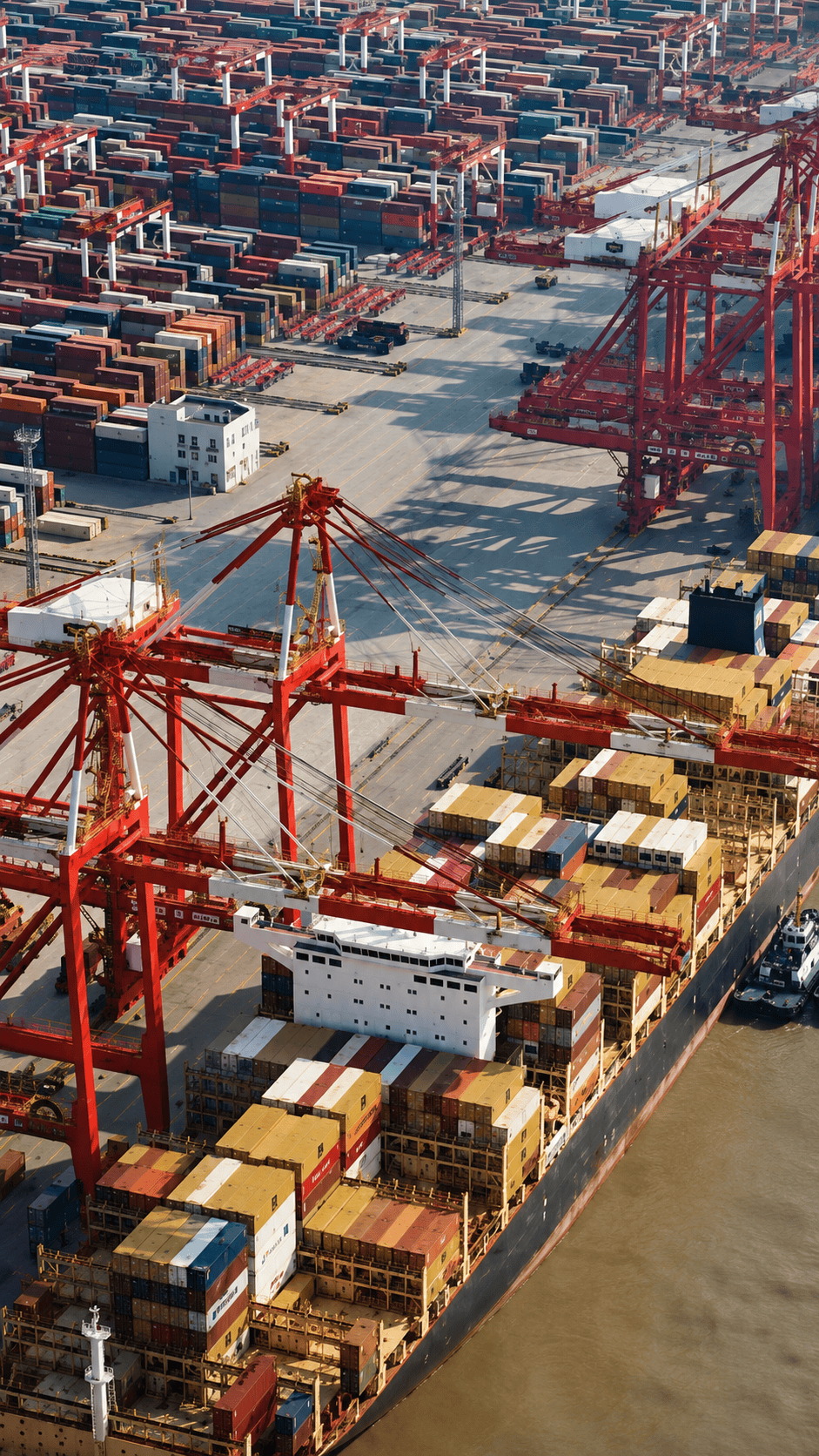
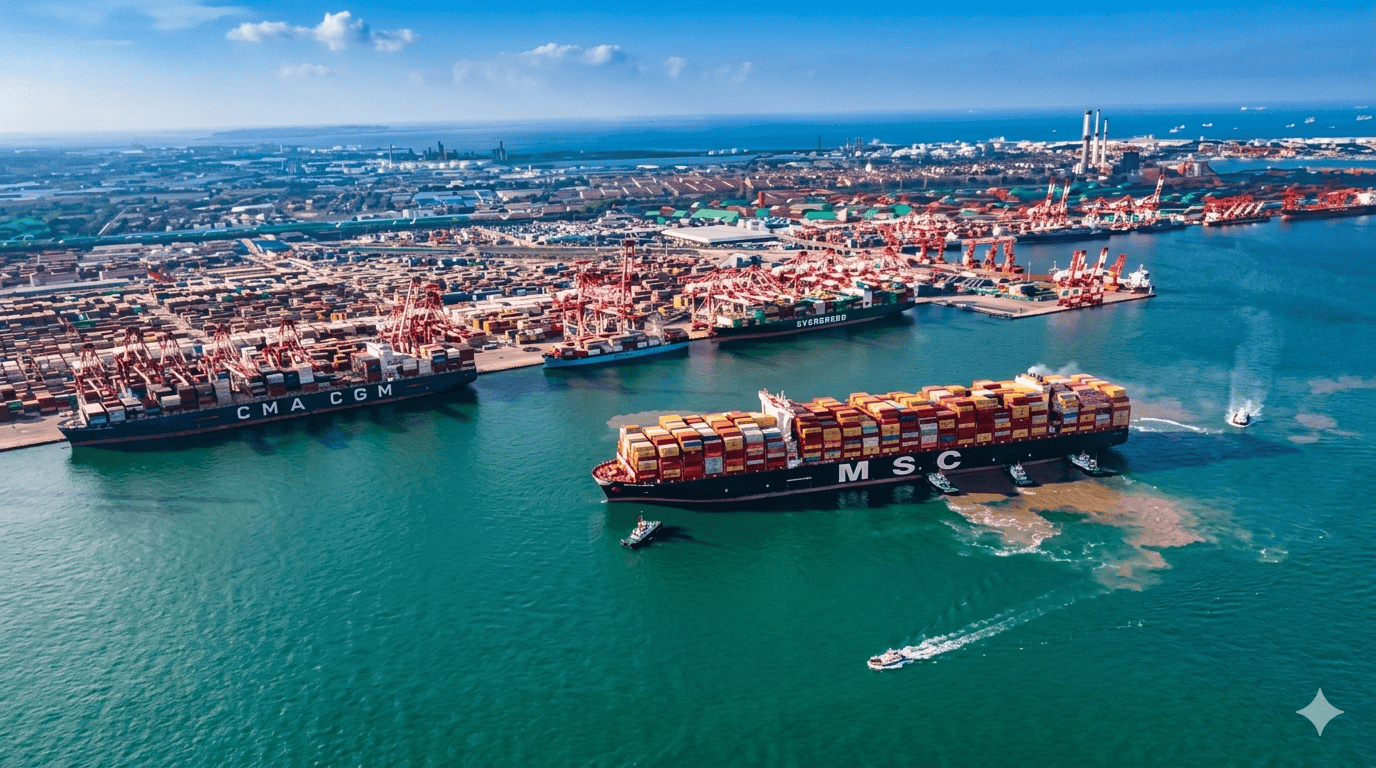
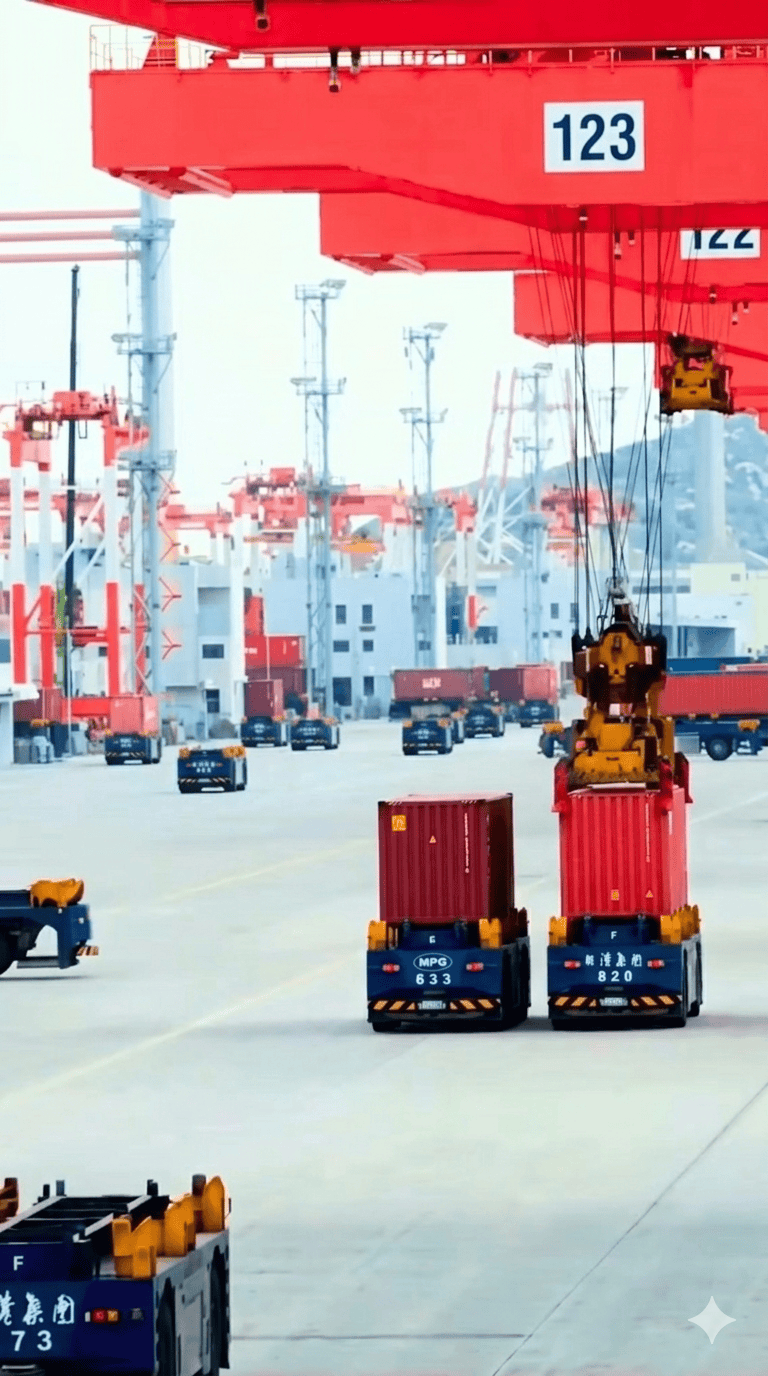
en.Wedoany.com Reported - Maersk has adjusted the Heavy Weight Surcharge (HWS) rates for routes connecting major Chinese ports with Brazil, Argentina, and Uruguay. The new rates will take effect on July 17, 2026, with a flat fee of $200 applied to containers exceeding specific weight limits.
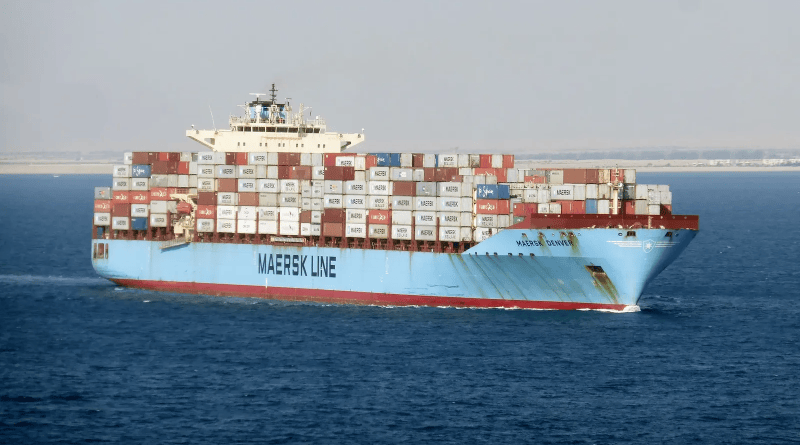
This adjustment covers two cargo categories, with origin ports including Shanghai, Qingdao, Xingang, and Dalian in China. The first category applies to all 20-foot dry containers, where the surcharge is triggered when the Verified Gross Mass (VGM) exceeds 20 metric tons. This includes various equipment types such as standard dry containers, tank containers, flat racks, and open-top containers. The second category targets 40-foot non-operating reefers (40NOR), i.e., refrigerated equipment used for transporting ordinary dry cargo. When the container's VGM exceeds 23 metric tons, a $200 surcharge will automatically apply.
The rate adjustment applies to all available ocean services, regardless of contract type, impacting long-term contracts, spot rate bookings, and Maersk's digital platform Maersk Go, among other products. Among South American destination ports, this surcharge will be levied at ports including Montevideo (Uruguay), Buenos Aires (Argentina), and terminals in Brazil such as Santos, Itapoá, Itajaí, and Paranaguá.
Regarding the pricing calculation date, for regular bookings not subject to U.S. regulations, the vessel's scheduled departure date serves as the reference. For transactions regulated by the U.S. Federal Maritime Commission (FMC), the date when the last container enters the port terminal applies. For spot contracts, the final fee is determined based on the booking confirmation date. Maersk notes that for trades governed by Chinese or U.S. maritime regulations, if rates and surcharges differ from their official lists, they are only binding after being registered with the relevant regulatory authorities, such as the Shanghai Shipping Exchange or the FMC.
Maersk invites importers and exporters in the region to directly review cost structures through its digital tariff inquiry channels or contact local advisors to mitigate impacts on their supply chain planning.