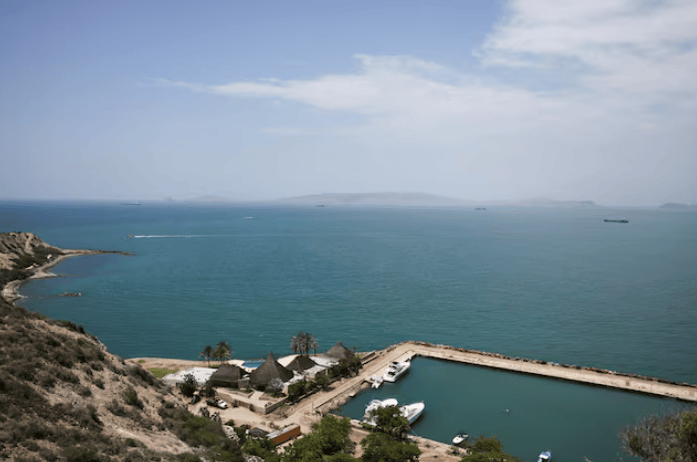
Gasoline price in Afghanistan's Herat province rises 15-20 Afghanis per liter in 10 days
en.Wedoany.com Reported - Over the past 10 days, fuel prices in Herat province, western Afghanistan, have surged significantly, increasing operating costs for local drivers and farmers and further exacerbating an already severe economic hardship.

A survey of the fuel market in Herat city shows that gasoline prices have risen by 15 to 20 Afghanis (23 to 31 US cents) per liter during this period. On July 9, premium gasoline was selling for 80 to 83 Afghanis ($1.25 to $1.30) per liter, compared to 65 to 67 Afghanis ($1.05) per liter about 10 days ago. Regular gasoline was selling for 77 to 80 Afghanis ($1.20 to $1.25) per liter, diesel prices have reached around 80 Afghanis per liter, and liquefied petroleum gas prices stand at 60 to 63 Afghanis ($0.99) per liter.
Drivers say the price increase has severely cut their income, particularly affecting those operating three-wheeled taxis and other small vehicles. Mohammad Qurban, a three-wheeler driver, said the higher gasoline prices have made some routes nearly unprofitable. Citing a regular route as an example, he noted that carrying four passengers at 10 Afghanis each yields a total income of 40 Afghanis, but the gasoline consumed on the same route costs 80 Afghanis. Another driver, Mukhtar, called on authorities to intervene, pointing out that many residents rely on daily wage work and small-scale transport for a living, and that people are very poor with no choice but to take day labor.
The fuel price hike has also affected farmers preparing land for summer crops. As diesel prices rise, the cost of renting tractors has increased, with farmers paying up to 2,000 Afghanis ($31) per hour for plowing. Aminullah, a farmer from Herat, said the price increase has significantly raised the cost of preparing agricultural land, and tractor owners themselves are facing cost pressures due to higher fuel prices.
The Taliban-controlled Petroleum Authority and Herat Standards Agency have not publicly explained this round of price increases. Residents question why prices have risen so rapidly, noting that border crossings remain open and global oil prices have not seen a similar surge. The cause of the local price increase remains unclear, with Taliban authorities not stating whether it is related to supply disruptions, transportation costs, exchange rate fluctuations, or local market pricing behavior. For drivers and farmers whose incomes directly depend on fuel costs, the price increase has directly raised passenger transport and land preparation costs, shrinking profit margins for operators who have few alternatives.
Related Products


Manufacturer Direct Sales Tesla New Energy Electric Vehicle Universal DC 180kW Dual-gun Charging Pile Commercial Fast Charger
Anhui Haidira Electric Technology Co., Ltd.

Ultrasonic Wind Speed and Direction Instrument
Kingmach Measurement & Monitoring Technology Co., Ltd.
Hydrogen production and hydrogenation charging refueling gas integrated energy station
Shenzhen Kohodo Hydrogen Energy Co., Ltd.
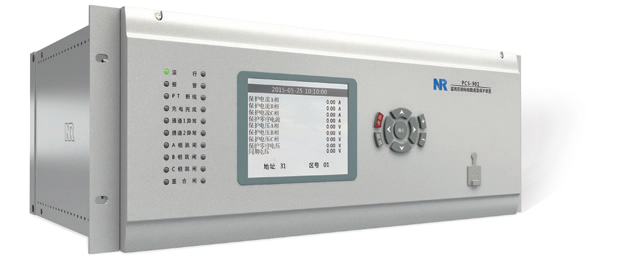
PCS-901 Series Ultra (Extra) High-voltage Transmission Line Complete Protection Device
Nanjing NR Electric Co., Ltd.
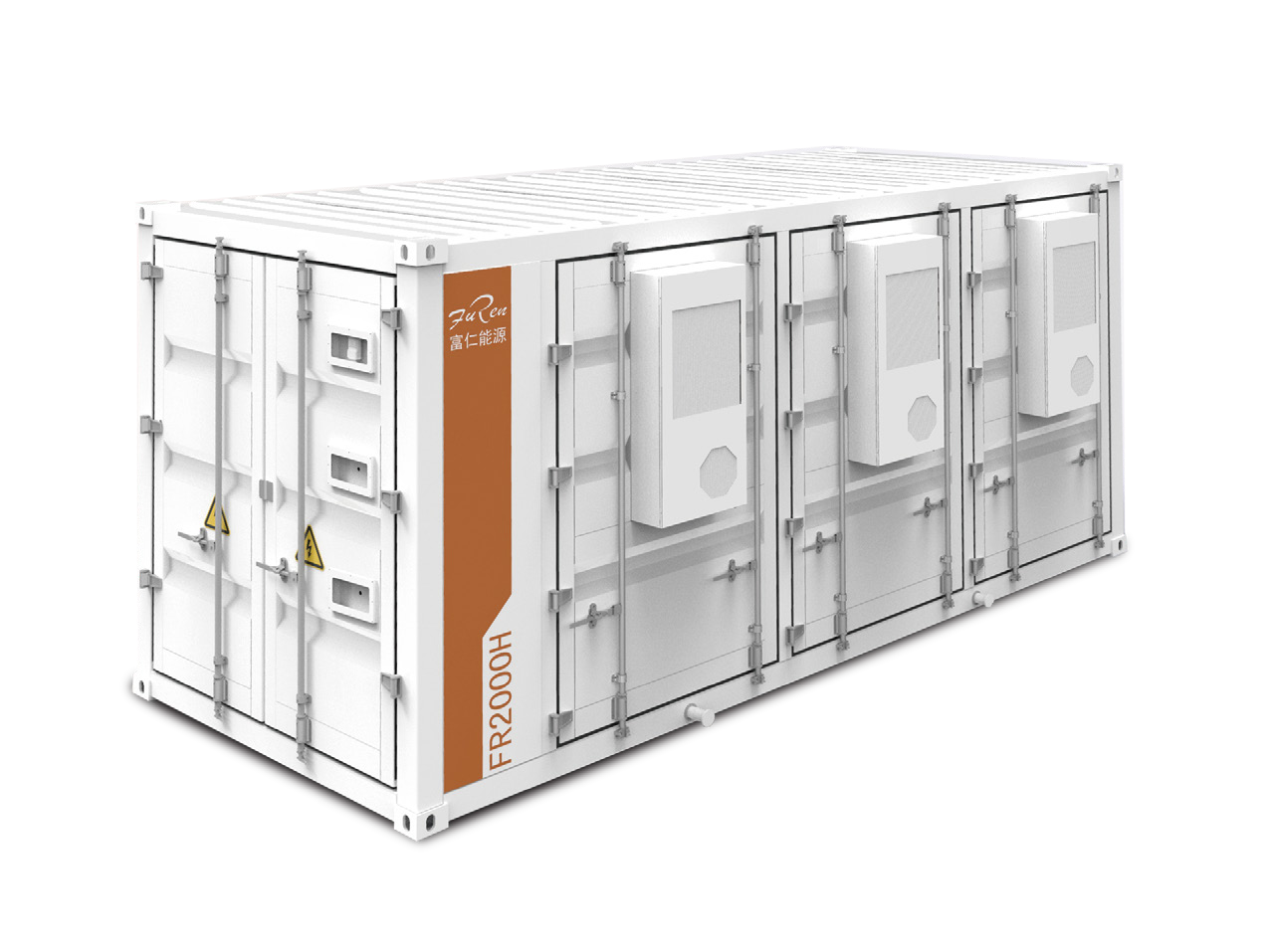
FR2000H 2.15MWh (Air-cooled) 20-foot Containerized Energy Storage System
Jiangyin Furen High-tech Co., Ltd.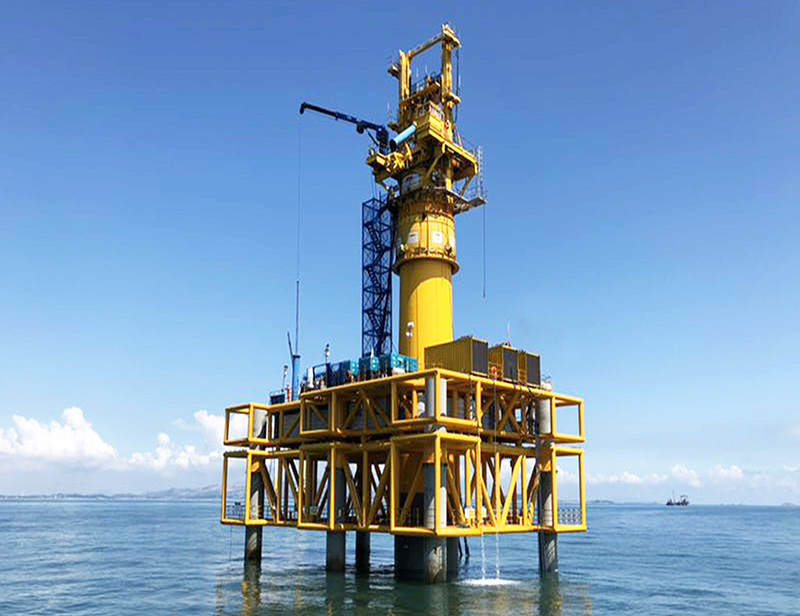
CITIC Heavy Industries Offshore Wind Power Equipment Hydraulic Pile Hammer
CITIC Heavy Industries Co., Ltd.