Multiple Governments Plan to Replenish Strategic Petroleum Reserves by 2028, Adding 664,000 Barrels of Daily Demand
en.Wedoany.com Reported - Analysts expect many governments to purchase millions of barrels of crude oil by 2028 to replenish emergency reserves drawn down during previous conflicts. This action will boost crude demand and absorb some of the potential global supply glut that may arise from OPEC+'s decision to increase production. According to Reuters calculations based on data from the International Energy Agency (IEA), the Organization of the Petroleum Exporting Countries (OPEC), and the U.S. Department of Energy, conflict-related supply disruptions this year have reduced global inventories by approximately 1.5 billion barrels, prompting governments to tap into their emergency reserves.
After disruptions in the Strait of Hormuz drove oil prices sharply higher, the IEA coordinated the release of a record 400 million barrels from reserves. Brent crude rose above $126 per barrel in late April, and U.S. crude approached $120 per barrel in early March. Commodity analytics firm Kpler stated that replenishing these reserves could increase daily demand by up to 664,000 barrels by the third quarter of 2027, helping to absorb some of the expected surplus supply as OPEC+ continues to unwind production cuts, thereby curbing price declines.
"Replenishment of the Strategic Petroleum Reserve (SPR) will raise the price floor in 2027," said Christopher Haines, head of oil at consultancy Energy Aspects. Michelle Brouhard, head of policy and geopolitical risk at Kpler, added that replenishment could generate an additional 506,000 barrels per day of crude demand in the fourth quarter of 2026, rising further next year.
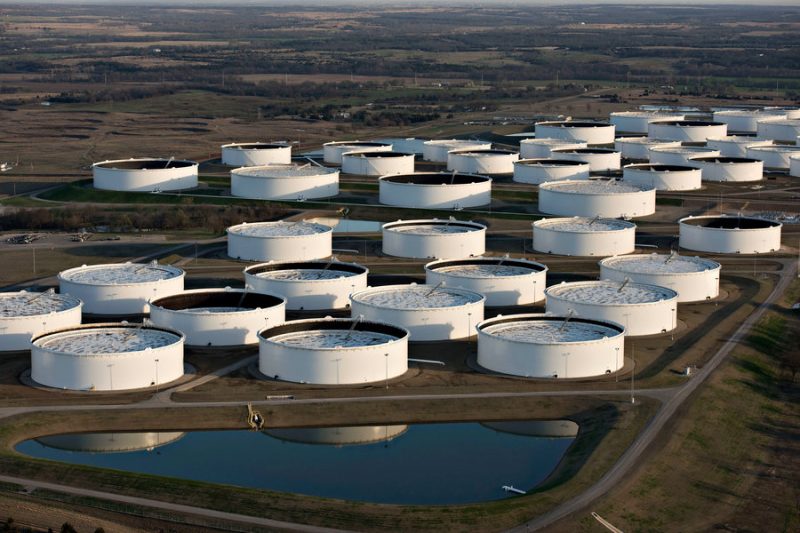
The United States will lead the restocking effort. The U.S. released 172 million barrels of oil under the IEA plan and is expected to begin recovering oil later this year under exchange agreements that require companies to return borrowed barrels plus an additional amount as a premium. Data from the U.S. Department of Energy showed that as of the week ending July 3, U.S. strategic reserves decreased by 6.2 million barrels to 319.5 million barrels, the lowest level since April 1983. U.S. Energy Secretary Chris Wright stated at the Reuters Next event in late June that under the exchange agreements, the government expects to recover an average of 1.28 barrels for every barrel released. These recoveries will help bring SPR inventories back above 400 million barrels, he added, noting that Washington is exploring ways to increase inventories to over 500 million barrels. Former U.S. Energy Information Administration (EIA) Administrator Jay Hakes said the U.S. may replenish reserves faster than other countries because the exchange agreements allow inventories to return to pre-war levels without additional government spending. "For other IEA member countries, the situation is more weighted toward 2027 and discretionary," analyzed Naveen Das, senior oil analyst at Kpler. Analysts expect countries such as Japan and South Korea to take a more gradual approach to rebuilding reserves, with replenishment efforts likely dependent on oil prices and government spending decisions.
Asia is also expanding stockpile construction. Analysts said lower oil prices could encourage China to increase inventories, creating another source of demand. "Historically, when Brent crude prices fall below the 12-month moving average, China begins to buy and fill the SPR," noted Michael Haigh, global head of commodities research at Societe Generale. According to London Stock Exchange Group (LSEG) data, Brent front-month futures traded at around $78 per barrel on Thursday, slightly above the 12-month moving average of approximately $76.59 per barrel. In addition to replacing barrels released during the crisis, several Asian countries reliant on Gulf supplies are expanding storage capacity. China is building 11 new strategic petroleum storage sites, while India plans to more than double its strategic petroleum reserve capacity through expansion projects at Padur and Chandikhol. The Philippines is also developing a national strategic petroleum reserve system with support from Japan.
Related Products



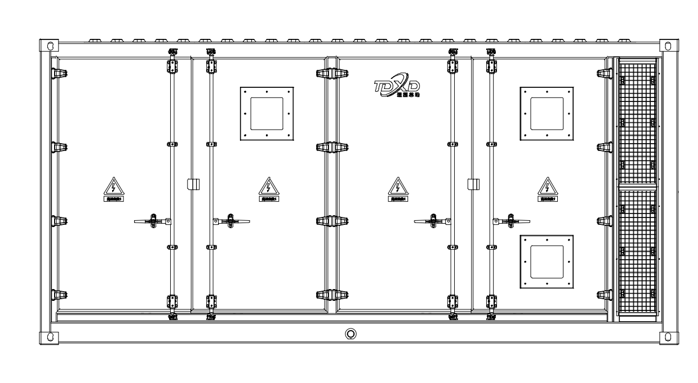
5012kWh DC Energy Storage System TD-EES-5012kWh
Suzhou Tongding Xindong Energy Storage Technology Co., Ltd.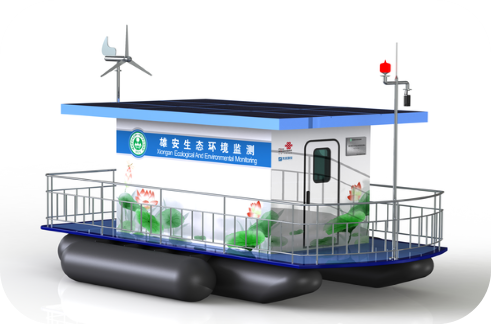
Floating Boat Water Quality Automatic Monitoring System
Hebei Sailhero Environmental Protection High-tech Co., Ltd.
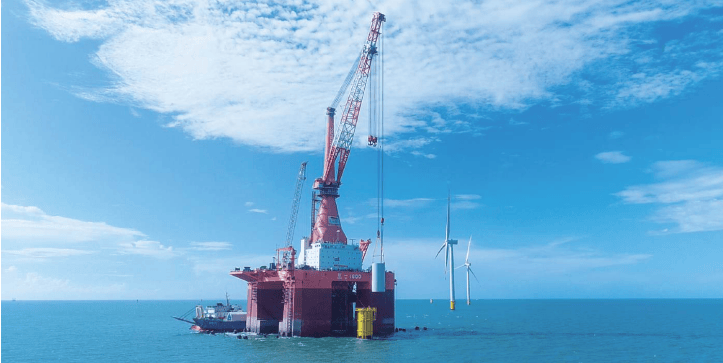
"Shunyi 1600" Deep-submerging Bottom-sitting Multi-functional Wind Power Engineering Vessel
Zhengli Offshore Engineering Co., Ltd.
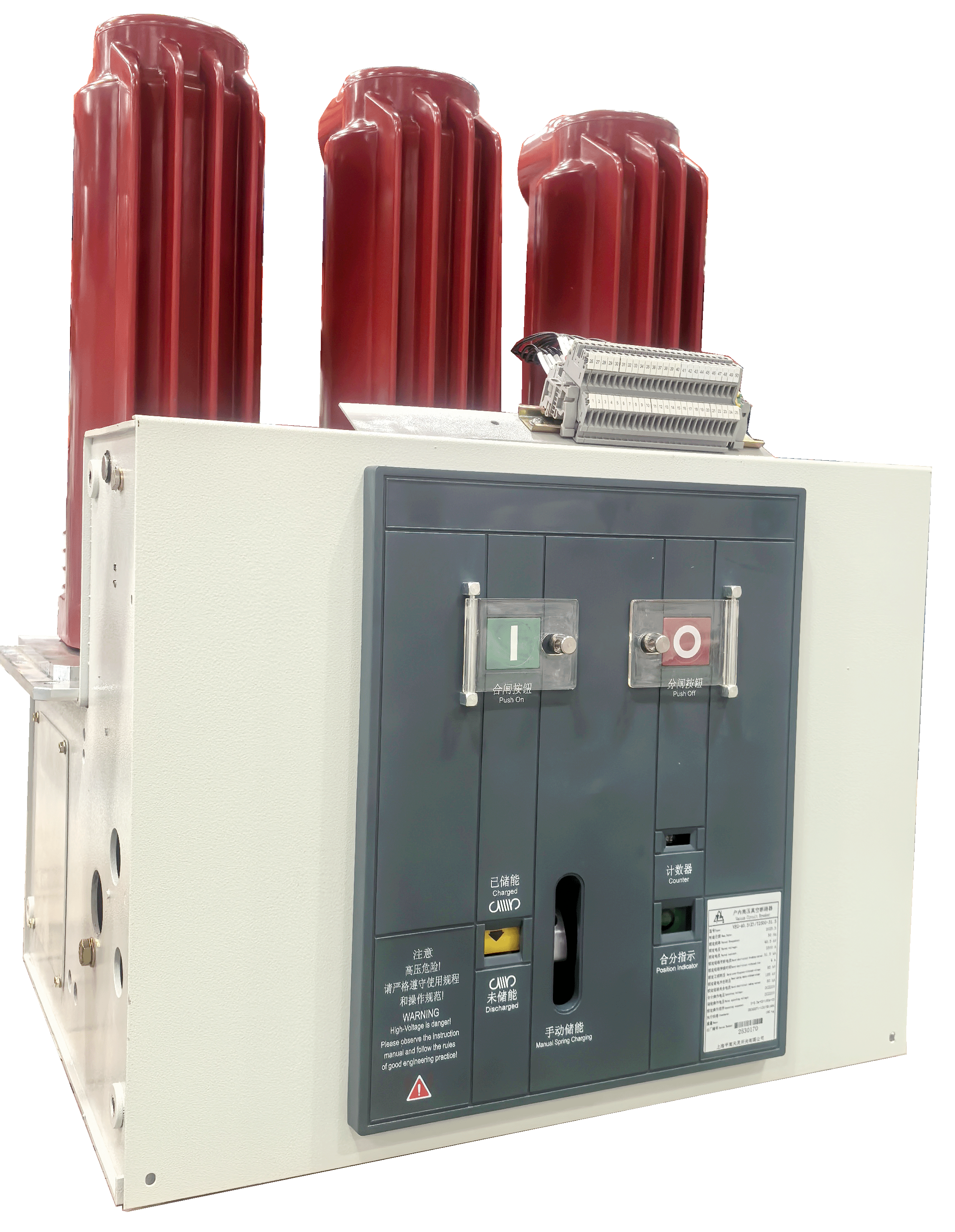
VEG-12/24/40.5 Series Vacuum Circuit Breaker
SHANGHAI PINGGAO TIANLING SWITCHGEAR CO., LTD.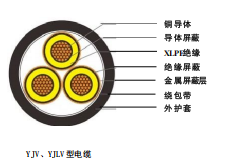
Rated Voltage 6-35kV Cross-linked Polyethylene Insulated Power Cable
TONGDING INTERCONNECTION INFORMATION CO., LTD.