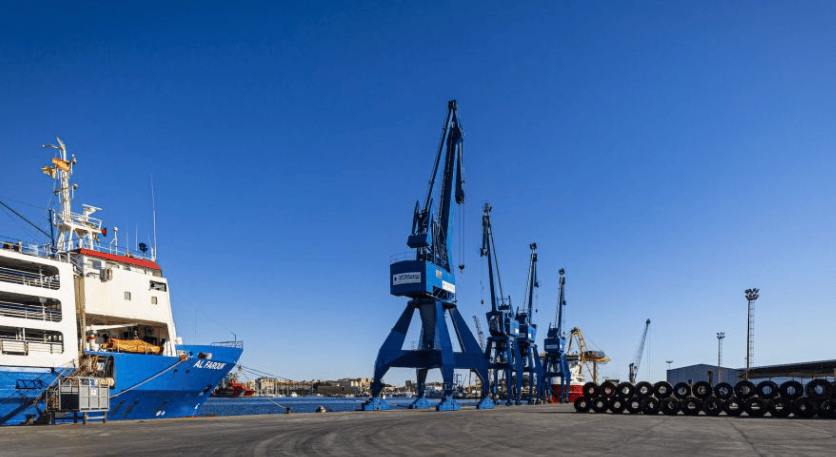
Portugal's Port Strategic Investment of €4 Billion Targets 35 Million Tonnes Throughput
en.Wedoany.com Reported - One year after the launch of Portugal's National Port Strategy 5+ (Estratégia Nacional Portos 5+), Vitor Caldeirinha, Chairman of the Ports of Lisbon and Setúbal, disclosed strategic progress at the 2026 Logistics Excellence Awards ceremony. The goal is to increase cargo throughput at the two ports from 18 million tonnes to 35 million tonnes, and container throughput from 620,000 TEUs to 1 million TEUs.
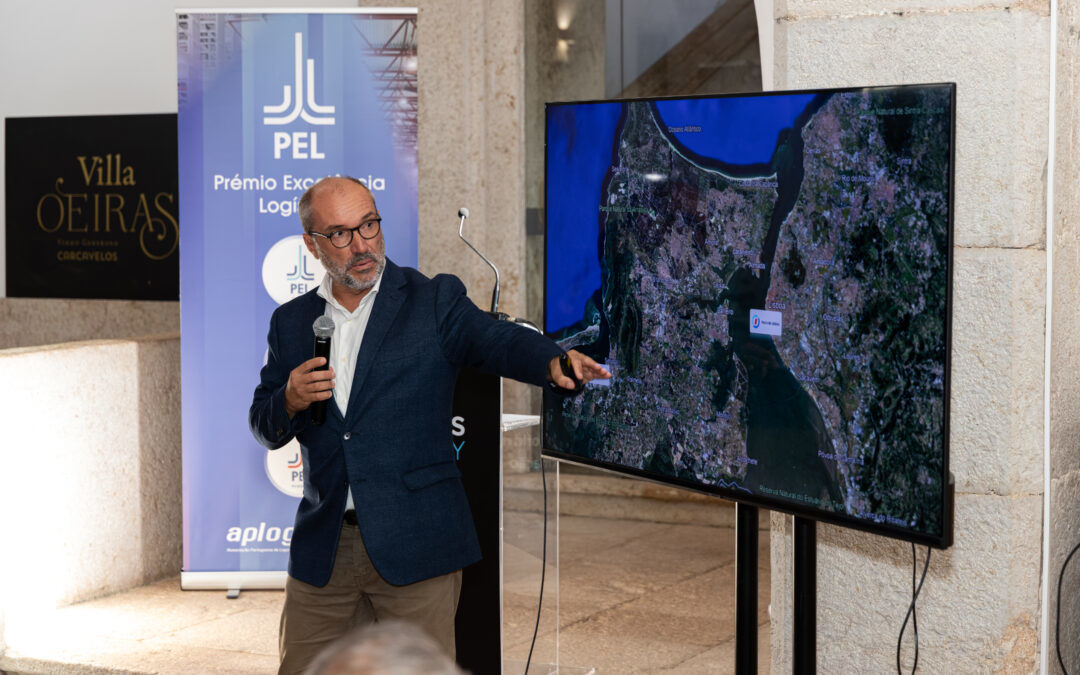
Over the past decade, Portugal's port capacity growth has lagged behind its Spanish competitors due to insufficient public investment and delayed concession launches, leading to high port occupancy rates, extended waiting times, and some cargo flows diverted to neighboring ports. Caldeirinha stated that ports are at a critical turning point; when capacity does not grow, vessels and cargo shift to other ports. The primary task to address this issue is infrastructure growth and investment. Although public funds are scarce, private capital is active. The strategic plan aims to launch 15 new concessions within a decade, with total investment of approximately €4 billion, of which €3 billion comes from private capital, and concession terms can extend up to 75 years. The highly anticipated Leixões container terminal concession is expected to be launched this year, and the tender documents for the Barreiro terminal have been revised to attract more bidders.
The ports of Lisbon and Setúbal are positioned as "similar but different twins," serving the country's most densely populated region. Targets include a shared investment of €1.2 billion for the two ports and an 80% reduction in CO2 emissions. The merger process of the two port authorities is under study, but the ports will remain independently operated. The Port of Lisbon, as the capital's port, focuses on containers, cruise ships, agricultural products, and the blue economy, with internal growth achieved through improved efficiency and utilization. The Port of Setúbal is a roll-on/roll-off (ro-ro cargo, primarily automobiles) and industrial port. A new ro-ro terminal tender will be launched by the end of the year. Lisnave has potential in offshore, construction, and ship conversion sectors, with emerging dual-use civil and military applications. This port is the last in the region with extensive expansion space, but 75% of its territory lies within environmental protection zones.
In terms of sustainability, the focus is on electrification: an On-Shore Power Supply system is under development, prioritized for implementation at the Lisbon cruise terminal, including the construction of a new substation with unprecedented capacity to connect the port to the power grid, while also considering buses, local fleets, and electric equipment. Subsequent steps include tenders for solar energy utilization in port areas and incorporating green requirements into new tender documents. Regarding intermodal transport, in addition to enhancing railway capacity at Setúbal, the Tejo River navigation project is in the environmental assessment phase. Dredging works will allow barges to pass through hundreds of containers under any tidal conditions, potentially reducing thousands of kilometers of truck transport annually, connecting the Carregado/Castanheira logistics platform and the Iberian network.
On digitalization, the two port authorities have invested in artificial intelligence and have already achieved results in daily operations. A system assisting in drafting public procurement procedure documents is in its final stages, followed by the launch of a community port relations chatbot. The second phase includes document analysis and decision recommendation preparation, always under human supervision. All terminals are expected to be connected to the Single Logistics Window (Janela Única Logística) by next year, with terminal gates digitalized. Portuguese ports have jointly applied for EU funding for a common digital platform. The Lisbon Smart Port project integrates environmental sensors, cameras, and network monitoring to form a new regulatory management layer. Caldeirinha concluded that the transformation begins with administrative automation but aims to shift toward operational intelligence. He also noted current port issues, including insufficient infrastructure maintenance and a shortage of engineers. Measures include renovating the Lisbon port headquarters building with private support, purchasing three pilot transport vessels for each port this year and next, updating tugboat capabilities with firefighting equipment, and integrating the waterfront of 14 municipalities across two port areas, from Almada to Barreiro and from Moita to Montijo.
Related Products



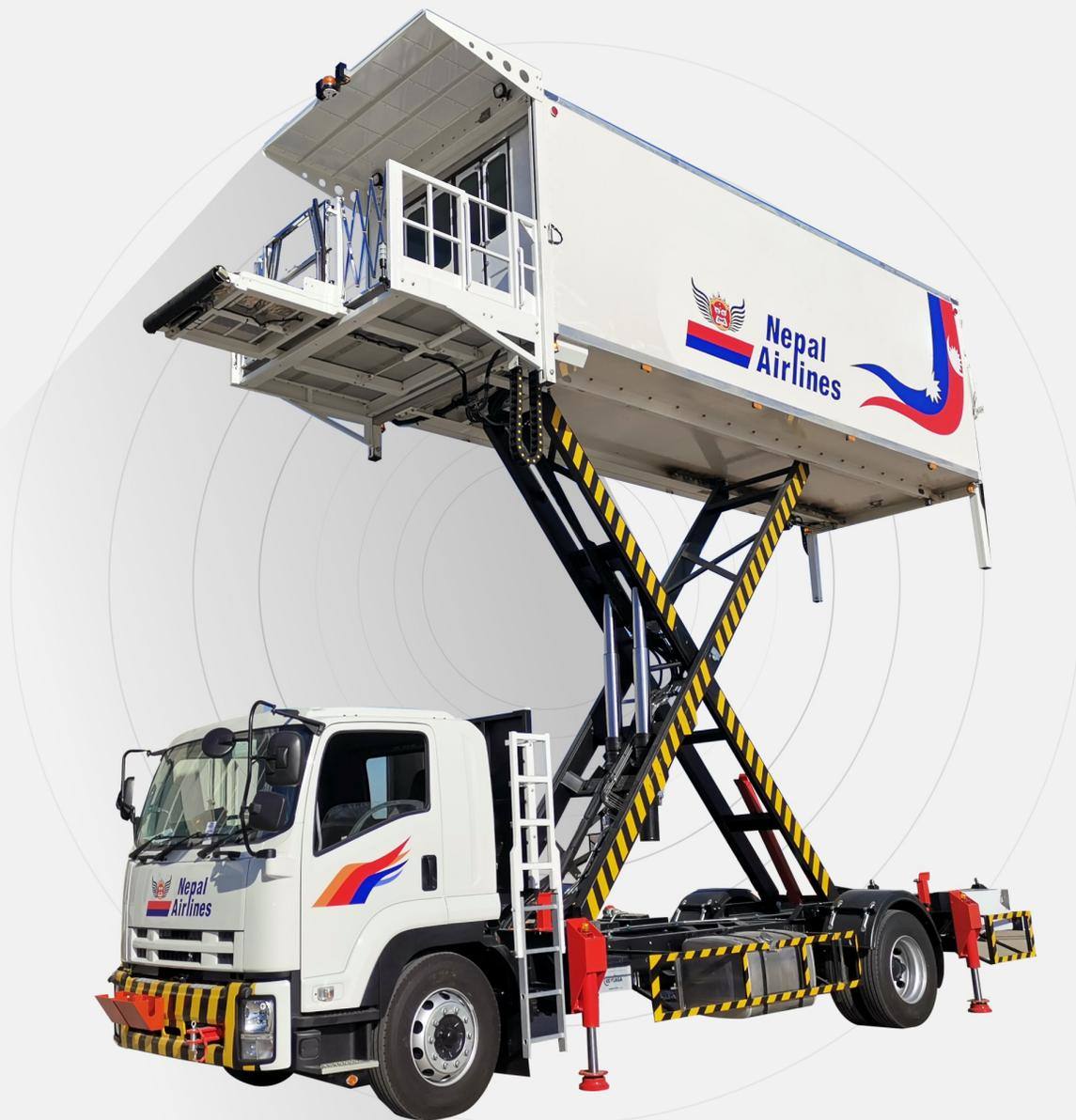
XC-6000e Type Aviation Catering Truck (Fuel Type)
Shenzhen CIMC-TianDa Airport Support Ltd.
Explosion-proof lithium battery dispatching monorail crane locomotive (permanent magnet frequency conversion integrated machine)
Xiangtan Hengxin Industrial Co., Ltd.

Industrial and Commercial Point-Type Gas Detector
Jinan Benan Technology Development Co., Ltd.
Wheel and Track Technology Business
Beijing Research & Design Institute of Rubber Industry Co., Ltd.