Norway's 1X Unveils 25-DOF Humanoid Robot Hand with Annual Production Capacity of 10,000 Units
en.Wedoany.com Reported - Norwegian robotics company 1X Technologies has developed a new tendon-driven robotic hand for its NEO humanoid robot, featuring 25 degrees of freedom (DoF). The company claims this hand achieves significant improvements in dexterity, precision, safety, and durability, while eliminating a key hardware bottleneck that has long plagued humanoid robot development. 1X states that future performance upgrades for NEO will primarily rely on advancements in AI algorithms and training data, rather than mechanical structural adjustments.
NEO's tactile sensing hand features 22 actuated joints distributed across the fingers and palm, with an additional three joints controlling the wrist. All joints are force-controlled and backdrivable, meaning the fingers can not only execute preset movements but also sense external pressure and respond accordingly. High-resolution tactile sensors can identify pressure distribution, contact location, and lateral shear forces; an integrated proprioception system also monitors the position of each joint in real time, allowing NEO to track hand movements without relying entirely on cameras.
In demonstrations released by 1X, the hands performed a series of tasks: assembling LEGO models, handling screws and coins, using tools, connecting USB-C cables, zipping up a jacket, and catching a soft ball. These operations showcase the breadth of its capabilities, but the real challenge lies in unpredictable home environments. The hardware also features IP68 waterproofing and is made from food-safe materials, allowing the robot to rinse itself clean after completing household chores.
Bernt Børnich, CEO and founder of 1X, stated on the company's website: "Our goal has never been to design a theoretically beautiful robotic hand. These hands are the result of intensive engineering, focused on making humanoid robots truly useful. With these hands, NEO has crossed a critical threshold. It can now perform many of the tasks that human hands do every day. This is exactly what the entire industry has been waiting for."
Beyond performance, 1X also views production scale as a strategic core. The company manufactures its own motors, tendons, electronic components, tactile sensors, and soft polymer shells, and has revealed that its dedicated production line can produce up to 10,000 robotic hands this year. 1X believes that scaling production is crucial for collecting real-world interaction data and iteratively optimizing embodied AI systems.
For home robots, precise manipulation is one of the greatest challenges. Although many humanoid robots can already walk, navigate, and engage in voice interaction, handling everyday objects—such as folding laundry, preparing meals, cleaning the kitchen, tidying up the home, and safely handling fragile items—remains extremely difficult. By equipping NEO with hands that can both move and sense touch, 1X hopes that future software updates will unlock new capabilities without requiring hardware design changes.
This release also reflects a shift in the competitive focus of the humanoid robot industry. Walking technology has become relatively mature, while reliable hand manipulation is emerging as the next critical battleground. If 1X's hardware performs consistently beyond controlled demonstrations, the company may gain an edge in the race to build practical home robots. However, NEO's success in real-world environments still depends on whether its AI can quickly master the full potential of its new hands in unpredictable household scenarios—where safety, reliability, and stability are just as important as dexterity.
Related Products


Pneumatic high-pressure wear-resistant ball valve
Zhejiang Deca Control Valve Meter Co., Ltd.
Strip Coating and Plating Production Line Equipment
MCC-SFRE HEAVY INDUSTRY EQUIPMENT CO., LTD.
Standard Nozzle Flowmeter
Jinggong Automatic Control Instrument Complete Technology Development Company
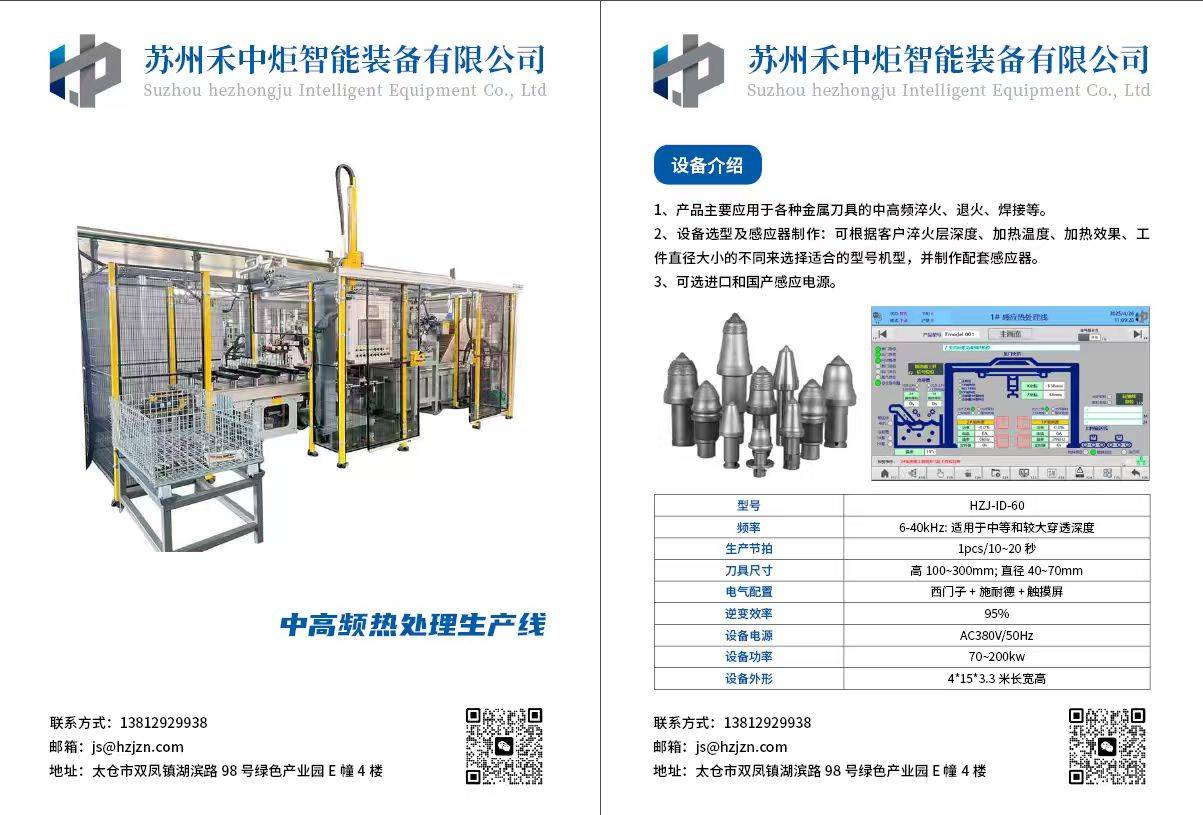
Excavator Bucket Teeth Heat Treatment Production Line
Suzhou Hezhongju Intelligent Equipment Co., Ltd.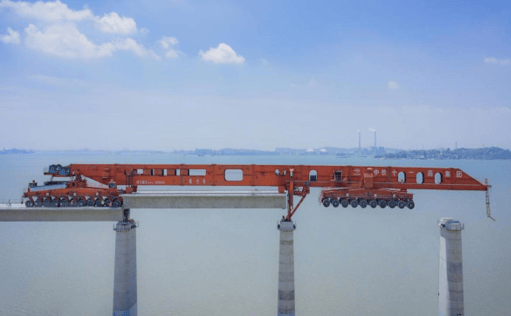
High-Speed Railway Lifting, Transporting, and Erecting Equipment: Integrated Transport and Erection Machine
Hanjiang Heavy Industry Co., Ltd. of China Railway 11th Bureau Group
CAP1400 main feedwater flow nozzle flowmeter.
Jiangsu Hongda Instrument Technology Co., LTD.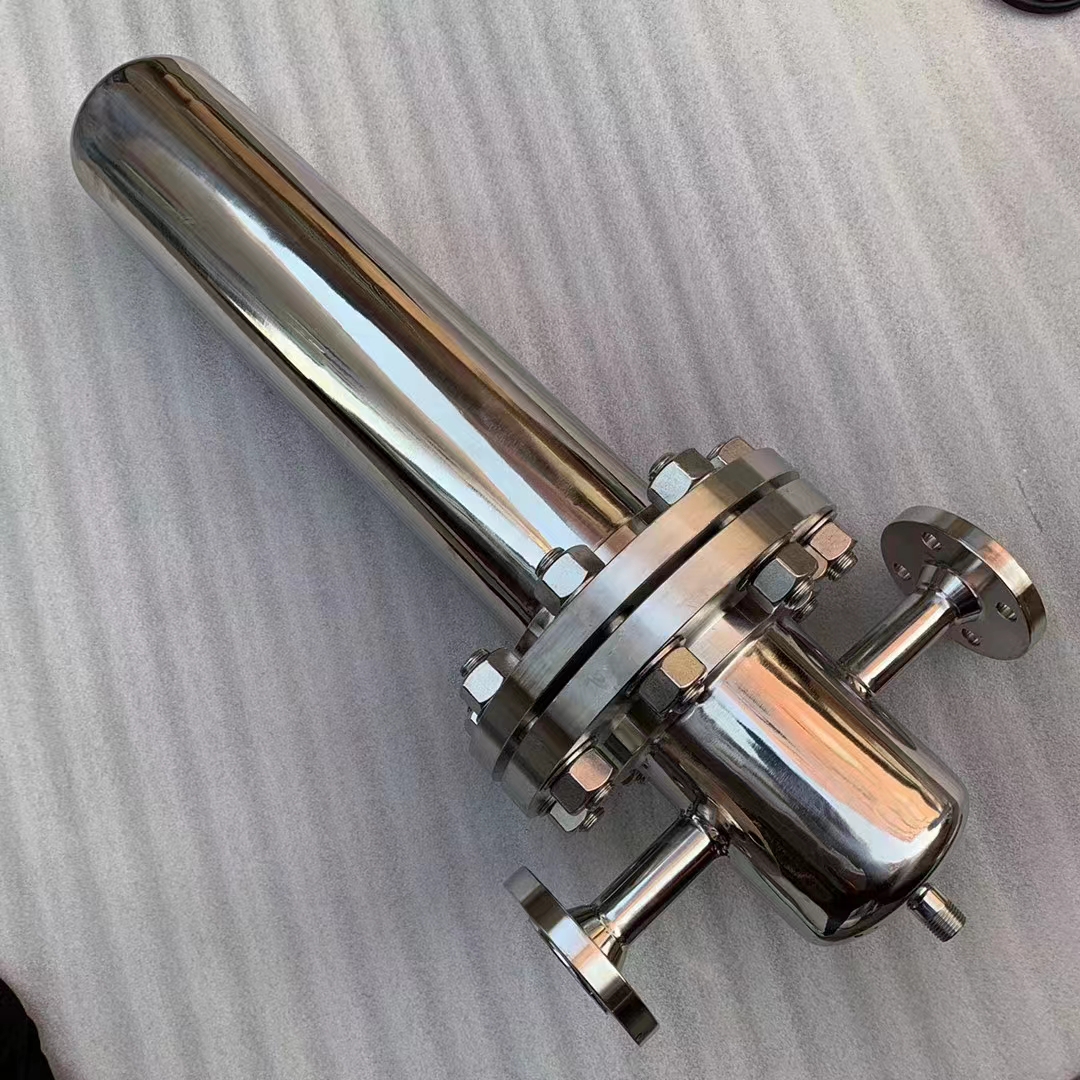
High-Speed Flexible Fully Automatic Stamping Production Line
JIER Machine-Tool Group Co., Ltd.