India's peak power demand may reach 300 GW in FY2027
en.Wedoany.com Reported - India's peak power demand is expected to reach 300 GW in the fiscal year 2027, up from an estimated 272 GW this year, and the government has asked utilities to prepare for electricity consumption growth driven by data centers, artificial intelligence, and electric vehicles.
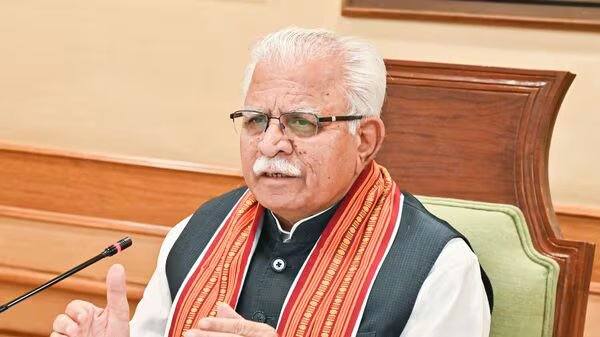
India's Power Minister Manohar Lal stated at the 12th India Energy Storage Week (IESW) 2026 that the country has recorded a peak demand of approximately 271 GW this year, with available generation capacity increasing to 284 GW. Lal noted that the rapid expansion of data centers, artificial intelligence, and electric vehicles is driving electricity demand growth, with peak demand expected to reach 300 GW next year and potentially rise further this year.
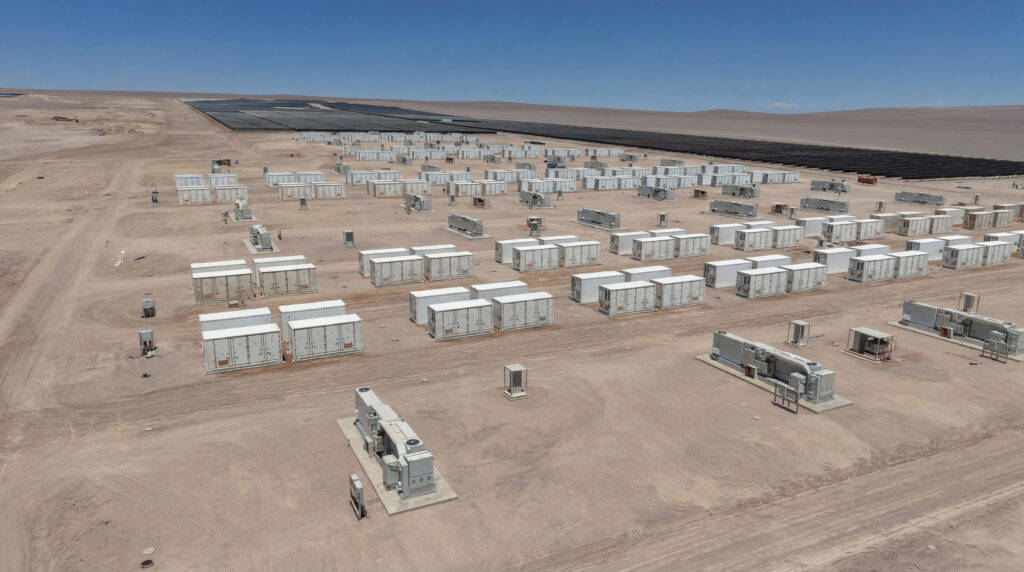
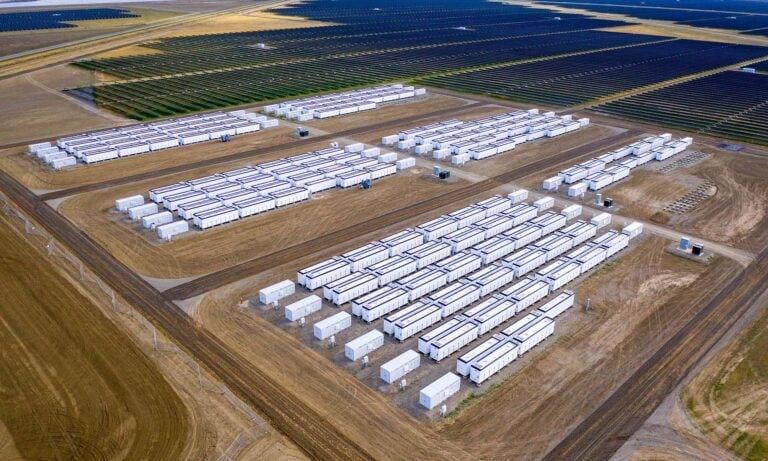
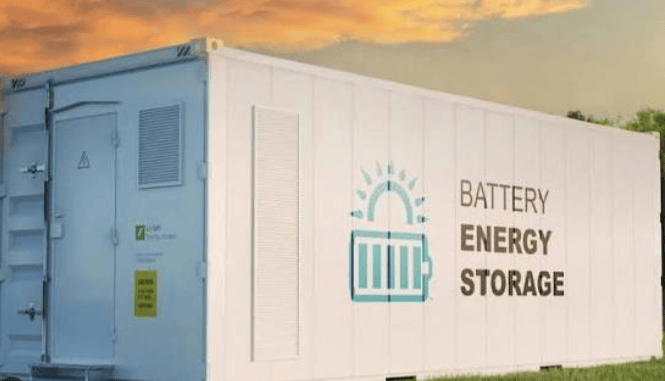
The anticipated growth in electricity consumption makes energy storage crucial for ensuring power supply. The India BESS Market Review, released on the same day, estimates that India will need 888 GWh of energy storage system capacity by 2035-36, including battery energy storage systems (BESS) and pumped storage projects.
The review shows that in the first half of 2026, installed BESS capacity increased more than 11-fold from 0.78 GWh in December 2025 to 8.7 GWh. Installed BESS capacity is expected to exceed 10 GWh by the end of 2026. In the first six months of 2026, India issued tenders for 47 GWh of energy storage systems, bringing the total tender pipeline to 260 GWh.
Lal stated that through domestic manufacturing, India has reduced imports and lowered costs, shielding the country from global uncertainties. "Vocal for Local" and "Make in India" are crucial for the power sector, particularly in solar cells, batteries, and containers.
Jaishyam Prasad, Chairperson of the Central Electricity Authority (CEA), stated that India aims to have approximately 160 GW of energy storage capacity by 2035, including battery storage and pumped storage. He emphasized that with robust infrastructure, strong private sector participation, and a renewed focus on local content and standardization, India is laying the foundation for reliable, round-the-clock renewable energy.
Related Products

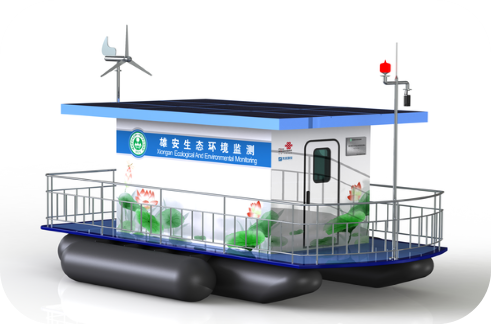
Floating Boat Water Quality Automatic Monitoring System
Hebei Sailhero Environmental Protection High-tech Co., Ltd.
220kV Composite Outdoor Cable Terminal
Shenyang Guolian Cable Accessories Manufacture Co., Ltd.
TAI Slew-drive Single-axis Independent 1P Tracking Bracket System
ANTAI TECHNOLOGY CO., LTD.
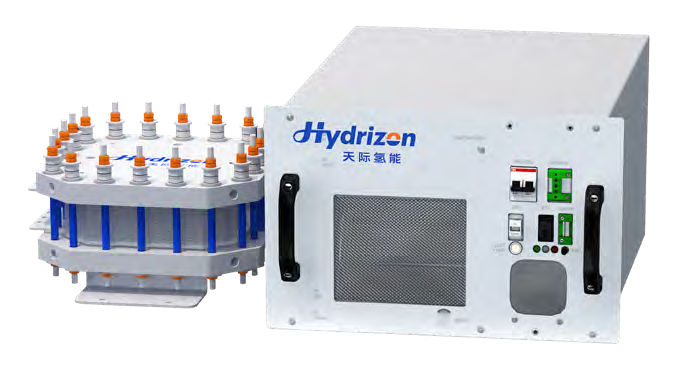
HI-Pro Green Hydrogen High-efficiency Production System-HI-PRO-AEM
Hydrizon Technology (Beijing) Co., Ltd.
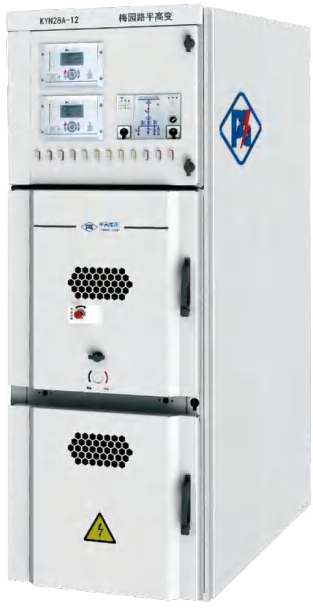
KYN28A-12 Metal Armored Removable Switchgear
Tianjin Ping Gao Intelligent Electric Co., Ltd.