US-based Amprius Unveils 500Wh/kg Battery, Supply to Begin in Q4 2026
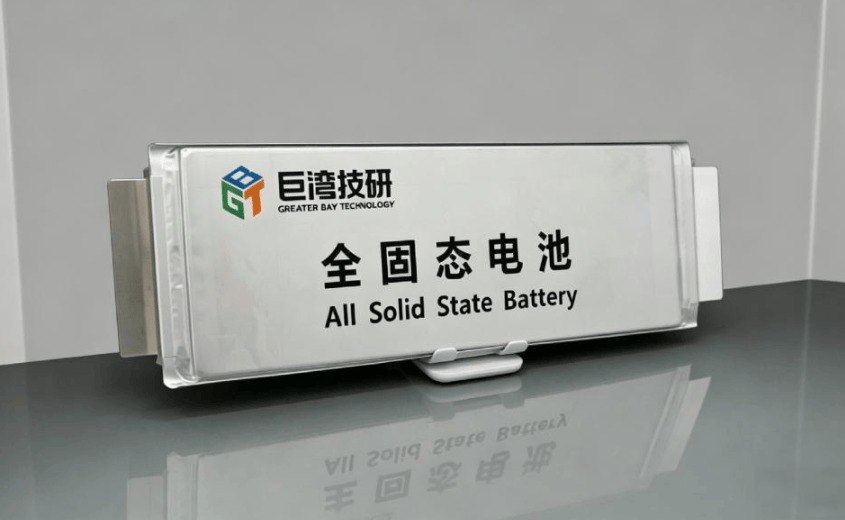
en.Wedoany.com Reported - Battery company Amprius Technologies has developed a new lithium-ion battery cell that achieves a specific energy of 500 Wh/kg under continuous 1C discharge and can be produced using conventional battery manufacturing equipment. The company stated that this combination is particularly critical for aircraft applications where battery weight directly constrains flight endurance, and it also makes certification and scaled production easier for aviation customers.
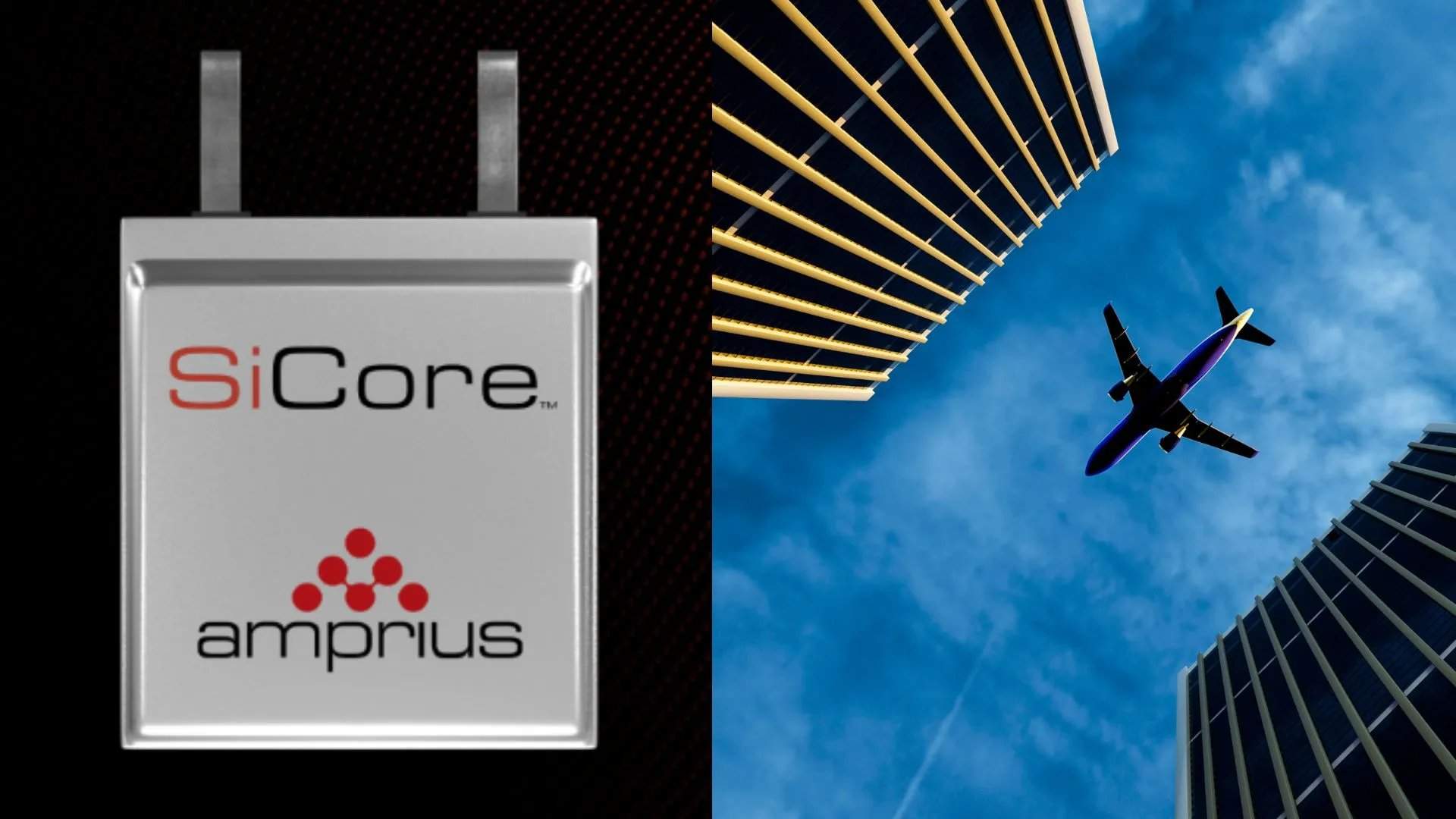
The SiCore cell utilizes a silicon anode, enabling it to store more energy at the same battery weight. Amprius' previously demonstrated cells exceeding 500 Wh/kg relied on specialized production methods; the new generation of products focuses on compatibility with existing lithium-ion battery manufacturing infrastructure. 500 Wh/kg is equivalent to approximately 227 Wh/lb, meaning 500 watt-hours of electrical energy stored per kilogram of cell.
The 1C rating indicates that the cell can sustain discharge at a rate corresponding to its rated capacity. High-Altitude Platform Stations (HAPS) operate in airspace far above conventional aircraft for days or even weeks; solar-powered HAPS rely on photovoltaic power during the day and require energy storage at night. Higher specific energy allows more electrical energy to be stored at the same weight, thereby extending loiter time or freeing up payload weight for communication equipment, sensors, and observation systems. Fixed-wing drones and other long-endurance aircraft also benefit.
Amprius' silicon anode cell technology has established an application foundation in high-altitude aviation, supplying cells for AALTO HAPS' Zephyr aircraft since 2018. AALTO is developing solar-electric HAPS aircraft for communications and Earth observation; in 2025, according to public reports, a Zephyr aircraft flew continuously for 67 days, setting a world endurance record. AALTO HAPS Chief Operating Officer Pierre-Antoine Aubourg stated that energy density is critical to the Zephyr's endurance, and further improvements in specific energy can extend flight time and expand mission capabilities.
Amprius plans to achieve commercial supply in the fourth quarter of 2026, with customers able to obtain cells in application-specific formats at that time; a standard pouch configuration for small unmanned aircraft systems is also planned, which complies with the SAE JA1016 specification. Initial production will be undertaken by its facility in Fremont, California, with existing contract manufacturers able to support larger volumes subsequently.
This manufacturing arrangement addresses a common issue in scaling advanced batteries: cells perform excellently during the development phase, yet mass production may require entirely different equipment. The SiCore aims to bridge this gap, enabling long-endurance aircraft to benefit from the higher energy storage offered by 500 Wh/kg specific energy without the need to build a new battery manufacturing ecosystem.
Related Products


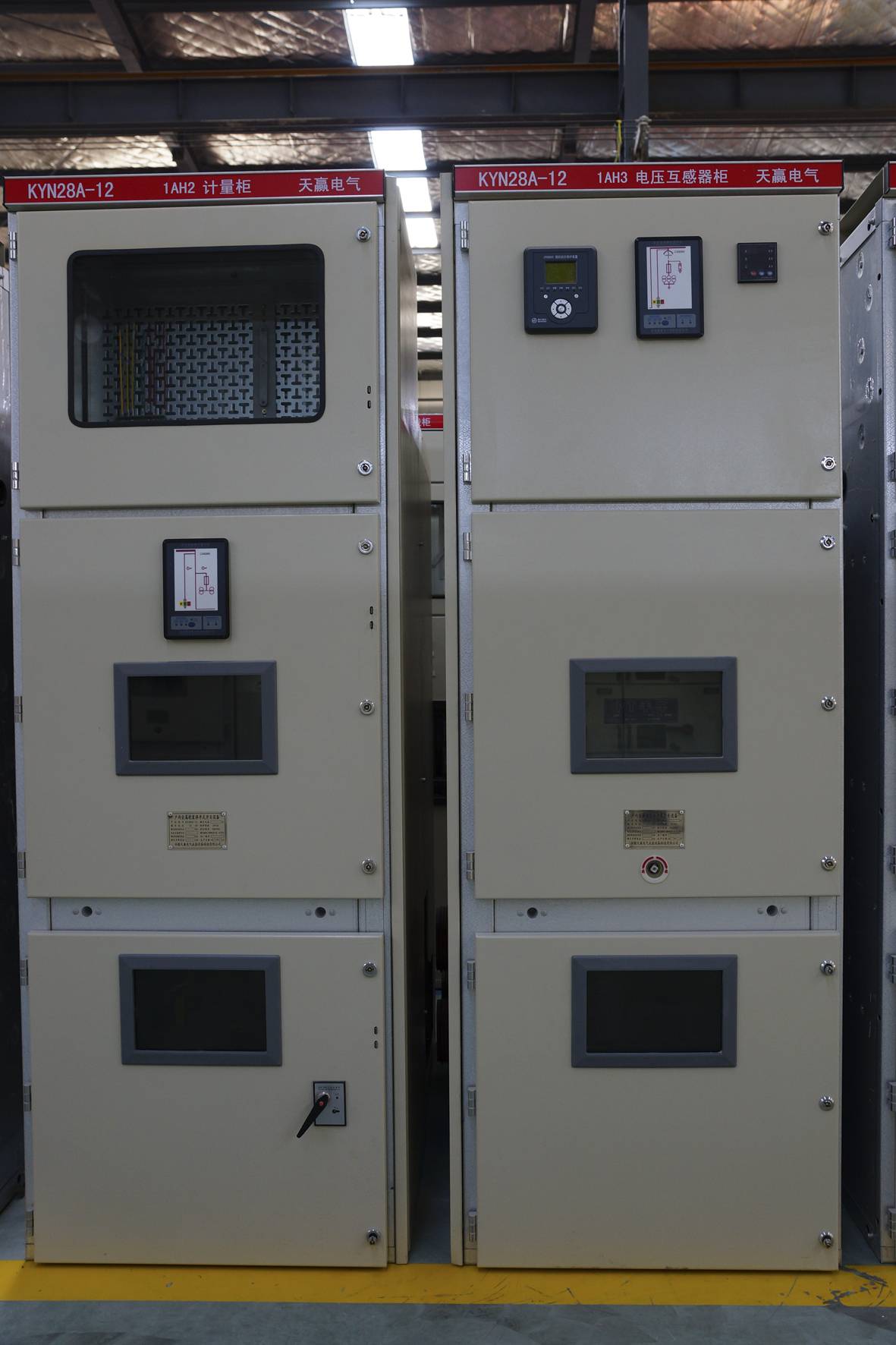
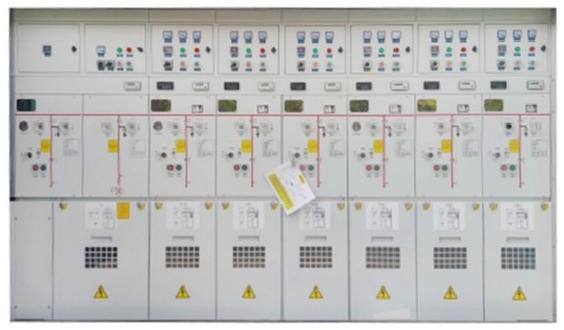
KYN28 - High Voltage Switchgear
Anhui Tianying Electrical Equipment Manufacturing Co., Ltd.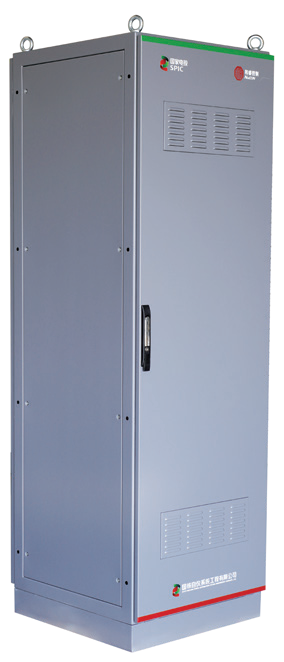
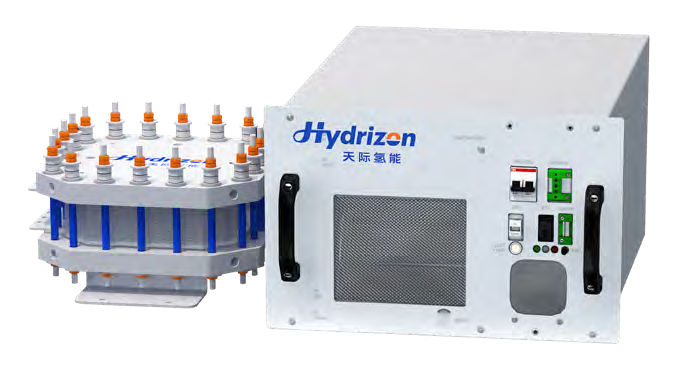
HI-Pro Green Hydrogen High-efficiency Production System-HI-PRO-AEM
Hydrizon Technology (Beijing) Co., Ltd.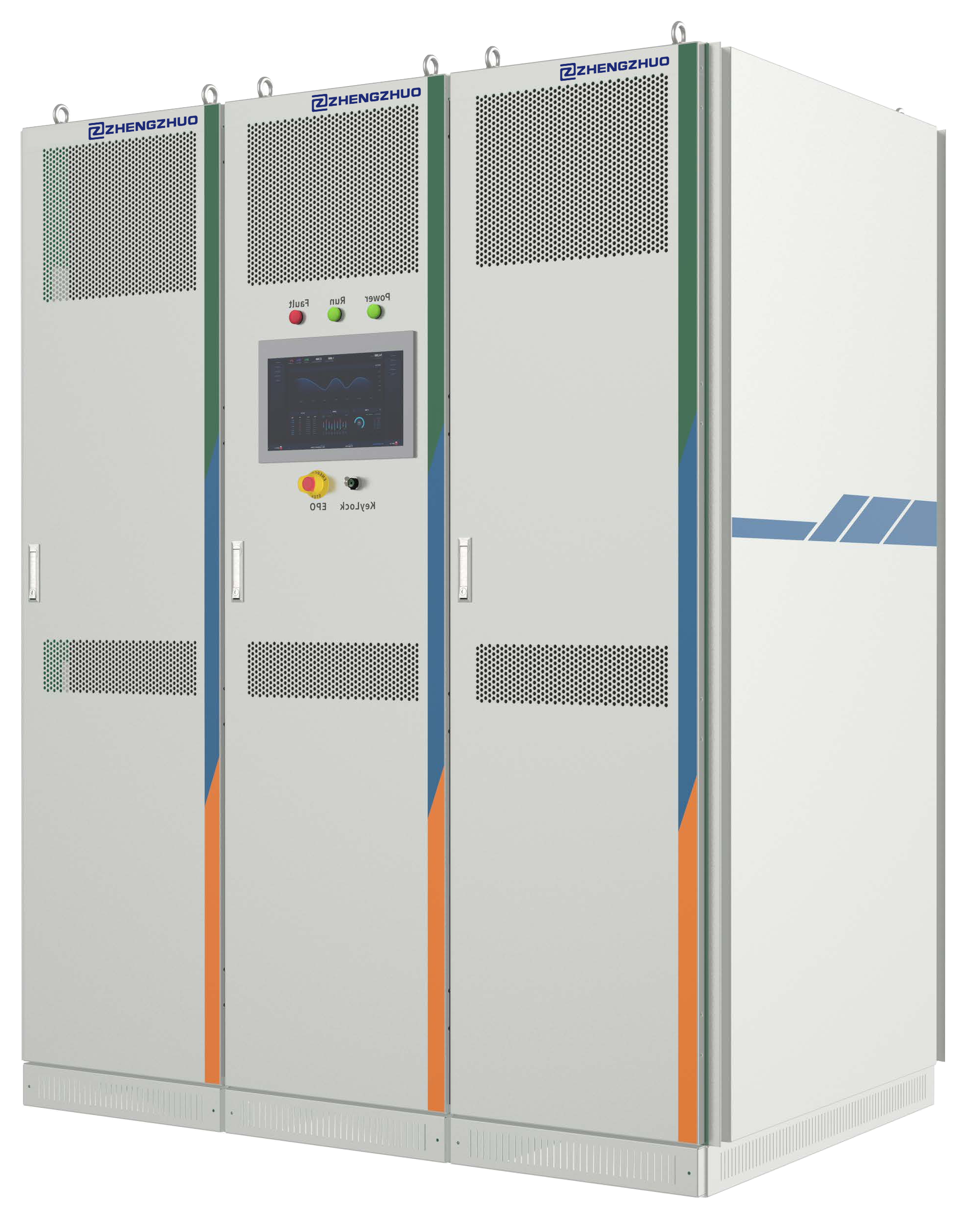
IGBT Hydrogen Production Power Supply - High Power Air Cooling
Beijing Zhengzhuo Engineering Technology Co., Ltd.
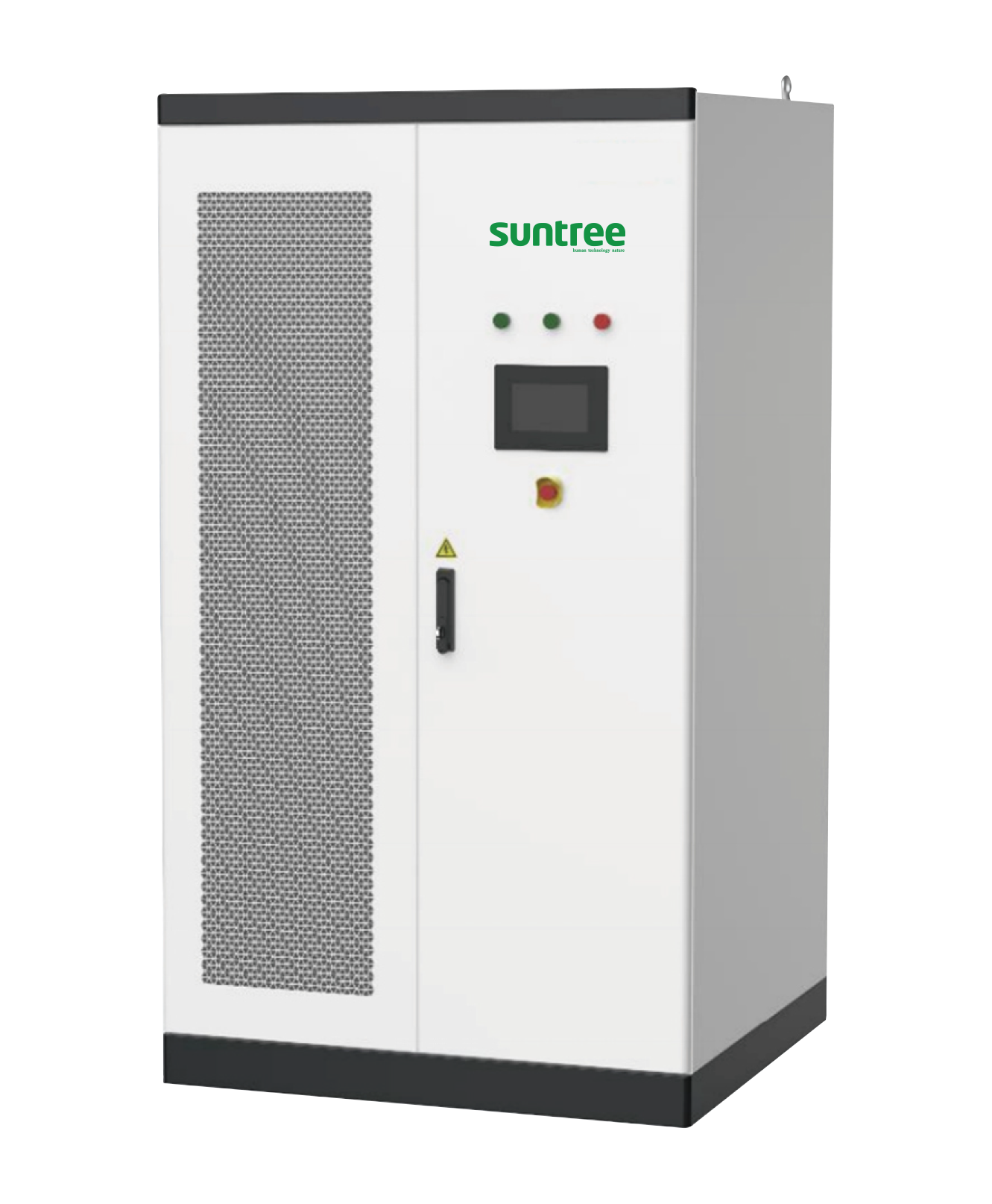
NISELA Series Environmentally Friendly Gas-Insulated Ring Main Unit
XJ DELISHIER ELECTRIC CO., LTD.
Forest and Grassland Heat Source Infrared Monitor
China Huayun Meteorological Technology Group Co., Ltd.