Pakistan Plans $1 Billion Railway Upgrade, Canadian Mining Firm Offers $390 Million Loan
en.Wedoany.com Reported - Pakistan is planning to raise funds for the approximately $1 billion Pakistan Main Line-3 (ML-3) railway upgrade project through a bridge loan provided by a mining company, a proposal currently under review by the Pakistan Planning Commission.
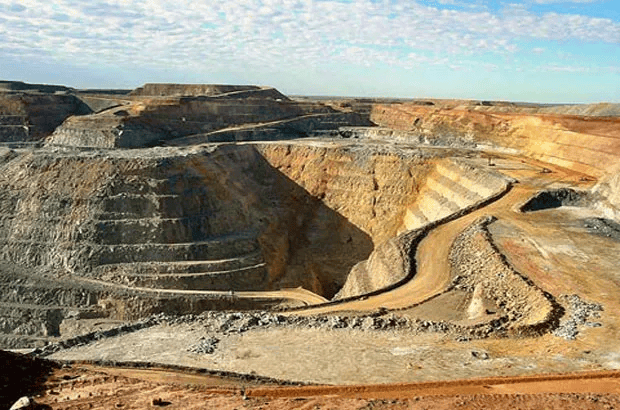
Under the financing plan, the Reko Diq Mining Company (RDMC), 50% owned by Canadian Barrick Gold Corporation, will provide a $390 million bridge loan with a two-year term, to be repaid in full by the Government of Pakistan upon maturity. RDMC is a joint venture co-owned by Barrick Gold, the Government of Balochistan, and Pakistani state-owned enterprises, and is developing the Reko Diq copper-gold project in Balochistan, considered one of the world's largest undeveloped copper-gold resources.
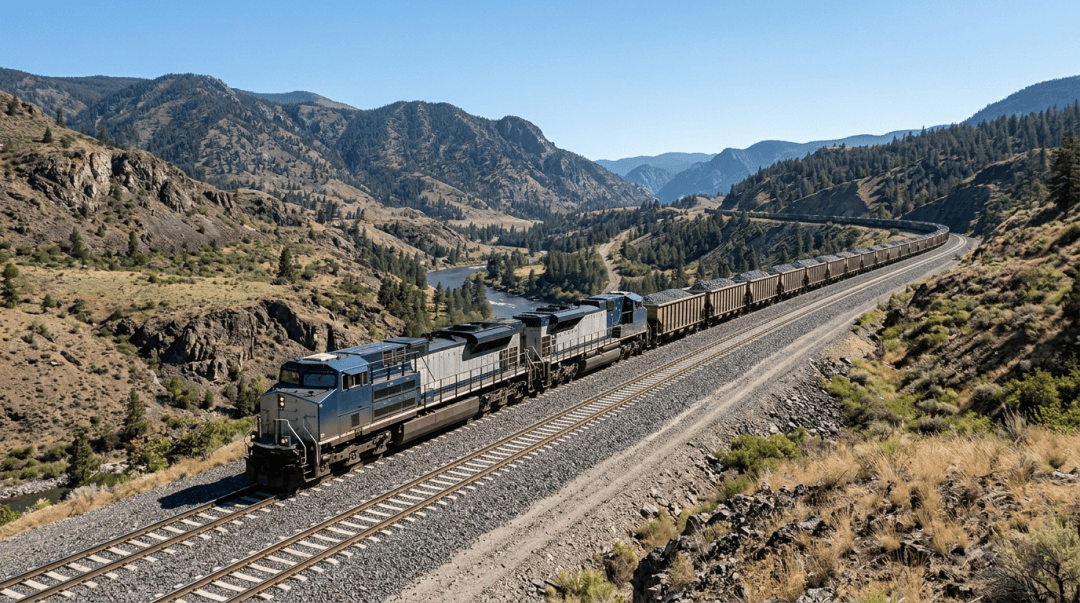
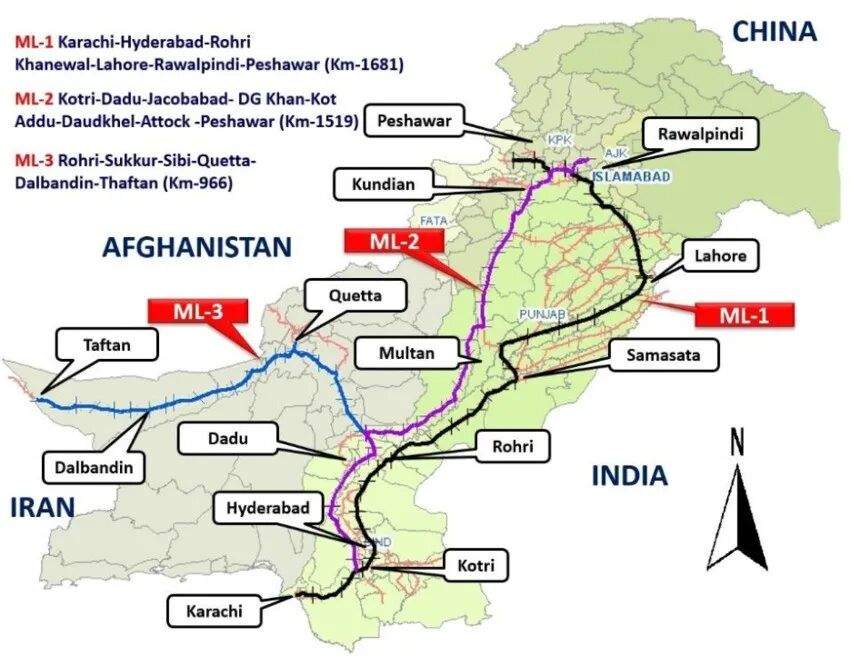
The ML-3 railway, spanning approximately 996 kilometers and connecting Rohri, Sibi, Quetta, and Koh-e-Taftan, is a vital component of Pakistan's western railway transport network. Currently, some sections of the ML-3 line have poor infrastructure, with a maximum operating speed of only 15 km/h. The Quetta-to-Taftan section operates only about two freight trains per month, struggling to meet mineral export transport demands. To handle export freight traffic destined for Gwadar and Karachi ports, the ML-3 railway needs to increase its maximum speed to 100 km/h and enhance freight capacity. The upgrade project primarily includes track renewal, embankment and bridge repairs, and the construction of 11 new stations between Spezand and Taftan. The project is expected to be implemented in two phases: Phase I, planned from 2026 to 2030, with an investment of approximately $585 million, focusing on critical infrastructure upgrades; Phase II, planned from 2031 to 2033, is estimated to cost $145 million.
Project financing and security issues remain challenging. The Pakistan Planning Commission noted that security costs alone during the construction phase are estimated at $162 million, accounting for about 17% of the total project cost. Due to multiple terrorist attacks and security incidents along the ML-3 route in recent years, the commission is concerned that long-term security arrangements after project completion are still inadequate. Additionally, the commission has warned of fiscal risks associated with the bridge loan model. Under the plan, the Government of Pakistan must fully repay the loan to RDMC by June 2028, potentially increasing fiscal pressure. The project also plans to secure financing through the Public Sector Development Programme (PSDP), but the PSDP budget for fiscal year 2026-2027 allocates only 250 million Pakistani rupees (approximately $900,000), far below the project's needs. The Pakistan Planning Commission stated that if funding sources are not secured in a timely manner, the project may face delays and could lead to significant cost overruns.
Related Products

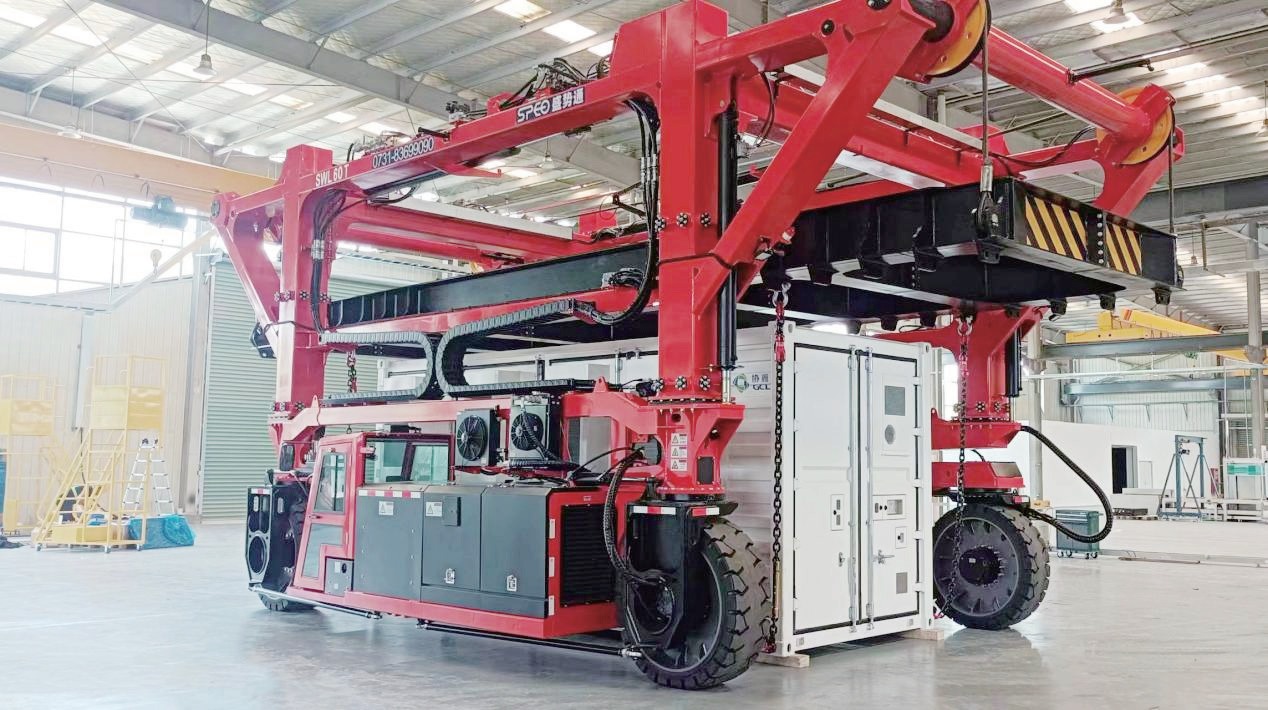

Wheel and Track Technology Business
Beijing Research & Design Institute of Rubber Industry Co., Ltd.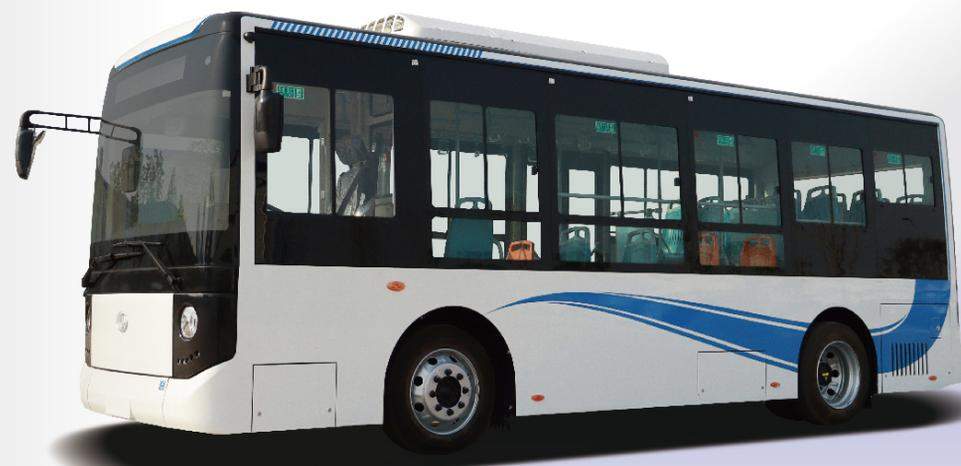
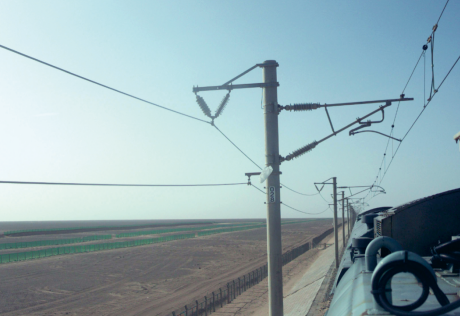
Pantograph-Catenary Comprehensive Detection Device (1C)
CHENGDU TANGYUAN ELECTRIC CO., LTD.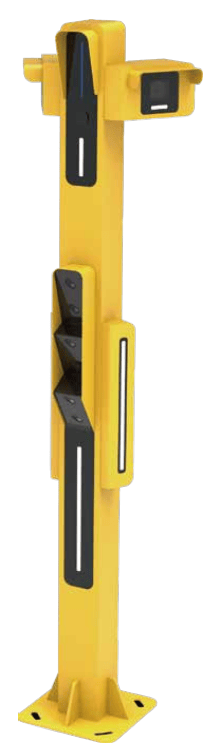


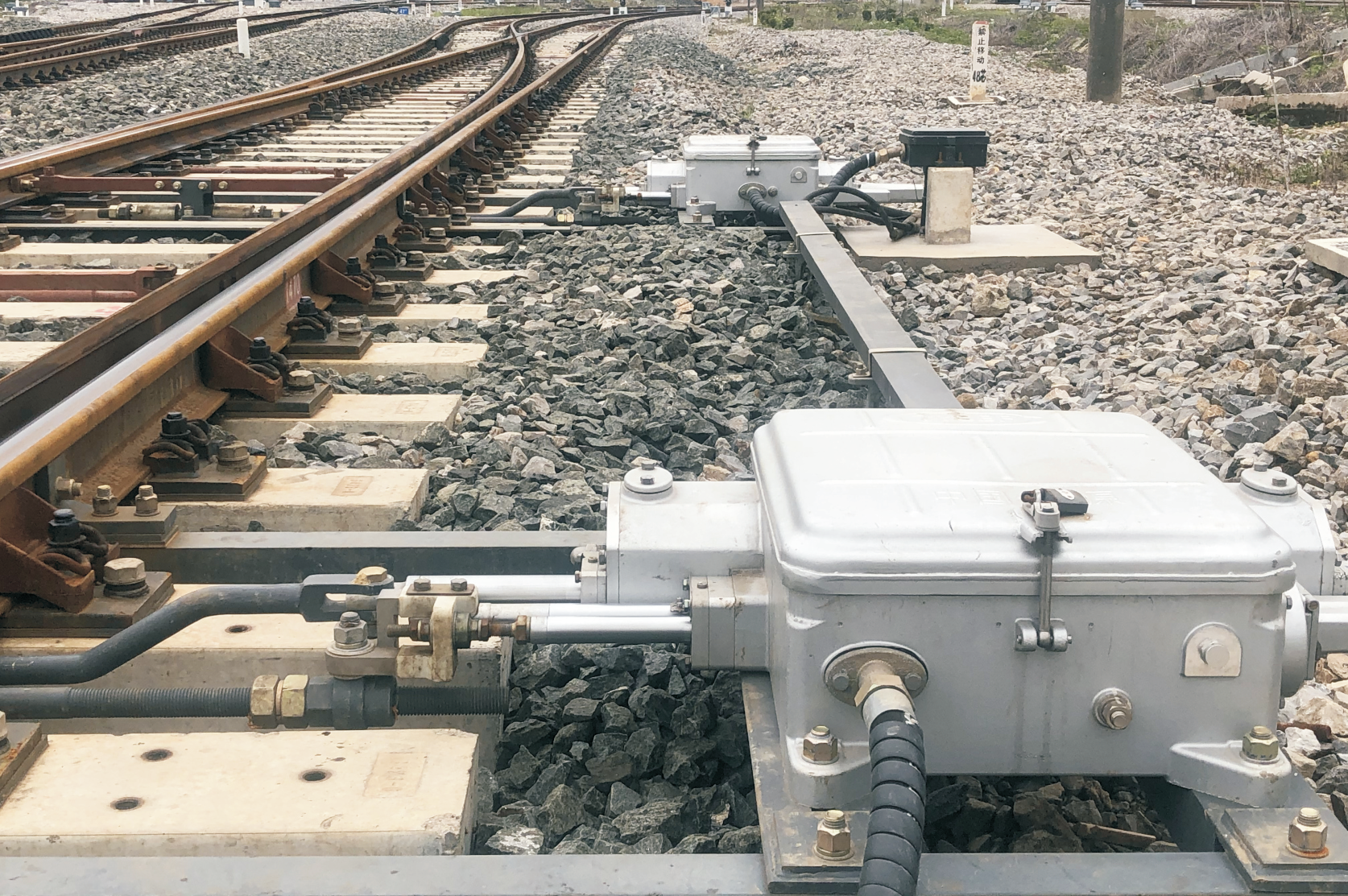
ZY(J)7(M) Sealed Type Electro-Hydraulic Turnout Machine
TAIYUAN CR JINGFENG EQUIPMENT TECHNOLOGY CO., LTD.