Kazakhstan's KTZ Express Completes Pilot Cross-Border Rail Transport of 182 Changan Vehicles
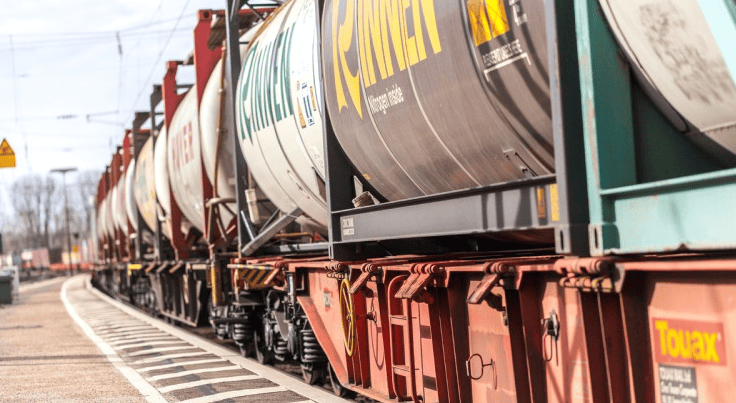
en.Wedoany.com Reported - KTZ Express, a logistics subsidiary of Kazakhstan Railways, recently completed a pilot project for vehicle transportation, using specialized containers to transport 182 Changan vehicles from Chongqing, China, via Kazakhstan to Russia. This verified the feasibility of a cross-border rail container transport solution for vehicles, also providing a new solution for China-Kazakhstan-Russia cross-border automotive logistics and the construction of the Eurasian international transport corridor.
KTZ Express announced that the company is participating in a pilot vehicle transport project on the international rail route from Chongqing, China, to Dostyk, Kazakhstan, and Vorsino, Russia. The project is jointly implemented by China Railway Container Transport Co., Ltd. (CRCT), Yuxinou (Chongqing) Logistics Co., Ltd., and KTZ Express. This train carried a total of 55 40-foot specialized vehicle transport containers, transporting 182 passenger cars of the Changan brand.
A highlight of this pilot is the use of new 40-foot general-purpose containers specifically designed for vehicle transport, with a single-container load capacity of 35 tons. Compared to traditional transport methods, these specialized containers can further improve vehicle loading efficiency, reduce the risk of cargo damage during transit, and expand the application scenarios of container logistics in the automotive industry.
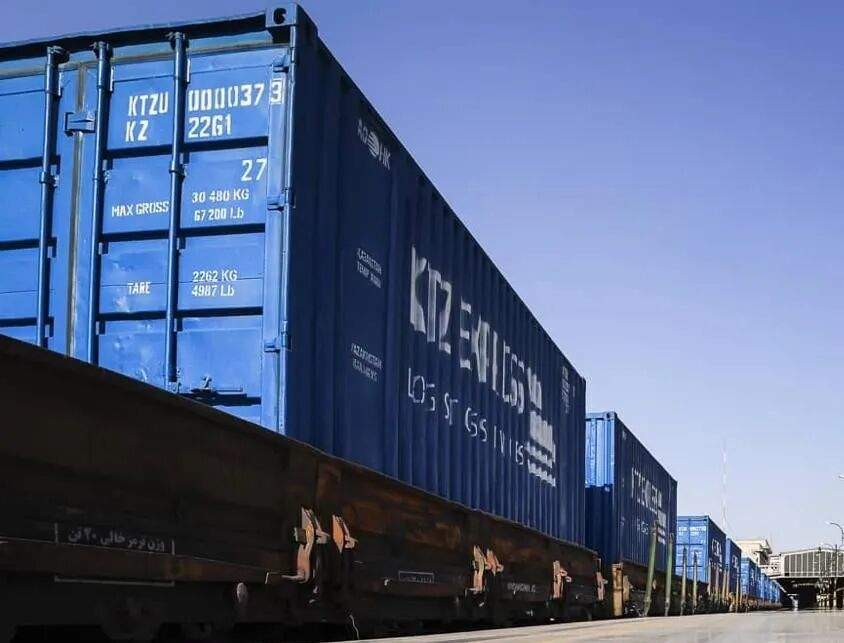
With the continuous growth of Chinese automobile exports, rail transport is becoming an important logistics method connecting China with the Eurasian market. Compared to traditional road and sea transport modes, rail transport offers certain advantages in timeliness, stability, and cross-border transport efficiency, especially in the export of vehicles from China to the Russian and Central Asian markets, where demand is steadily increasing. This pilot further strengthens the logistics links between China, Kazakhstan, Russia, and the Eurasian region, and also reflects KTZ Express's strategic layout to continuously improve its international logistics product system and expand its Eurasian transport service network.
Related Products



GSR6-27.5kV SF6 Free Gas-insulated Metal-enclosed Switchgear
Zhejiang Juhonkia Intelligent Electric Co., Ltd.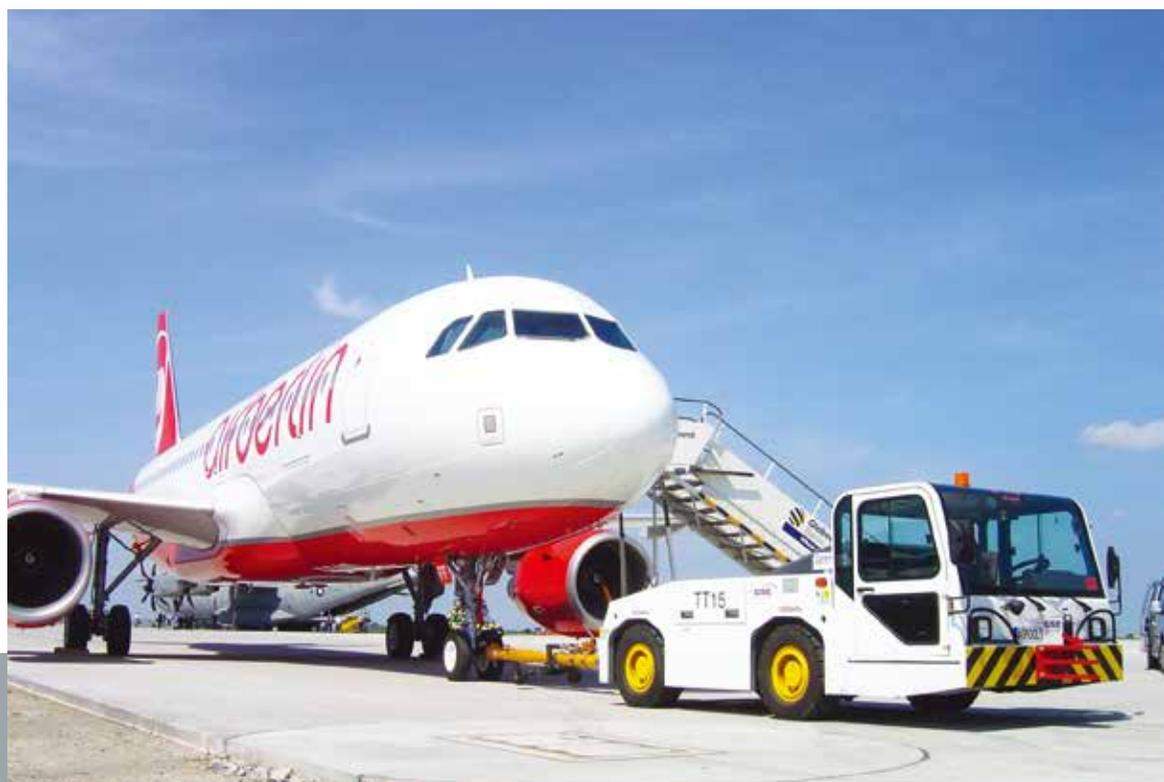
WGQY Series Aircraft Tow Tractor-WGQY15, WGQY27
Weihai Guangtai Airport Equipment Co., Ltd.
Industrial and Commercial Point-Type Gas Detector
Jinan Benan Technology Development Co., Ltd.

Wheel and Track Technology Business
Beijing Research & Design Institute of Rubber Industry Co., Ltd.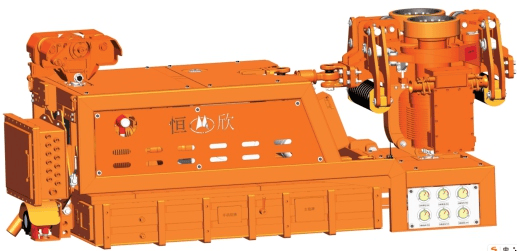
Explosion-proof lithium battery dispatching monorail crane locomotive (permanent magnet frequency conversion integrated machine)
Xiangtan Hengxin Industrial Co., Ltd.