XL Smart Indonesia Advances Full Base Station Fiberization
en.Wedoany.com Reported - Indonesian telecom operator XL Smart is advancing the fiberization of its base stations, planning to gradually connect existing telecom towers to fiber optic networks to enhance mobile network transmission speed, latency performance, and connection stability, providing underlying network support for AI agents, smart homes, industrial digitalization, and more connected devices.
Suresh Subramanian, Director and Chief Technology Officer of XL Smart Indonesia, recently stated that as the number of terminals and background connection tasks carried by communication networks continues to increase, traditional data networks primarily designed for mobile phone users are transitioning to a new type of connectivity infrastructure that simultaneously serves personal devices, smart terminals, and AI agents. In the future, a single user may use 3 to 5 AI agents simultaneously, which need to remain constantly online to check emails, answer calls, and perform other automated tasks. Any network latency or connection interruption will affect the response efficiency and service quality of these AI agents.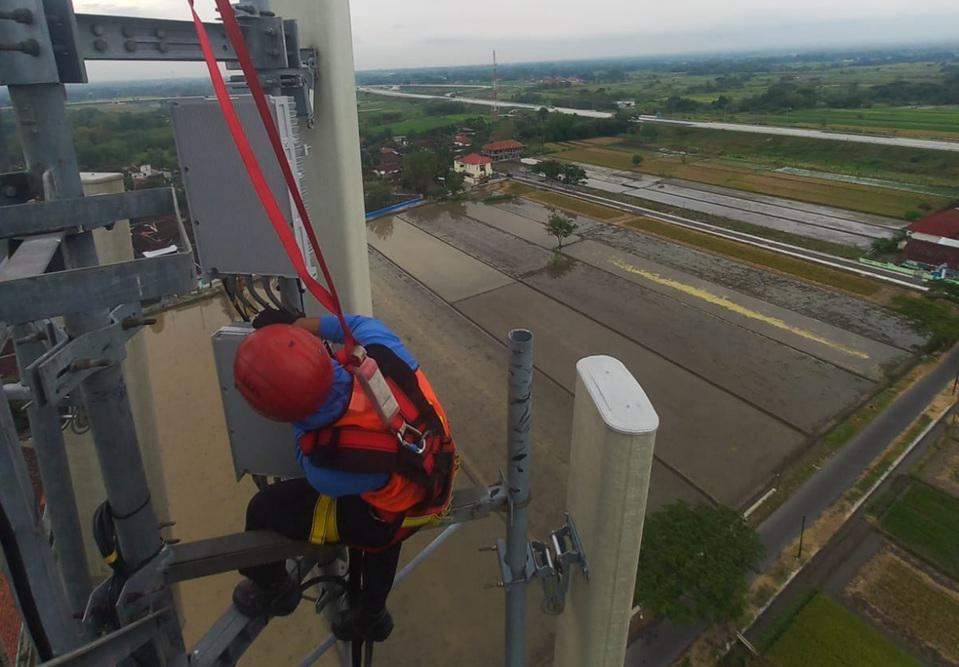
In this context, the transmission capacity between base stations and the core network has become a critical factor affecting mobile network performance. Compared to backhaul methods relying on microwave, fiber optic networks offer higher transmission capacity, lower latency, and more stable connection conditions. Therefore, XL Smart Indonesia has made base station fiberization a key direction for the next phase of network construction, promoting the connection of telecom towers to fiber optic networks to reserve network capacity for future mobile traffic growth and an increase in connected terminals.
XL Smart Indonesia currently serves approximately 69 million customers. As users shift from connecting a few terminals like phones and tablets to connecting smart TVs, home devices, connected toys, and cloud services, the number of connections the operator's network needs to support will grow significantly. Especially with AI agents running online continuously, network traffic will no longer be concentrated only during periods when users actively watch videos or use applications, but may transform into continuous data exchange among numerous devices and background programs, placing new pressure on base station backhaul, transport, and access networks.
Suresh believes that fiber optic infrastructure provides greater room for long-term network expansion. XL Smart Indonesia's push to connect all base stations to fiber optic networks is not only aimed at improving current user internet speeds but, more importantly, at strengthening the basic transmission capacity of the mobile network, enabling base stations to support more terminals online simultaneously and meet the low-latency and continuous connectivity requirements of AI applications.
Once base station fiberization is complete, XL Smart Indonesia's network coverage scope will extend from personal communication to home and enterprise scenarios. On the home front, smart home devices, smart TVs, cloud services, and connected toys all require stable network connections. For example, connected smart toys allow parents to remotely interact via voice and monitor children's activities; such devices typically need to stay online continuously, placing higher demands on network stability.
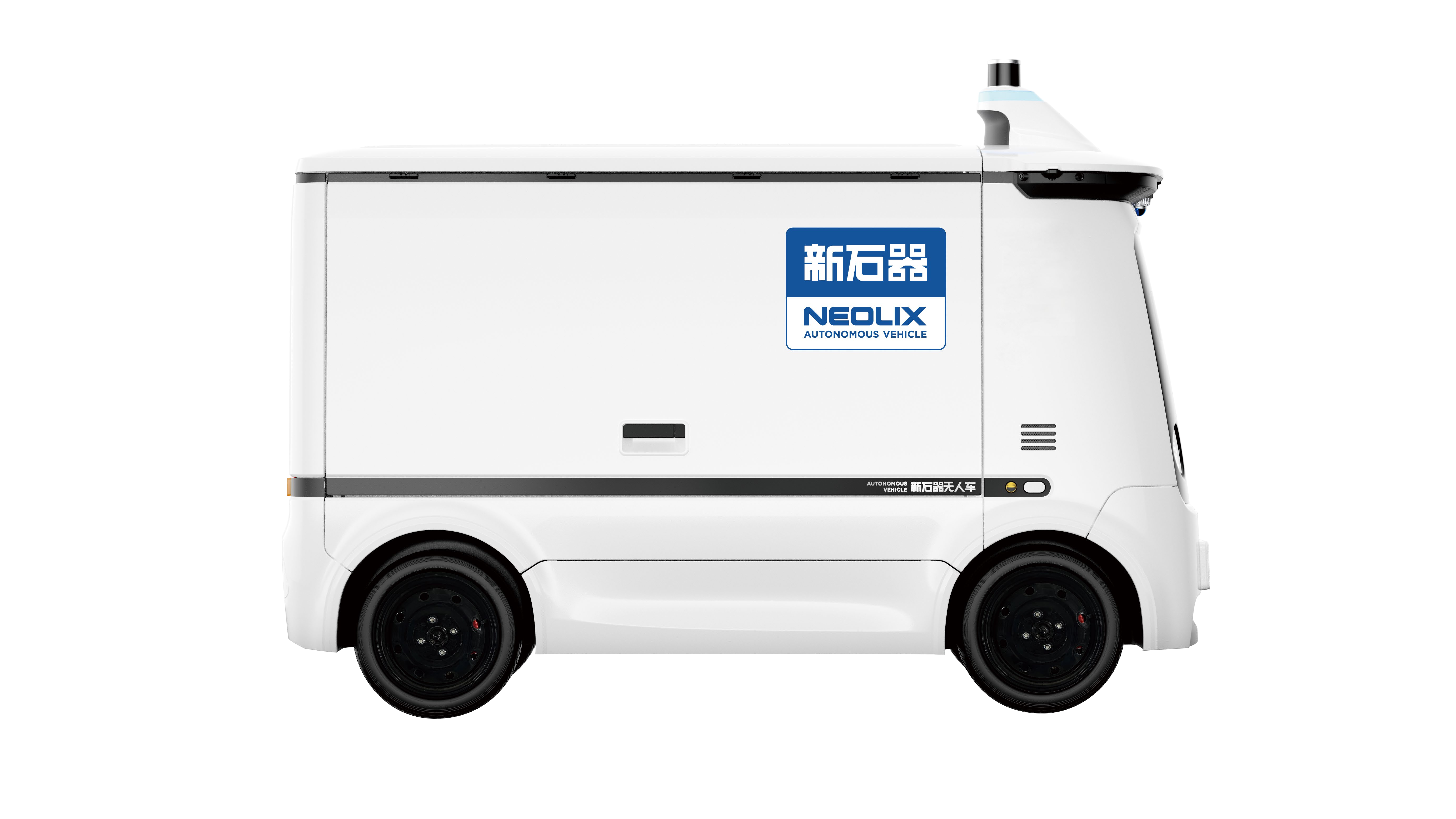
On the enterprise side, fiberized base stations and low-latency mobile networks can provide communication foundations for industrial scenarios like mines. Using the mining industry as an example, Suresh stated that the network can support autonomous mining trucks, safety monitoring, and digitalization of production operations. When autonomous vehicles operate in mining areas, they need to continuously transmit equipment status, environmental information, and control commands. Relying solely on ordinary Wi-Fi or a single wired connection is insufficient to meet communication needs in complex operational environments, thus requiring mobile networks and other connection methods to form dual guarantees.
XL Smart Indonesia has already demonstrated network service capabilities for smart mining scenarios, offering connectivity and digital support tailored to specific enterprise needs. As base station fiberization progresses, the focus of its network construction will no longer be limited to expanding mobile signal coverage but will shift to further enhancing base station backhaul capacity, network response speed, and industrial scenario support capabilities, providing infrastructure conditions for autonomous mining trucks, smart production equipment, and enterprise digital operations.
From a construction logic perspective, AI agents are not the sole goal of this network upgrade but represent one of the new demands driving network expansion. By advancing base station fiberization, XL Smart Indonesia is gradually upgrading its mobile communication network from a connection system oriented towards mobile phone traffic into a comprehensive digital infrastructure that simultaneously supports individual users, smart devices, and industrial applications.
Related Products