en.Wedoany.com Reported - MEMSIC participated as a strategic partner in the closed-door in-depth exchange meeting "AI and Going Global: The Second Growth Curve for Enterprises" organized by the Automobile Industry Association of Peking University's National School of Development (NSD). Gao Rui, Vice President of the company, shared insights on industrial opportunities in the AI era and global expansion strategies. The event was held on July 12 at Chengze Garden, NSD, Peking University.
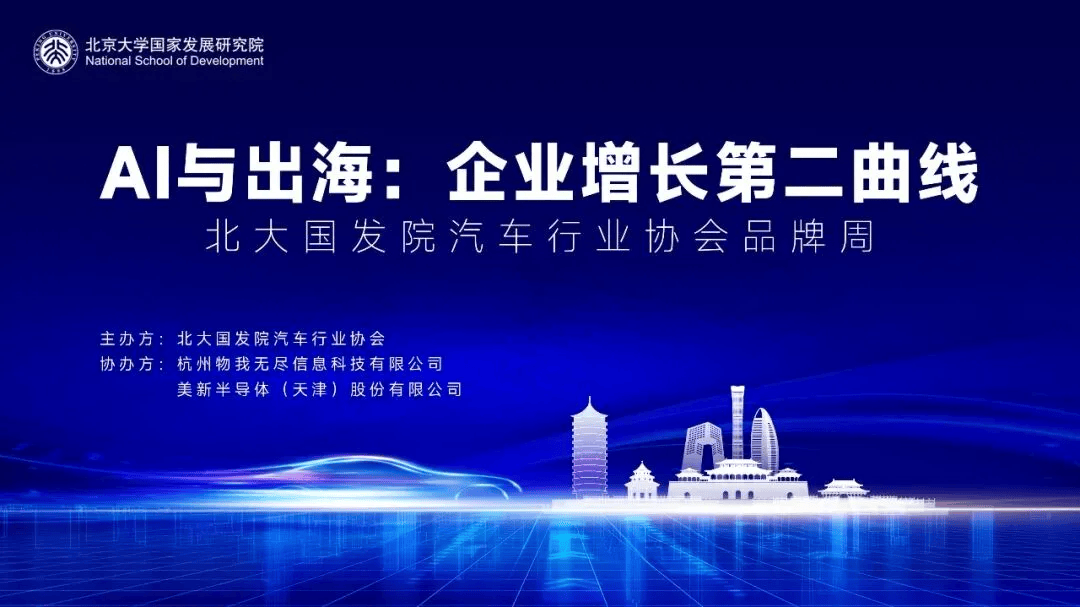
The exchange meeting focused on core topics such as AI, going global, and the second growth curve for enterprises, with in-depth discussions centered on global industrial cycle changes, the reshaping of industrial organization and business models by AI technology, and the pathways for Chinese enterprises' global operations. The event brought together scholars from NSD, representatives from the automotive industry chain, and industry guests. Through small-scale, high-quality closed-door exchanges, it fostered intellectual collision and resource connections among academia, industry, and business leaders.
Peking University's National School of Development (NSD) is a multidisciplinary comprehensive school based on economics, integrating teaching, research, and think tank functions. In 2015, it was selected as one of China's first batch of high-end think tanks. The NSD Automobile Industry Association is a professional alumni organization focused on the development of the automotive industry, dedicated to building a platform for alumni exchange and resource sharing within the automotive sector.
In his remarks, Gao Rui represented MEMSIC in the exchange, sharing the company's focus on industrial opportunities in the AI era, global expansion, and automotive intelligence trends, drawing on MEMSIC's long-term technological accumulation and industrial practice in the MEMS sensing field. In recent years, MEMSIC has been continuously advancing product and solution deployment across scenarios including automotive, industrial, consumer electronics, smart home, medical, and wearable devices.
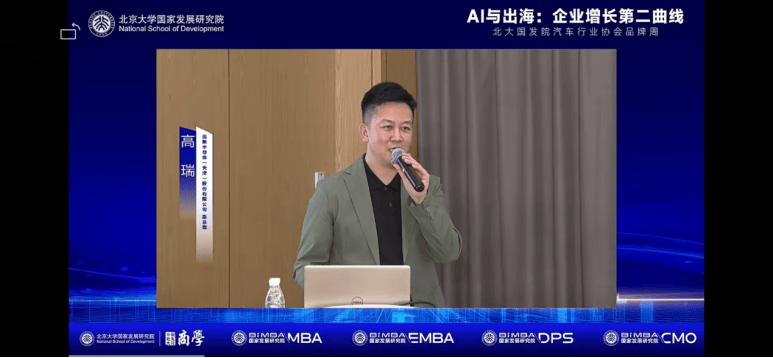
Gao Rui stated that AI is moving from technological innovation to deep industrial integration, with fields such as automotive, robotics, smart terminals, and industrial equipment becoming key scenarios for AI implementation. In this process, sensors, as critical interfaces connecting the physical world with intelligent systems, will play an increasingly important foundational role in enabling smart devices to perceive their environment, understand motion, and achieve interaction and control.
Gao Rui pointed out that industrial opportunities in the AI era are not only reflected in computing power and algorithms but also in the systematic upgrade of underlying capabilities such as perception, control, and execution. With the accelerated development of automotive intelligence, humanoid robots, and AI terminals, MEMS sensors are evolving from traditional functional components to foundational capabilities of intelligent systems. For sensor companies, product reliability, mass production capability, scenario adaptability, and continuous innovation will be key to supporting long-term industrial development.
Regarding the second growth curve for enterprises, Gao Rui stated that in the face of global industrial restructuring and a new wave of technological change, Chinese semiconductor companies must both achieve breakthroughs in core technologies and continuously enhance their global service capabilities. MEMSIC will continue to focus on customer needs and application scenarios, promoting the deployment of MEMS sensing technology in more intelligent terminals and industrial settings, leveraging technological innovation and industrial collaboration to help customers build future-oriented competitiveness.
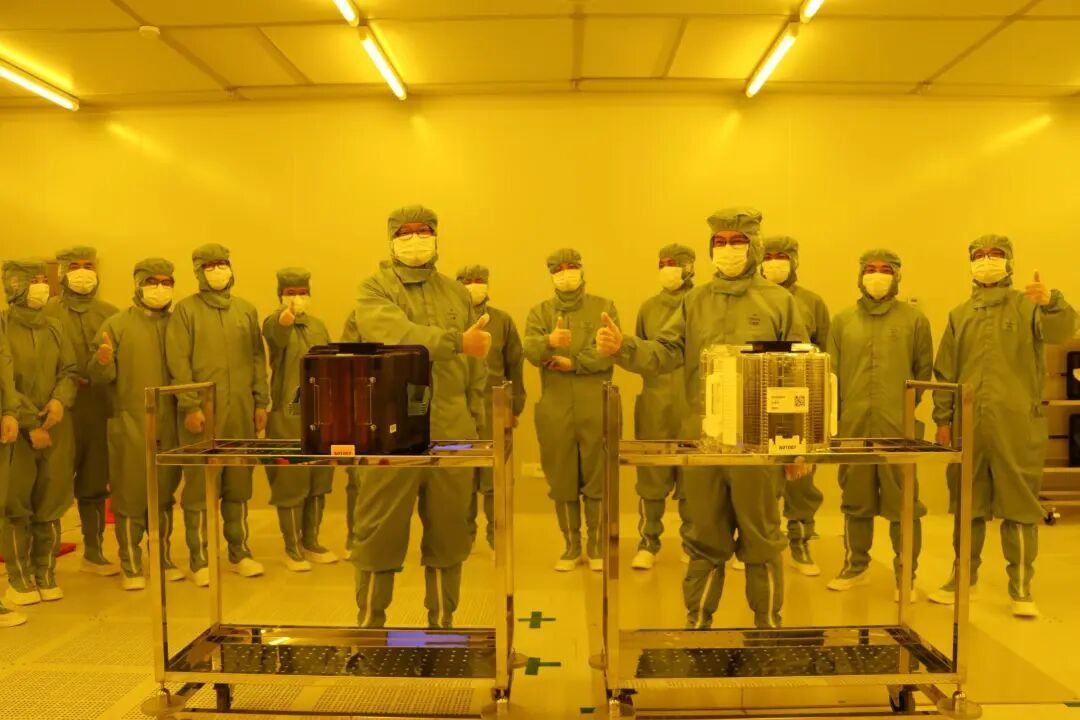
Founded in 1999, MEMSIC has over 20 years of experience in MEMS sensor R&D and production. It has manufacturing and R&D facilities in China, Europe, and the United States, with a sales network covering Asia-Pacific, Europe, the Americas, and Africa. The company provides one-stop solutions ranging from MEMS sensing chips, software algorithms, to application solutions. Its main mass-produced products include thermal accelerometers, capacitive accelerometers, AMR geomagnetic sensors, low-power Hall switches, and six-axis IMUs, widely used in automotive, industrial, medical, wearable, smart home, and consumer electronics fields. In the automotive sector, MEMSIC has been supplying global automotive customers in volume for over 27 years, with products covering automotive safety markets such as electronic stability control, electronic braking, rollover prevention, and active suspension systems. As the automotive industry enters a new phase of intelligent, software-driven, and global competition, the importance of underlying sensing technology is becoming increasingly prominent.
Participating as a strategic partner in the NSD Automobile Industry Association Brand Week event represents an important practice for MEMSIC in continuously connecting industry-academia-research resources and staying attuned to cutting-edge industrial trends. In the future, MEMSIC will continue to leverage its MEMS sensing technology, mass production capabilities, and global service network to enhance core technological and industrial collaboration capabilities, targeting emerging scenarios such as automotive intelligence, AI terminals, robotics, and industrial applications, and exploring long-term growth paths in the intelligent era together with its partners.