UK SuperDielectrics Extends Water-Based Zinc Battery Cycle Life by 13 Times
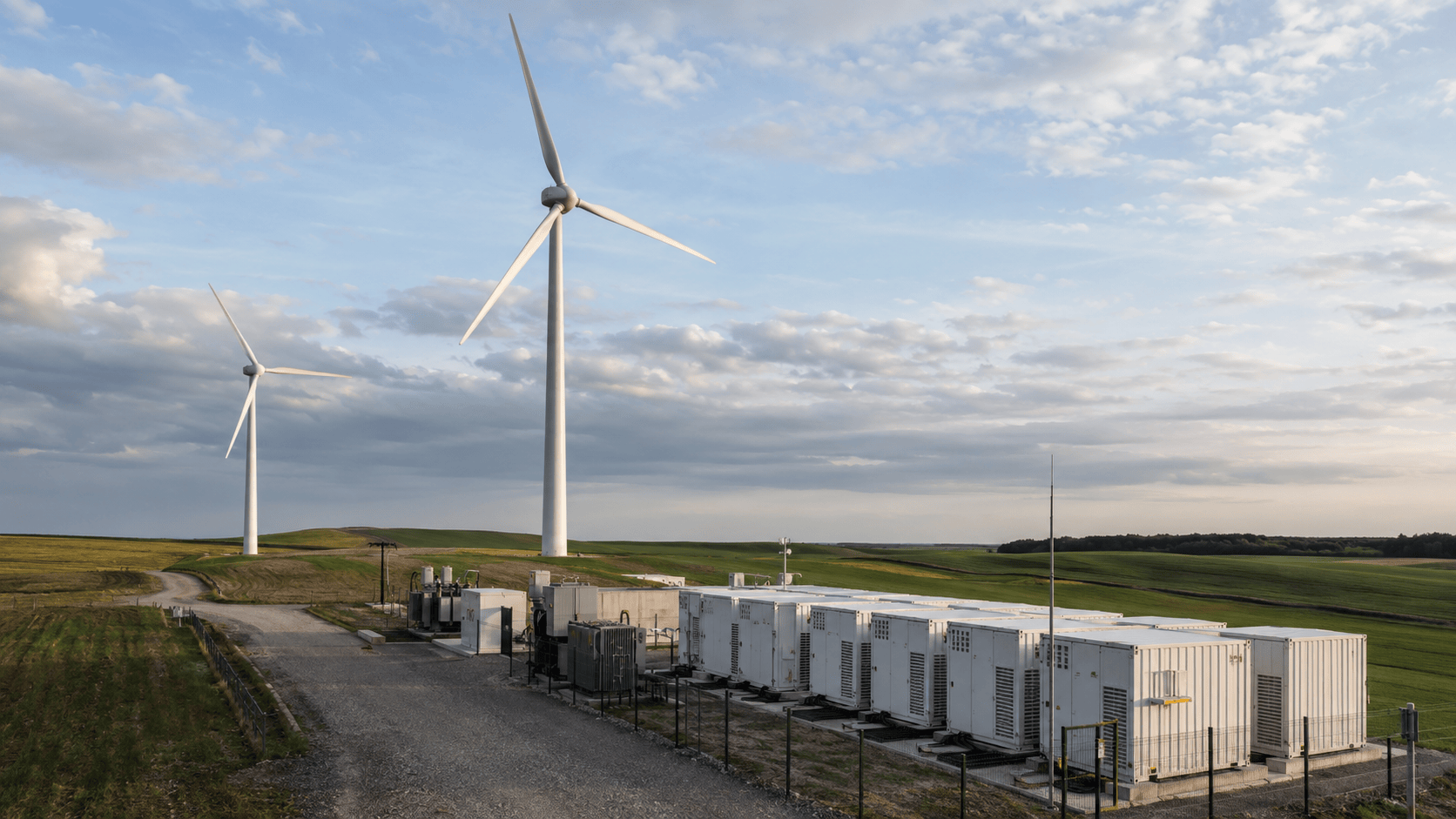
en.Wedoany.com Reported - Cambridge Advanced Battery Technology company SuperDielectrics has released independent test results for its water-based zinc battery. The test data shows that the battery's lifespan under high-power cycling is extended by up to 13 times, with no risk of thermal runaway, and its charge-discharge performance surpasses that of lithium-ion batteries. SuperDielectrics positions this technology as a potential solution for power issues in AI data centers.
The company's core innovation is a patented polymer separator that combines fast ion transport with the safety of an aqueous electrolyte system. The battery uses zinc as a material, which is abundant, helping to reduce battery costs, decrease reliance on geopolitical and supply chain vulnerabilities, and facilitate large-scale production. SuperDielectrics Chief Technology Officer Shelley Brown stated that this energy storage solution is designed for high-power, fast-cycling applications and can replace lithium-ion systems. Unlike lithium-ion batteries, this battery can be safely deployed inside data centers, whereas lithium-ion solutions typically require off-site deployment due to fire risks. AI data centers must withstand significant peak power fluctuations when performing certain computing tasks; frequent charge-discharge cycles accelerate performance degradation in lithium-ion batteries, and their charge-discharge speed is inferior to that of zinc-based batteries. SuperDielectrics noted that data centers often purchase lithium-ion batteries with capacity exceeding actual demand to avoid excessive wear, while zinc-based batteries can reduce such redundant configurations. However, zinc batteries typically compromise on energy density, and SuperDielectrics has not disclosed the specific capacity parameters of its battery. Additionally, Chinese research teams and the automotive industry are exploring alternative technologies such as sodium batteries, which have shown some success under extremely low-temperature conditions.
Related Products

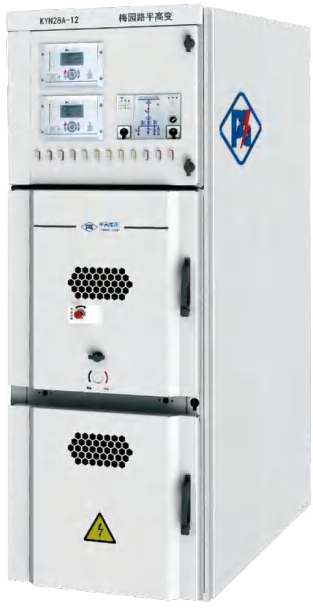
KYN28A-12 Metal Armored Removable Switchgear
Tianjin Ping Gao Intelligent Electric Co., Ltd.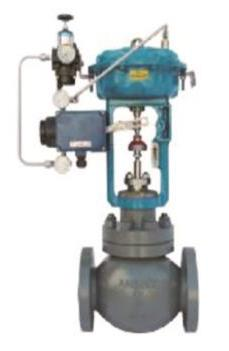
Quick-Change Single-Seat Control Valve / Quick-Change High-Pressure Single-Seat Control Valve
Beijing Consen Automation Technology Co., Ltd.
Industrial and Commercial Point-Type Gas Detector
Jinan Benan Technology Development Co., Ltd.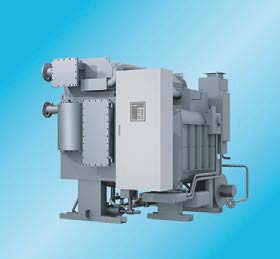
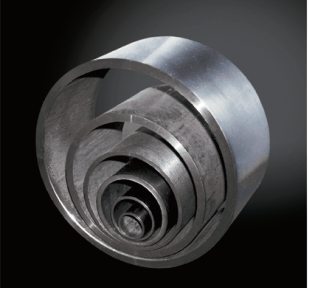
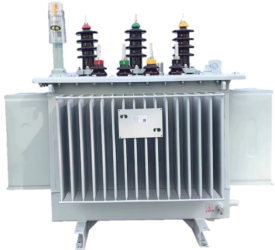
Oil-immersed Amorphous Alloy Core Distribution Transformer
Pinggao Group Smart Electric Co., Ltd.