In 2026, Flinders University in Australia Develops Zinc-Iodine Battery Capable of Over 60,000 Cycles
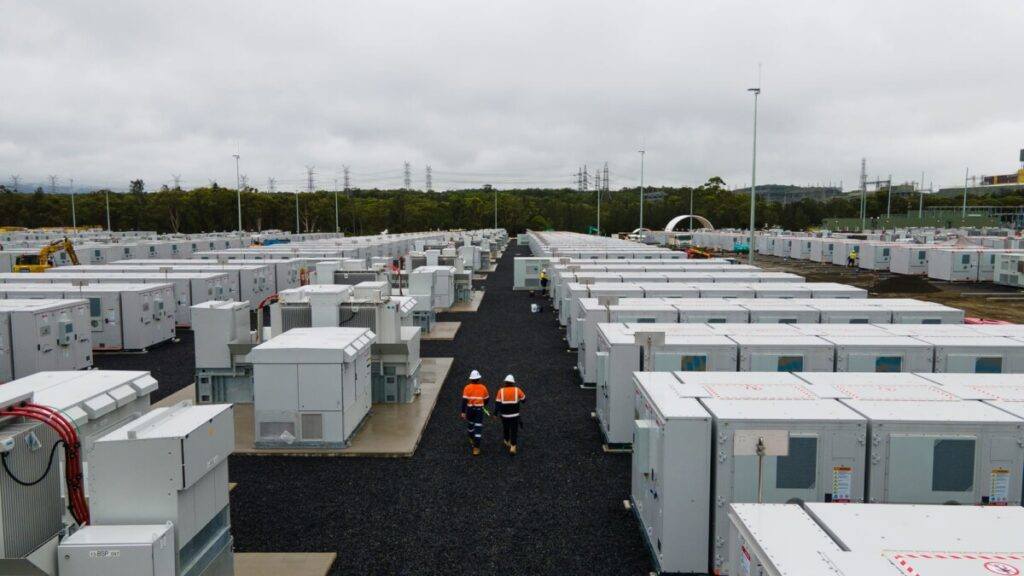
en.Wedoany.com Reported - Researchers at Flinders University, in collaboration with industry partners, have developed an energy storage system prototype based on their aqueous zinc-iodine battery (AIZB) design, which can be charged and discharged more than 60,000 times.
The battery design aims to serve as an alternative to large-scale lithium-ion batteries, employing a low-cost polymer derived from organic cyclodextrin to store and control key chemicals, enabling fast charging while maintaining stable performance. The research team reported that when fully charged in 7 minutes, the battery can operate at a voltage of 1.3 to 1.4 V with a capacity of 200 mAh/g, sustaining over 8,000 cycles; when charged in just 3 minutes, it operates at a capacity of 150 mAh/g for more than 60,000 cycles. Cyclodextrin, whose structure resembles a cage and is commonly found in food, pharmaceutical, and cosmetic ingredients, can lock iodine compounds in place, preventing them from interfering with battery operation.
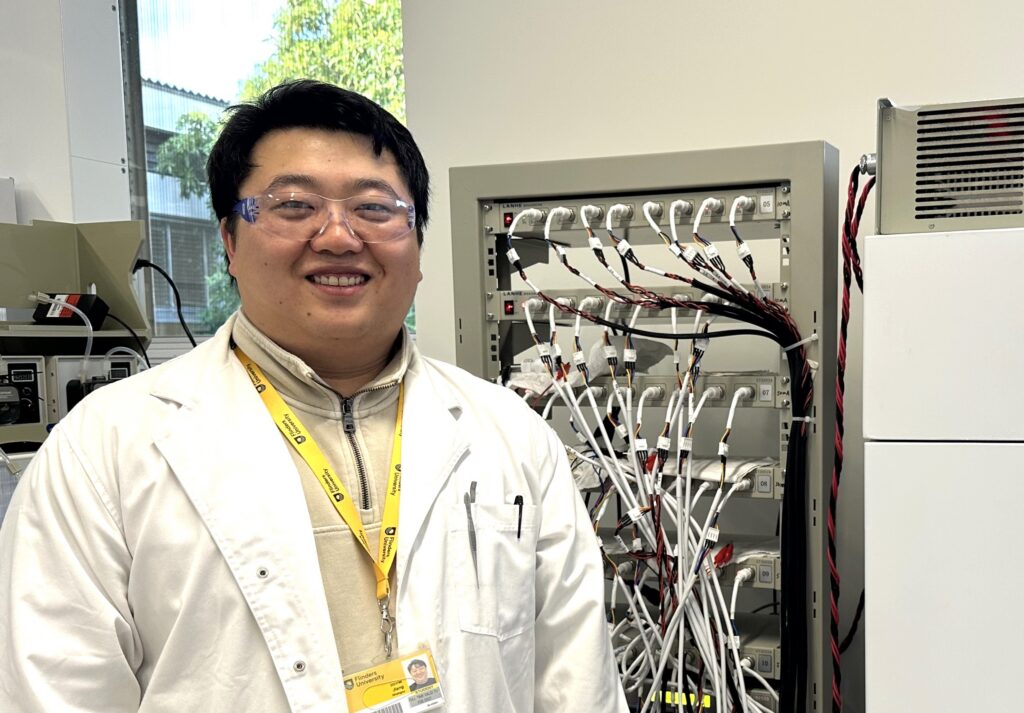
Dr. Zhongfan Jia, Matthew Flinders Research Fellow and Associate Professor of Chemistry at the College of Science and Engineering at Flinders University, stated that iodine is an effective rechargeable battery material with the potential to store high energy relative to its weight, approximately 211 mAh/g (milliampere-hours per gram). He noted that one of the biggest challenges facing this battery technology is preventing iodine species from migrating within the battery to areas where they should not go. "This system offers a new approach to mitigating the polyiodide shuttle effect by using polymers derived from inexpensive, biodegradable materials, making sustainable and long-lasting aqueous zinc-iodine batteries possible."
Australia holds the world's largest zinc reserves, accounting for 20% to 28% of the global total. The research team believes this enables AIZB to address global resource shortages and supply cost issues associated with the growing demand for and consumption of lithium-ion batteries, while utilizing low-cost and widely available materials. Shangxu Jiang, a Ph.D. student in Sustainable Polymers for Energy and the Environment at Flinders University and co-first author of the paper, stated that as a top global producer and exporter, Australia can leverage these zinc resources to achieve safer energy storage, which holds significant implications for the country's energy manufacturing.
The related paper, "Sequestrating Polyhalide Anions in Polycyclodextrin for Long-Life Aqueous Zinc-Iodine Batteries" (2026), co-authored by Shangxu Jiang, Zhipeng Pei, Yanlin Shi, Kai Zhang, Justin M Chalker, Sara J Fraser-Miller, Michelle L Coote, and Zhongfan Jia, has been published in Angewandte Chemie International Edition.
Related Products
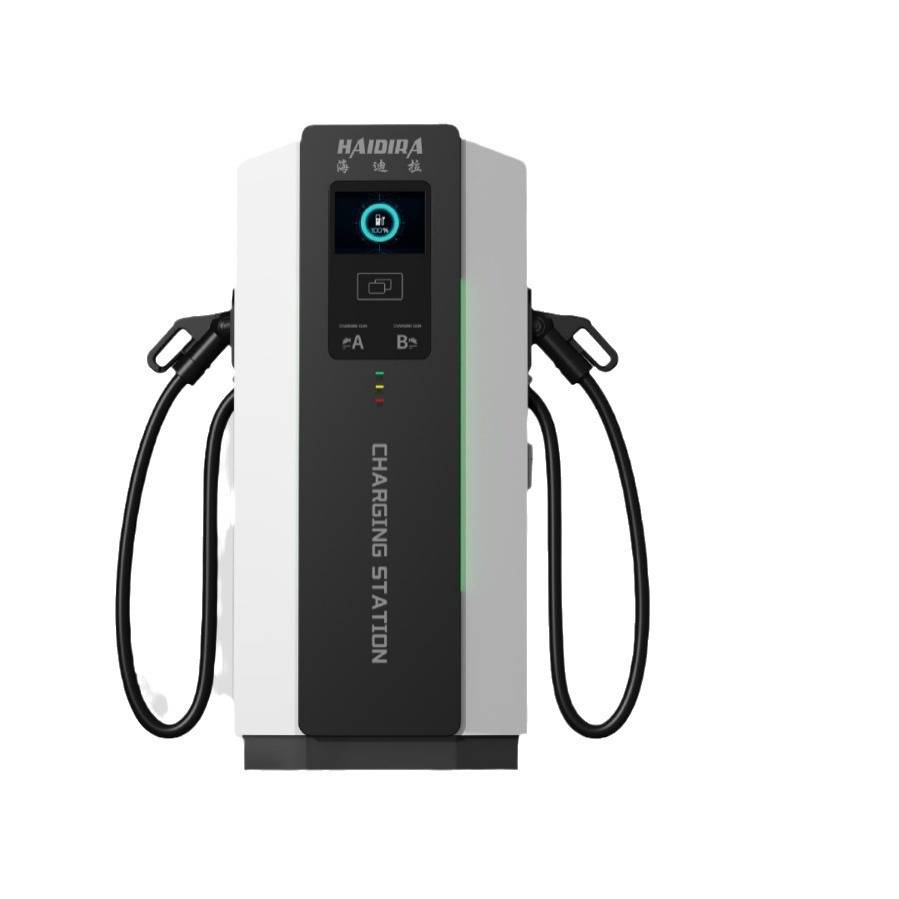

Manufacturer Direct Sales Tesla New Energy Electric Vehicle Universal DC 180kW Dual-gun Charging Pile Commercial Fast Charger
Anhui Haidira Electric Technology Co., Ltd.
0.66kV Power Supply Instrument Transformer
Guangdong Sihui Instrument Transformer Works Co., Ltd.
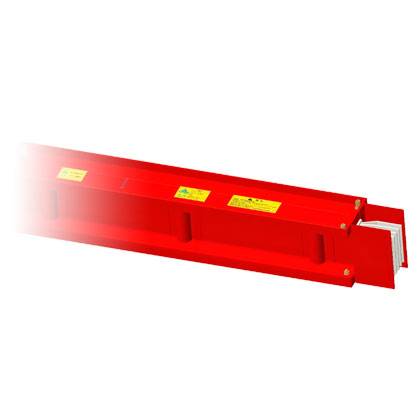
Mineral-insulated Compact Busway (Fire-resistant Busduct)
Zhuhai Guangle Electric Busway Co., Ltd.