Brazilian Development Bank Approves 100 Million Reais for Piauí Nickel Project
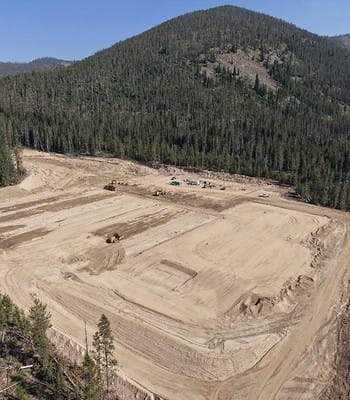
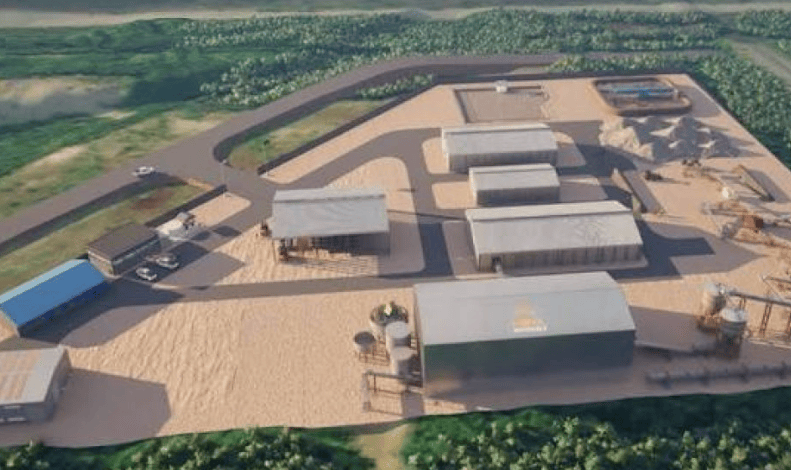
en.Wedoany.com Reported - The Brazilian Development Bank (BNDES) has approved 100 million reais in financing for Piauí Níquel Metais SA to purchase machinery, equipment, and industrial services needed to produce high-purity nickel and cobalt precipitates. The plant is located in the municipality of Capitão Gervásio Oliveira, in the state of Piauí, and its raw materials will be used in the electric vehicle, renewable energy generation, and aerospace industries.
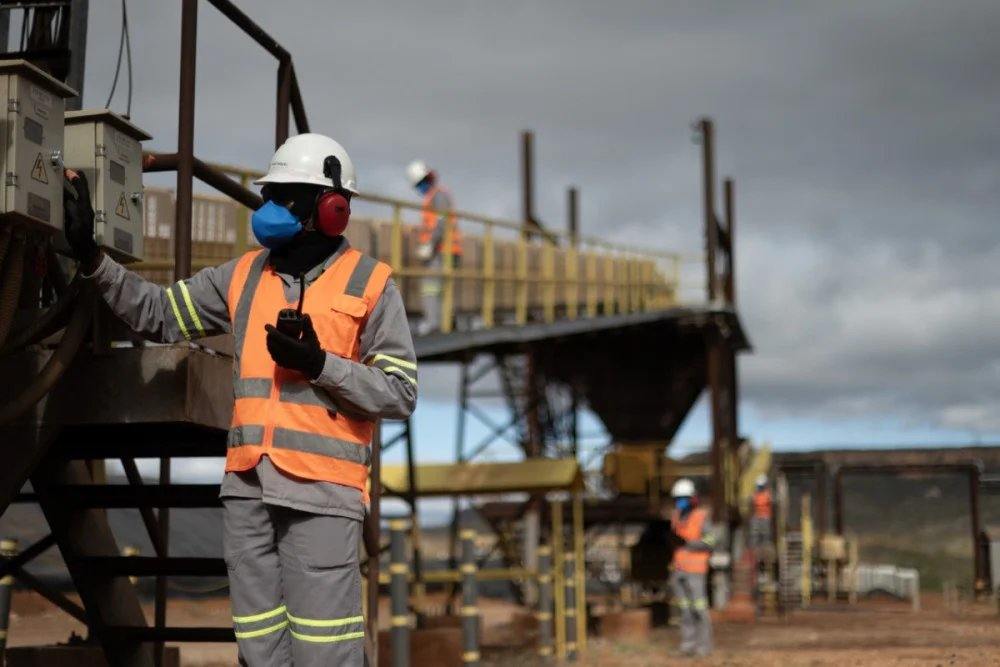
The funds come from BNDES's Machinery and Services credit line, which can be used to purchase domestically produced machinery, industrial systems, components, information technology and automation products, as well as domestic services and imported equipment with no domestic substitutes. BNDES President Aloizio Mercadante stated that the company's business plan is one of the projects selected under the Strategic Minerals Transformation Investment Public Call launched in 2025 by BNDES and the Brazilian Research and Project Financing Agency (Finep).
Piauí Níquel is a subsidiary of Brazilian Nickel Limited, established in Brazil, primarily producing high-purity nickel and cobalt precipitates. Its core product is Mixed Hydroxide Precipitate (MHP), an intermediate product used to manufacture components for lithium-ion batteries in electric vehicles, or as raw material for stainless steel and other alloys. Beyond batteries, nickel and cobalt are considered critical minerals, essential for manufacturing wind turbines and energy storage systems.
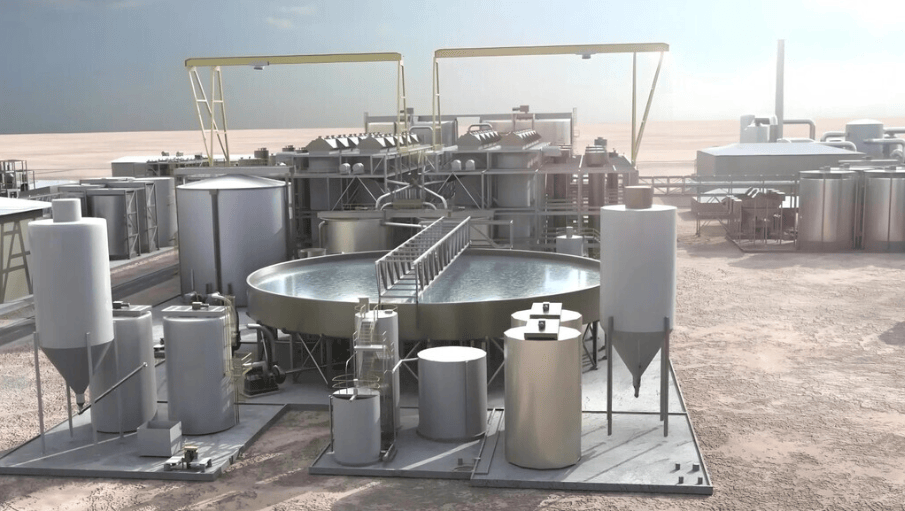
Brazilian Nickel CEO Mark Travers stated that the world needs supply chain diversification, and the Piauí Nickel project will position Brazil as a competitive and responsible global supplier. The project is expected to produce 27,000 tons of nickel and 900 tons of cobalt annually, with production slated to begin in 2028. During the operational phase, planned to start in 2029, the ore will undergo purification and direct precipitation processes, causing nickel and cobalt to co-precipitate as a wet solid, i.e., MHP. This product, with an average nickel content of 48% to 50% and cobalt content of 2%, will be sold to the global market. The heap leaching process is classified as low-carbon technology due to high water recirculation rates, low energy intensity, low emissions, and low solid waste generation. Negotiations with the bank were advised by Alvarez & Marsal Infra.
Related Products

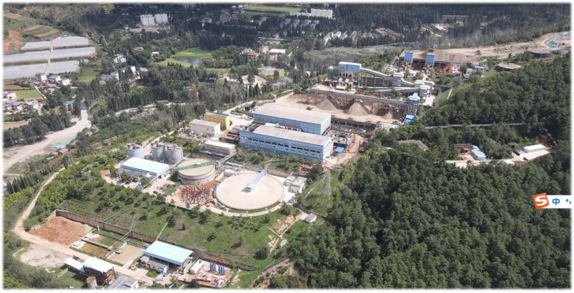
Yunnan Phosphorus Chemical Group Co., Ltd. 2 Million t/a Phosphorus Ore Mining and Beneficiation Project
China Bluestar Lehigh Engineering Corporation



Comprehensive Mining Automation Control System
Beijing Tianma Intelligent Control Technology Co., Ltd.
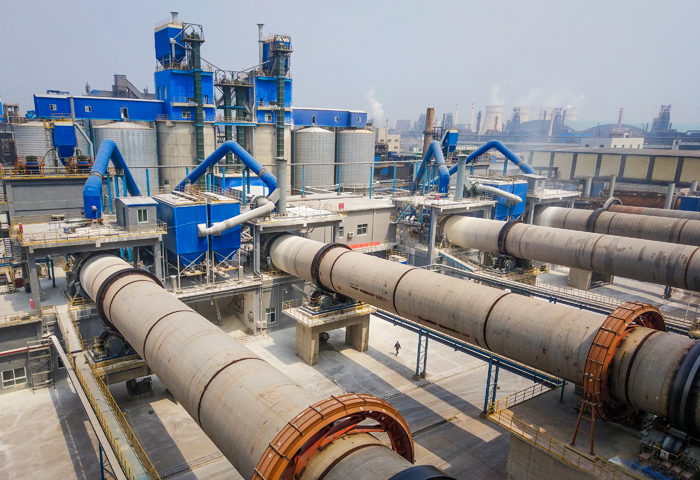
CITIC Heavy Industries Metallurgical Equipment Steel Smelting Engineering Equipment
CITIC Heavy Industries Co., Ltd.
High-temperature Equal Wall Thickness High-power Screw Drilling Tool
Orient Energy & Technologies Co., Ltd.
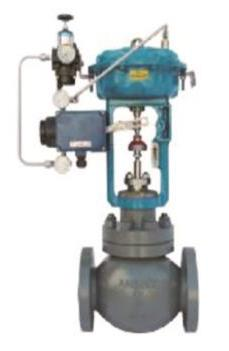
Quick-Change Single-Seat Control Valve / Quick-Change High-Pressure Single-Seat Control Valve
Beijing Consen Automation Technology Co., Ltd.