Monash University Launches Critical Minerals Initiative to Address Processing Capacity Challenges
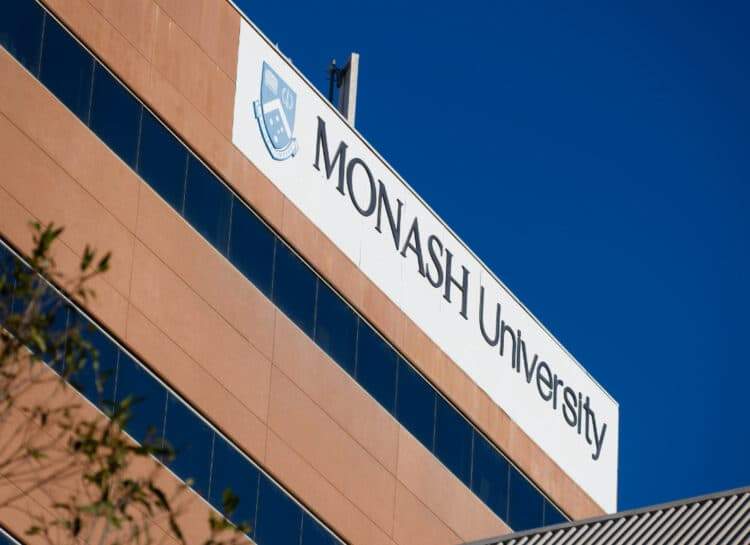
en.Wedoany.com Reported - Monash University in Australia has launched the Monash Critical Minerals Initiative (MCMI), bringing together over 40 researchers from the Faculty of Business and Economics, Faculty of Science, Faculty of Engineering, and Faculty of Arts to address Australia's challenges in critical minerals processing capacity.
The university stated that amid surging demand for critical minerals and intensifying geopolitical competition, the initiative will leverage the country's existing reserves. It noted that exploration rates have declined, while processing capacity remains highly concentrated overseas, and domestic capacity is fragmented across institutions and sectors.
Professor Russell Smyth, Deputy Dean and Professor in the Faculty of Business and Economics at Monash University, said this challenge cannot be solved by a single discipline. Smyth stated: "MCMI brings together cross-disciplinary expertise to help balance supply security with sustainability, ensuring that extraction, processing, and recycling are efficient and responsible. By leveraging Monash's extensive expertise in critical minerals, MCMI can tailor solutions to anticipate market volatility, mitigate geopolitical risks, and accelerate the transition to clean energy technologies."
Monash University said that given the International Energy Agency's forecast that demand for critical minerals will double or even quadruple by 2040, MCMI, as an interdisciplinary initiative, aims to secure Australia's position in the global supply chain. The initiative covers the entire mineral value chain, from resource discovery and extraction technologies to environmental management, supply chain modeling, investment policy, and social license.
MCMI is structured around six research pillars, involving new mineral resources, future processing technologies, mine rehabilitation, environmental and social impact systems, policy and economics, and national security. The initiative will focus on materials such as rare earth elements, lithium, and cobalt, which are critical to technologies including electric vehicles, batteries, wind turbines, solar panels, and defense capabilities.
Professor Sankar Bhattacharya from the Department of Chemical and Biological Engineering in the Faculty of Engineering said the initiative positions Monash University as a leading center for critical minerals research in the Indo-Pacific region. Bhattacharya stated: "Our focus is on developing and rapidly translating fundamental science proof-of-concepts into future processing technologies that are both environmentally sustainable and economically viable. This confidence is supported by our publications and patents, which demonstrate our ability to extract critical metals from low-value waste and legacy waste from other industries."
Researchers will collaborate with multiple partners, including the Commonwealth Scientific and Industrial Research Organisation (CSIRO), Geoscience Australia, Resources Victoria, the International Energy Agency, and the ARC Research Hub for Carbon Utilisation and Recycling. Professor Andy Tomkins from the School of Earth, Atmosphere and Environment in the Faculty of Science believes this level of collaboration within the university and across industry partners represents an opportunity to make a difference. Tomkins stated: "For a long time, we have heard that climate change will lead to catastrophic changes. Now, we can start solving the problem by building the critical minerals pipeline needed for renewable energy infrastructure, electric vehicles, and advanced battery technologies."
Related Products
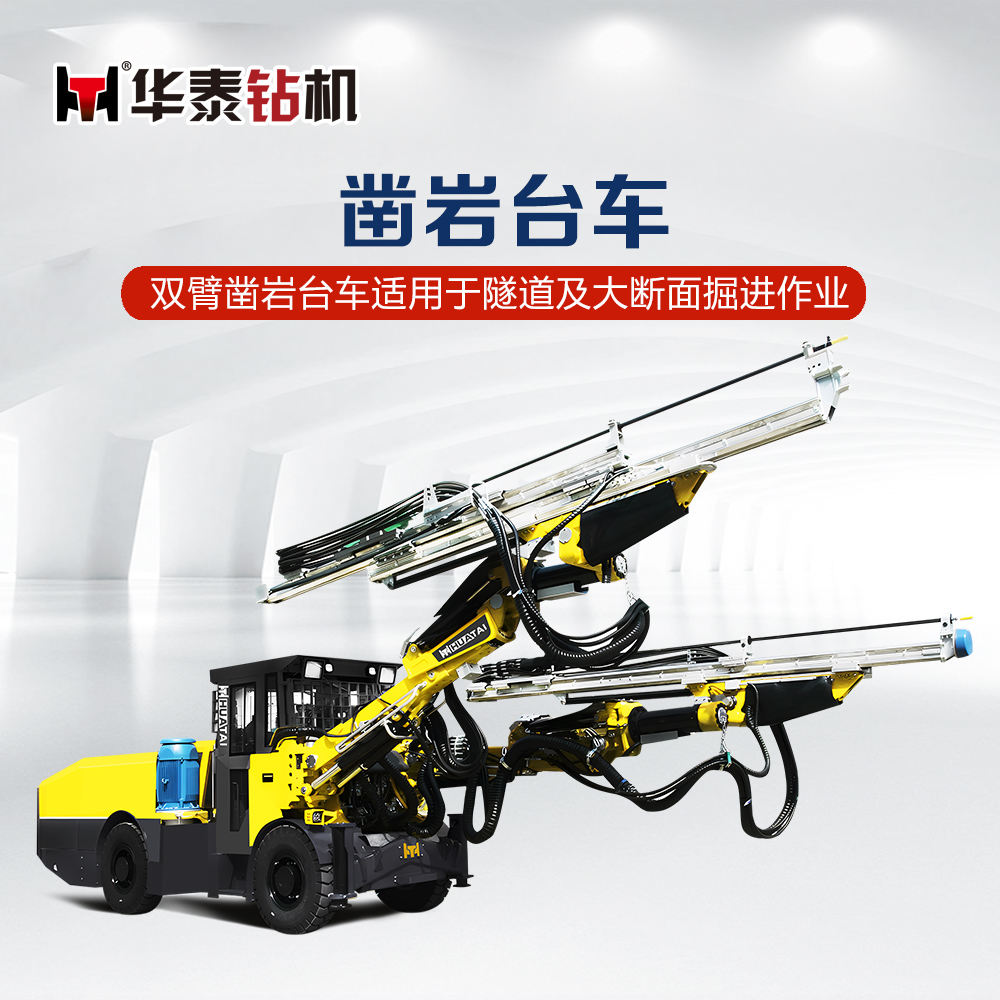

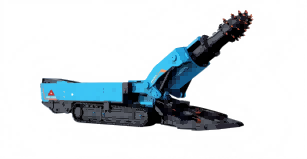
CYTJ45/2 Mining Hydraulic Tunneling Drill Rig
Zhangjiakou Xuanhua Huatai Mining and Metallurgical Machinery Co., Ltd.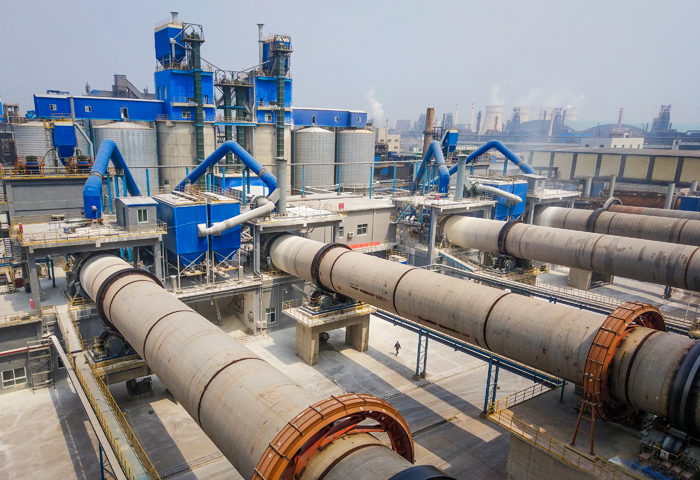
CITIC Heavy Industries Metallurgical Equipment Steel Smelting Engineering Equipment
CITIC Heavy Industries Co., Ltd.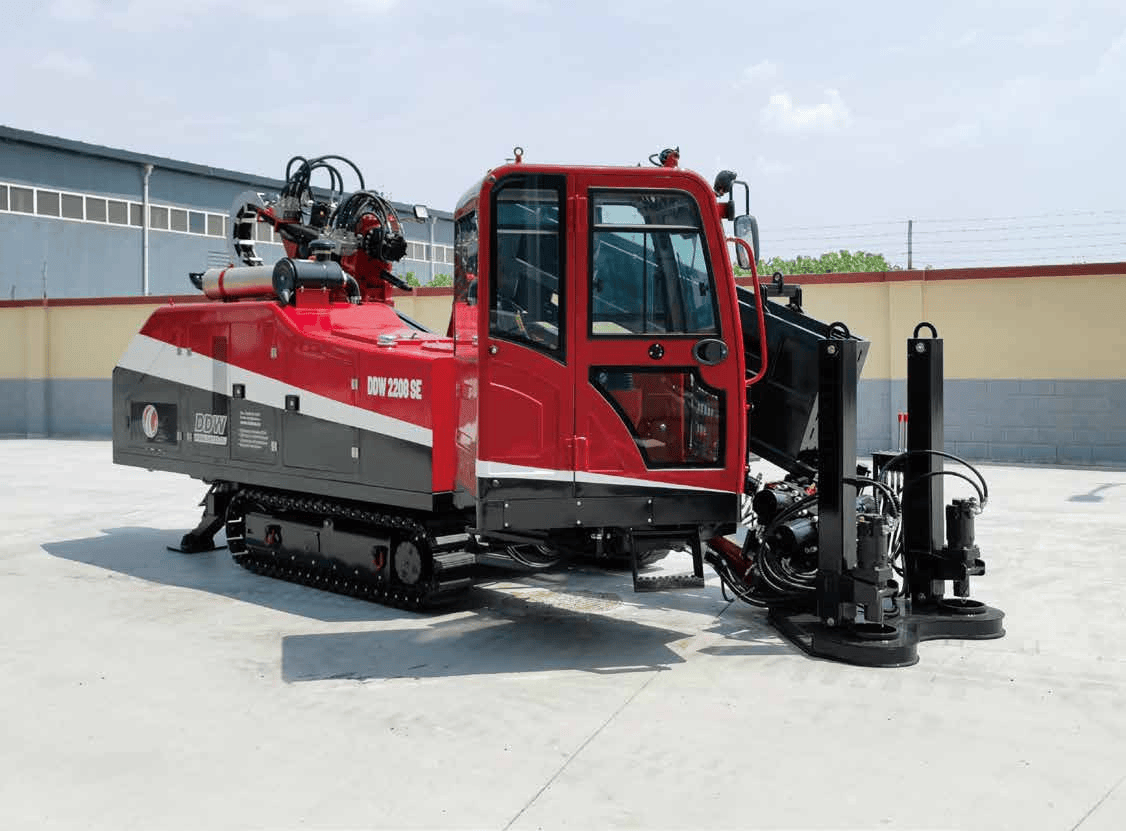
DDW22/08SE-HORIZONTAL DIRECTIONAL DRILL
DW/TXS Construction Equipment (Beijing) Co., Ltd.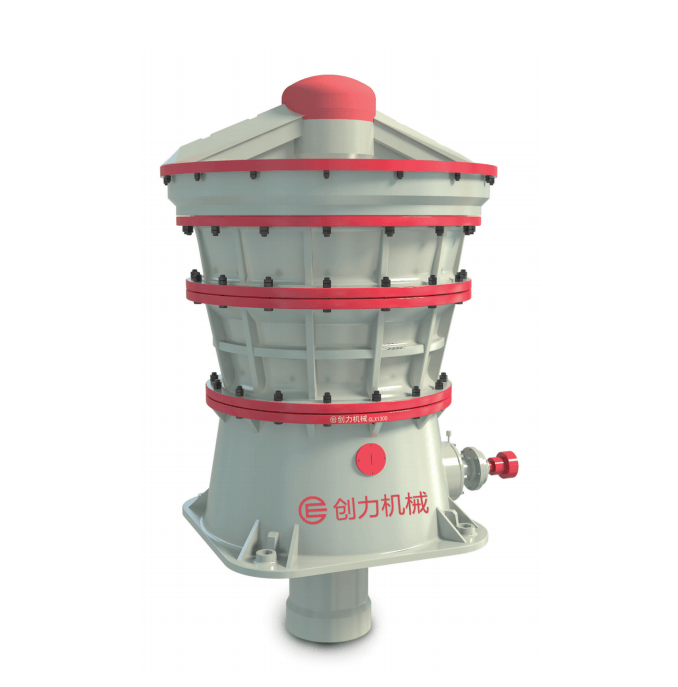
CLX Series Intelligent Hydraulic Gyratory Crusher
Guangdong CHUANGLI intelligent machinery Equipment Co., LTD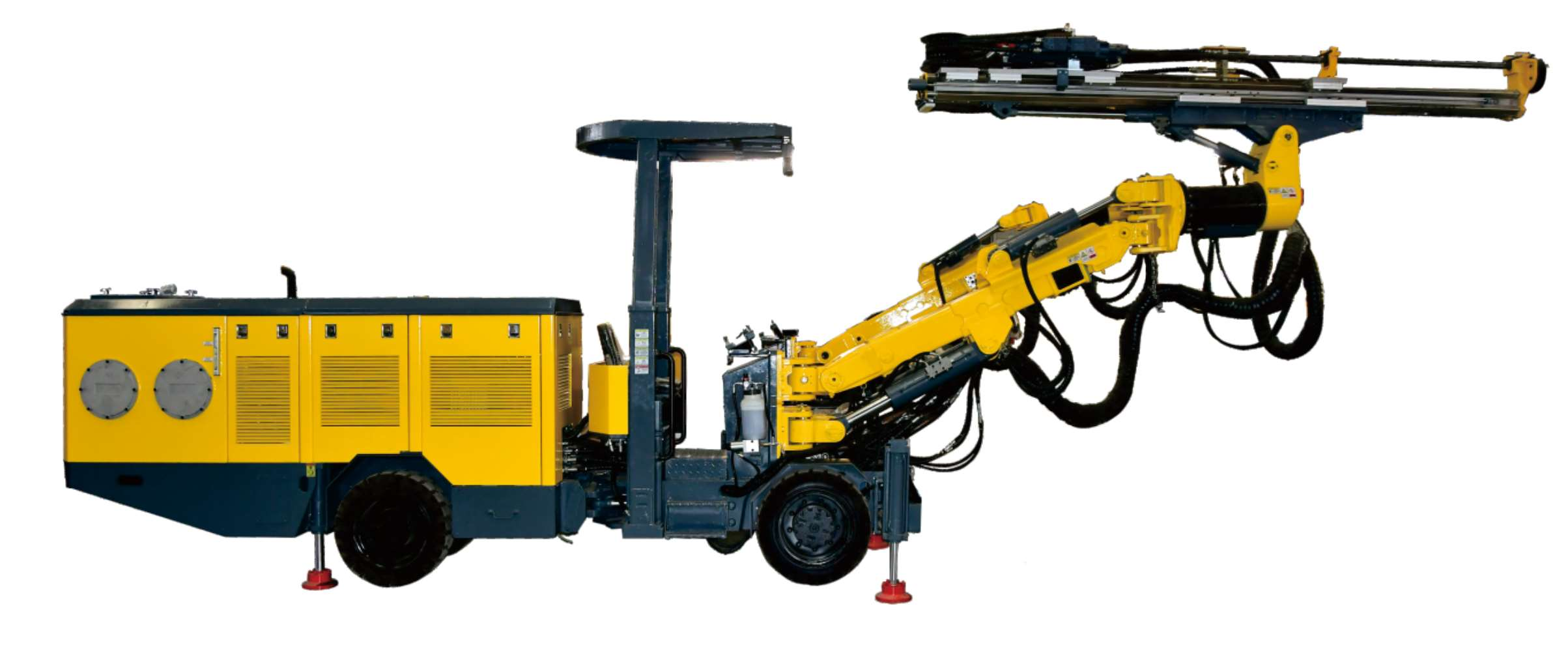


Comprehensive Mining Automation Control System
Beijing Tianma Intelligent Control Technology Co., Ltd.
High-temperature Equal Wall Thickness High-power Screw Drilling Tool
Orient Energy & Technologies Co., Ltd.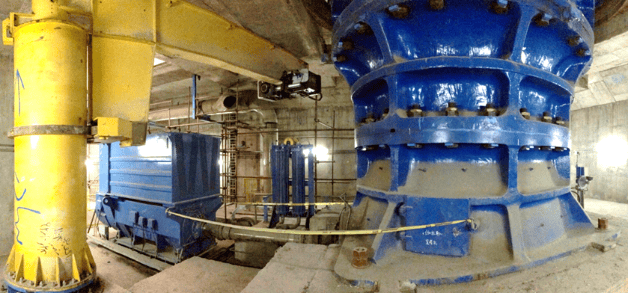

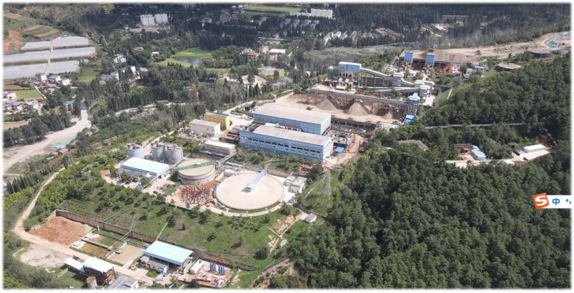
Yunnan Phosphorus Chemical Group Co., Ltd. 2 Million t/a Phosphorus Ore Mining and Beneficiation Project
China Bluestar Lehigh Engineering Corporation