Spain's Ministry for Ecological Transition Launches 820.5 MW Reliability Capacity Tender
en.Wedoany.com Reported - Spain's Ministry for Ecological Transition (Ministerio para la Transición Ecológica) has launched two new reliability capacity tenders to allocate a total of 820.5 MW of installed capacity for non-peninsular power systems (including the Canary Islands, Balearic Islands, Melilla, and Ceuta). This initiative aims to address expected electricity demand growth through 2031 and accelerate the integration of renewable energy in these isolated regions, which are heavily dependent on fossil fuels and have higher generation costs than the mainland system. The tender, now open for public consultation, targets dispatchable generation units, modernization of existing facilities, and projects to extend the regulatory life of operational power plants. Evaluation will consider economic, technical, and environmental criteria, including a CO₂ emission cap of 550 grams per kilowatt-hour and higher efficiency requirements.
The Canary Islands will concentrate the majority of the tender capacity, totaling 707.5 MW, distributed across Gran Canaria (320 MW), Tenerife-La Gomera (230.5 MW), Lanzarote-Fuerteventura (95 MW), La Palma (52 MW), and El Hierro (10 MW). The Balearic Islands will tender 80 MW, Melilla 32 MW, and Ceuta 1 MW. The Canary Islands also introduce measures to promote the renewal of thermal power units; units exceeding 40 years of operational life by 2031 will receive lower scores, and new facilities must use at least 5% renewable-source fuel when available.
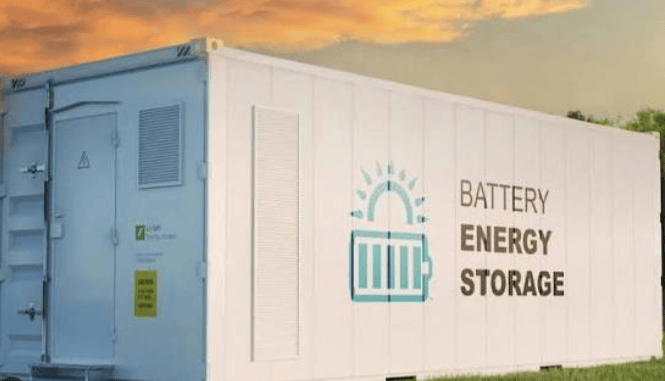
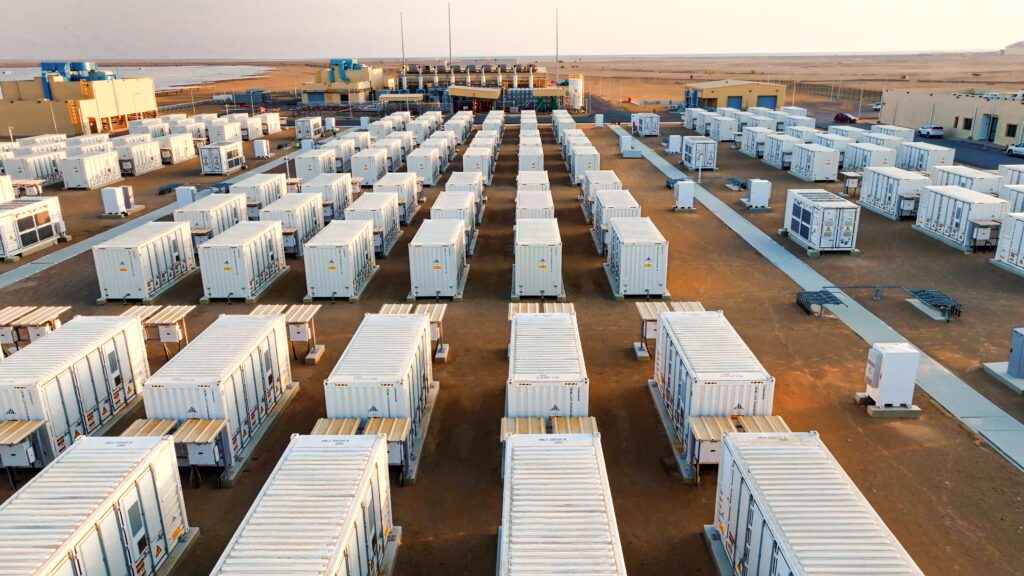
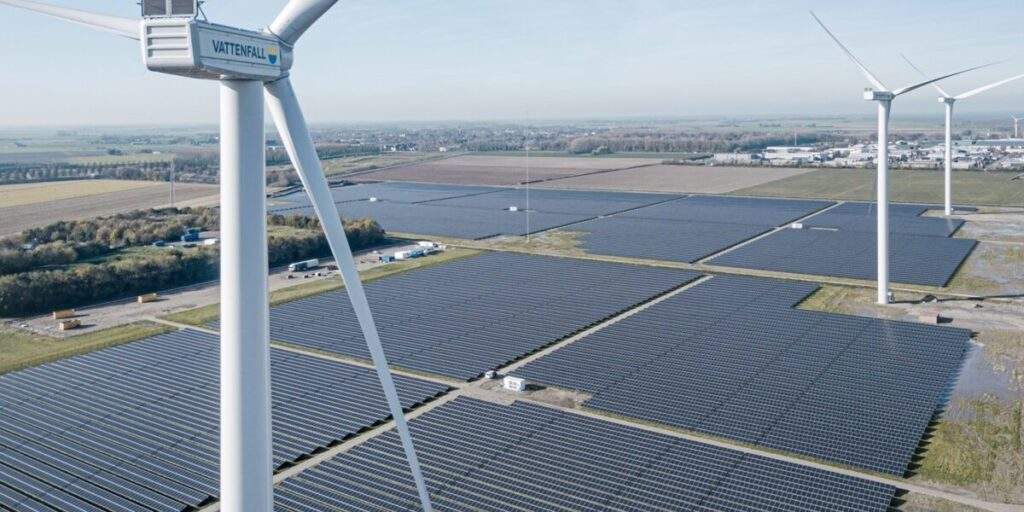
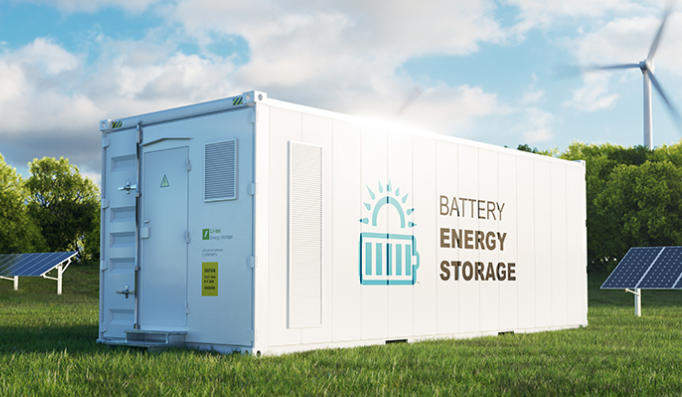
Compared to the first tender concluded in February (which awarded over 1,450 MW), system operator Red Eléctrica has updated coverage requirements, deeming it necessary to add new dispatchable capacity to ensure supply. Additionally, the Ministry for Ecological Transition has initiated a revision process for Royal Decree 738/2015 to establish the first regulatory framework for electricity storage in non-peninsular regions. Future regulations will recognize standalone storage facilities and those hybridized with wind power and photovoltaic power plants, aiming to provide flexibility and facilitate higher penetration of renewable energy.
The proposal incorporates new economic signals, including the publication of the average marginal generation price for the Canary Islands power system, allowing standalone batteries to compete with conventional generation. For energy storage systems associated with renewable energy facilities, dispatch will be based on a "thermal gap factor," incentivizing energy delivery at times when fossil-fuel generation is most needed. The reform also adjusts remuneration for renewable energy generation; facilities will use the average price of the most recent rolling year instead of the daily price of the mainland electricity market, providing more stable revenue to promote new investment and avoid shutdowns when mainland electricity prices are low or negative. Objections to the reliability capacity tender may be submitted until August 5, and the public consultation period for the draft Royal Decree remains open until August 4.
Related Products
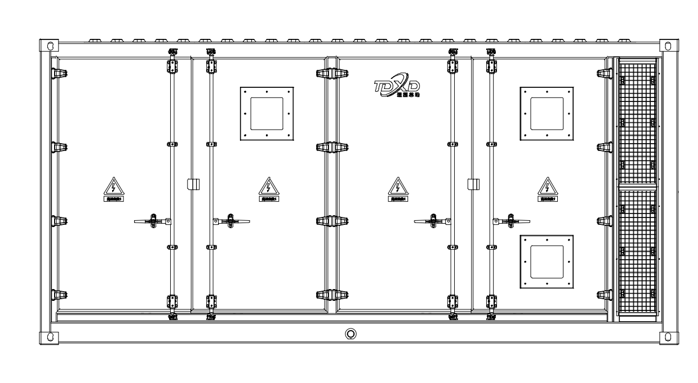

5012kWh DC Energy Storage System TD-EES-5012kWh
Suzhou Tongding Xindong Energy Storage Technology Co., Ltd.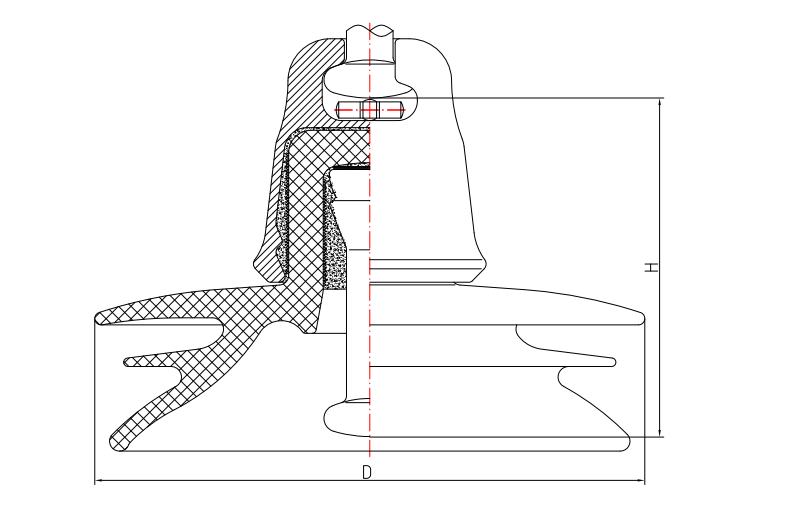
Post-type AC Pollution-resistant Disc Suspension Porcelain Insulator (Triple Umbrella Type)
Shandong High Voltage Insulator Co., Ltd.
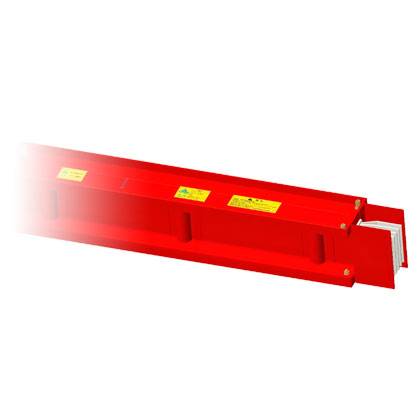
Mineral-insulated Compact Busway (Fire-resistant Busduct)
Zhuhai Guangle Electric Busway Co., Ltd.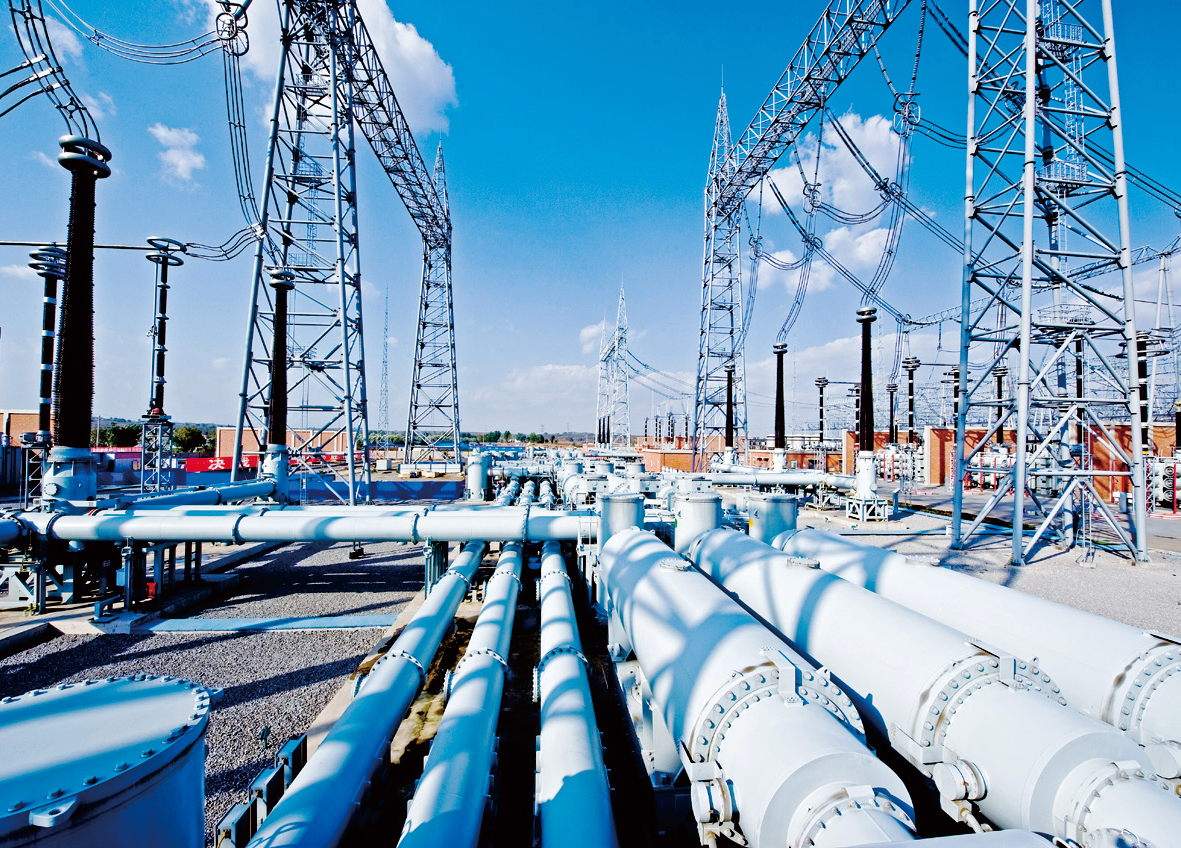
40.5kV-1100kV Gas Insulated Metal-Enclosed Switchgear (GIS)
Henan Pinggao Electric Co., Ltd.
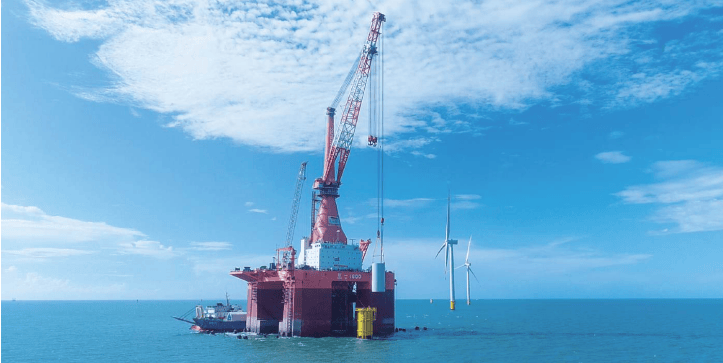
"Shunyi 1600" Deep-submerging Bottom-sitting Multi-functional Wind Power Engineering Vessel
Zhengli Offshore Engineering Co., Ltd.
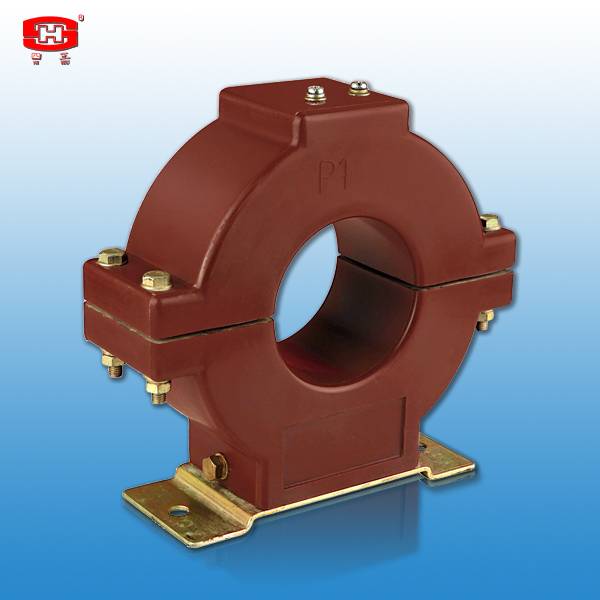
0.66kV Power Supply Instrument Transformer
Guangdong Sihui Instrument Transformer Works Co., Ltd.