North Carolina Invests $5 Million in 26 Microgrids
en.Wedoany.com Reported - The North Carolina Department of Environmental Quality, in partnership with a coalition of non-profit organizations, invested $5 million in August last year to build 26 microgrid projects aimed at enhancing energy resilience in communities affected by Hurricane Helene. The projects include 24 stationary microgrids and 2 mobile microgrids, with five sites announced in June this year.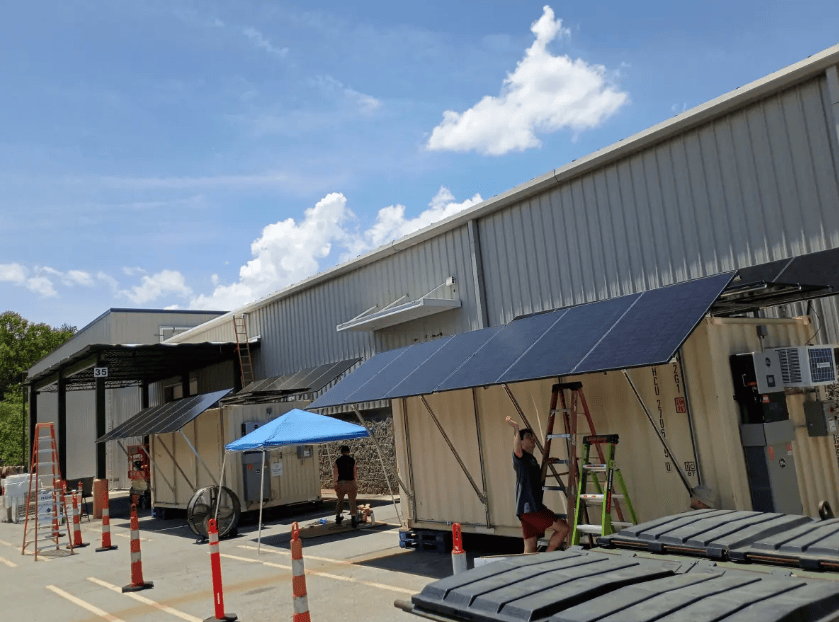
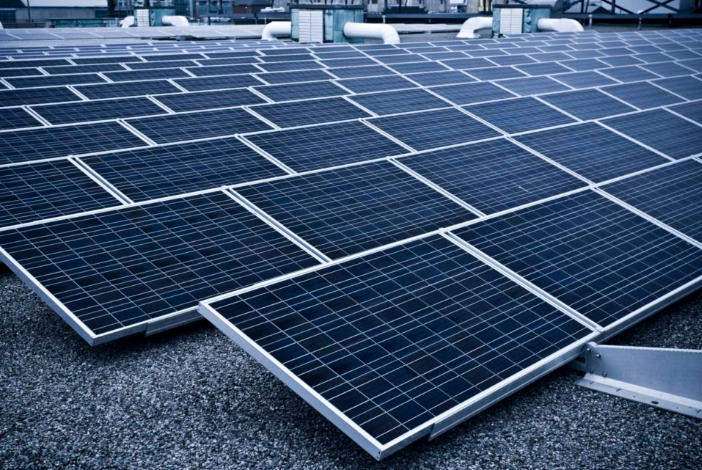
Hurricane Helene once destroyed the power supply to the Burnsville Fire Station in North Carolina. Fire Chief Niles Howell had to rely on generators to keep operations running, providing a helipad for helicopters and setting up a field hospital during the storm and subsequent floods. Even in normal times, he often worried about the generators running out of fuel. As part of the state-level microgrid project, the fire station will install 40 kilowatt-hours of solar panels and twice that capacity of battery energy storage systems. Howell said, "I like redundancy because inevitably, what you plan for will fail at some point, so the more ways you have to keep things running, the safer you are."
In recent years, the Appalachian region has been repeatedly hit by extreme rainfall and flash floods, leading to a gradual increase in small-scale energy resilience projects. This trend is also evident in other storm-affected communities across the United States, such as the community microgrid network in Puerto Rico that helped maintain power during hurricanes, and the privately funded "Lighthouse" project launched by churches and community centers in New Orleans after Hurricane Ida.
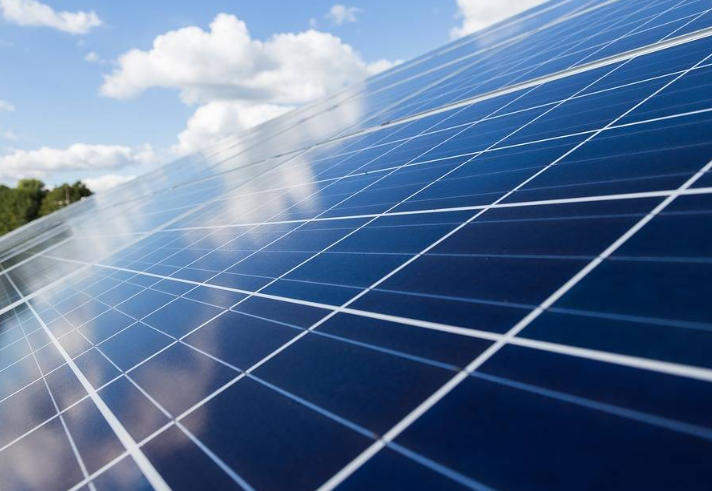
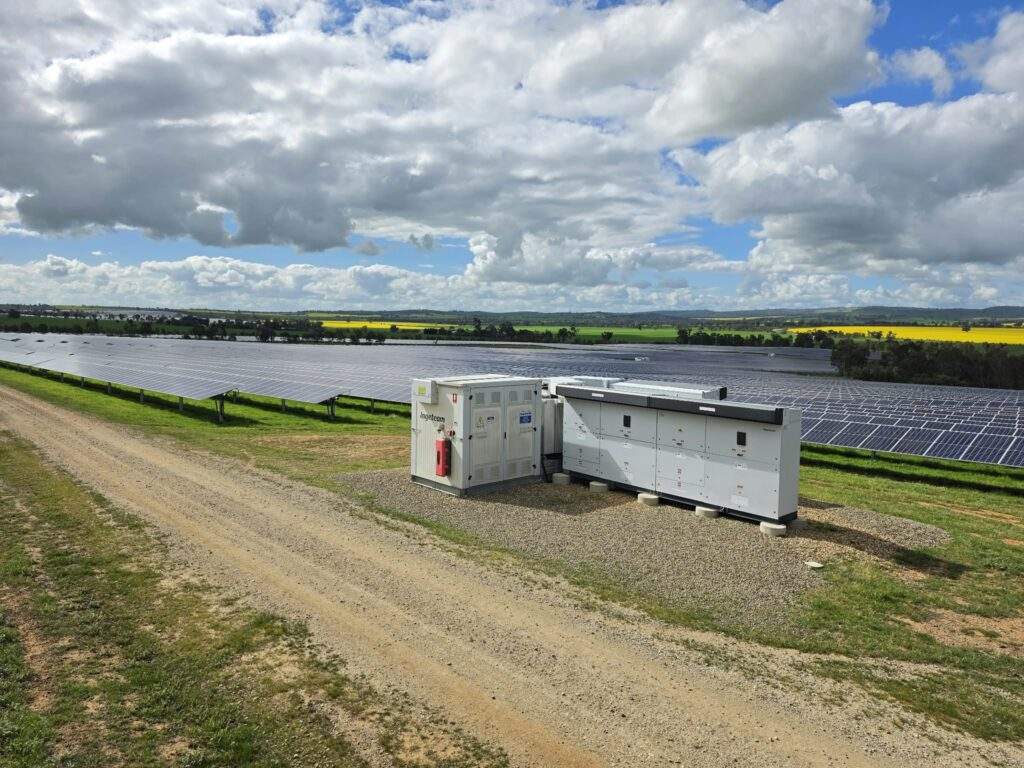
Solar microgrids can power one or more buildings, some can feed electricity back to the grid, and are equipped with large batteries to sustain power for several days. Stationary microgrids are deployed nationwide to power critical infrastructure such as hospitals and wastewater treatment plants. A system operated by Duke Energy powers the town of Hot Springs, North Carolina, and kept the lights on during Hurricane Helene. Mobile microgrids can be towed to where they are needed.
The technology remains challenging in terms of cost. Of the five stationary microgrids planned for western North Carolina, all but one cost over $100,000 each, making them difficult for small community organizations to afford on their own.
Mobile solar trailer systems, called "Hives" by the non-profit organization Footprint Project, include "Cool Hives" equipped with refrigerators and freezers, "Power Hives" providing charging stations, and "Water Hives" for water filtration. These units can provide up to 100 kilowatt-hours of energy, powering large buildings for up to 10 hours. Footprint Project CEO Will Heegaard said, "Because they are mobile, these Hives can be immediately towed to the hardest-hit communities when a disaster strikes." The project prioritizes installing them outside food banks, fire stations, community centers, and libraries to store supplies and serve as operational hubs during disasters.
Two mobile solar trailers will be put into use in 2027, and installation of the five stationary sites is planned to begin this summer. Sara Nichols of the Land of Sky Regional Council said she hopes the project will demonstrate that a combination of philanthropic and public funding can support small-scale renewable energy, even if changes in federal policy reduce the accessibility of solar power. Nichols stated, "We are essentially setting a model and precedent for what we hope will become larger-scale state and national projects to replicate."
Reid Wilson, head of the Department of Environmental Quality, has been discussing with potential partners across the state the use of small-scale solar to enhance climate resilience, but no formal results have been achieved yet. He hopes federal funding will one day provide assistance but is not betting everything on it. Governor Josh Stein requested the state legislature allocate $1 million for microgrids from the $792 million Hurricane Helene relief fund, but the request was not approved.
Related Products


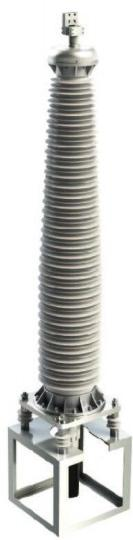
220kV Composite Outdoor Cable Terminal
Shenyang Guolian Cable Accessories Manufacture Co., Ltd.
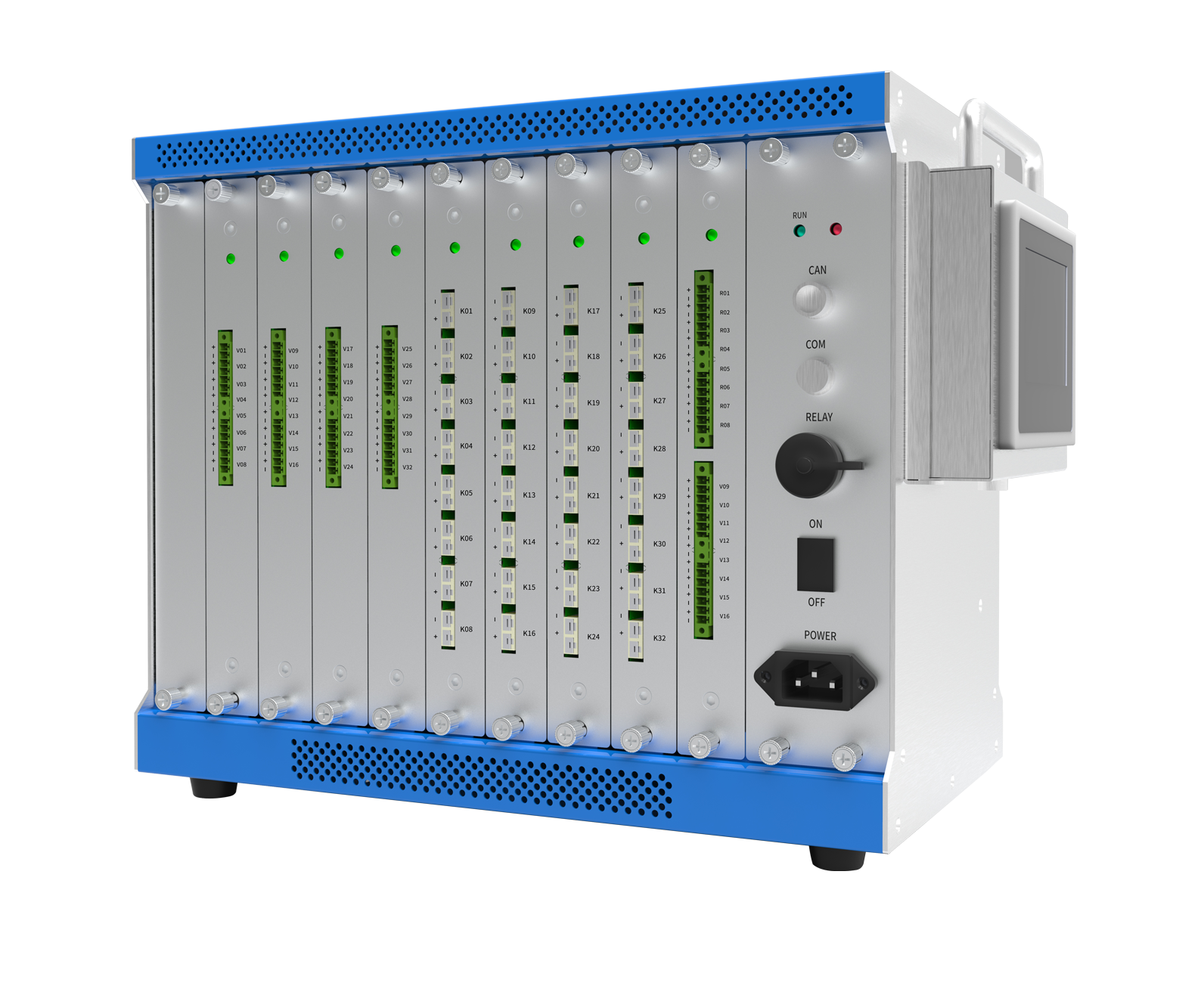
Optional Accessory - Auxiliary Sampling Module
Beijing Soaring Electric Technology Co., Ltd.

Industrial and Commercial Point-Type Gas Detector
Jinan Benan Technology Development Co., Ltd.
Electromagnetic Fluid Seawater Floating Oil Separation and Recover Equipment
Huate Magnet Group Co., Ltd.