Ontario Seeks Arctic Port on James Bay
Wedoany.com Report-May 13, Ontario government officials have proposed developing a maritime port on James Bay, southeast of Hudson Bay, to enhance trade connectivity. This initiative, aimed at berthing mega-size ships, requires negotiations with Canada’s federal government to move forward. The port’s strategic location could facilitate cost-effective shipping, particularly for the Greater Toronto Area, home to nearly half of Canada’s population and its largest manufacturing sector.
Ontario, Hudson Bay (top) and James Bay, extending south from Hudson Bay
Ontario currently relies on ports in Thunder Bay, Sault Ste. Marie, Windsor, Hamilton, Oshawa, and Johnstown to connect to the Atlantic Ocean and global markets. A James Bay port, located just 12 miles from existing railway lines extending north from Toronto, could reduce transportation costs, as waterway shipping is more economical than rail. Recent Arctic warming has opened summer sailing routes between the North Atlantic and North Pacific, enabling shorter trans-Arctic voyages to East Asian ports compared to Pacific routes.
Navigating the Arctic presents challenges, as James Bay’s shallow waters, averaging less than 200 feet, require dredging and buoy installation to guide mega-size container ships and bulk carriers with up to 60-foot keel depths. A proposed navigation canal south of the Boothia Peninsula could shorten sailing distances and extend the four-to-six-month Arctic shipping season. Icebreaker ships may also assist in maintaining navigable passages as winter approaches.
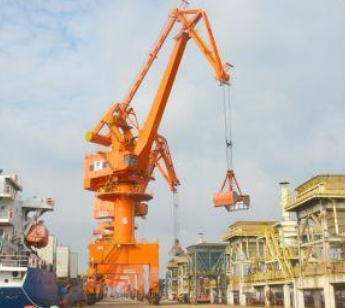
A James Bay port would operate seasonally, necessitating continued use of Great Lakes and St. Lawrence Seaway ports. The short Arctic navigation window may discourage establishing customs offices at the port, requiring containers to be transported by rail to Toronto-area inspection facilities. The port’s operations would rely on automation, including cranes and container transfers, due to a limited local workforce.
Existing Ontario ports near international bridges, such as Johnstown, Port Colborne, Windsor, and Sault Ste. Marie, allow containers to be offloaded and transferred to trucks for customs clearance at nearby facilities, including those at Hamilton International Airport, Niagara Falls, and Toronto International Airport. The Port of Hamilton supports rail transfers to customs locations, enhancing efficiency.
Trans-Arctic shipping from James Bay could offer competitive per-container rates compared to Pacific port routes connected by transcontinental rail. While import volumes may support large-scale shipping, expanding export trade is essential for the port’s viability. Ontario’s ports, including Hamilton and Windsor, already facilitate cost-competitive shipping from Europe, as demonstrated by smaller vessels competing with mega-ships at U.S. ports.