Delta Air Lines Plans Over 50% Premium Seats on 30 Boeing 787-10s
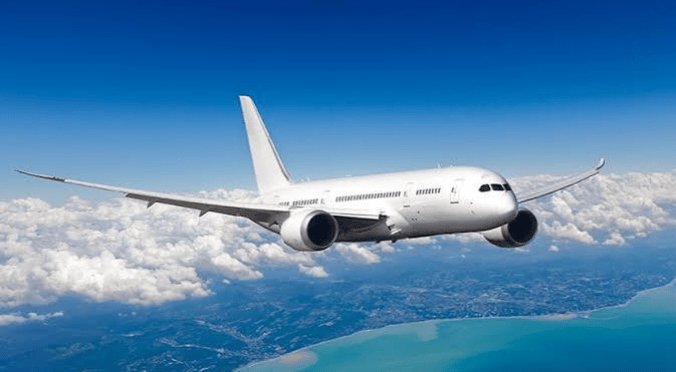
en.Wedoany.com Reported - Delta Air Lines is planning a premium-heavy cabin layout for the 30 Boeing 787-10 Dreamliners it ordered in January. Chief Commercial Officer Joe Esposito confirmed during a July 10 earnings call that over half of the seats on these aircraft will be premium products, a significant increase from the approximately 30% premium seat share on the Boeing 767 models they are set to replace. The aircraft will primarily serve transatlantic routes, with the first deliveries scheduled for 2031.
Meanwhile, Delta also unveiled plans to introduce a "Basic" fare class in its Delta One business class. This option maintains the same physical seats and onboard service but eliminates benefits such as seat selection, refunds, and full mileage accrual for discounted fare passengers. Together, these two initiatives signal that Delta is doubling down on the front cabin as a growth engine and segmentation tool.
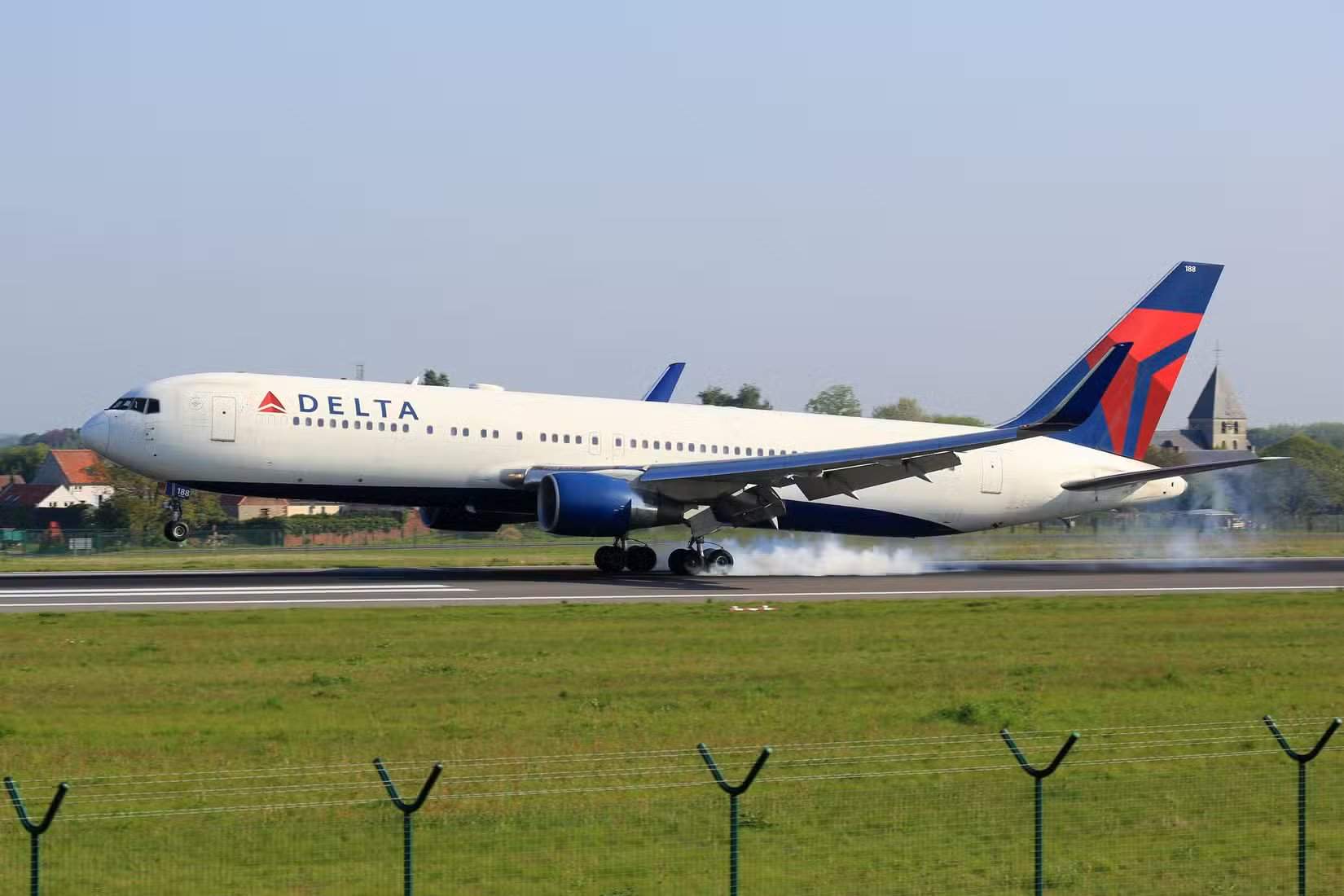
Esposito noted on the earnings call that the Boeing 787-10 primarily replaces Delta's aging Boeing 767 fleet, which currently serves as the backbone of its transatlantic operations. The first 30 787-10s are expected to be delivered in 2031, gradually replacing the 767-300ER and 767-400ER on transatlantic routes. He explained to analysts that increasing the premium seat share from 30% on the 767 to over 50% on the 787 is key to boosting efficiency and profit margins. He added that the larger aircraft's cargo capacity is also double that of the 767. In a standard two-class configuration, the 787-10 can accommodate up to 375 passengers, while Delta's Boeing 767-300ER and 767-400ER can carry 216 and 238 passengers, respectively.
Whether these aircraft will feature Delta's latest Delta One suite product remains undecided. Airline executives told The Points Guy in April that equipping the 787-10 with the newest Delta One seats is still "TBD." They confirmed the option is still under evaluation, noting that with deliveries roughly five years away, the company has ample time to make a decision.
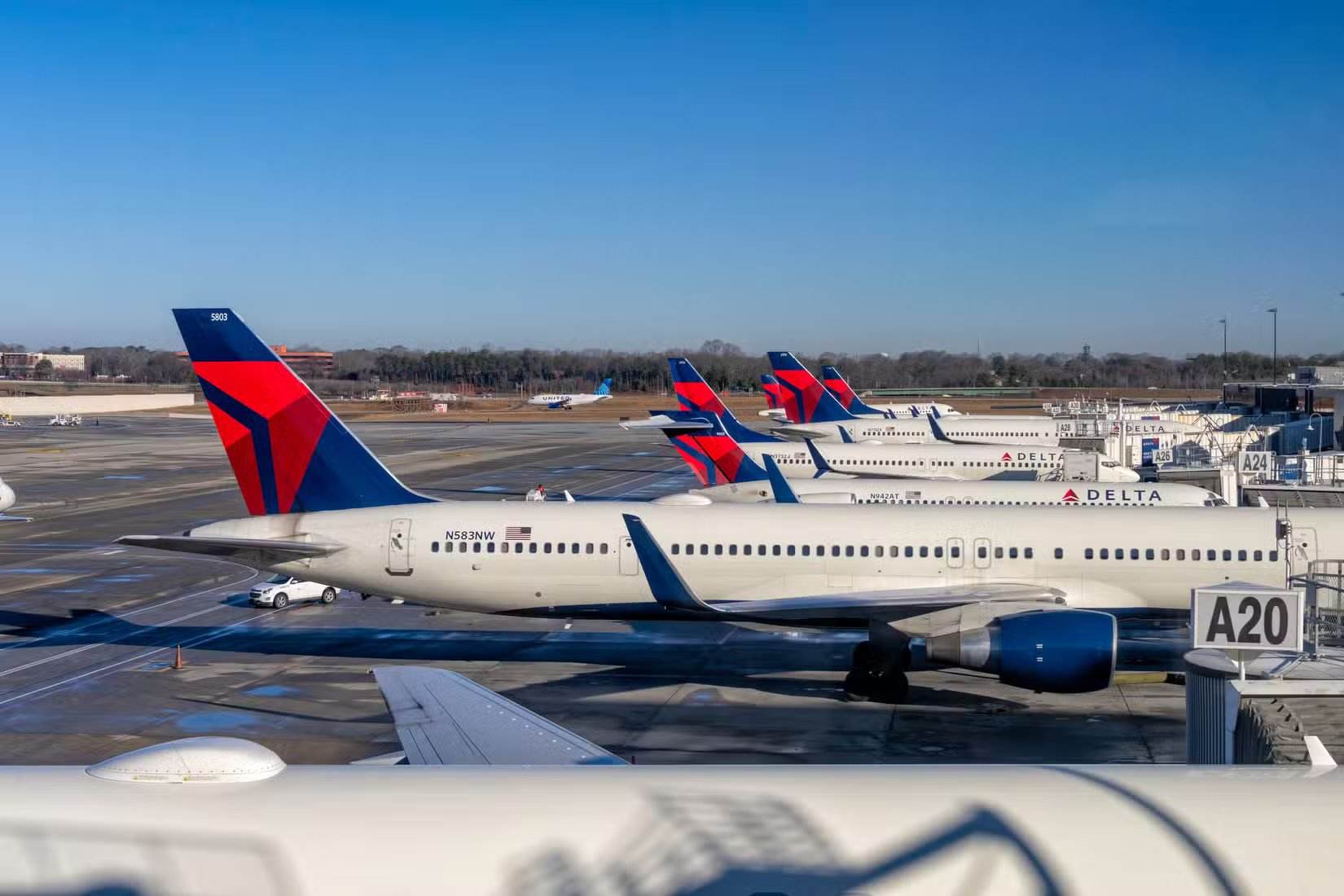
The 787-10 order continues Delta's long-term fleet upgrade strategy. This approach dates back over a decade, from replacing 50-seat regional jets with Boeing 717s in the mid-2010s to swapping aging McDonnell Douglas MD-88s and MD-90s for new Airbus A321s and A321neos in the 2020s. This strategy has proven effective, making Delta the leading network carrier in the U.S. by profit margin. Competitors such as Alaska Airlines, American Airlines, JetBlue, and United Airlines have since followed suit, replacing smaller jets with larger narrowbodies.
Delta is now applying the same logic to its widebody fleet. The company stated it expects no increase in economy seats this year or next, instead converting more cabin space to higher-margin premium products. For example, the new Airbus A321neo features 44 first-class seats across 11 rows. The Airbus A350-1000, debuting next year, will feature Delta's next-generation Delta One product, with standard economy seats accounting for only half of the cabin. Competitor United has taken a similar approach with its newly introduced 787-9 "Elevated Dreamliners," which offer 99 premium seats between Polaris business class and premium economy.
Delta's widebody operational landscape for the next decade is gradually taking shape: larger cabins, more premium seats, and more diverse payment options to access them. Although the 787-10 won't join the fleet until 2031, the direction is clear. On its two new aircraft families (the 787-10 and A350-1000), Delta is expected to continue shifting capacity toward Delta One and premium economy, while extracting additional revenue from the same premium space through fare classes like Delta One Basic. For travelers, this signals two parallel trends: business class seats will be more accessible, as more are deployed on long-haul aircraft, but threshold prices will be more varied than ever, with flexibility, seat selection, and mileage accrual increasingly sold as separate add-ons. Corporate travelers may continue to favor main cabin and extra cabin fares to maintain schedule flexibility, while leisure travelers will need to weigh discounts against restrictions. The bigger question is whether competitors will follow suit. United has already taken similar steps with its 787-9 Elevated Dreamliners, and international carriers like Qatar Airways and Emirates have normalized restricted business class fares for years. If Delta's Basic fare performs like Basic Economy in the premium cabin, other U.S. airlines will have little reason to delay imitation.
Related Products
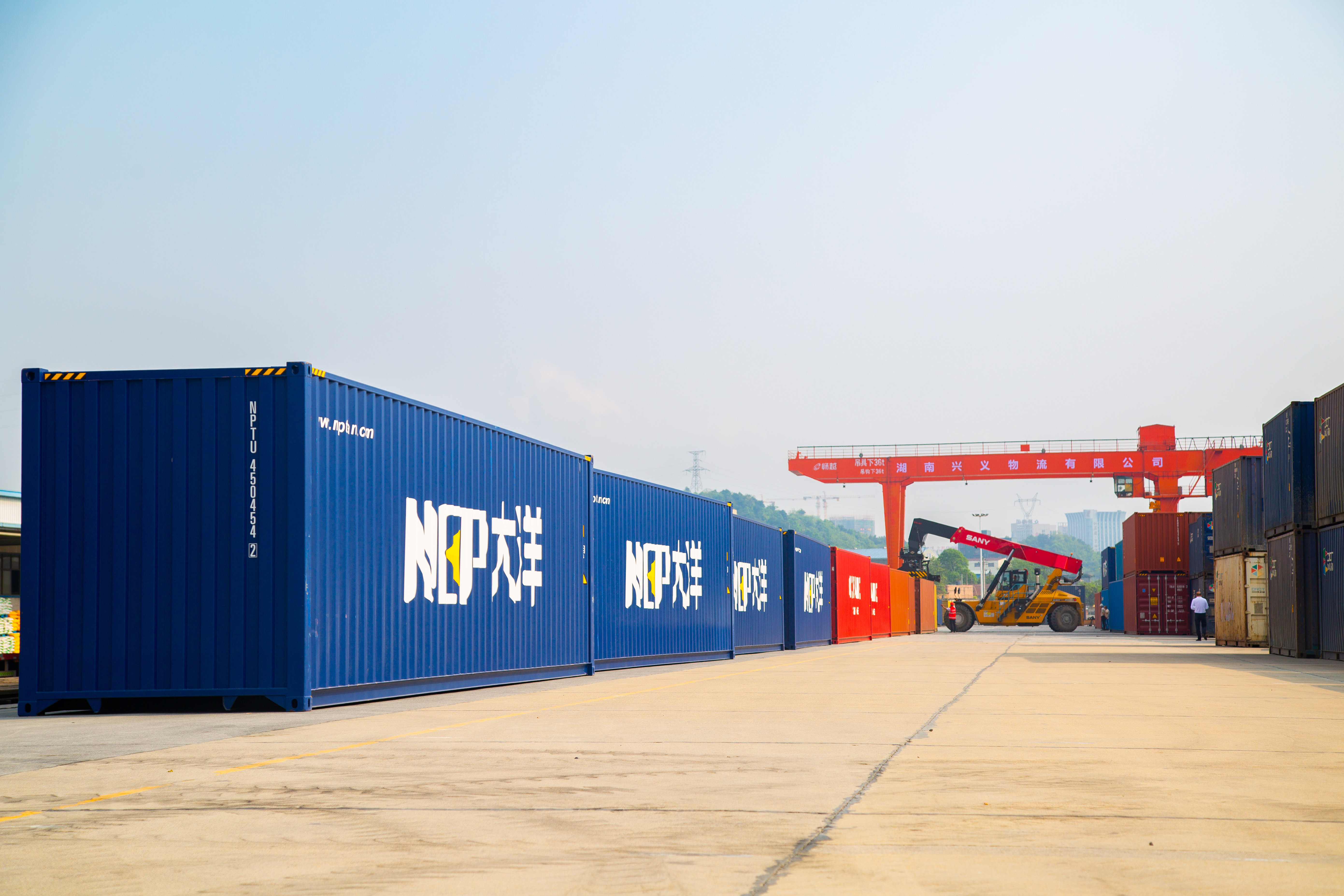

China - Alashankou/Khorgos - Europe Full Range Transportation (Mala/Hamburg/Duisburg/Budapest, etc.)
Shenzhen Neptune Logistics Co., Ltd.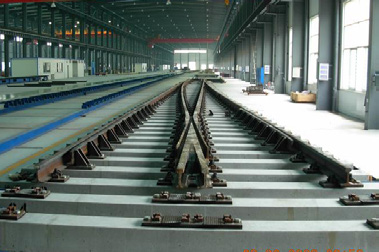


Pantograph-Catenary Comprehensive Detection Device (1C)
CHENGDU TANGYUAN ELECTRIC CO., LTD.
Wheel and Track Technology Business
Beijing Research & Design Institute of Rubber Industry Co., Ltd.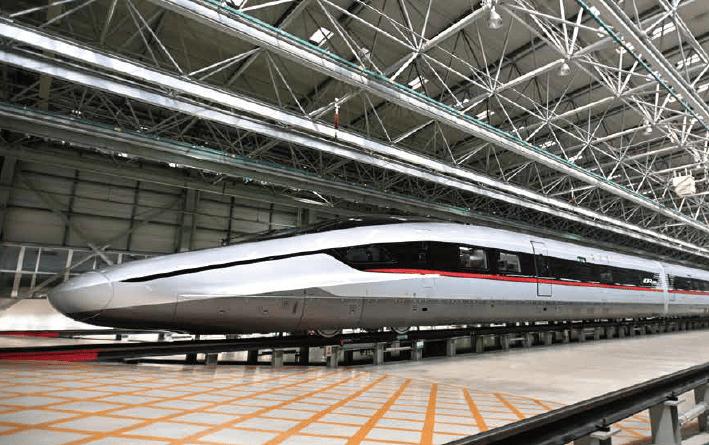
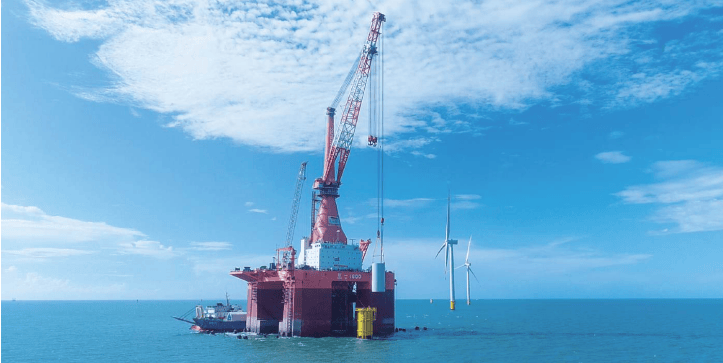
"Shunyi 1600" Deep-submerging Bottom-sitting Multi-functional Wind Power Engineering Vessel
Zhengli Offshore Engineering Co., Ltd.

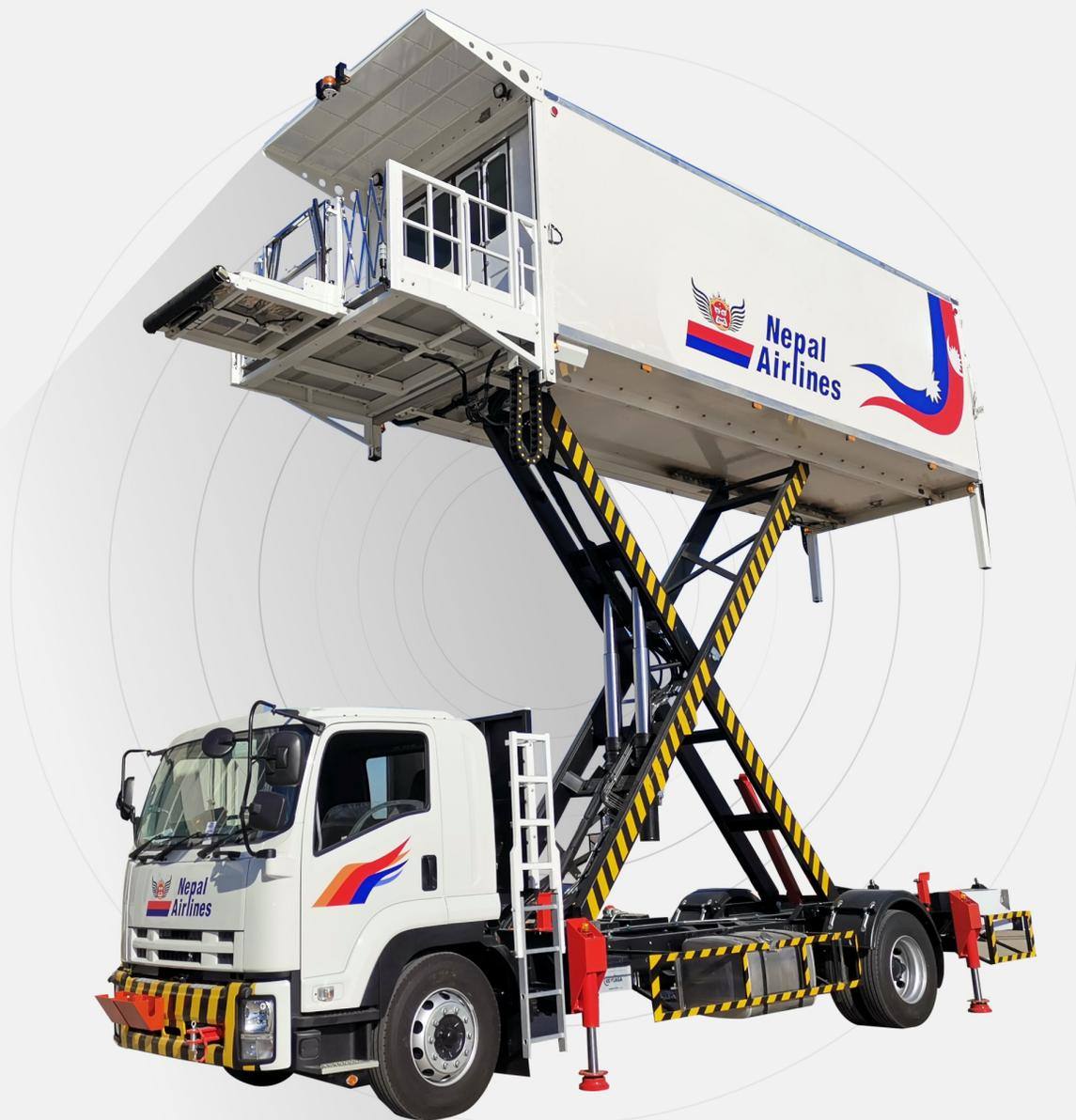
XC-6000e Type Aviation Catering Truck (Fuel Type)
Shenzhen CIMC-TianDa Airport Support Ltd.