South Africa's DRDGOLD casts first doré bars at new smelter
en.Wedoany.com Reported - DRDGOLD's Far West Gold Recoveries (FWGR) has commissioned its new elution circuit and smelter, with the facility performing to design specifications and successfully casting its first doré bars on July 14.
DRDGOLD CEO Niël Pretorius stated during a webcast that initial capital estimates were met, and the project was completed on time and within budget. CFO Henriette Hooijer and COO Jaco Schoeman also participated in the meeting, providing updates on the company's Vision 2028 progress. The vision involves five project proposals with a total capital expenditure of R10 billion.
On the day the new facility was commissioned, the plant manager held aloft a gold bar weighing over 17 kg. Doré bars are semi-pure gold alloys produced directly at the mine without refining. Once fully operational, the new facility will increase monthly processing capacity to 1.2 million tonnes, contributing a 16-year mine life at that rate. Over the coming weeks and months, FWGR plans to start material processing and handling in the new carbon-in-leach (CIL) circuit before commissioning the remaining infrastructure, and to conduct a full refurbishment of the existing circuit that has been in operation since 2018.
After smelting, the gold bars are quickly transported by helicopter in about four minutes. The helipad adjacent to the smelter is fully enclosed, with safety, logistics, and material flow playing a significant role in the facility's design and construction.
Four years ago, DRDGOLD launched a capital investment program aimed at restructuring the cost base of its Ergo operation—a waste rock gold recovery operation in Gauteng's East Rand—and developing the infrastructure needed to extend the mine life while increasing throughput and production capacity. The first part of the program involved building a 60 MW solar plant and a 187 MWh battery energy storage system (BESS) at Ergo, with construction starting in fiscal 2022 and commissioning in fiscal 2025. Currently, the plant supplies approximately 47% of Ergo's power demand for about 12 hours daily, fundamentally resetting the cost structure, enhancing energy security, and reducing the carbon footprint.
The second part is a R10 billion capital infrastructure investment plan involving five projects, targeting an increase in total throughput from the company's two operating units (Ergo and FWGR) from approximately 2.15 million tonnes per month to 3 million tonnes per month through Vision 2028, and boosting annual gold production to 6 tonnes by 2028. Construction began in fiscal 2024. The first major milestone was the resumption of tailings deposition at the Daggafontein Tailings Storage Facility (TSF): water was first pumped on June 25, and tailings were first deposited on July 6. This project added 120 million tonnes of tailings storage capacity to operations and was the first Vision 2028 project completed.
At FWGR, the expanded Driefontein 2 (DP2) plant is undergoing commissioning, with the new elution circuit and smelter operational and having cast the first gold. Once fully ramped up, DP2's throughput will increase from 500,000 tonnes per month to 1.2 million tonnes per month. Supporting the expansion is a 135 km pipeline network, 95% complete, connecting DP2, the large Regional Tailings Storage Facility (RTSF), and the Libanon reclamation area. Once a water use license is obtained, construction of the Libanon reclamation pump station will begin. The RTSF, designed with an 800-hectare liner, is central to Vision 2028, initially receiving 1.2 million tonnes of tailings per month, with capacity scalable to 2.4 million tonnes per month. Upon full development, it will hold up to 800 million tonnes of tailings, laying the foundation for gold production in the Far West Rand for decades to come.
The final project in the sequence is the Withok TSF at Ergo. Regulatory approval is expected by December 2027, and after approximately two years of construction, Withok will add about 310 million tonnes of deposition capacity, providing additional operational flexibility and extending Ergo's long-term options.
Combined, the design of Daggafontein, DP2, the pipeline network, and the RTSF enables DRDGOLD to increase processing capacity to approximately 2.85 million tonnes per month, with expected annual production between 185,000 and 195,000 ounces. Once Withok is commissioned, deposition capacity will increase by an additional 150,000 tonnes, bringing total throughput to 3 million tonnes per month. The projects are being commissioned in a managed sequence, with each project unlocking the next.
Pretorius stated that years of planning and investment are translating into operational assets, and Vision 2028 is creating infrastructure that will support the next generation of DRDGOLD. The capital expenditure for the five Vision 2028 projects is as follows: Ergo's Daggafontein TSF at R500 million; FWGR's DP2 expansion at R1.9 billion; the pipeline network for DP2, RTSF, and Libanon at R1.2 billion; FWGR's RTSF at R3.4 billion; and Ergo's Withok TSF at R2.5 billion.
Related Products

CITIC Heavy Industries Metallurgical Equipment Steel Smelting Engineering Equipment
CITIC Heavy Industries Co., Ltd.
Linyi Steel Investment Special Steel 2.7 Million Tons per Year High-quality Special Steel Project
Capital Engineering & Research Incorporation Limited
Hydraulic Plate and Frame Filter Press
Guangdong Leimeng Intelligent Equipment Group Co., Ltd.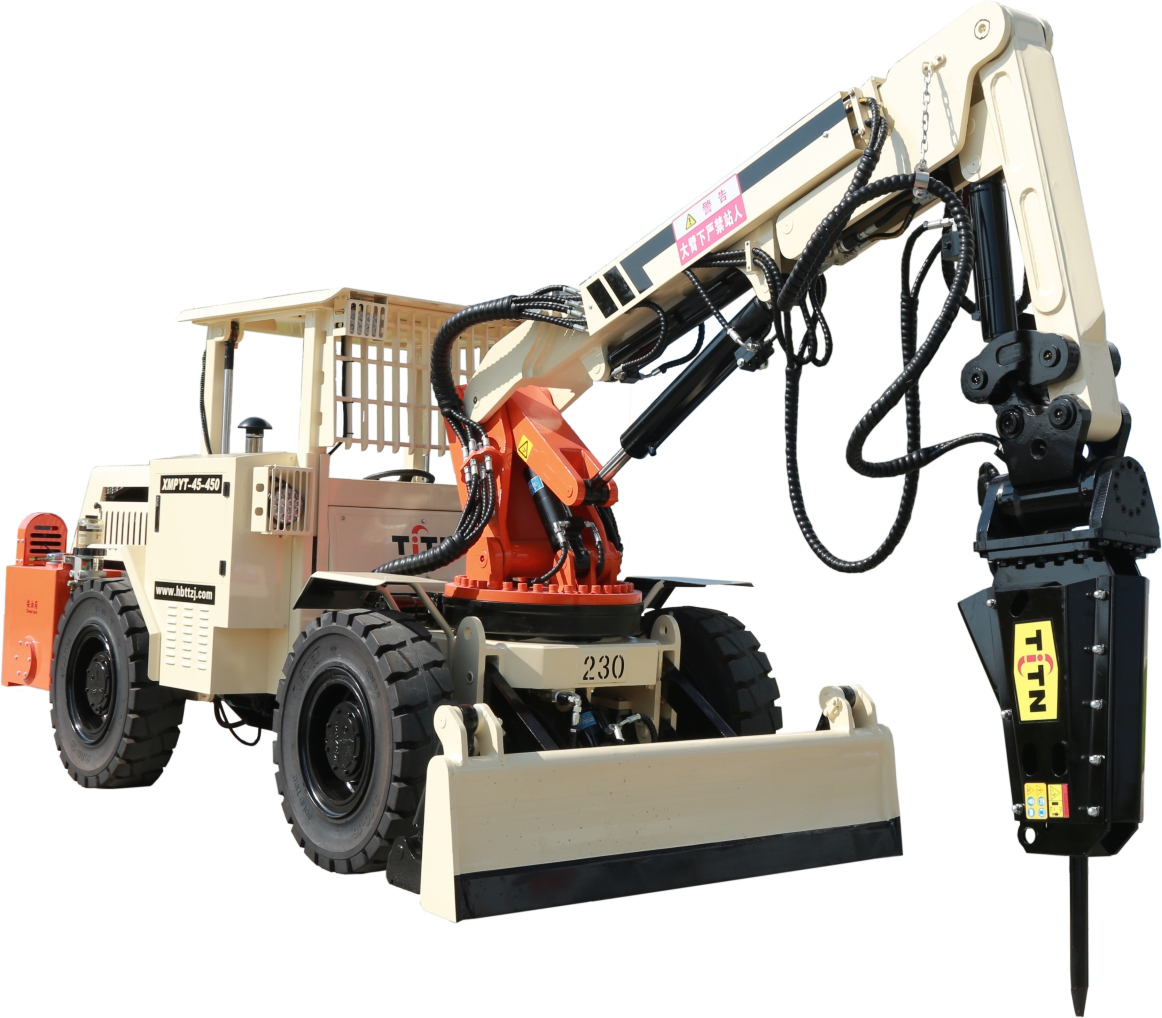
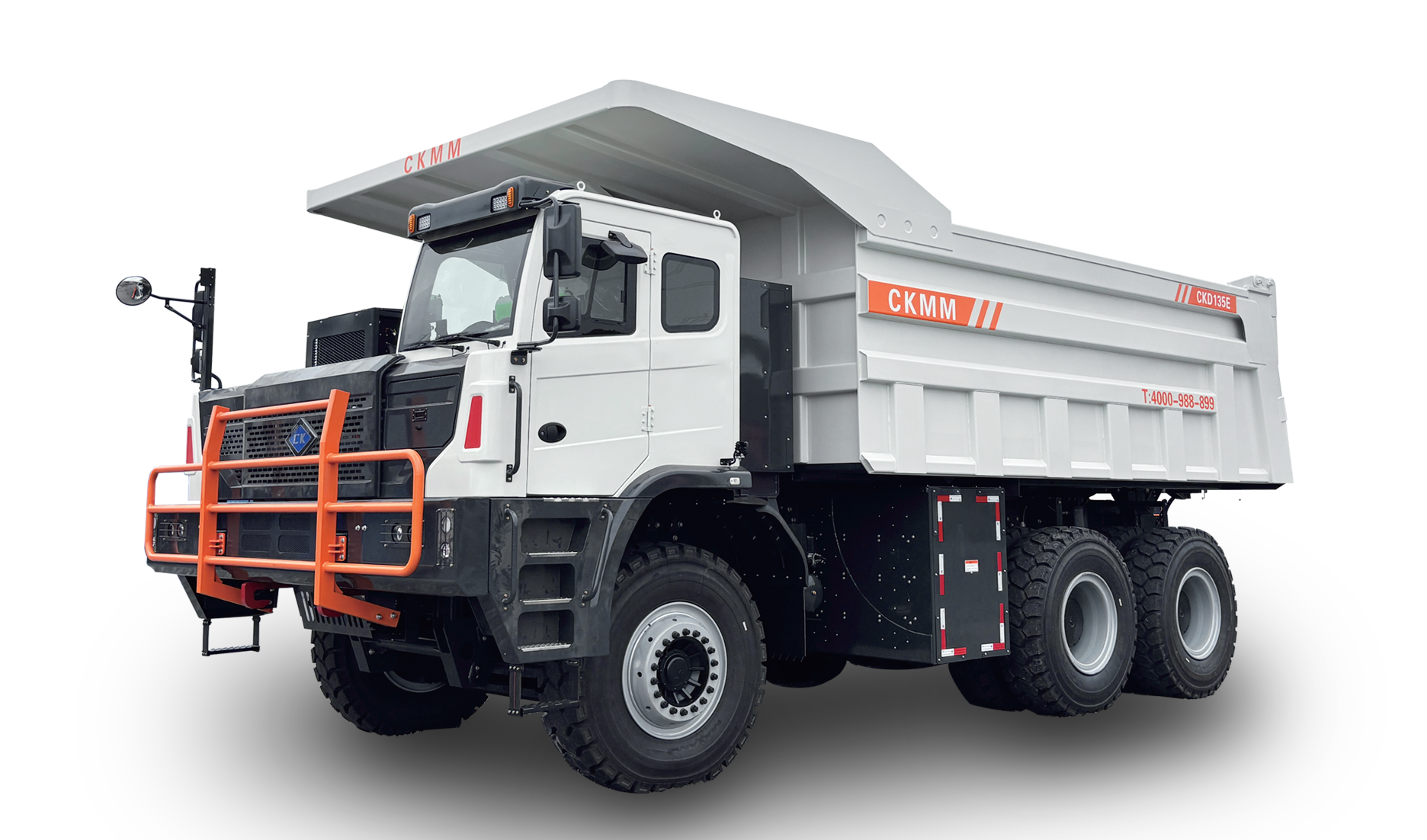
CKD135E Pure Electric Wide-body Dump Truck
Jiangsu Changkuang Engineering Machinery Co. Ltd.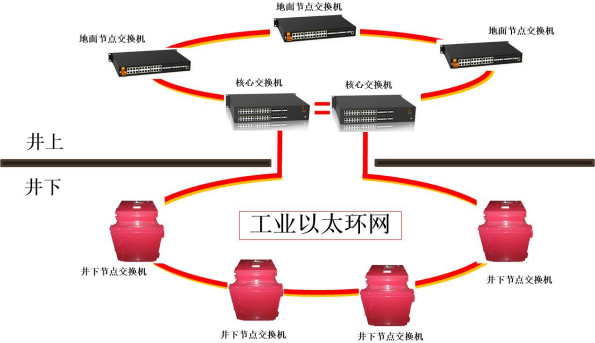
Mine Explosion-proof and Intrinsically Safe Industrial Ethernet Ring Network (10 Gigabit/Gigabit)
Chongqing Mas Sci&Tech Co., Ltd.
High-temperature Equal Wall Thickness High-power Screw Drilling Tool
Orient Energy & Technologies Co., Ltd.