China's Inner Mongolia Issues "Double Ten Provisions" for Coal and Non-Coal Mine Safety Production
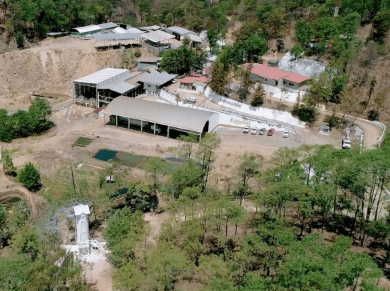
en.Wedoany.com Reported - The Mine Safety Supervision Bureau of Inner Mongolia Autonomous Region, together with the Department of Natural Resources, the Energy Bureau, and the Inner Mongolia Bureau of the National Mine Safety Supervision Administration, officially issued the "Ten Provisions for Coal Mine Safety Production" and the "Ten Provisions for Non-Coal Mine Safety Production," using list-based and rigid measures to weave a tight safety net for mine production.
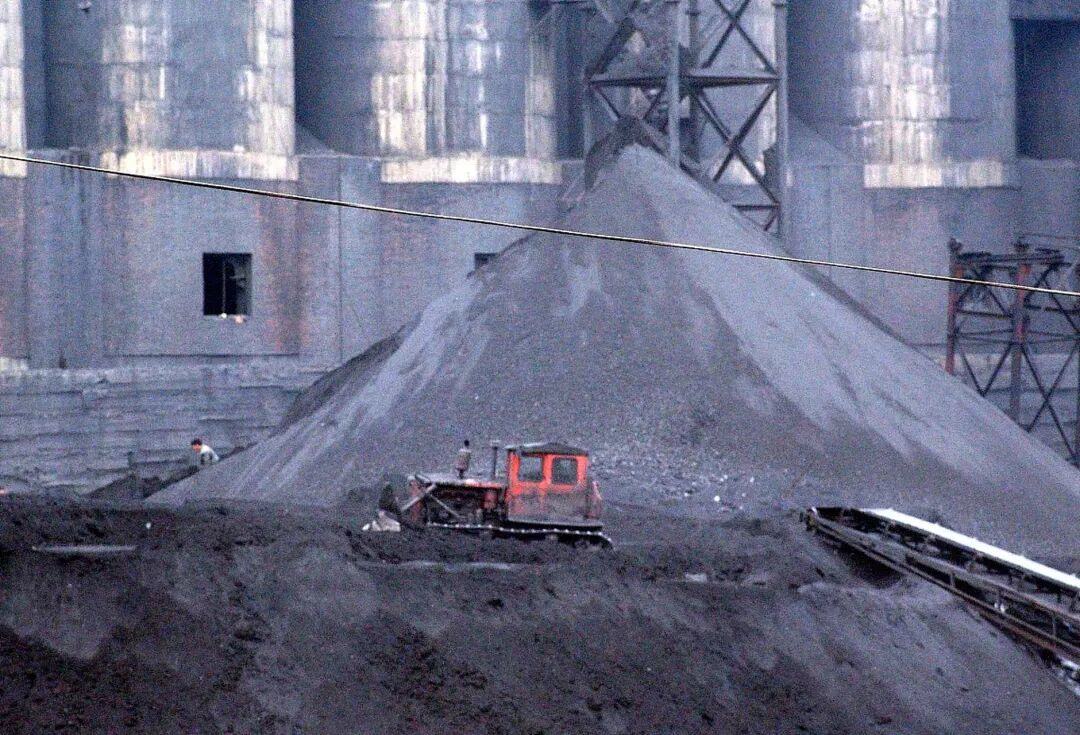
The newly introduced "Double Ten Provisions" focus on high-risk points throughout the entire production and construction process of coal and non-coal mines, including illegal construction, concealed operations, personnel management, disaster control, emergency response, outsourcing supervision, and production suspension management. All provisions specify 100% rigid implementation standards, aiming to delineate safety red lines and tighten the responsibility chain to achieve comprehensive supervision without blind spots.
For coal mine safety, the provisions require that construction mines strictly follow the proper sequence of operations, with safety facilities built simultaneously with the main project. Existing illegal projects must be immediately suspended and controlled. Production mines must extract coal within designated legal areas and are prohibited from setting up concealed working faces. All personnel entering the mine must sign in, complete body checks, and carry positioning cards, allowing surface systems to track their locations in real time. Nineteen identified high-risk operations require prior approval and reporting to regulatory authorities. Major hazards, such as gas and water disasters, must be addressed first, with safety assessments completed and reported before production can resume only after safety is confirmed. All coal mines must operate the Inner Mongolia Risk Assessment Comprehensive Information System during suspension periods, uploading real data truthfully. Outsourced construction teams and third-party service companies must report in advance and are not allowed on site without registration. In the event of orange or higher-level warnings for heavy rain or flash floods, or major underground hazards, all personnel must be immediately evacuated to the surface. Ground facilities such as canteens, bathhouses, and dormitories, as well as disaster control projects, must have designated personnel responsible for safety. Long-term suspended mines must be de-energized, have explosives confiscated, have shafts sealed, and be equipped with electronic surveillance, with regular patrols to prevent accidents.
The concurrently issued non-coal mine provisions implement classified controls based on the distinct characteristics of underground mines, open-pit mines, and tailings ponds. All non-coal mines must operate with valid permits, and exploration and construction projects must strictly comply with the "three simultaneous" safety requirements. Underground mines require the normal and effective operation of three major systems: monitoring and surveillance, personnel positioning, and communication, along with strict body checks and positioning management for personnel entering the mine. The goal is to fully establish and utilize the Risk Assessment Comprehensive Information System in all production and construction non-coal mines by the end of 2027. Equipment, materials, and processes explicitly prohibited by the state will be completely phased out, and core underground equipment must be certified and meet standards. Open-pit mines and tailings ponds will promote the regular use of drones for monitoring, precisely controlling safety parameters such as slopes and dam slopes, and standardizing the reporting of outsourced units. All tailings ponds must complete flood regulation calculations before the flood season to ensure that drainage facilities are intact and reliable.
Related Products

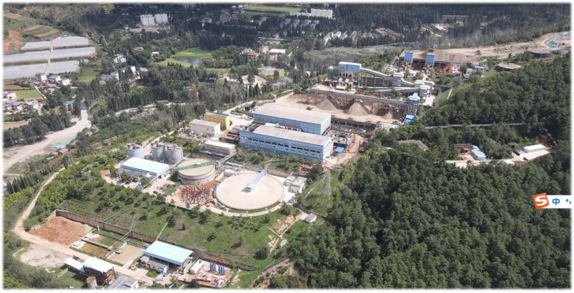
Yunnan Phosphorus Chemical Group Co., Ltd. 2 Million t/a Phosphorus Ore Mining and Beneficiation Project
China Bluestar Lehigh Engineering Corporation
Comprehensive Mining Automation Control System
Beijing Tianma Intelligent Control Technology Co., Ltd.
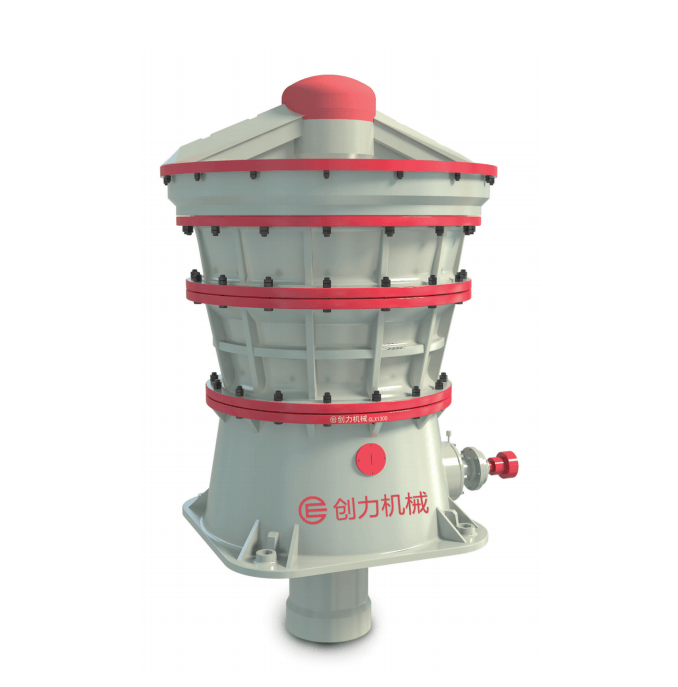
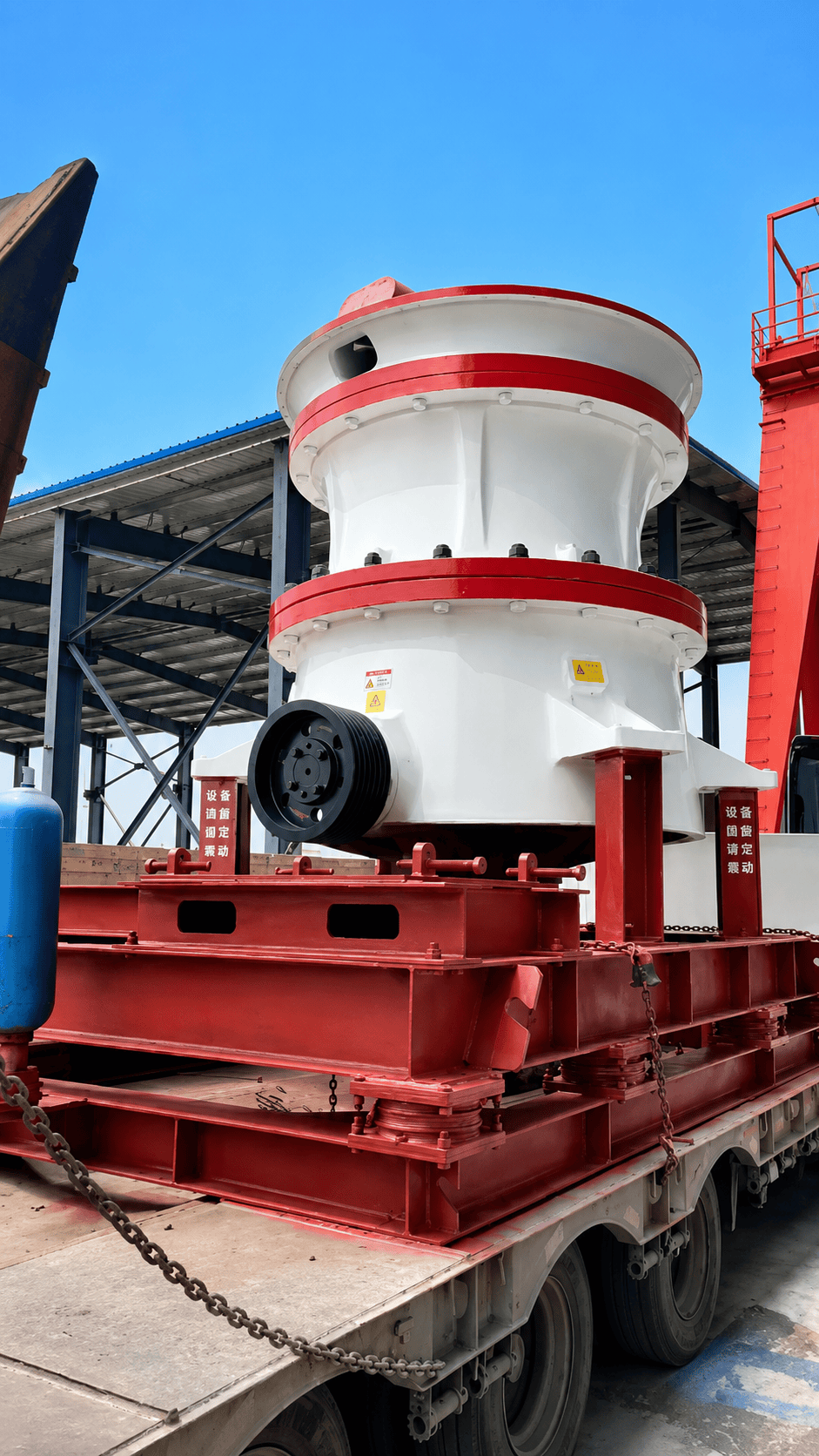
CLX Series Intelligent Hydraulic Gyratory Crusher
Guangdong CHUANGLI intelligent machinery Equipment Co., LTD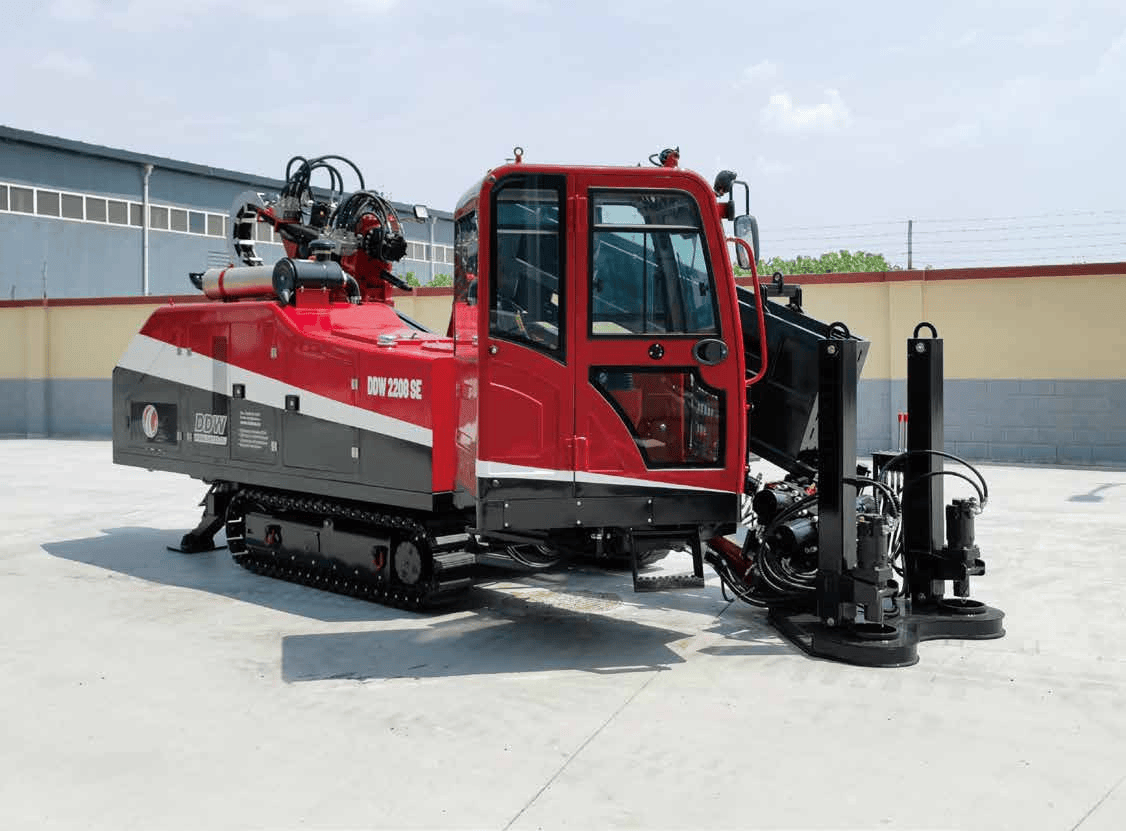
DDW22/08SE-HORIZONTAL DIRECTIONAL DRILL
DW/TXS Construction Equipment (Beijing) Co., Ltd.