Tencent Cloud and RoboScience have reached a strategic cooperation to jointly build a cloud foundation for embodied intelligence.
en.Wedoany.com Reported - On July 15, Tencent Cloud and RoboScience Robotics reached a strategic cooperation to build a cloud-based infrastructure for embodied intelligence covering robot R&D, model training, and product delivery, focusing on four areas: cloud computing and computing power assurance, large models and AI capabilities, audio/video and perception data, and IoT and device collaboration. The two parties will also jointly launch a cloud-based EaaS embodied intelligence service, connecting computing power, data, models, and robotic devices to a unified platform. Currently, the two parties have not yet announced the initial scale of computing power, the number of connected devices, or the official launch date of the service.
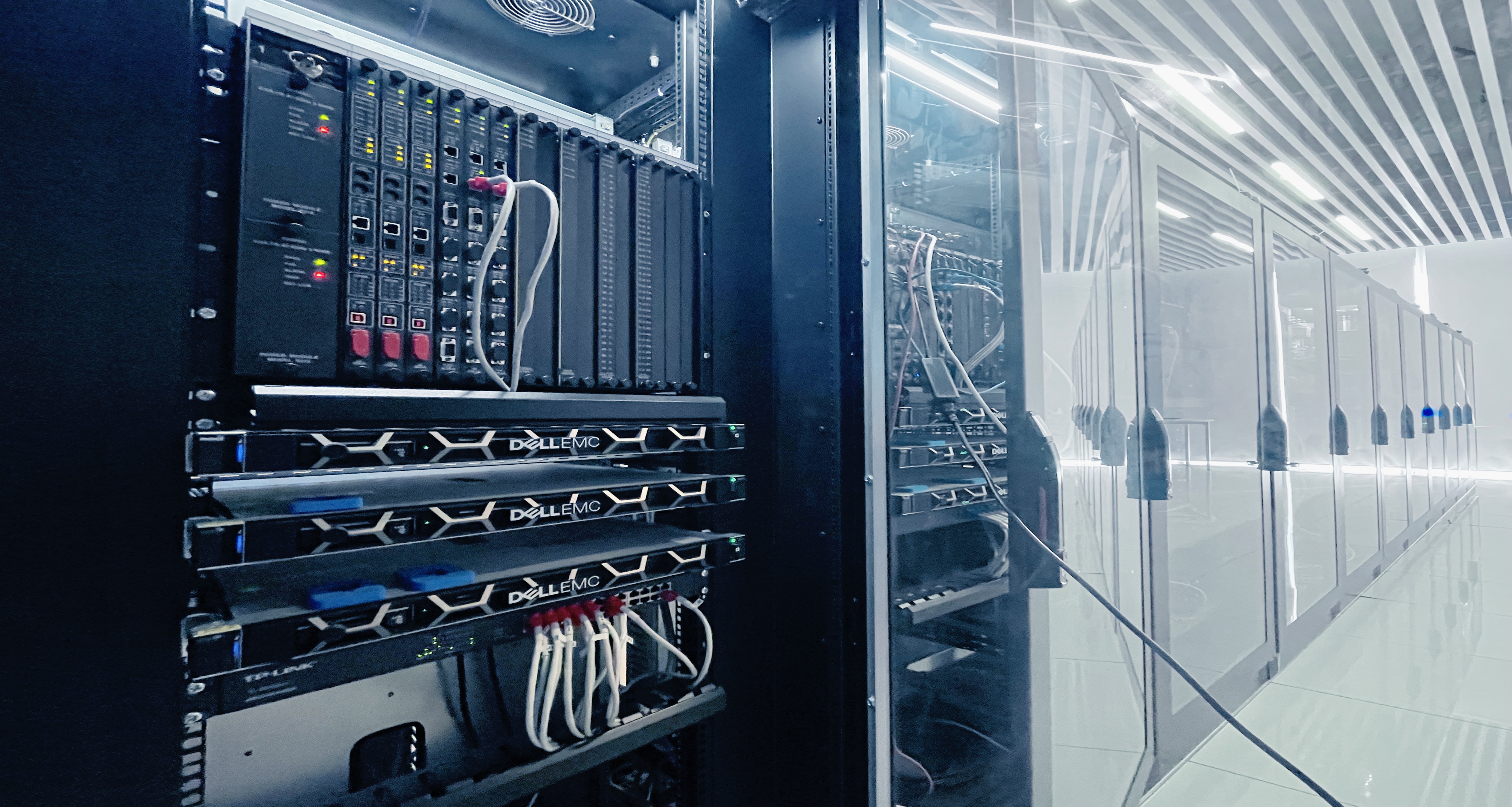
This cooperation will first supplement the cloud computing power required for training embodied intelligence models. During the R&D process, robots require repeated model training, simulation testing, and real-world validation, involving the processing of video, images, voice, motion trajectories, and sensor data. Tencent Cloud in China will provide elastic computing and large-scale data processing capabilities, enabling RoboScience Robotics in China to increase or adjust computing resources based on training tasks, reducing the need to build separate computing clusters for different R&D projects.
The data platform is another key focus of this cloud foundation. The existing embodied intelligence data platform from Tencent Cloud in China can centrally store sensor data, model files, and multimedia training materials, and provide capabilities for data acceleration, cross-modal retrieval, and training sample management. The platform is designed for large-scale GPU clusters and can support high-concurrency data reading and model training. The two parties have not yet announced the specific cloud products to be used for the final EaaS, but the cooperation direction already covers audio/video, perception data, and their training and processing stages.
RoboScience Robotics in China will connect its self-developed general-purpose embodied large model and robotics technology to the cloud foundation. The Visics general-purpose embodied large model currently developed by the company is trained using simulation and video data, aiming to form generalized manipulation capabilities across different robot bodies, objects, and tasks. Its business also covers robot bodies, end effectors, and multimodal physical simulation, possessing a software-hardware synergy foundation that extends from model training to robot hardware validation.
IoT and device collaboration will extend this infrastructure from a training platform to robot terminals. The cooperation scope explicitly covers robot R&D, training, and delivery. The cloud system needs to connect different models of robots and their sensors, enabling trained models to enter real devices for testing and application. Specific functions for model deployment, device management, operation monitoring, and remote maintenance have not yet been announced, but device collaboration has become a core component of the joint construction by both parties.
The EaaS launched by the two parties, i.e., "Embodied Intelligence as a Service," will integrate the originally fragmented capabilities of computing power leasing, data processing, model training, and device access into a cloud service. Robot companies and industry clients can use relevant capabilities around specific tasks to complete the process from training data preparation and model development to robot terminal delivery, reducing the cost of repeatedly building computing, data, and training systems for each project. The two parties position this as the industry's first cloud-based EaaS embodied intelligence service.
RoboScience Robotics in China has established R&D and production centers in Beijing, Shenzhen, Suzhou, and Hangzhou, and plans to advance the mass production of standardized robot bodies for industrial and commercial scenarios by 2026. This cloud infrastructure construction will provide unified support for multi-site R&D, model training, and robot delivery. However, the two parties have not yet announced plans for building new robot factories, adding production lines, or specific annual production volumes. At this stage, physical progress is mainly focused on building cloud computing resources, training platforms, and device access systems.
Related Products
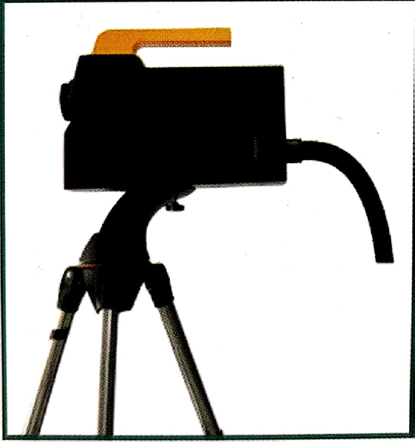

Automatic Aiming Laser Remote Obstacle Removal Robot
Pinggao Group Weihai High-Voltage Apparatus Co., Ltd.

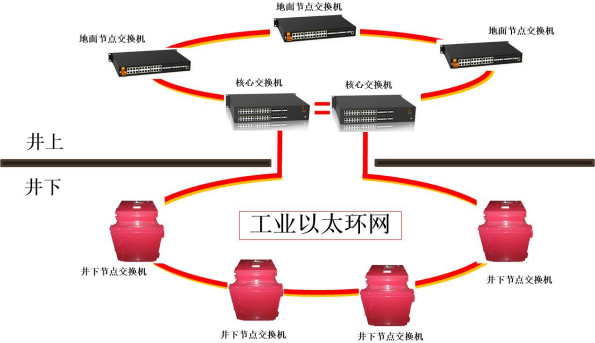
Mine Explosion-proof and Intrinsically Safe Industrial Ethernet Ring Network (10 Gigabit/Gigabit)
Chongqing Mas Sci&Tech Co., Ltd.

Comprehensive Mining Automation Control System
Beijing Tianma Intelligent Control Technology Co., Ltd.
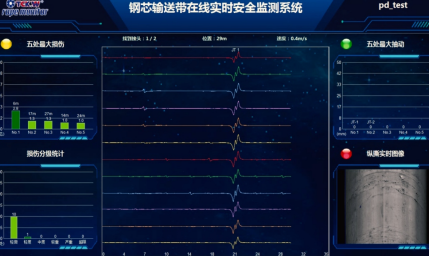
Conveyor Belt Intelligent Monitoring System
LUO YANG WIRE ROPE INSPECTION TECHNOLOGY CO., LTD.
20 Inch 1600*900 Full HD 60Hz TFT LED Monitor with VGA and DP Interfaces for Desktop Computers-Business Use
Guangzhou Zanying Optoelectronics Technology Co., Ltd.