en.Wedoany.com Reported - California-based clean technology company Bioforcetech has received $310,000 in Bridge Carbontech funding to develop an industrial dosing system for incorporating its OurCarbon material into concrete mixtures at batch plants.
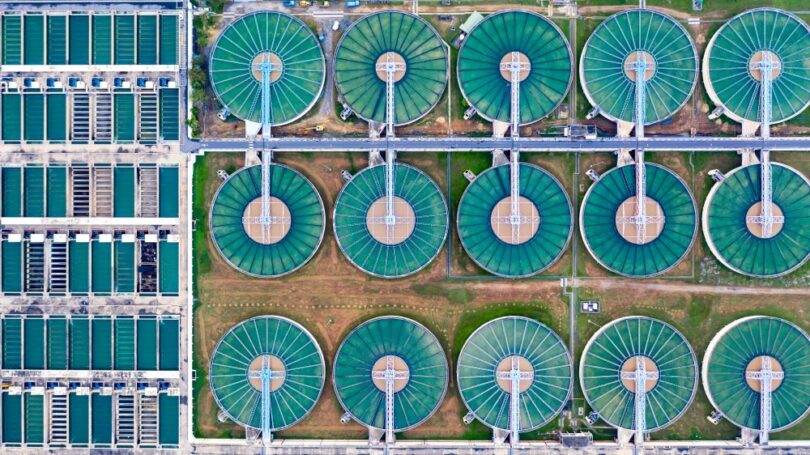
The funding is awarded through Columbia University's Carbontech Development Initiative, supported by the New York State Energy Research and Development Authority. The project addresses two growing challenges: biosolids management from wastewater treatment and reducing the embodied carbon of construction materials.
Biosolids are treated solids left after wastewater treatment, which utilities manage through land application, landfilling, or further processing. With increasing regulatory and public attention on contaminants such as PFAS, traditional disposal pathways face mounting pressure.
Bioforcetech's technology treats biosolids on-site through bio-drying followed by high-temperature pyrolysis. The company's BioDryer system removes moisture, after which the SigmaOne process heats the material in a low-oxygen environment, producing a stable, carbon-rich biochar. The resulting material, branded as OurCarbon, can be used in products such as concrete, inks, coatings, polymers, and fabric dyes.
PFAS contamination has become a central issue for wastewater utilities and biosolids managers. Bioforcetech states that its pyrolysis process has been tested for PFAS reduction, including at its flagship installation at Silicon Valley Clean Water in California. Third-party testing by engineering firm Brown and Caldwell showed a 99.98% PFAS removal efficiency across the commercial system. The U.S. Environmental Protection Agency has also studied PFAS destruction during biosolids pyrolysis.
Regarding carbon storage in concrete, Bioforcetech says that based on third-party environmental product declaration data, each ton of OurCarbon sequesters 1.02 tons of CO2 equivalent and can avoid up to 24 tons of CO2 equivalent compared to landfilling. When added to concrete, the carbon is stored in durable building materials while diverting biosolids from landfills.
Bioforcetech CEO Dario Presezzi stated that the company is committed to building technologies that enable circularity and aims to apply its experience in treating wastewater solids to close the carbon cycle by permanently storing carbon in concrete.
Kartik Pilar, Project Director of the Carbontech Development Initiative, noted that the project reflects the program's goal of accelerating the commercialization of innovative carbon management technologies to generate climate and economic benefits.
The Columbia University-supported project will focus on the final stage of the supply chain: designing, prototyping, and producing a dosing system that allows concrete producers to more automatically use OurCarbon in batch plant operations. The system can automatically deliver OurCarbon to concrete mixer trucks.
Garrett Benisch, Chief Development Officer at Bioforcetech, stated that New York State is a clear case where the government is addressing many challenges of decarbonization and cleaning material streams, and the Carbontech Development Initiative has identified the project as a multi-benefit opportunity in waste management and construction.
Founded in 2012, Bioforcetech has deployed over 40 drying units across 17 locations in the United States and Italy, and operates full-scale biosolids pyrolysis systems in both countries. Broader opportunities will depend on regulatory acceptance, commercial concrete performance, local supply chain economics, and the ability to demonstrate consistent environmental results at scale.