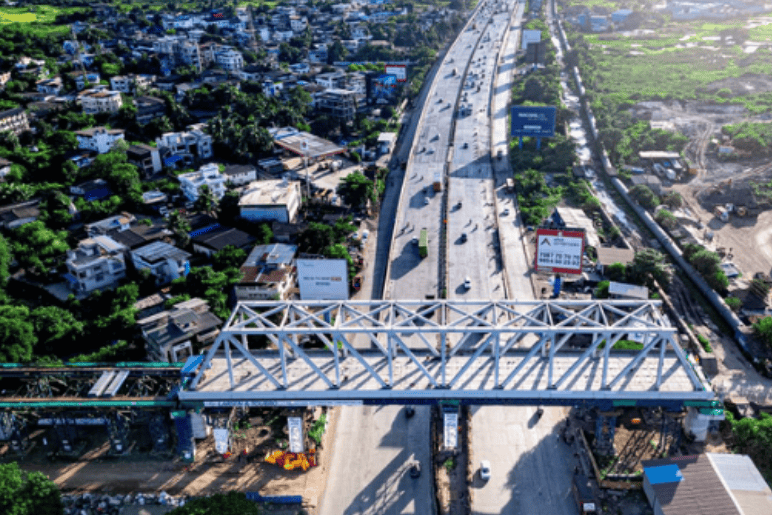
China Communications Construction and China Civil Engineering form consortium to build 12.4km cross-sea bridge in Brazil
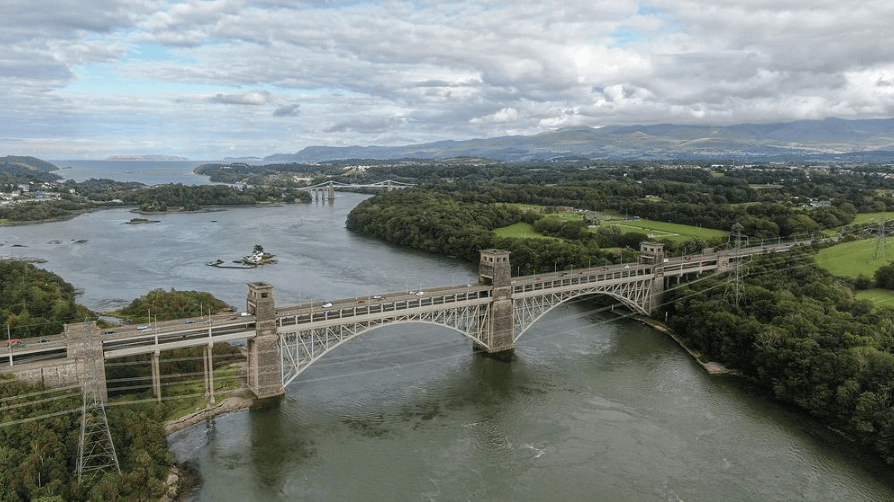
en.Wedoany.com Reported - The consortium formed by China Communications Construction Company (CCCC) and China Civil Engineering Construction Corporation (CCECC) has officially commenced the Salvador-Itaparica Bridge project in Brazil. Spanning 12.4 kilometers across the Bay of All Saints, the bridge will become the largest cross-sea bridge in Latin America upon completion. The project was announced for construction by Brazilian President Luiz Inácio Lula da Silva on July 1, 2026, with delivery expected in June 2031, over a five-year construction period.
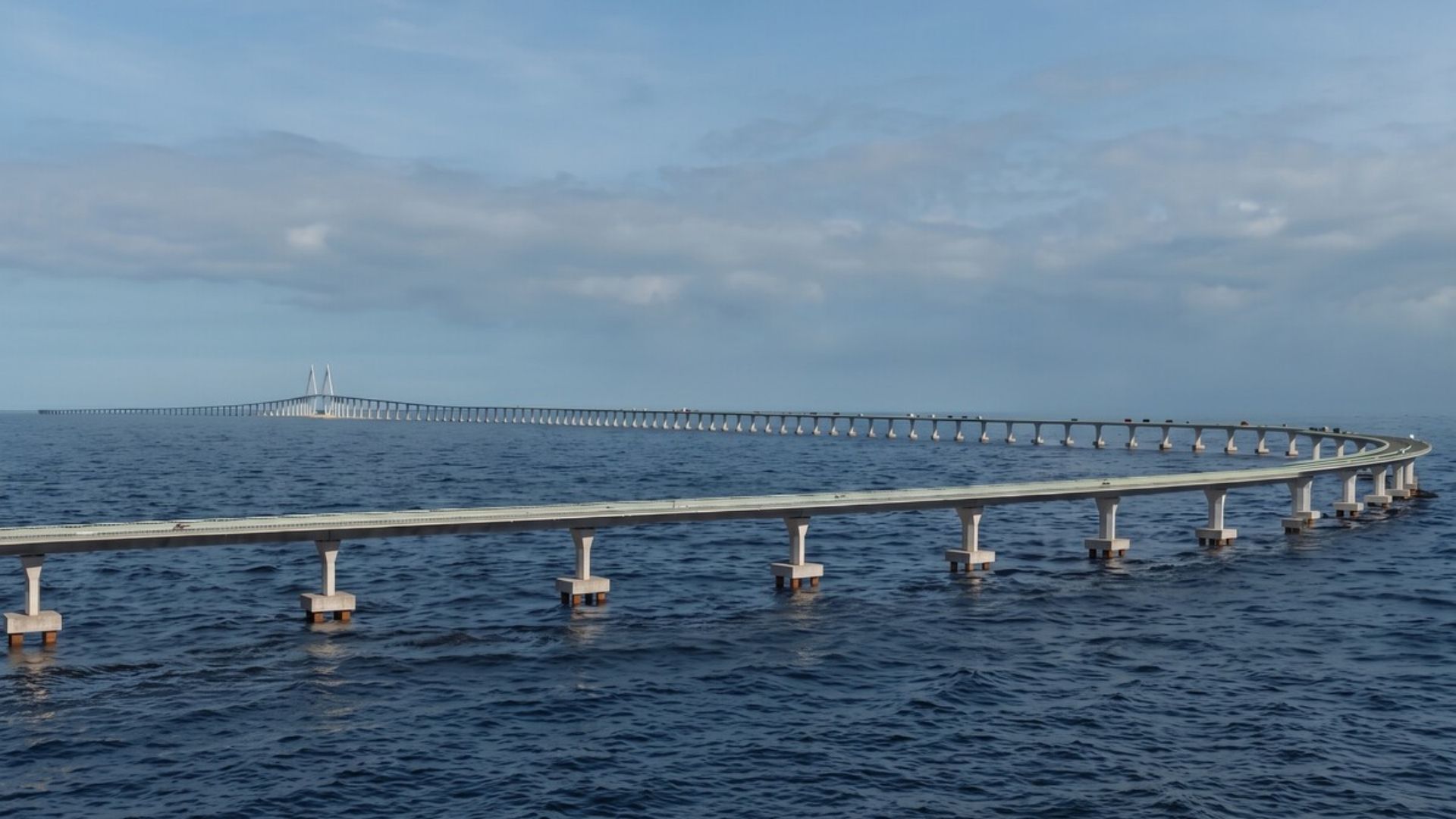
The total cost of the project is approximately 11.6 billion Brazilian reais (about 47.2 billion Chinese yuan), of which the Chinese concession company contributes 5.5 billion reais, accounting for roughly 47%. The remaining funds are provided by the Brazilian federal government (3 billion reais) and the government of Bahia state (3.1 billion reais). The bridge system adopts a public-private partnership (PPP) model, with a concession period of 35 years, including one year for research and permit acquisition, five years for construction, and 29 years for operation. The central section, measuring 682 meters, features a cable-stayed structure with a deck 85 meters above sea level to allow passage of large vessels. The project also includes the construction of 4.4 kilometers of connecting roads within Salvador, 22 kilometers of expressways on Itaparica Island, and the widening of an 8-kilometer section of the BA-001 highway.
The project is expected to directly or indirectly benefit approximately 10 million residents in 250 surrounding cities. Replacing the existing ferry system, it will save about two hours of travel time. The Bahia state government stated that the bridge will shorten the transport distance for goods from western Bahia by 200 kilometers, with an estimated economic impact of 40 billion reais in the region. During construction, 7,000 jobs will be created. Preliminary geotechnical studies have drilled 105 boreholes along the route, with the deepest reaching 67 meters below the seabed, and materials extracted from up to 200 meters beneath the seafloor.
At the project launch ceremony, the president of the Chinese concession company acknowledged that the project faces "world-class marine engineering challenges," involving medium-to-long period waves and complex seabed geology. The specific toll amount for the bridge has not yet been announced. The bridge is designed for a daily traffic flow of 28,000 vehicles. Connecting the capital of Bahia state, Salvador, with the lower southern region, the bridge is officially named the Salvador-Itaparica Island Bridge System.
Related Products


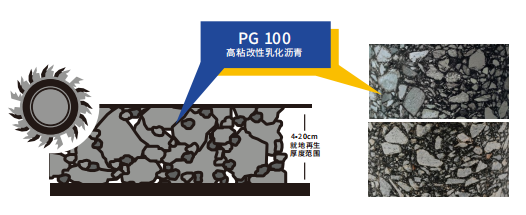
High-toughness in-Situ Cold Recycling Technology for Original Structural Layers
Central Fortune Creation Technology Group Co., Ltd.
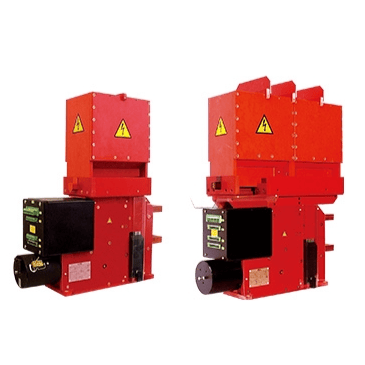

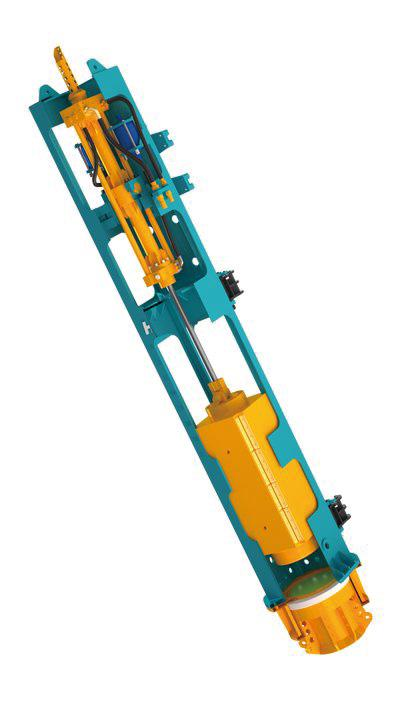
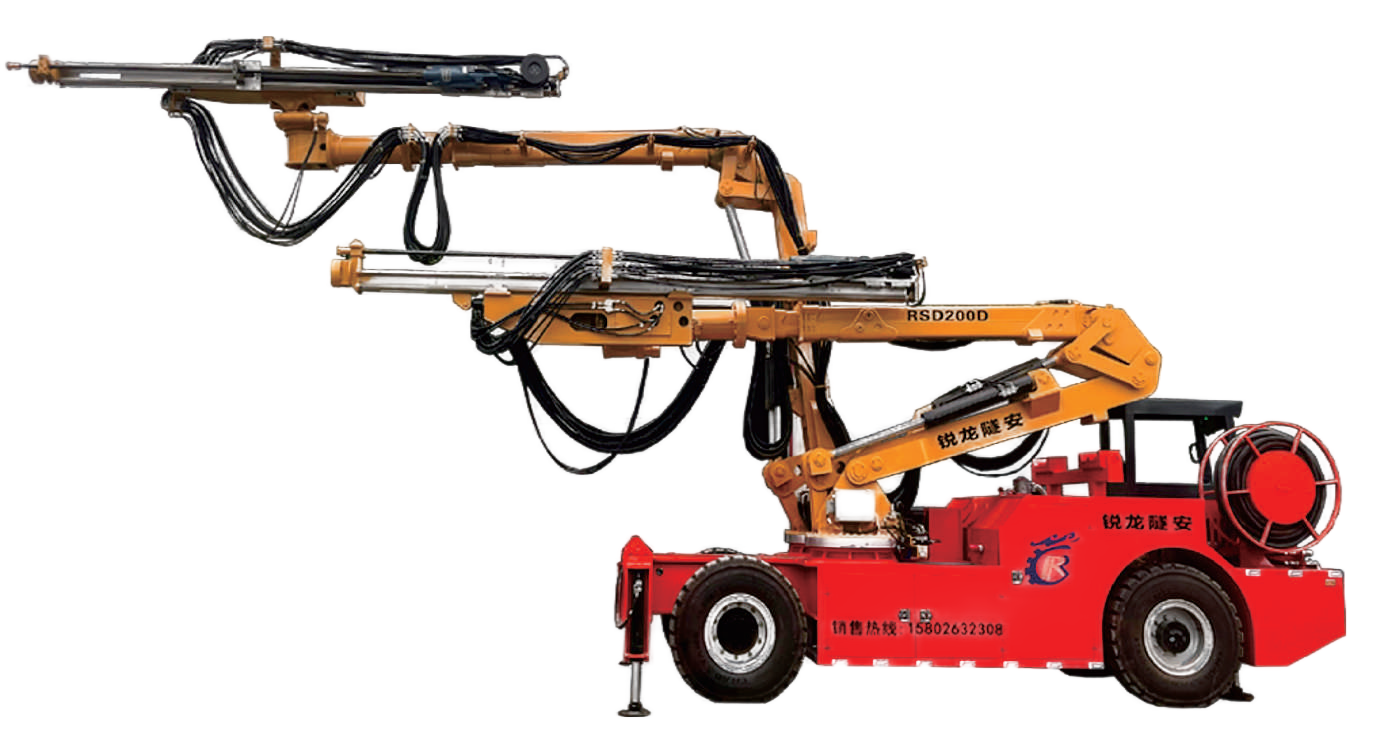
Dual-curved Arm Rock Drilling Trolley RSD200D
Chengdu Ruilong Machinery Manufacturing Co., Ltd.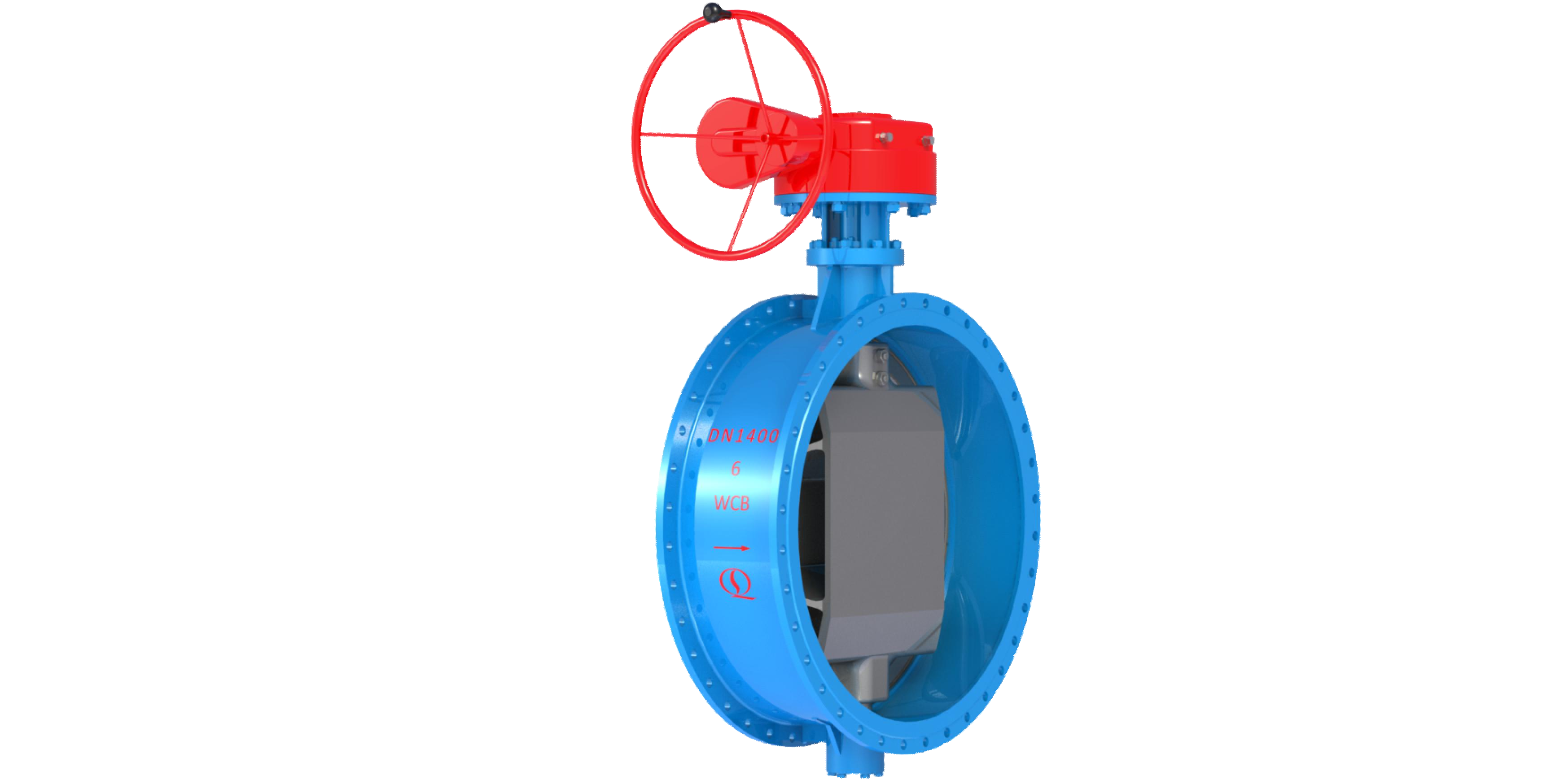
Bidirectional Metal Hard Sealed Seawater Butterfly Valve
Henan Quanshun Flow Control Science & Technology Co., Ltd.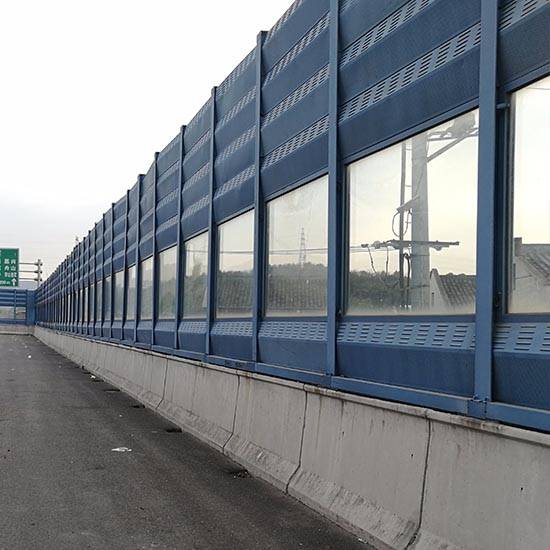
Metal sound barriers that can reduce the transmission of road noise
Hebei Jinbiao Construction Materials Tech Corp., Ltd.