Microsoft Partners with 3M to Advance AI Data Center Construction
en.Wedoany.com Reported - On July 15, Microsoft established a strategic partnership with 3M to jointly advance the construction of artificial intelligence data center infrastructure. Microsoft's Azure cloud platform and AI infrastructure will be the first to deploy 3M's expanded beam fiber optic technology, supporting large-scale connections among high-density server clusters, network switching equipment, and storage systems. This collaboration marks the transition of the relevant technology from the validation phase to actual deployment in hyperscale cloud data centers.
As the scale of AI model training and inference increases, data centers need to deploy more GPU servers, high-speed switches, and storage devices. The number of server cabinets and network interface density continue to rise. After computing equipment is installed, it must be connected via fiber optic networks to form collaborative computing clusters. Microsoft's introduction of this new optical connectivity solution focuses on improving the construction speed, operational reliability, and post-deployment maintenance efficiency of Azure AI data center networks.
3M's expanded beam fiber optic technology will be used for high-speed interconnections between data center equipment. Traditional fiber optic connectors rely on direct contact of fiber end faces, requiring high connection precision, cleanliness, and on-site operation standards. Expanded beam fiber optics use an optical structure to enlarge the beam at the connection point, making the interface more tolerant of dust and minor contamination, and reducing the need for frequent cleaning and inspection of connectors by installation personnel.
This change directly impacts the construction progress of AI data centers. Large-scale computing clusters often require the simultaneous installation of a vast number of fiber optic connection components. Any interface contamination, repeated inspections, or rework can delay network activation. The new connection method simplifies cabling operations within and between cabinets, enabling servers, switches, and storage devices to complete networking faster, shortening the cycle from hardware installation to full operational status for computing facilities.
Microsoft will deploy the relevant technology in Azure data centers to test its stability in high-density, large-volume equipment environments. The deployment scope will cover the physical network layer required for AI and cloud computing workloads, including compute node interconnections, cabinet network access, and data transmission channels. Both parties have not yet disclosed the specific data center locations, construction scale, or equipment installation quantities for the initial applications.
To meet the infrastructure demands of AI data centers, 3M is expanding its production capacity for expanded beam fiber optic products. The company plans to increase manufacturing space in the United States and equip it with advanced production machinery, more than doubling the capacity for related products. The expanded output will be supplied to hyperscale cloud service providers, data center builders, and optical network equipment manufacturers, providing connection components for the ongoing expansion of AI data centers.
In addition to fiber optic connections, 3M will leverage its materials science and precision manufacturing capabilities to help improve the construction efficiency of AI data center physical infrastructure. Microsoft will provide hyperscale cloud infrastructure and actual deployment environments. The collaboration will form a cohesive chain across equipment production, data center installation, and network operation, enabling the new connection technology to enter mass production and large-scale engineering applications.
This partnership did not announce new data center campuses or additional computing capacity. The most tangible progress is that Microsoft will deploy new high-speed connection infrastructure in Azure AI data centers, while 3M simultaneously expands its manufacturing capabilities for related equipment. Subsequent developments will focus on initial data center installations, delivery of connection components, and the commissioning of large-scale computing clusters.
Related Products


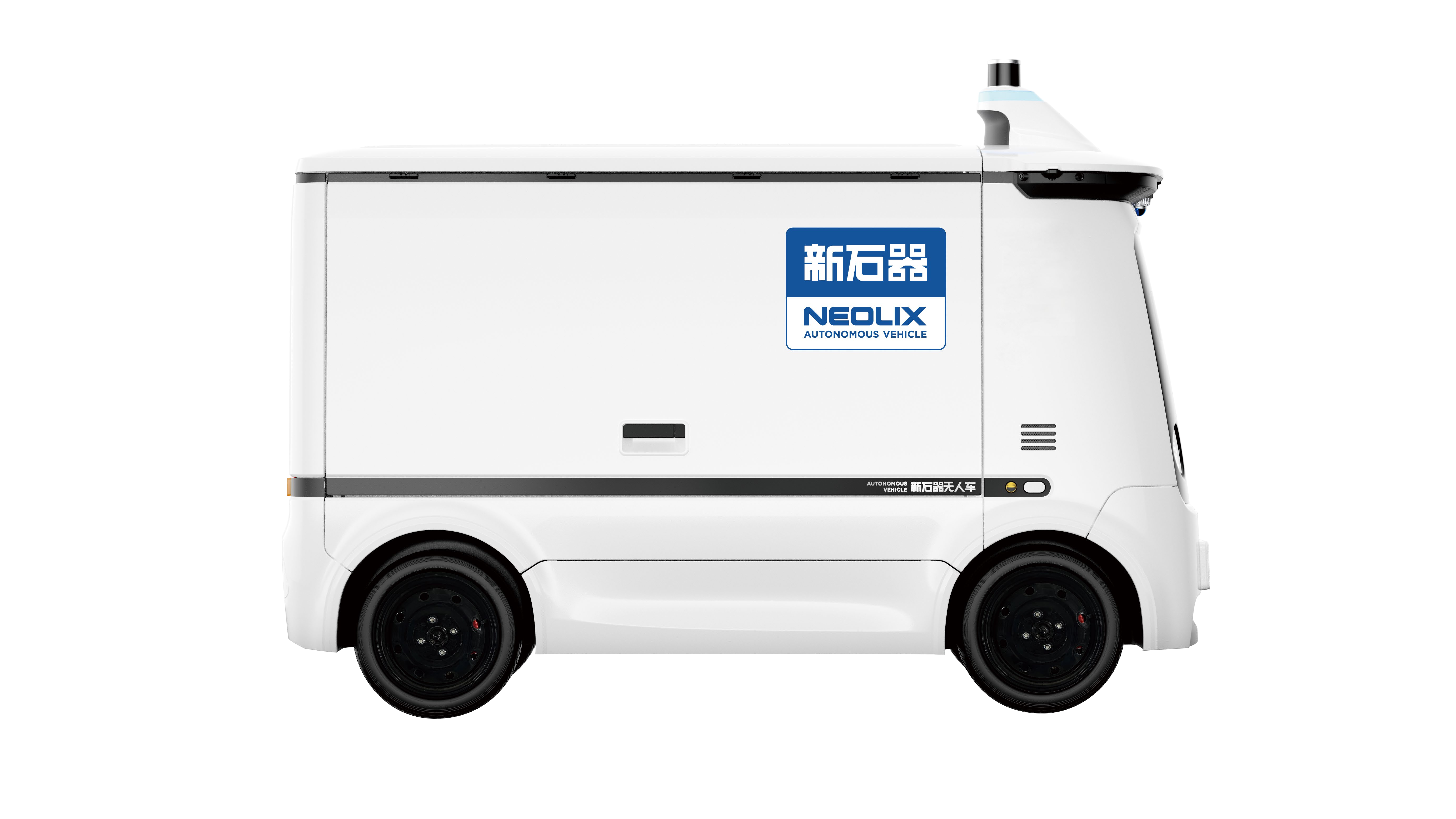
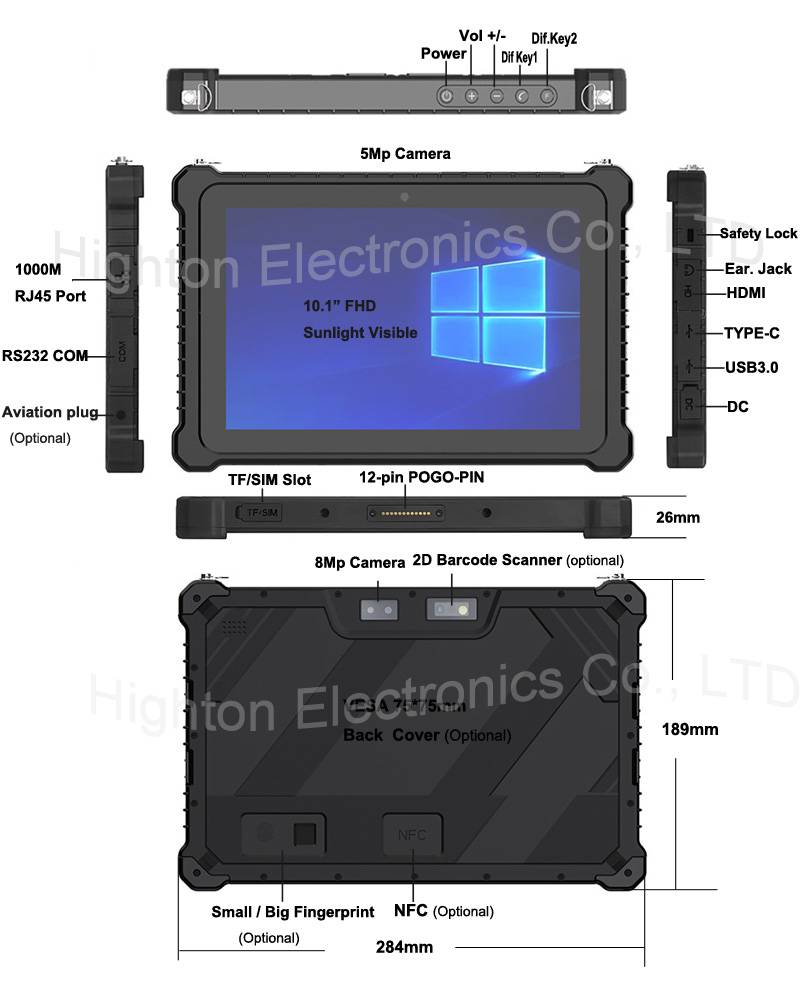
Hot Selling 10 Inch Intel N5100 I5 I7 FHD 8 +128GB 16+256GB Win10 Pro Win11 Pro 4G 5G Rugged Tablet PC Pad with NFC Barcode
Highton Electronics Co., Ltd.
GYTA Type Non-Self-Supporting Aerial/Duct Optical Cable
TONGDING INTERCONNECTION INFORMATION CO., LTD.
Flat Portable Satellite Terminal 0.35m Aperture Manual Portable Terminal
China Starwin Science & Technology Co., Ltd.
Multi-function Marine Monitoring Low-altitude Detection Radar Sea-air Boundary Ocean Dynamic Environment Measurement
Chengdu Dixin Technology Co., Ltd.

MUX Series Communication Interface Device for Security and Stability Control System
Nanjing NR Electric Co., Ltd.
TWP16 P-Band Tropospheric Wind Profile Radar
China Huayun Meteorological Technology Group Co., Ltd.