American Ocean Minerals Corporation Forms $1 Billion Deep-Sea Mineral Platform
en.Wedoany.com Reported - American Ocean Minerals Corporation (AOMC) is forming a deep-sea mineral platform valued at approximately $1 billion through an all-stock merger, marking a shift in the competition for critical minerals from land to the ocean. This platform integrates exploration licenses in the Cook Islands and multiple projects at the application stage, involving key materials such as nickel, cobalt, copper, manganese, magnesium, lithium, and rare earths needed for batteries, electric drivetrains, and permanent magnets.
Following the all-stock transaction with Odyssey Marine Exploration, which has over three decades of offshore operational experience, and subject to shareholder, regulatory, and Nasdaq approvals, AOMC is expected to trade under the ticker AOMC. Prior to the transaction, AOMC had raised over $230 million from institutional and strategic investors. The platform integrates interests in Cook Islands exploration licenses held through Moana Minerals and CIC Limited, as well as project areas advanced in international waters under U.S. authorities. According to a resource report prepared under S-K 1300 standards, the Cook Islands license area contains 417 million tonnes of indicated resources and over 2 billion tonnes of inferred resources. Tom Albanese, Chairman of AOMC and former CEO of Rio Tinto, stated that every responsible decision begins with understanding data and science, and the company is committed to first measuring, better understanding, and supporting future decisions with evidence.
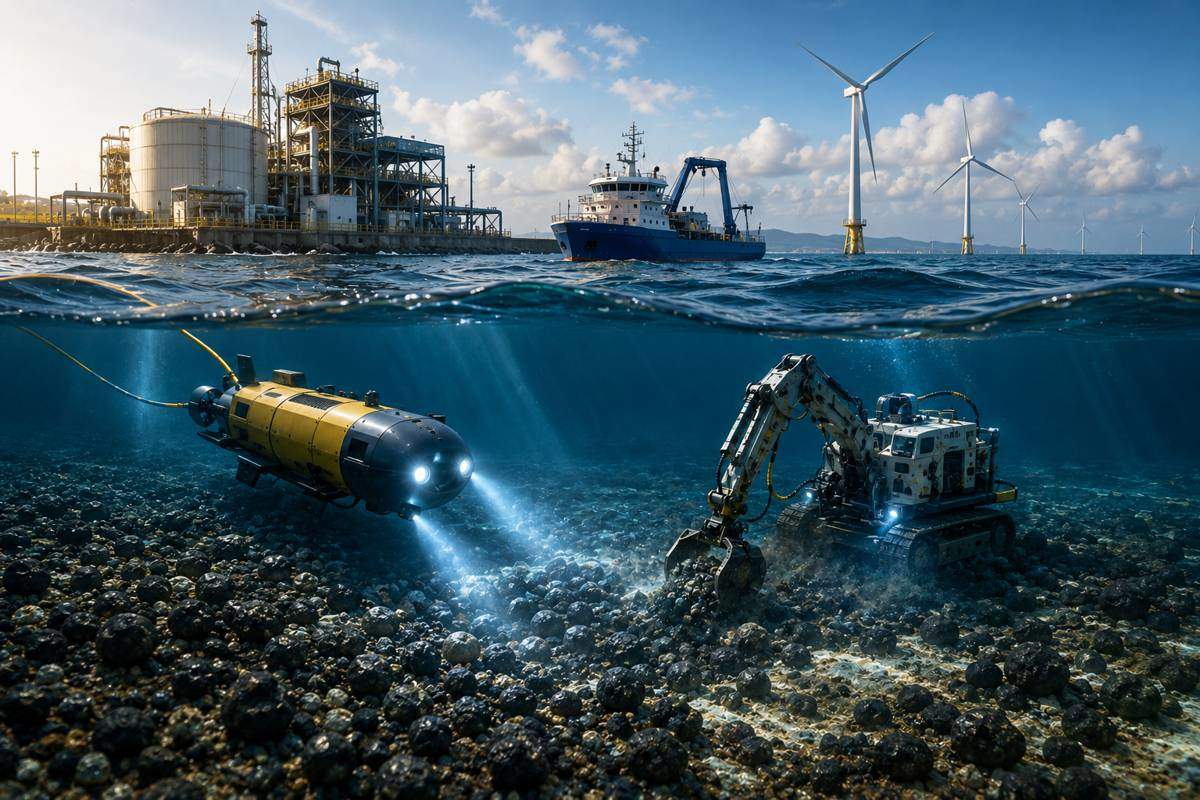
Moana Minerals completed a ten-day autonomous survey in the Cook Islands, deploying three HUGIN submersibles from Ocean Infinity's Armada 8605, collecting over 600,000 seabed photographs at depths exceeding 5,000 meters. The operation mapped and photographed the seabed over approximately 1,000 square kilometers within Exploration License 3, generating over 600,000 seabed images, synthetic aperture sonar data, and environmental sensor data. Processing and quality control are expected to be completed in the third quarter of 2026, after which artificial intelligence will be applied to the images to identify, count, and characterize nodules and marine life. CEO Hans Smit stated that this work reflects how seabed mineral development should proceed—by using genuine science to inform decisions.
Impossible Metals has opened an advanced marine robotics center in Pittsburgh, creating over a dozen engineering and science jobs, leveraging the region's expertise in autonomy and physical artificial intelligence to develop its Eureka seabed collection system. The Eureka platform is designed to hover above the seabed, using buoyancy control, computer vision, and robotic arms to selectively pick individual polymetallic nodules, leaving nodules hosting visible marine life undisturbed and avoiding the sediment plumes associated with traditional methods. Following autonomous collection of test materials and deep-water navigation trials off the coast of Florida, the company stated that a production-scale system is the next milestone. Executive Chairman Steve Curnutte said that Pittsburgh is building the future, with a mission to keep the United States leading in the autonomous marine and ocean science systems needed to secure critical minerals. Chief Growth Officer Mike Regan described it as precise collection by swarms of autonomous robots, rather than a single machine picking up rocks.
Pacific Northwest National Laboratory has demonstrated the ability to extract magnesium hydroxide directly from seawater and pair it with existing desalination infrastructure. Chemical oceanographer Jessica Cross noted that just 0.1% of seawater contains enough critical minerals like magnesium and lithium to meet human needs for the next 50,000 years or more. The lab's co-flow reactor brings seawater into contact with sodium hydroxide, causing high-purity magnesium hydroxide to precipitate at the interface of the two liquids, eliminating at least four steps from mid-20th-century processes. Environmental engineer Brooke Martin's analysis found that pairing this reactor with the Carlsbad, California desalination plant, which processes 108 million gallons of seawater daily, could be transformative at scale. At 100% magnesium recovery, it would provide 524,000 kilograms of magnesium hydroxide per day, more than three times current U.S. usage. Chemist Chinmayee Subban noted that the standard composition of seawater globally means a technology developed for one location could be rapidly deployed elsewhere, with the challenge being scaling it to make it economically viable. The research also found that some seaweeds concentrate critical materials in their tissues at levels far higher than surrounding seawater. Botanist Scott Edmundson pointed out that some critical materials are concentrated in seaweed at levels one million times higher than in surrounding seawater, opening a pathway for biomining.
The 2025 U.S. Executive Order "Unleashing America's Offshore Critical Minerals and Resources" directed federal agencies to accelerate permitting under the Deep Seabed Hard Mineral Resources Act. The National Oceanic and Atmospheric Administration proposed a consolidated permitting process allowing applications for exploration licenses and commercial recovery permits through a single integrated review, and has since reported over a dozen applications. China accounts for nearly 70% of global rare earth production and dominates mid- and downstream processing of lithium, cobalt, and manganese. The International Seabed Authority has been drafting mining regulations for years but has yet to finalize them, with multiple governments calling for a precautionary pause or moratorium. The Cook Islands has engaged both with U.S. interests and, through a separate memorandum, with China. In this context, the emphasis by Moana Minerals and Impossible Metals on baseline data, selective collection, and low-impact methods reflects a calculated bet: the projects most likely to obtain operating permits will be those that can demonstrate thorough measurement of the environment before disturbing it.
Related Products

Quick-Change Single-Seat Control Valve / Quick-Change High-Pressure Single-Seat Control Valve
Beijing Consen Automation Technology Co., Ltd.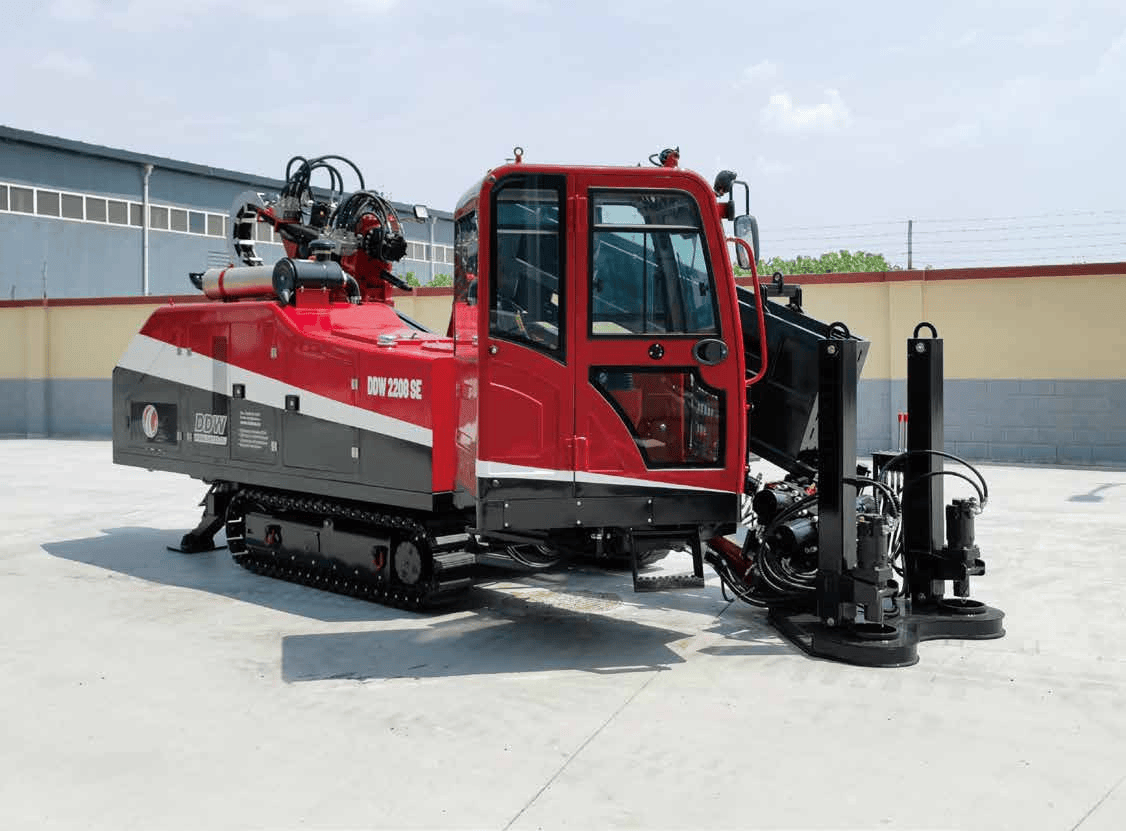
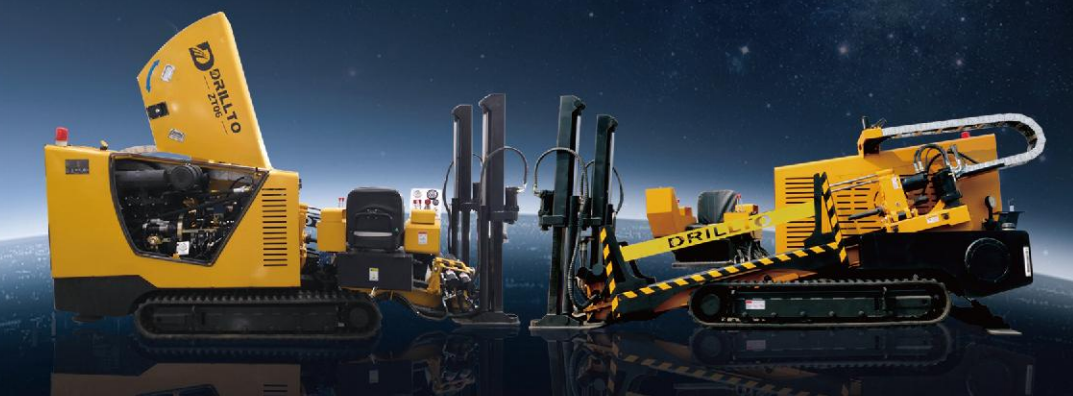
DDW22/08SE-HORIZONTAL DIRECTIONAL DRILL
DW/TXS Construction Equipment (Beijing) Co., Ltd.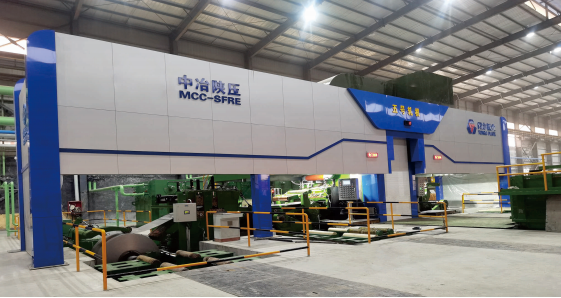
1050-1750mm Steel Strip Single-stand Reversible Cold Rolling Production Line
MCC-SFRE HEAVY INDUSTRY EQUIPMENT CO., LTD.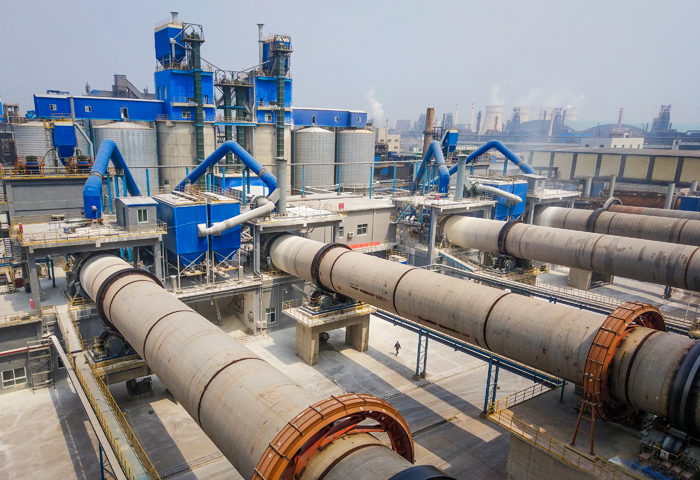
CITIC Heavy Industries Metallurgical Equipment Steel Smelting Engineering Equipment
CITIC Heavy Industries Co., Ltd.
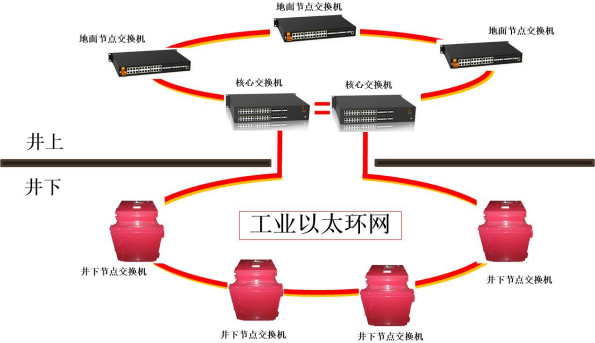
Mine Explosion-proof and Intrinsically Safe Industrial Ethernet Ring Network (10 Gigabit/Gigabit)
Chongqing Mas Sci&Tech Co., Ltd.