en.Wedoany.com Reported - Brazil's Cabral Gold Inc. has commenced mining and stacking operations at its Cuiú Cuiú oxide gold project, marking a critical step in the company's transition from a pure exploration company to a gold producer. President and CEO Alan Carter told Crux Investor that the first-phase heap leach commissioning has achieved milestone progress, with construction approximately 85% complete and over 90% of project costs locked in through contracts. With current gold prices retreating from recent highs and market volatility increasing, the production speed and costs of new capacity are drawing greater attention.
The core concept of the first-phase plant is to directly process weathered oxide material above the main gold deposit, producing gold without drilling, blasting, crushing, or grinding, thereby generating early cash flow to support larger-scale exploration. Ore from the MG deposit is being mined, screened to remove coarse rock, agglomerated with cement, and stacked on the first leach pad via mobile conveyors. Carter stated that the company was a pure exploration company just nine months ago and is now rapidly transforming into a junior gold producer.
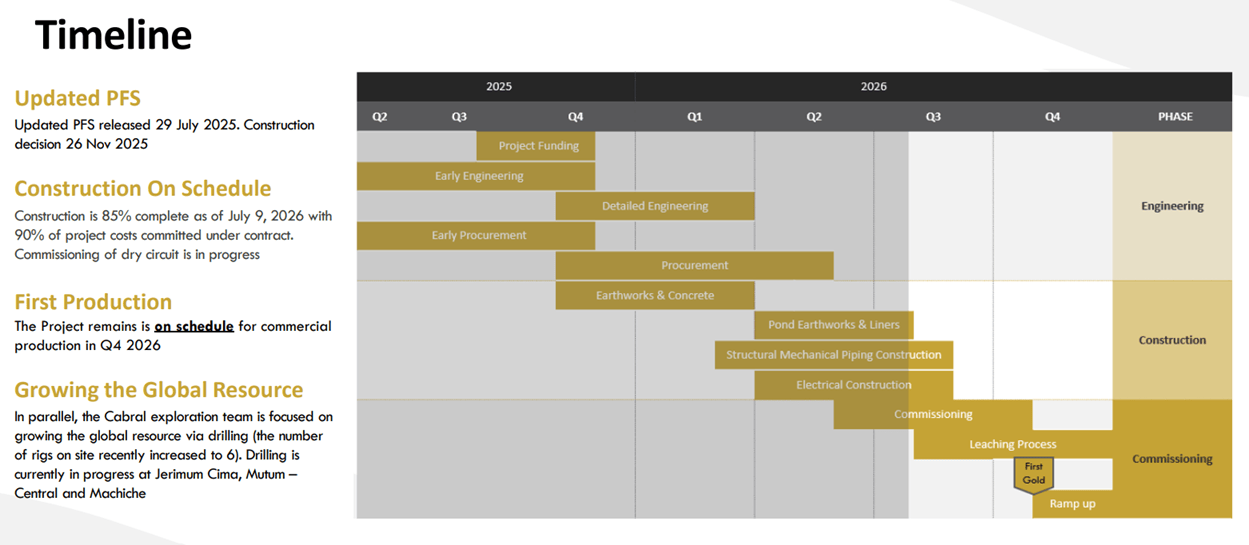
The dry circuit (from mining to initial ore processing and stacking) is largely commissioned, with the wet circuit (recovering gold from leach solution) being the next focus. The remaining critical infrastructure is the ADR plant, which strips gold from pregnant leach solution through carbon columns and produces gold bars. This plant was built and partially commissioned by Como Engineering in Perth, Australia, and has now arrived in Brazil. It is expected to reach the site in late July 2026, with assembly taking several weeks. The company's solution storage ponds, carbon columns, and solution containment facilities are complete. Carter distinguished between first gold pour and commercial production: commercial gold production is scheduled for the fourth quarter, with gold production potentially beginning before that. The company's guidance is for wet circuit commissioning in Q3 2026 and ramp-up to full production in Q4.
There are currently approximately 308 employees and contractors on site, all Brazilian, with about 61% from Pará state. Management stated that expenditures are broadly in line with the July 2025 pre-feasibility study scope, which modeled first-phase all-in sustaining costs of approximately $1,210 per ounce. Carter noted that even with gold retreating from recent highs, this cost still implies significant profit margins. The company has also identified opportunities to expand the first-phase operation scale, with preliminary work underway and guidance expected to be provided to the market in the coming weeks or months.
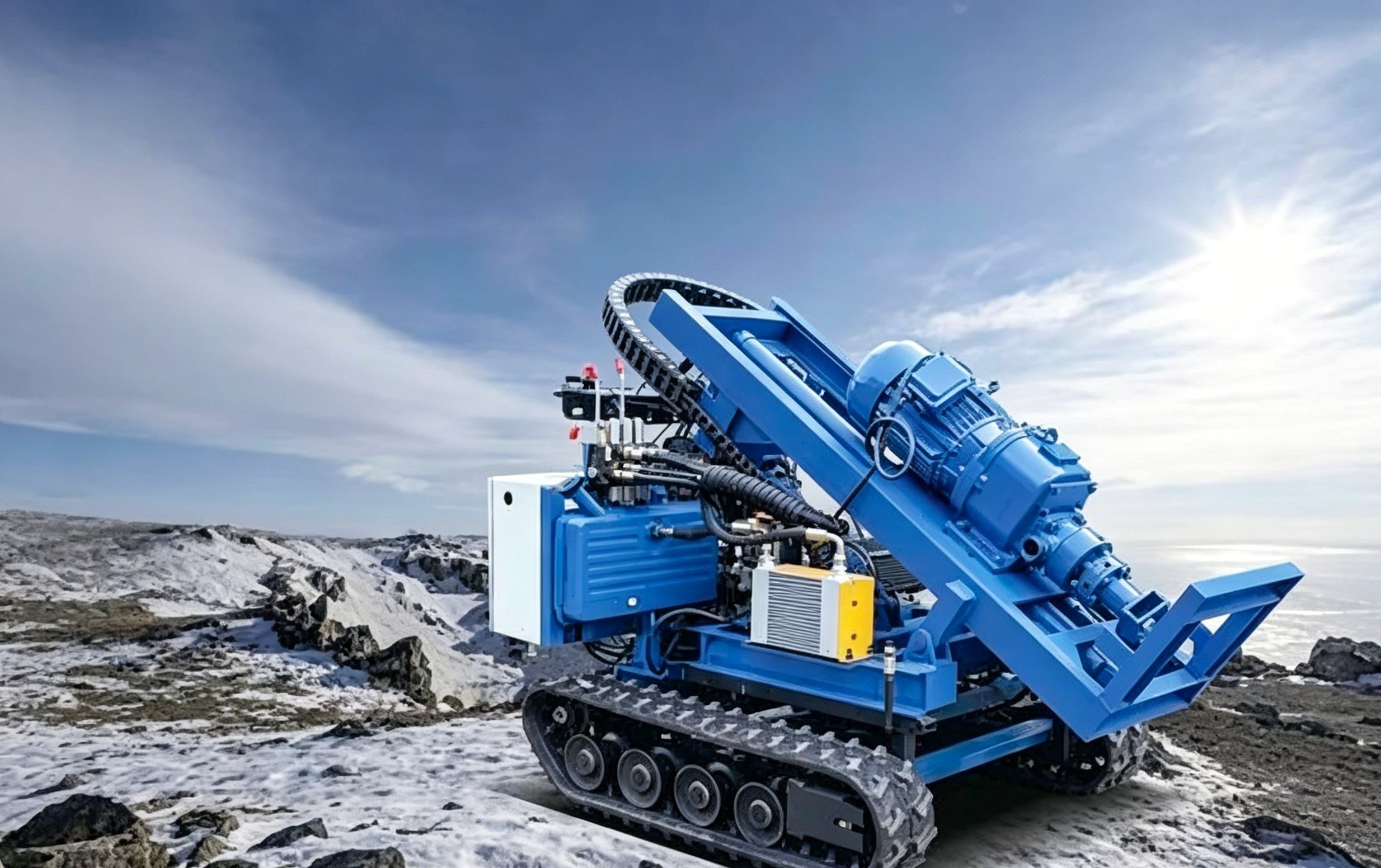
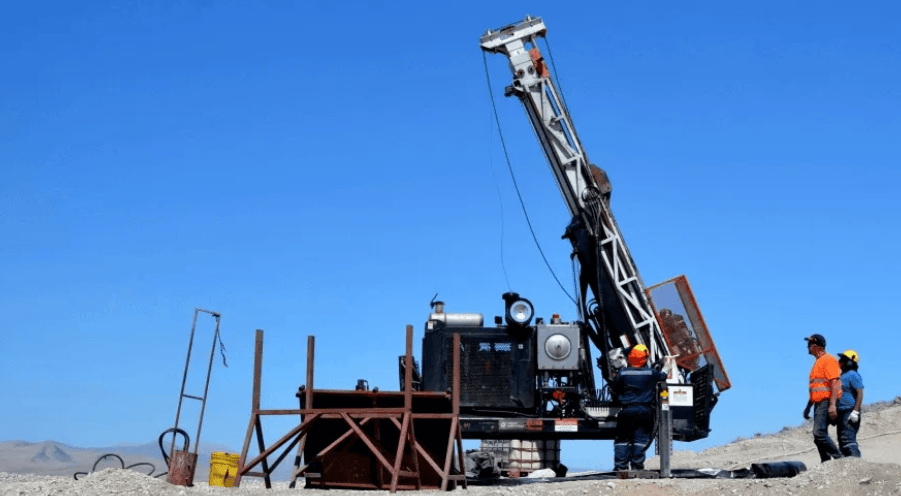
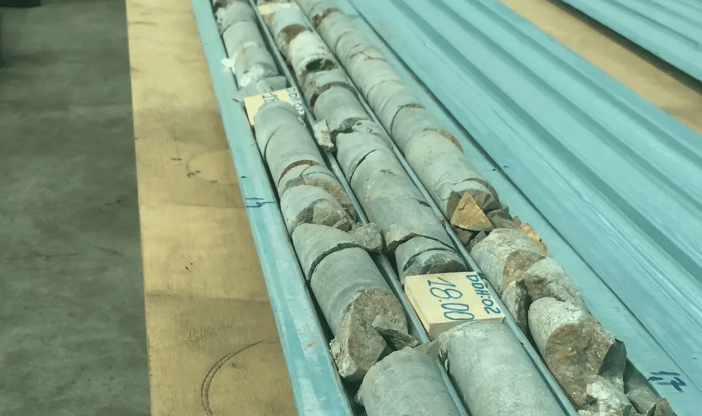
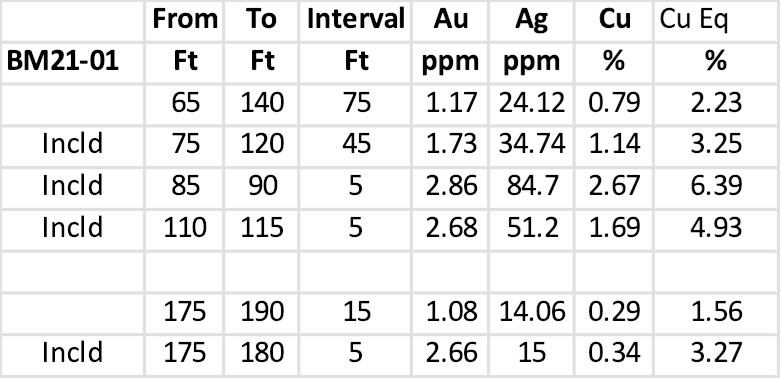
Exploration work is progressing concurrently, with six drill rigs operating at the Cuiú Cuiú project. Recent results include a report released on June 23, 2026, identifying a new mineralized zone between the Central and PDM gold deposits, and a report released on June 11, 2026, detailing 25 meters grading 7.47 g/t gold (including 10 meters grading 17.09 g/t gold) from surface drilling at the MG deposit. The company is currently modeling six gold deposits across the project area (up from three at the last update), with approximately 50 untested targets on the property where gold has been identified through previous drilling, trenching, or gravel sampling. Carter mentioned that a gravel field averaging 3 ounces per ton is an example of the upside scale yet to be tested. Cabral expects to release an updated global resource estimate by the end of 2026.
Carter noted that the company's share price has remained relatively resilient within the junior gold sector. The two biggest catalysts for the remainder of 2026 are achieving commercial gold production and releasing an updated project-wide resource estimate, both of which will be supported by ongoing drill results. For investors, a valuation revaluation is more likely to occur after actual commercial production is achieved. Cabral's target is to achieve commercial production in Q4 2026.
Against the backdrop of gold retreating from recent highs, the economics of the Cuiú Cuiú project, with its low capital intensity and near-term production, stand out. Carter stated that even with a gold price correction, producing gold at an estimated all-in sustaining cost of around $1,200 per ounce would yield substantial profit margins. Simplified metallurgy, low strip ratio, and no need for crushing or grinding translate into a cost base that can better withstand volatility compared to higher-cost primary operations. The company's strategy is to use first-phase cash flow to fund the work required to advance the larger-scale primary hard rock resource, reducing reliance on equity markets.
Cabral Gold has begun mining and stacking at its Cuiú Cuiú oxide gold project in Brazil, with construction and commissioning approximately 85% complete. The ADR plant has arrived in the country and is expected to reach the site in late July 2026, laying the foundation for wet circuit commissioning in Q3 and commercial gold production in Q4. Management stated that expenditures are broadly in line with the 2025 pre-feasibility study and has hinted at potential operational scale expansion, with guidance expected in the coming weeks. Six drill rigs remain in operation, and Cabral is currently modeling six gold deposits, targeting an updated resource estimate by the end of 2026.