US Amplify battery factory expected to be completed by end of 2026
en.Wedoany.com Reported - An executive from Amplify Cell Technologies revealed that the company's battery cell production facility in Mississippi will be completed by the end of 2026 at the latest, though the timeline for production launch remains uncertain. John O'Leary, CEO of Daimler Truck North America, stated that production will not commence immediately after the factory is completed, as it must wait for market demand to recover.

Located in Byhalia, Mississippi, the factory covers 2.6 million square feet. Construction began in July 2024, with the original target for production set in 2027. The joint venture's three major shareholders include Daimler Truck, Paccar, and Cummins' Accelera division. In recent years, demand for pure electric trucks has fallen short of expectations, leading traditional truck manufacturers to delay plans for hydrogen fuel cell electric trucks, while startups like Nikola have also faced difficulties. Daimler Truck CEO Karin Radstrom stated on May 6 that the market conditions for pure electric and fuel cell electric commercial vehicles in North America are weaker than anticipated, causing partners to postpone the installation of manufacturing capacity.
Due to project delays, Daimler Truck will record an impairment charge of 200 million euros (approximately $235 million). The factory construction cost is estimated to be between $2 billion and $3 billion. The production timeline has already been postponed once; in October 2025, Paccar revealed that production would begin in 2028.
O'Leary stated that a team of about 30 people will continue researching battery chemistry and manufacturing technologies to ensure more advanced solutions can be adopted when the factory restarts. He emphasized that the company remains confident in the technology and strategy.
Pure electric and hydrogen fuel cell electric trucks are two of Daimler Truck's five powertrain technology solutions, with the remaining three being diesel, hydrogen, and natural gas internal combustion engines. In late June, Daimler Truck announced a partnership with German developer Keyou to begin offering hydrogen internal combustion engine trucks as early as 2027, initially focusing on the European market. The company believes hydrogen internal combustion engine trucks are robust and have lower system complexity than fuel cells, making them suitable for high payload applications. In contrast, fuel cell technology offers advantages in long-haul transportation, with a range of over 1,000 kilometers (621 miles) under rapid refueling conditions. The Mercedes-Benz NextGenH2 truck will be key to the fuel cell engine technology strategy, with mass production targeted for the early 2030s. In North America, the focus is on natural gas internal combustion engines. Daimler Truck North America (DTNA) will offer customers of the 2027 model year Freightliner and Western Star six Cummins engine options, including the L9N and X15N natural gas engines. Freightliner began accepting orders for the fifth-generation Cascadia truck equipped with the X15N engine in spring 2025, providing carriers with an additional renewable natural gas option.
Related Products

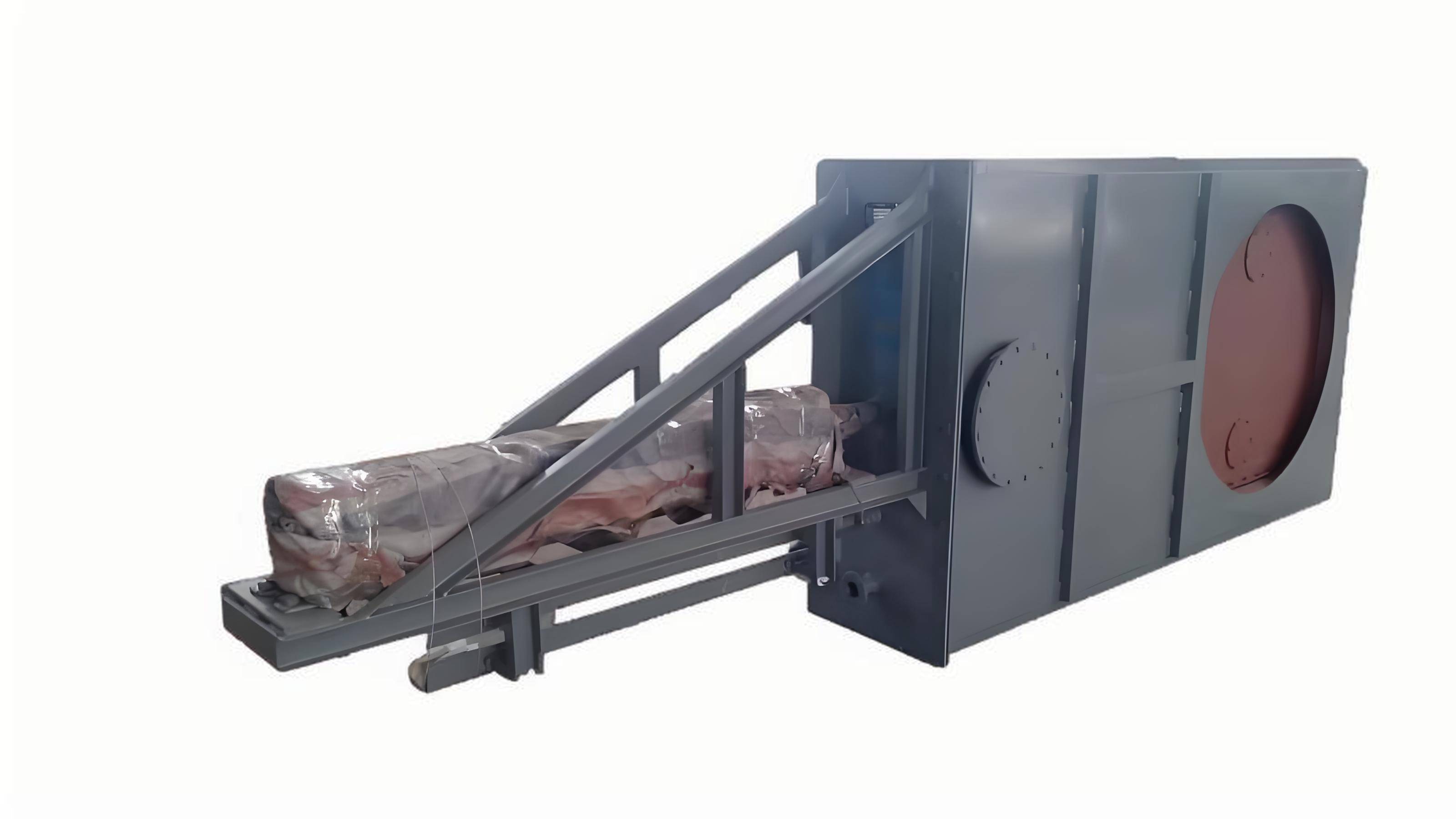
Double-slide Triple-sealed Hot Air Isolation Door
Xi'an Yingchuan Electric Power Equipment Co., Ltd.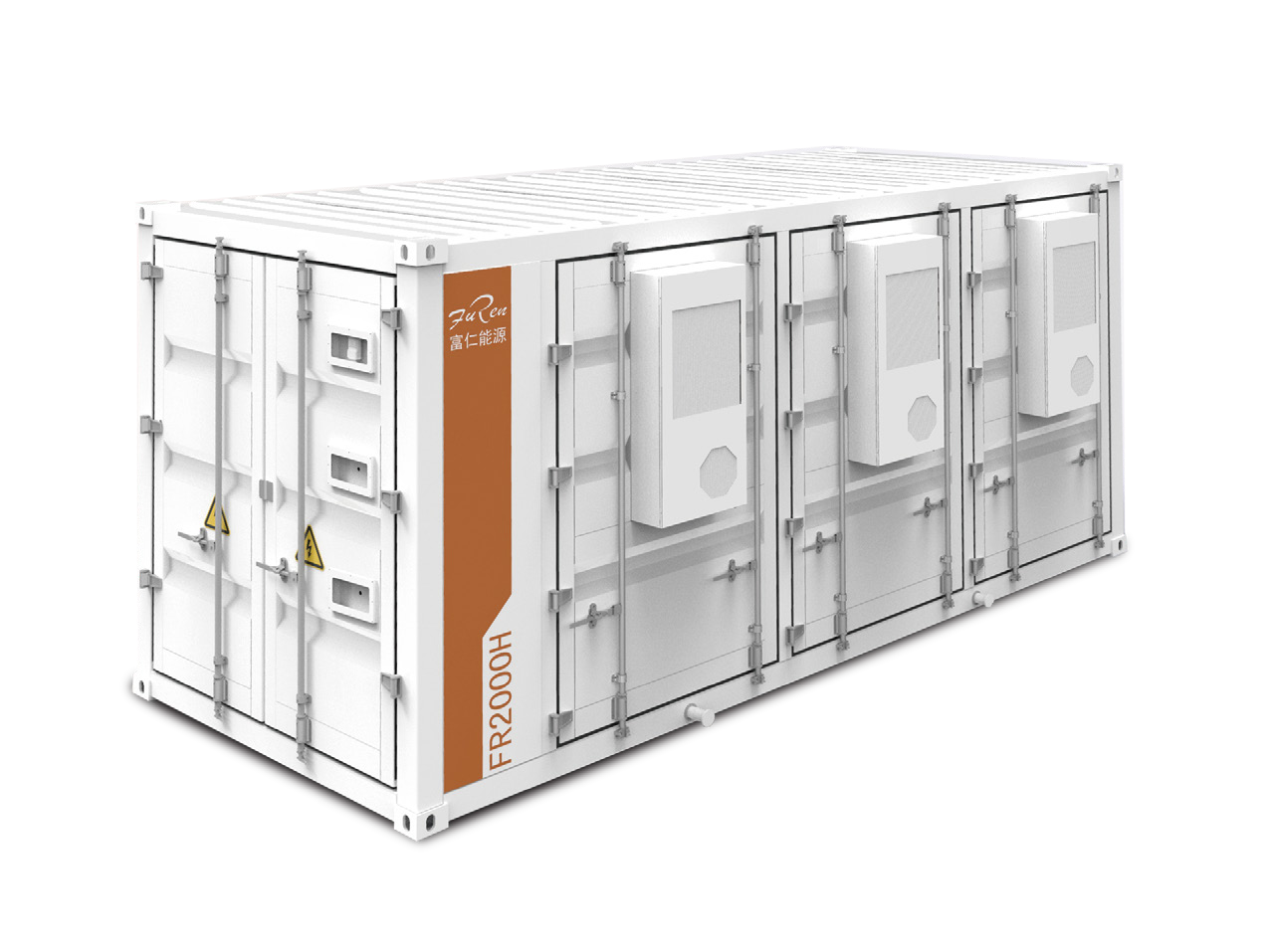
FR2000H 2.15MWh (Air-cooled) 20-foot Containerized Energy Storage System
Jiangyin Furen High-tech Co., Ltd.
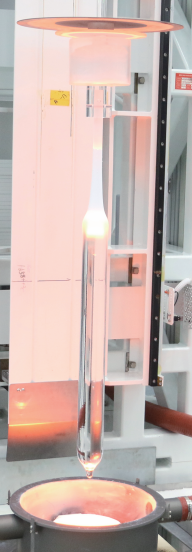
G.652.D Wavelength-extended Non-dispersion Shifted Single-mode Optical Fiber
HONGAN GROUP CO., LTD.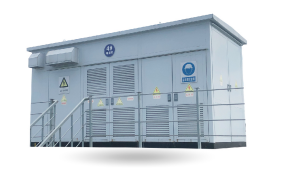
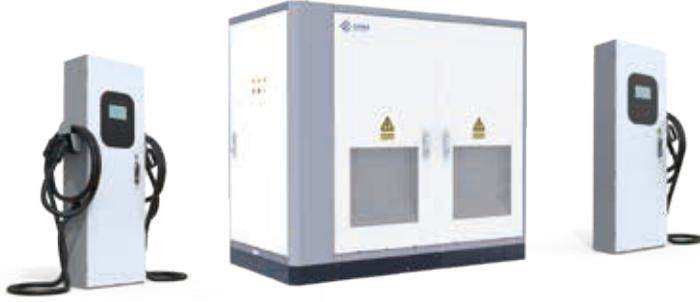
Smart Photovoltaic Prefabricated Substation
Shanghai Jinyou Jinhong Intelligent Electric Co., Ltd.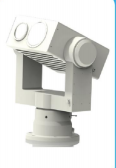
Forest and Grassland Heat Source Infrared Monitor
China Huayun Meteorological Technology Group Co., Ltd.