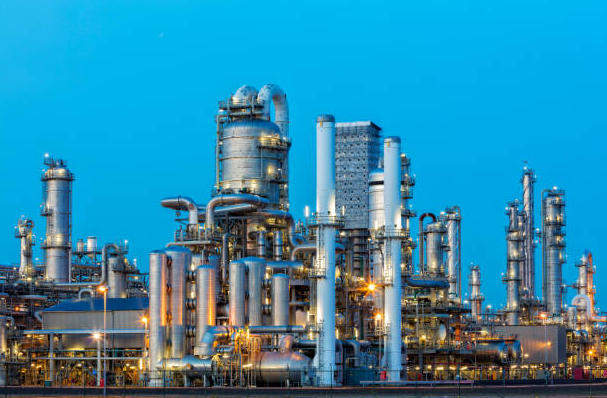
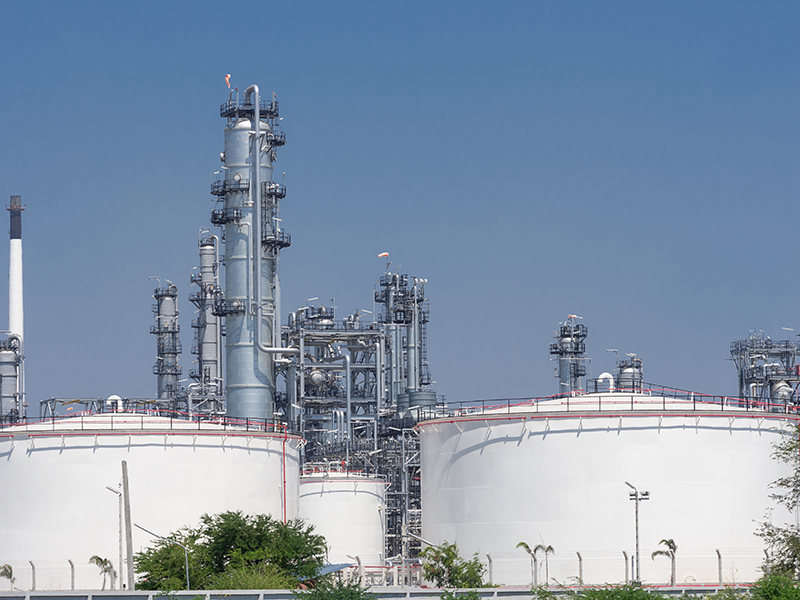
en.Wedoany.com Reported - On July 13, Sinopec Guangzhou's newly built 1 million tons/year reforming unit successfully completed the drying of the first batch of 5 heaters. This marks the company's first deep application of an intelligent control system to achieve automated control of temperature ramping and holding processes, providing a reference for heater drying in petrochemical units.
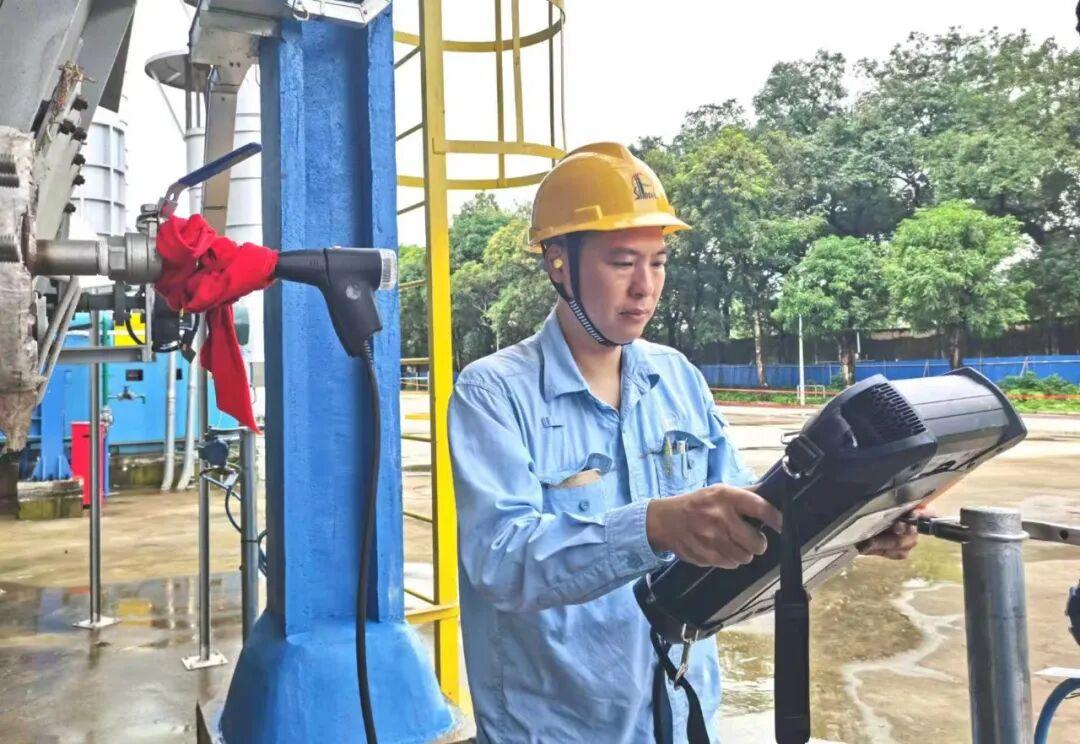
Since the unit's mechanical completion in December last year, the project team has embedded two core technologies—RTO (Real-Time Optimization) and AIPC (Advanced Intelligent Process Control)—into the control system, accelerating the deep application of intelligent technology in production operations. To date, functional testing of 28 cascade loops for AIPC controllers and supporting DCS (Distributed Control System) configuration testing have been completed, and all 8 auxiliary start-up and shutdown function modules are in place.
During the drying operation, after fuel gas is introduced and ignited in the heaters, the DCS handles data collection and command issuance, while the AIPC performs model calculations and strategy output, forming a closed-loop linkage. During the temperature ramping phase, the intelligent temperature increase/decrease module automatically adjusts the fuel gas flow rate, compares furnace temperature data in real time, and controls the temperature ramp rate deviation within the optimal range. Upon entering the holding phase, the system automatically executes operations for each holding stage, monitors temperature distribution in real time, and adjusts valve openings to ensure uniform and stable furnace temperature fields.
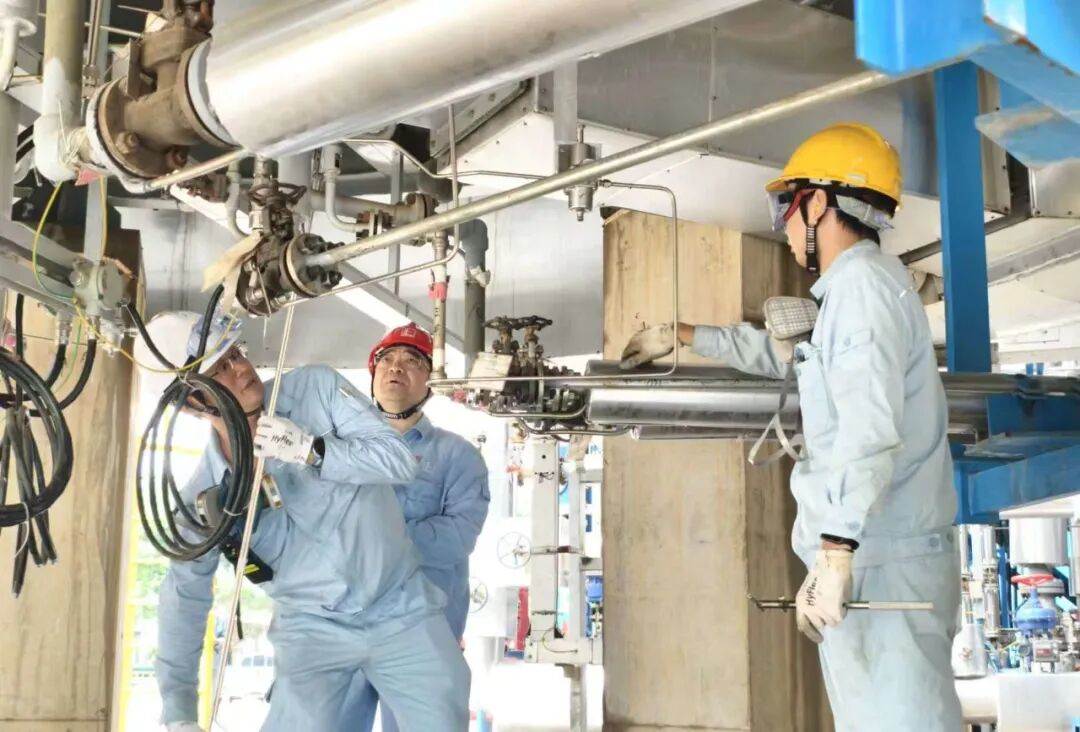
Huang Haibin, Deputy Manager of Sinopec Guangzhou's Information Center, stated that the deep application of the intelligent control system has transformed the previous reliance on manual experience, solved the challenge of ensuring temperature control accuracy, and significantly reduced operator workload. In the next step, the unit will move toward "ubiquitous sensing, real-time analysis, model-driven operation, human-machine collaboration, agile response, global coordination, and dynamic optimization" to accelerate and improve start-up efficiency, injecting digital and intelligent momentum into high-quality development through a second venture.