en.Wedoany.com Reported - Santo André, Brazil, has extended the lifespan of its municipal landfill through expansion. The city's Environmental Cleanup Service (Semasa) completed a new phase of expansion, adding 8,000 square meters for organic waste disposal, allowing the landfill, which has been operating for 40 years, to be used for another two years.
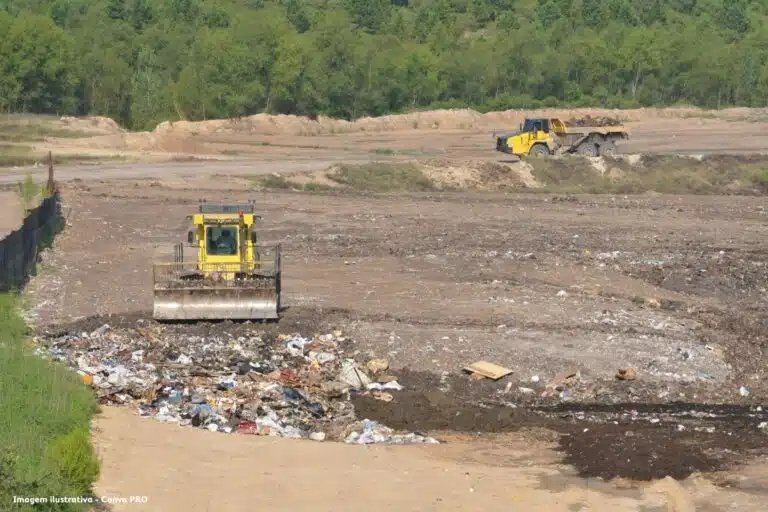
The new expansion area has a capacity of approximately 500,000 tons of waste. Currently, Semasa collects over 200,000 tons of materials annually across the city. Located in the Cidade São Jorge neighborhood, this landfill is the only one in the Greater ABC region (Grande ABC) directly managed by the municipal government.
Mayor Gilvan Ferreira stated that the landfill expansion is an important measure, but resident participation in sorting recyclable waste is crucial to reducing the amount of waste sent to the landfill. He emphasized that the landfill's operation saves public finances and helps ensure environmentally appropriate waste disposal.
According to Semasa, maintaining the municipal landfill avoids sending waste to private facilities, saving the city's budget over 70 million reais annually. The government reinvests these savings into sustainable waste management initiatives, including the Green Currency Program (Moeda Verde, exchanging recyclables for food), My Condominium Recycles Program (Meu Condomínio Recicla), Santo André Composting Program (Composta Santo André), and the construction of new ecopoints (ecopontos) and green yards (quintais verdes).
The municipal landfill was established in 1986 as part of the Santo André Waste Treatment Center. The complex uses two lagoons to store leachate generated from the decomposition of organic waste, which is subsequently sent for treatment. The facility also houses two recycling cooperatives, an ecopoint dedicated to receiving tires, and a Construction Waste Treatment Unit (Unidade de Tratamento de Resíduos da Construção Civil), which processes construction debris from collection stations for reuse in paving projects. Before the landfill was built, the site housed a composting plant, and prior to that, an open dump. Between 1986 and 1999, the landfill was managed by the municipal government, after which management was transferred to Semasa.
Semasa is already studying a new expansion of the landfill, planning to use an area of approximately 15,000 square meters, which could potentially secure an additional five years of operation. The project should include steps such as excavation, compaction and waterproofing, installation of geomembranes to protect groundwater, and construction of leachate collection drainage systems. Furthermore, if the amount of waste sent to the landfill is reduced through increased recycling and composting, the landfill's lifespan is expected to be longer than current estimates.