Europe to Require Calculation of Embodied Carbon in Buildings from 2030
en.Wedoany.com Reported - From 2030, European regulations will require the calculation of embodied carbon in building materials. Countries such as Denmark, France, and Belgium have already implemented this standard ahead of schedule. This means that the environmental impact of buildings will no longer be limited to energy consumption during the use phase but will extend to the entire process of material manufacturing and transportation.
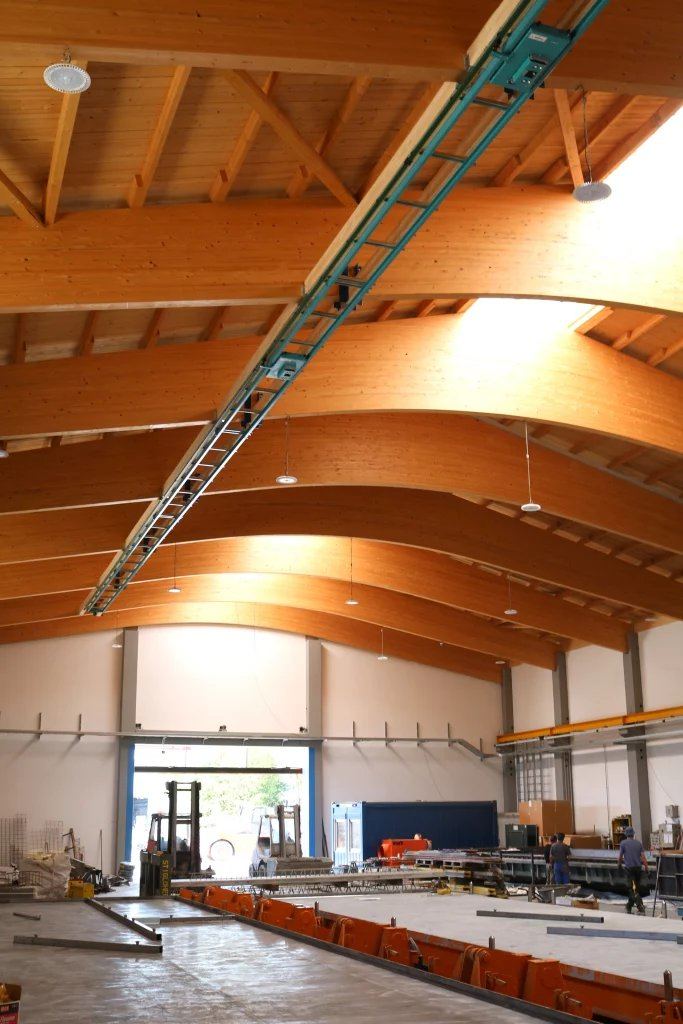
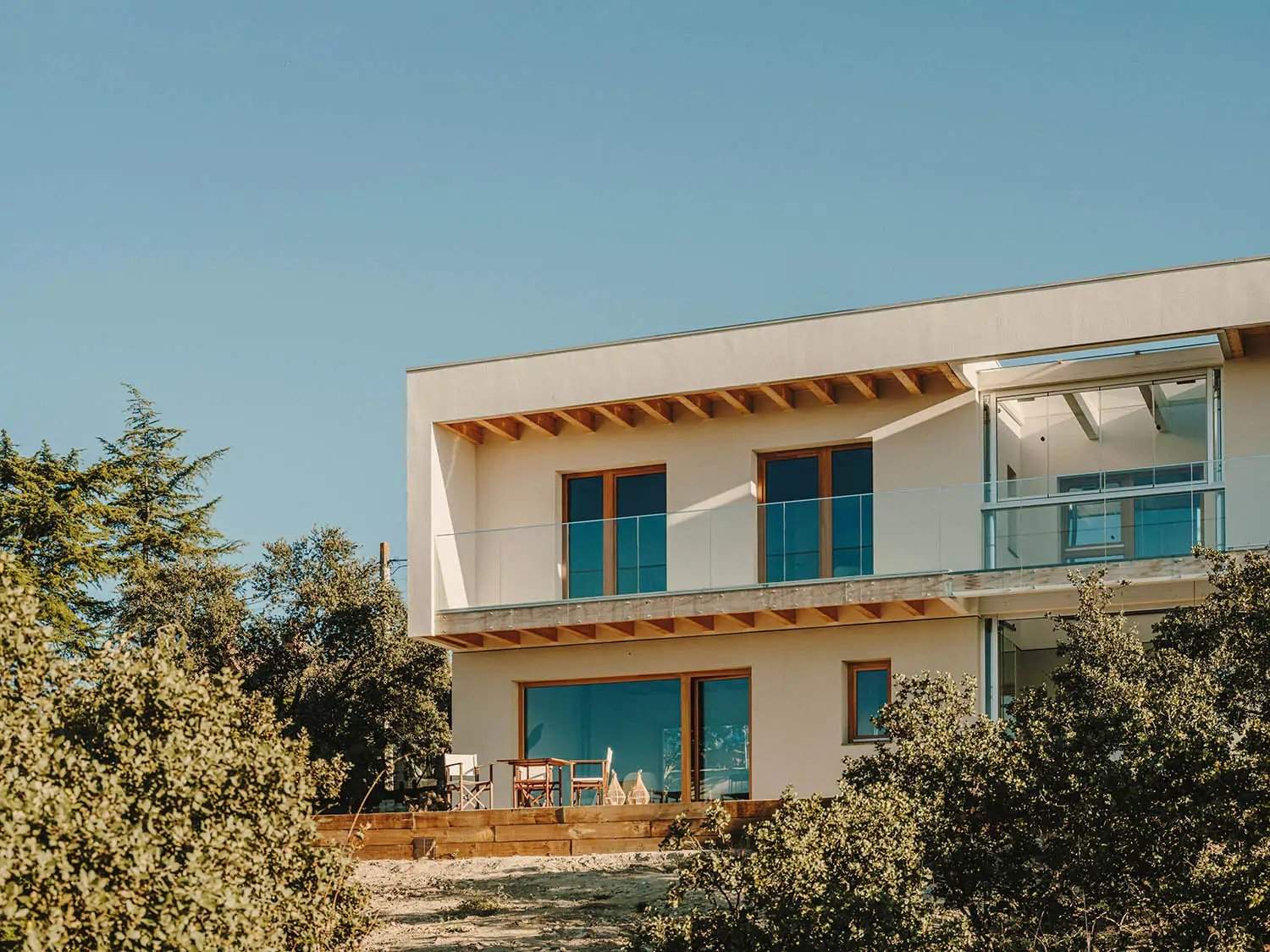
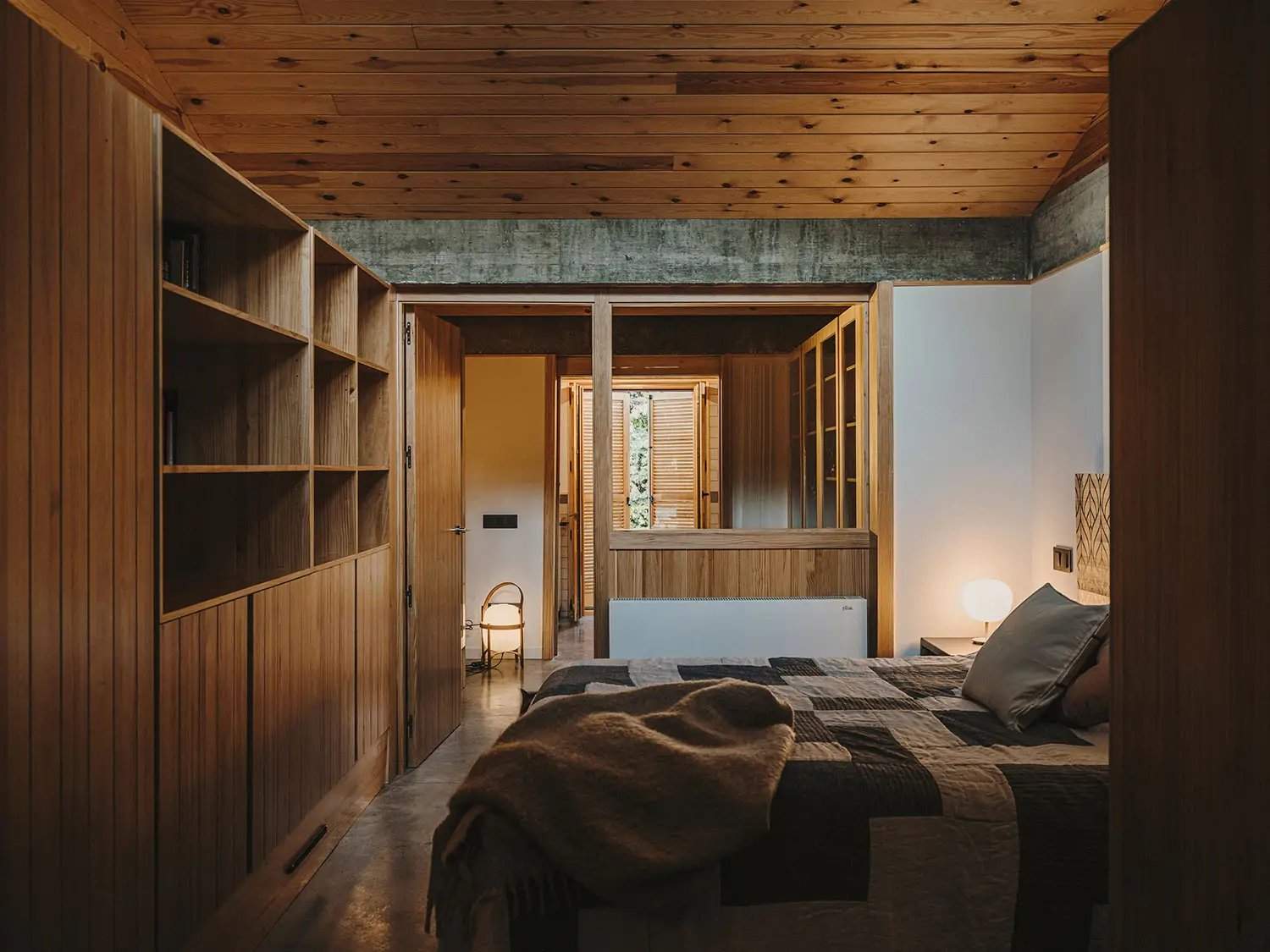
Against this backdrop, the concept of biophilic architecture is re-emerging, advocating the use of natural materials such as wood, earth, lime, or stone. Architecture firm Slow Studio believes that passive systems, natural materials, and reduced environmental impact will evolve from added value to the foundation for ensuring long-term comfort, health, and sustainability in buildings. The firm states that the first standard is to achieve nearly zero-energy homes that remain comfortable year-round without relying on heating or air conditioning systems. The second standard is to use bio-based and low-embodied-carbon materials, as extraction, manufacturing, and processing account for a significant share of global emissions. The third standard is to ensure a healthy indoor environment, including natural ventilation and the use of healthy materials, thereby guaranteeing occupant well-being.
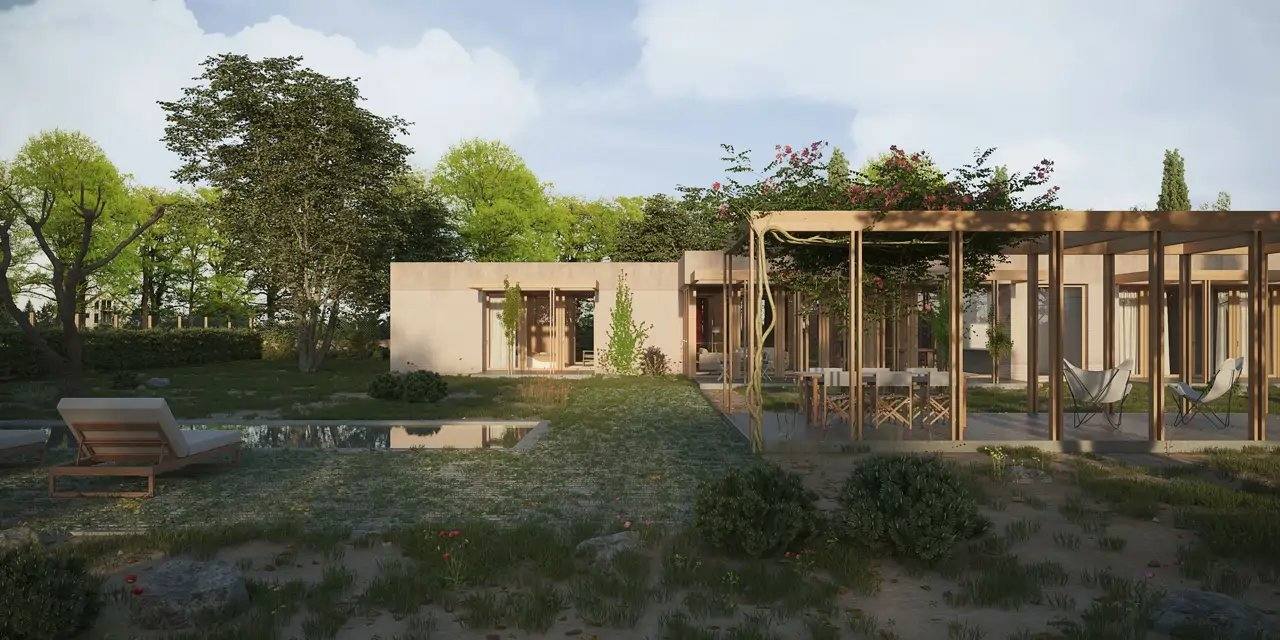
Regarding materials and building systems, Slow Studio points out that the next decade will be dominated by European decarbonization regulations, and quantifying the carbon budget of materials will become as important as calculating an economic budget. Local, bio-based, and natural materials such as wood, earth, lime, or stone will regain prominence. At the same time, the use of recycled materials in renovations can significantly reduce environmental impact.
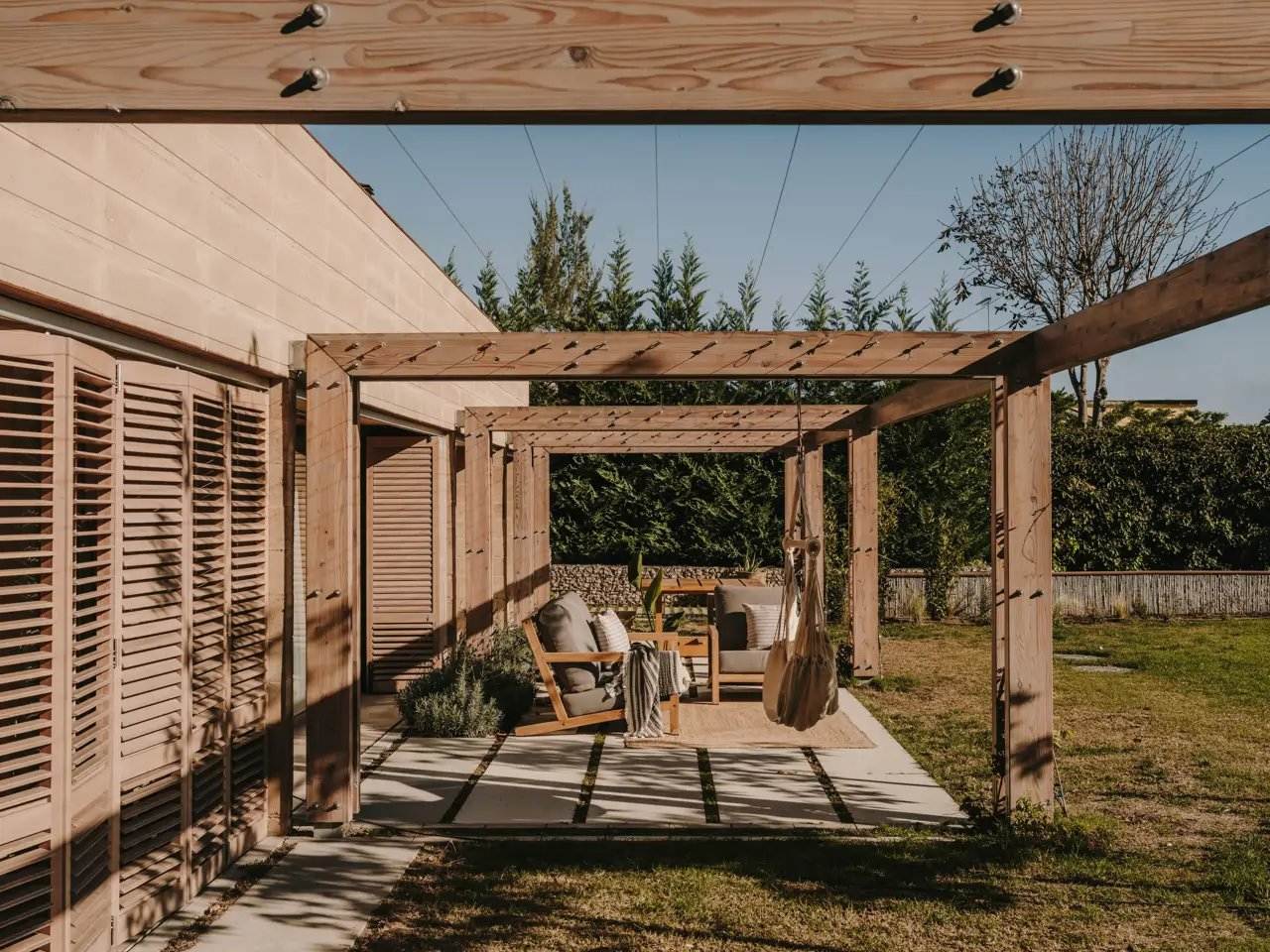
On energy efficiency, Slow Studio believes the priority should be investing in passive strategies that can last for centuries, rather than relying on active systems that develop quickly but require maintenance, such as air-source heat pumps or photovoltaic installations. Measures like improving insulation, increasing thermal inertia, ensuring airtightness, optimizing shading, and promoting cross-ventilation are effective throughout the entire lifecycle of a building.
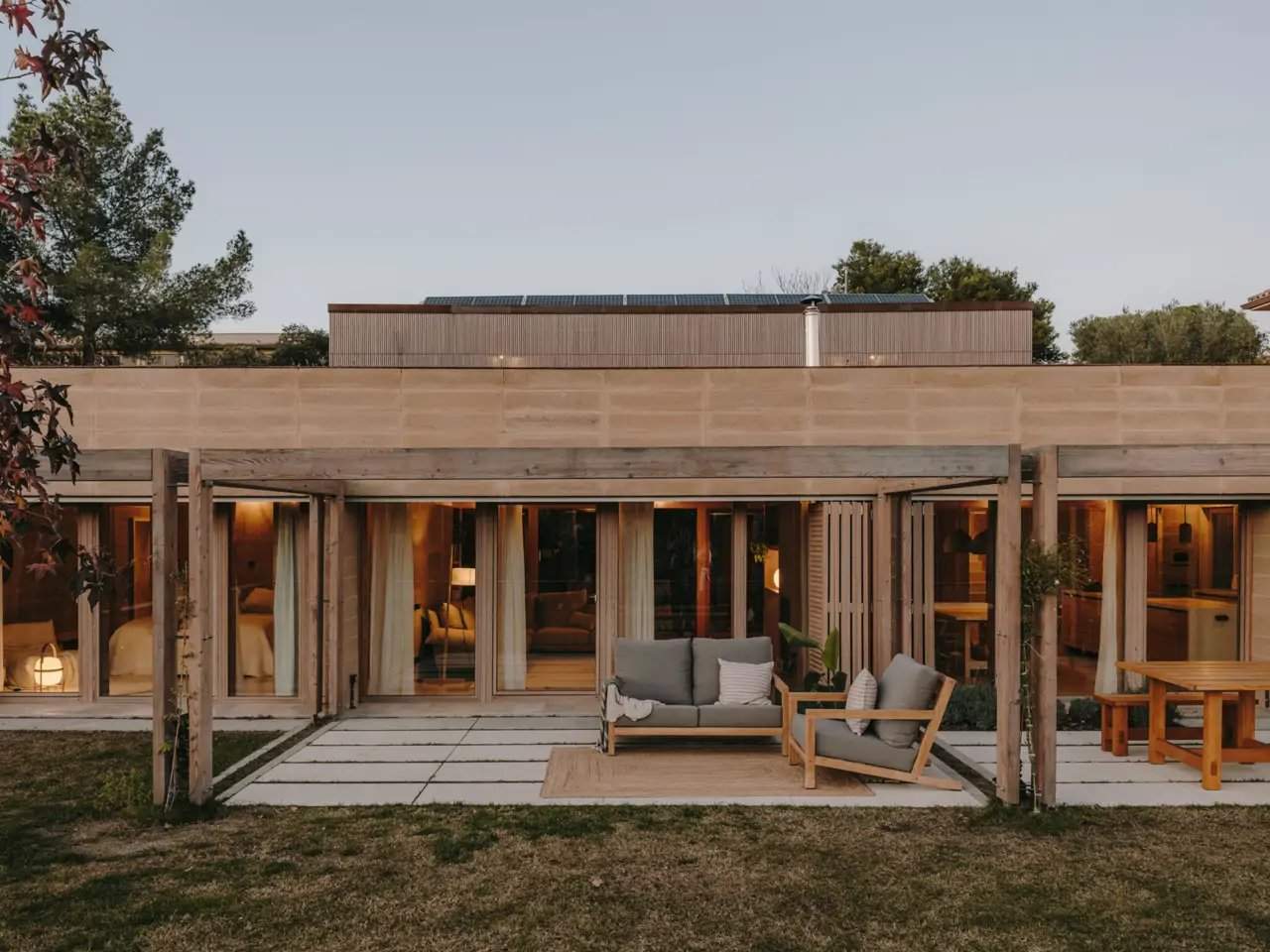
In terms of occupant well-being, sustainability lies in learning to harness natural elements such as sunlight, ventilation, and orientation, as well as natural materials that can store heat in winter and keep cool in summer. This contributes to more efficient buildings while providing better air quality and thermal stability, directly impacting people's physical and mental health.
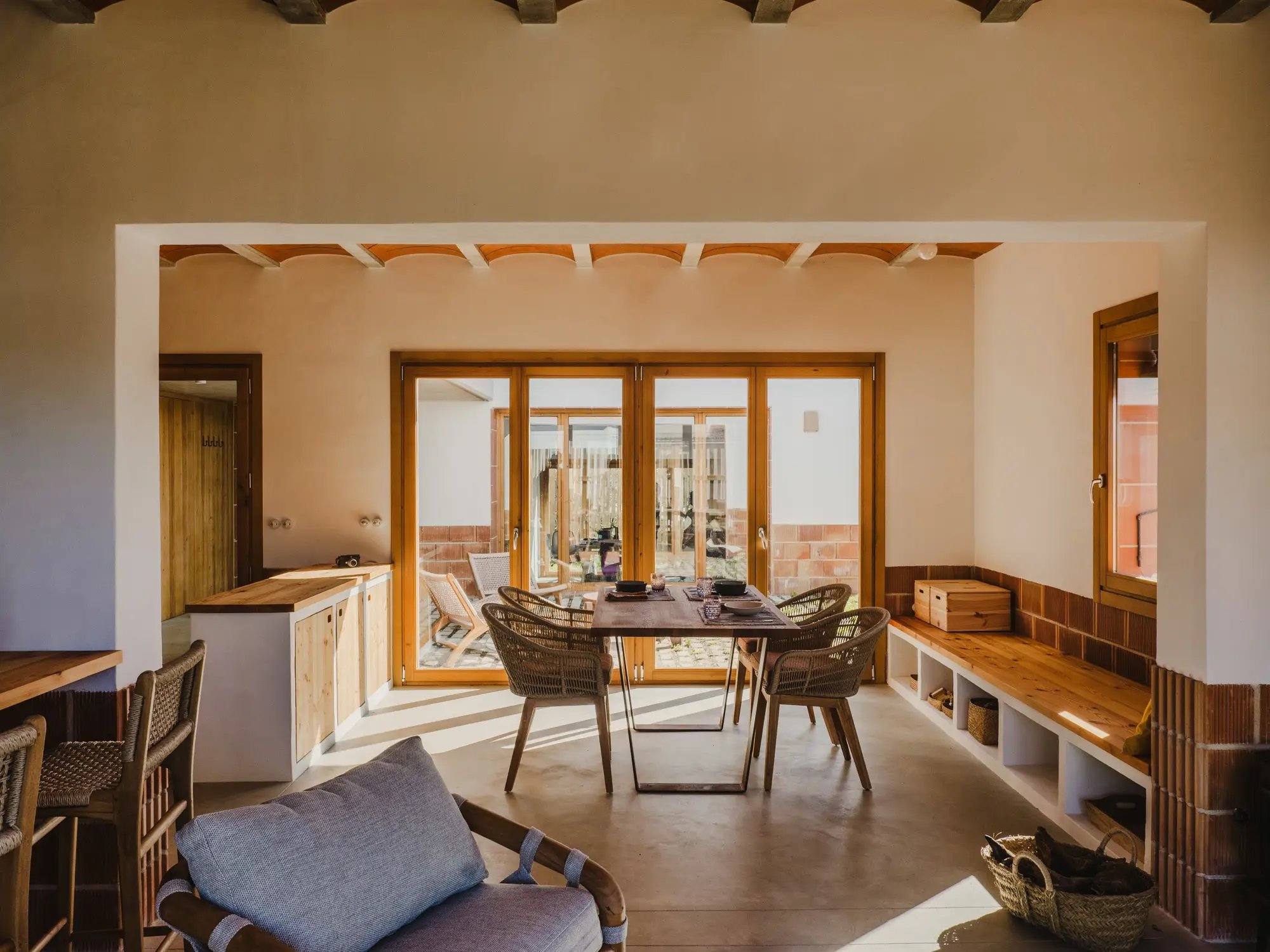
Looking ahead, Slow Studio envisions that homes in 2040 will be more focused on climate-responsive design, capable of protecting against heat in summer, harnessing solar energy in winter, and establishing a close connection with the environment. Passive systems, natural materials, and reduced environmental impact will become the foundation for achieving long-term comfort, health, and sustainability.
Related Products

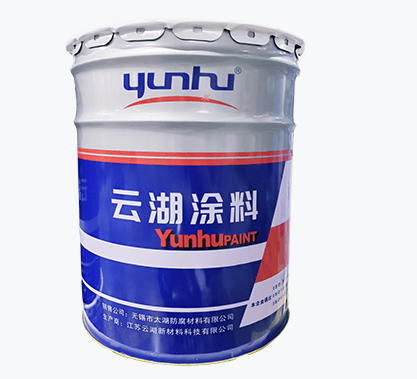
YHTank8400N Solvent-Free Liquid Epoxy Coating
JIANGSU YUNHU NEW MATERIAL TECHNOLOGY CO., LTD.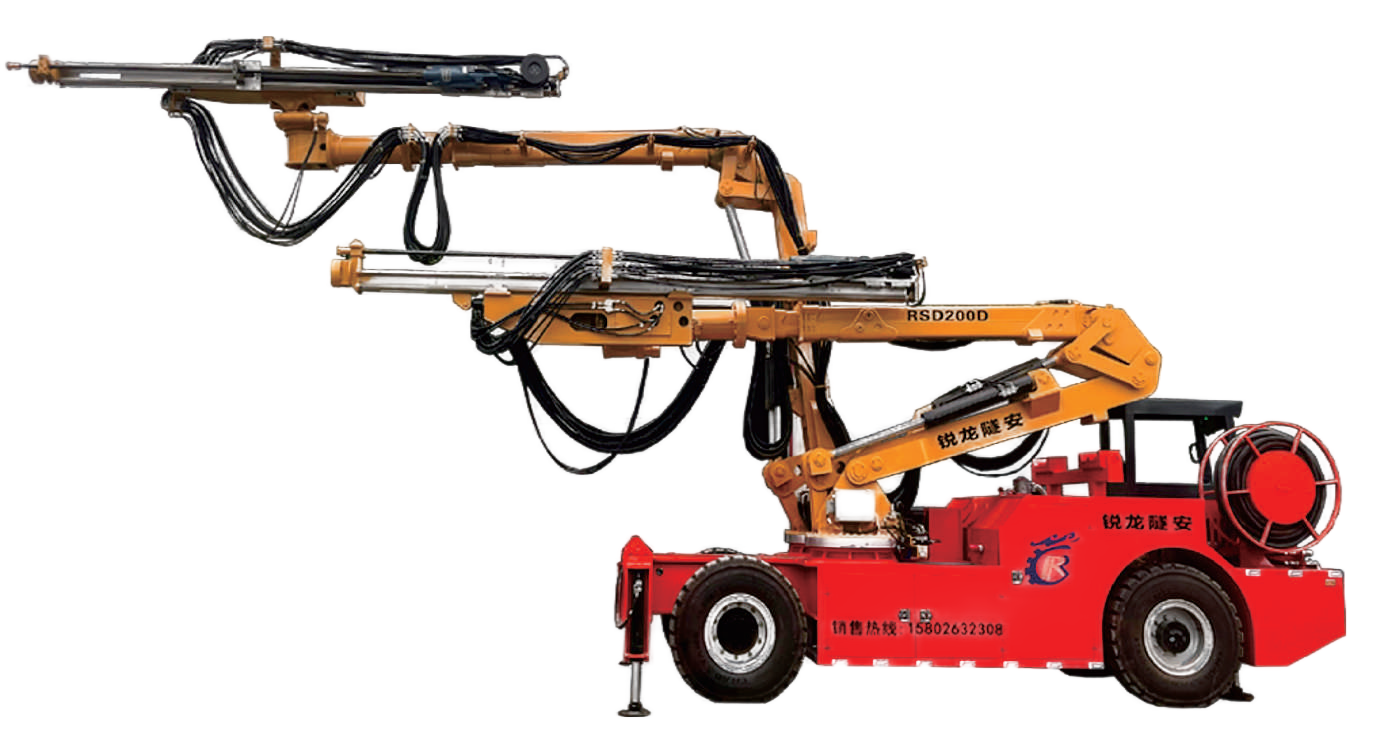
Dual-curved Arm Rock Drilling Trolley RSD200D
Chengdu Ruilong Machinery Manufacturing Co., Ltd.
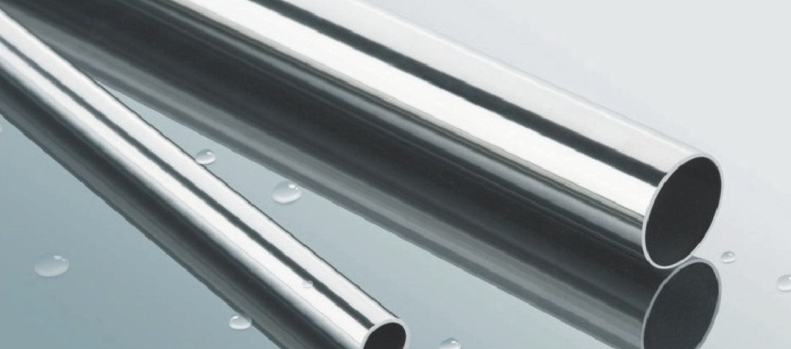
ERW Welded Pipe (Black Pipe and Hot-dip Galvanized Steel Pipe)
Handan Zhengda Steel Pipe Co., Ltd.
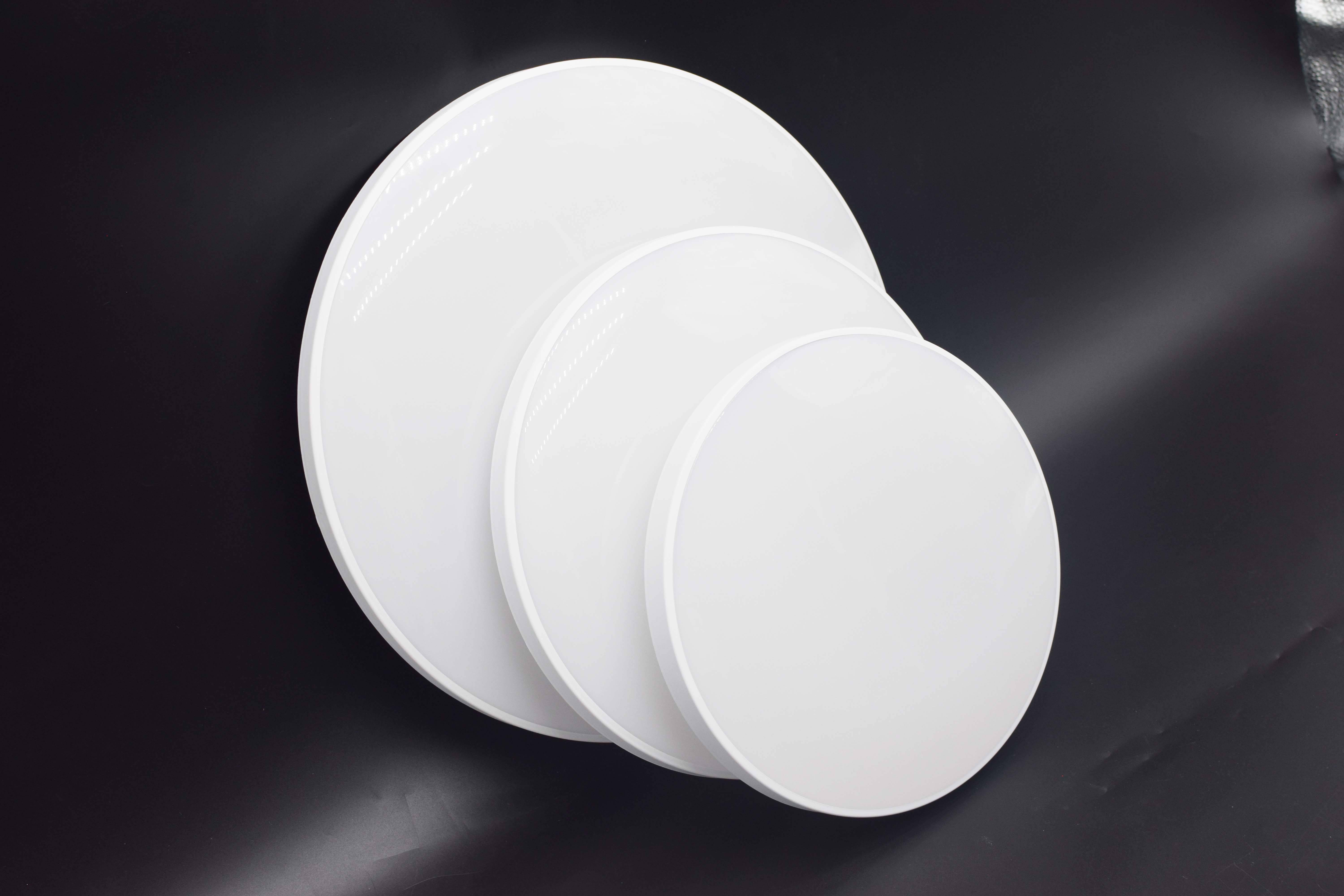
Ceiling light | led Ceiling Light | LED Indoor light | LED Ceiling lighting
Queendom Group Technology Co., Ltd.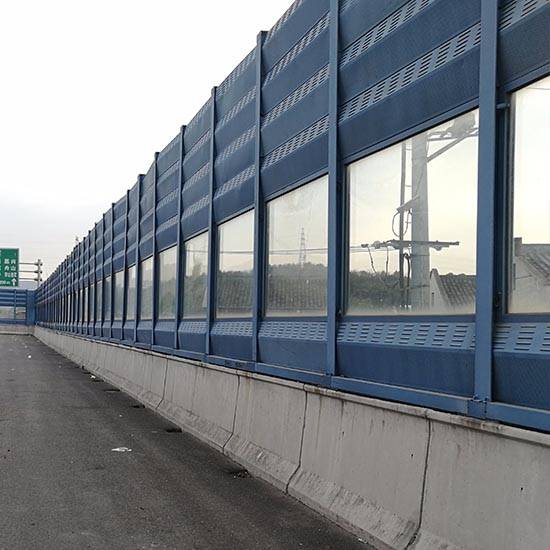
Metal sound barriers that can reduce the transmission of road noise
Hebei Jinbiao Construction Materials Tech Corp., Ltd.
West China Xiamen Hospital of Sichuan University
Wuhan Huakang Century Clean Technology Co., Ltd.