China Zhenhua Oil Books Saudi Crude, Huajin Aramco's 83.7 Billion Yuan Refining Project Initiates Feedstock Preparation
en.Wedoany.com Reported - China Zhenhua Oil has booked two cargoes of Saudi crude oil, totaling approximately 2 million barrels, scheduled for loading in August. The crude will be shipped to Panjin, Liaoning, to supply the Huajin Aramco Petrochemical and Raw Materials Project. The initiation of feedstock procurement signals that this 83.7 billion yuan Sino-Saudi joint venture refining and chemical base is transitioning from the construction phase to the preparation for trial operation.
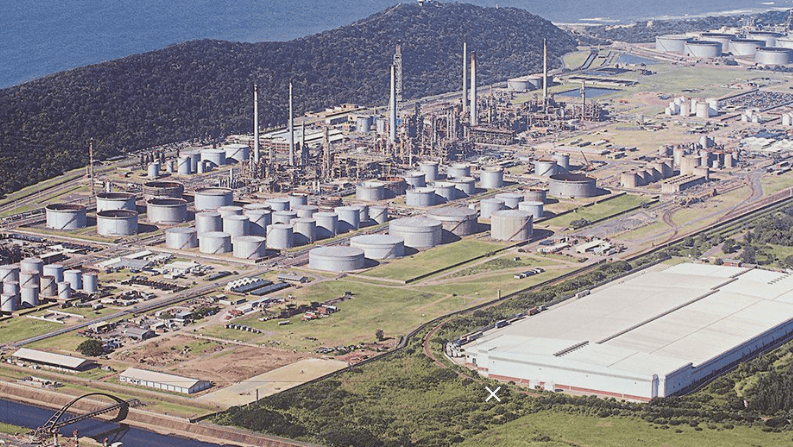
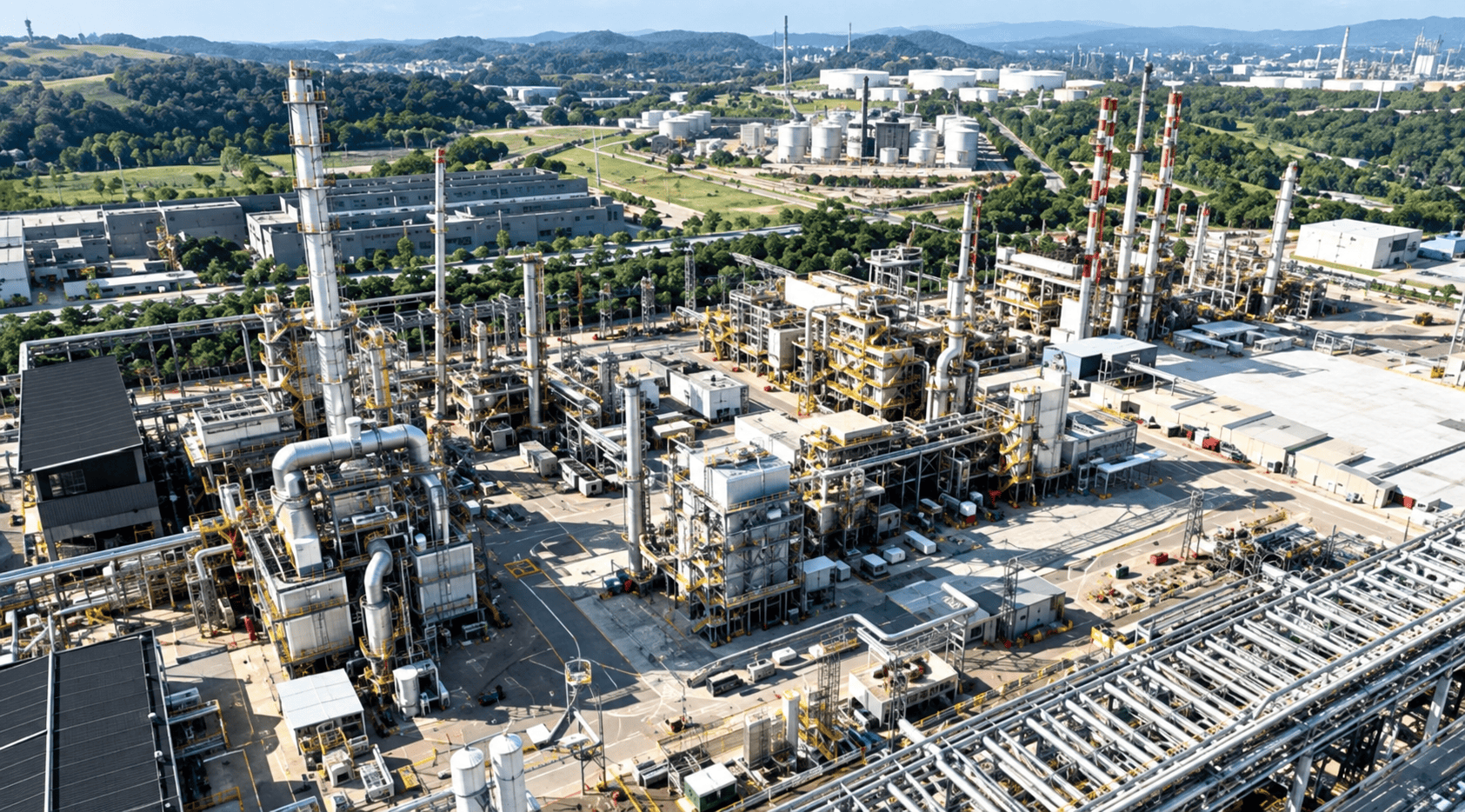
The Huajin Aramco project, located in the Panjin Liaobin Coastal Economic and Technological Development Zone, is jointly invested by China North Industries Group Corporation, Saudi Arabian Oil Company, and Panjin Xincheng Industrial Group, with shareholding ratios of 51%, 30%, and 19%, respectively. The project will build a refinery with a daily processing capacity of 300,000 barrels, along with supporting facilities for an annual output of 1.65 million tons of ethylene, 2 million tons of paraxylene, and multiple fine chemical units.
Under the agreement, Saudi Aramco will supply no more than 210,000 barrels of crude oil per day after the project commences operations, equivalent to 70% of the refinery's designed capacity. This long-term feedstock supply agreement closely links Saudi crude exports with China's refining capacity. Saudi Aramco is not only a feedstock supplier but also a project shareholder, enabling it to generate revenue from crude oil sales, refining processing, and chemical product segments simultaneously.
If the 2 million barrels of crude oil purchased this time are shipped evenly in August, it equates to an average of approximately 64,500 barrels per day, accounting for about 21% of the refinery's designed capacity. This initial procurement volume carries distinct trial operation characteristics, primarily used for tank filling, pipeline flushing, unit interlocking, and gradually increasing production loads. The startup of a refining and chemical project typically proceeds in stages according to the sequence of units; the arrival of crude oil does not mean the entire plant will immediately achieve a daily processing capacity of 300,000 barrels.
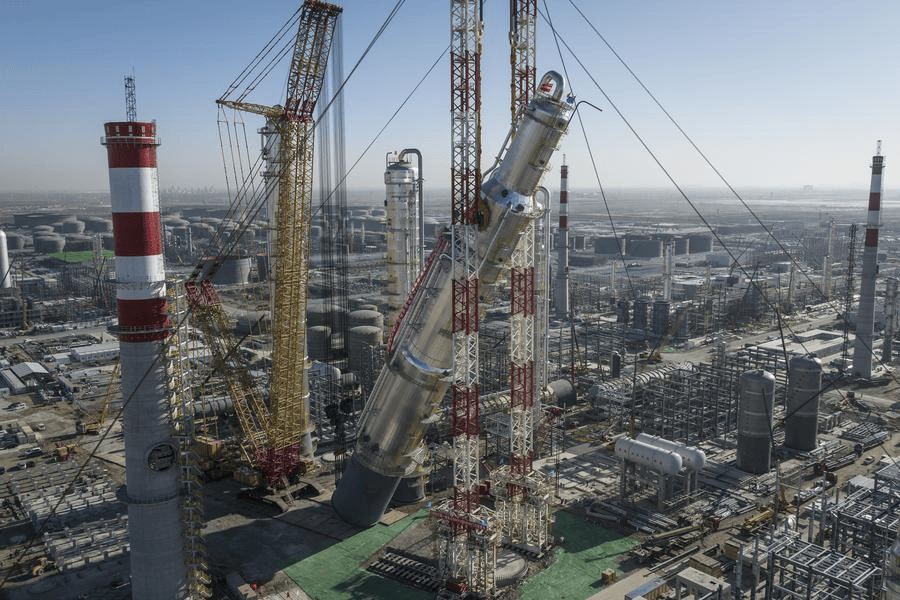
The Huajin Aramco project completed the mechanical completion of 32 main production units by the end of 2025. As of the end of June 2026, 31 main units had achieved mechanical completion and handover, with utility facilities gradually being put into use. Entering July, four additional units—high-density polyethylene, ethylene oxide and ethylene glycol, propylene oxide, and polyether polyol—also completed handover. Current on-site work is concentrated on construction finishing, system commissioning, and feedstock preparation.
The project was originally scheduled to start up in May or June 2026, but due to shipping disruptions in the Strait of Hormuz, the commissioning date has been postponed to September or October. The instability of Middle Eastern crude supply directly impacts the feedstock stockpiling scale and continuous operational safety of large refineries. Zhenhua Oil's recent rescheduling of Saudi crude supply reflects that supply chain conditions now allow the project to resume preparation for startup; subsequent progress still depends on tanker transit, crude arrival, and unit commissioning.
Zhenhua Oil is a subsidiary of China North Industries Group and the primary crude oil purchaser for the Huajin Aramco project. Public shipping records show that the company last lifted Saudi crude under a long-term contract in August 2024. The resumption of procurement after a two-year gap coincides with the upcoming commissioning of the Panjin project.
Concurrently, Saudi Aramco's crude supply to China has begun to recover. The company's August sales volume to Zhenhua Oil and other Chinese refineries totals approximately 24 million barrels, equivalent to an average of 774,000 barrels per day, double the volume from July. Additionally, Saudi Aramco reduced the official selling price of crude for Asian markets by $11 per barrel in August, marking one of the largest single-month reductions in over two decades, providing price conditions for Chinese refineries to increase procurement.
Once Huajin Aramco is operational, Panjin will gain an additional 15 million tons of annual refining capacity, along with supply capabilities for feedstocks such as ethylene, aromatics, epoxides, and high-end polyolefins. The local government has planned a downstream fine chemical industrial park covering 3.57 square kilometers, promoting deep-processing projects around nearly 20 products. It is expected to provide approximately 6 million tons of product resources annually to downstream industries, with the goal of forming a hundred-billion-yuan-level fine chemical industry cluster.
For Saudi Aramco, the Panjin project locks its long-term crude supply into the Northeast China market while increasing its asset allocation in the Sinopec industrial chain. For Liaoning Province, the core incremental value of this project comes from chemical materials and downstream fine chemicals, rather than simply expanding gasoline and diesel production. With the first batch of Saudi crude entering transportation arrangements, Huajin Aramco has taken another step closer to formal commissioning.
Related Products

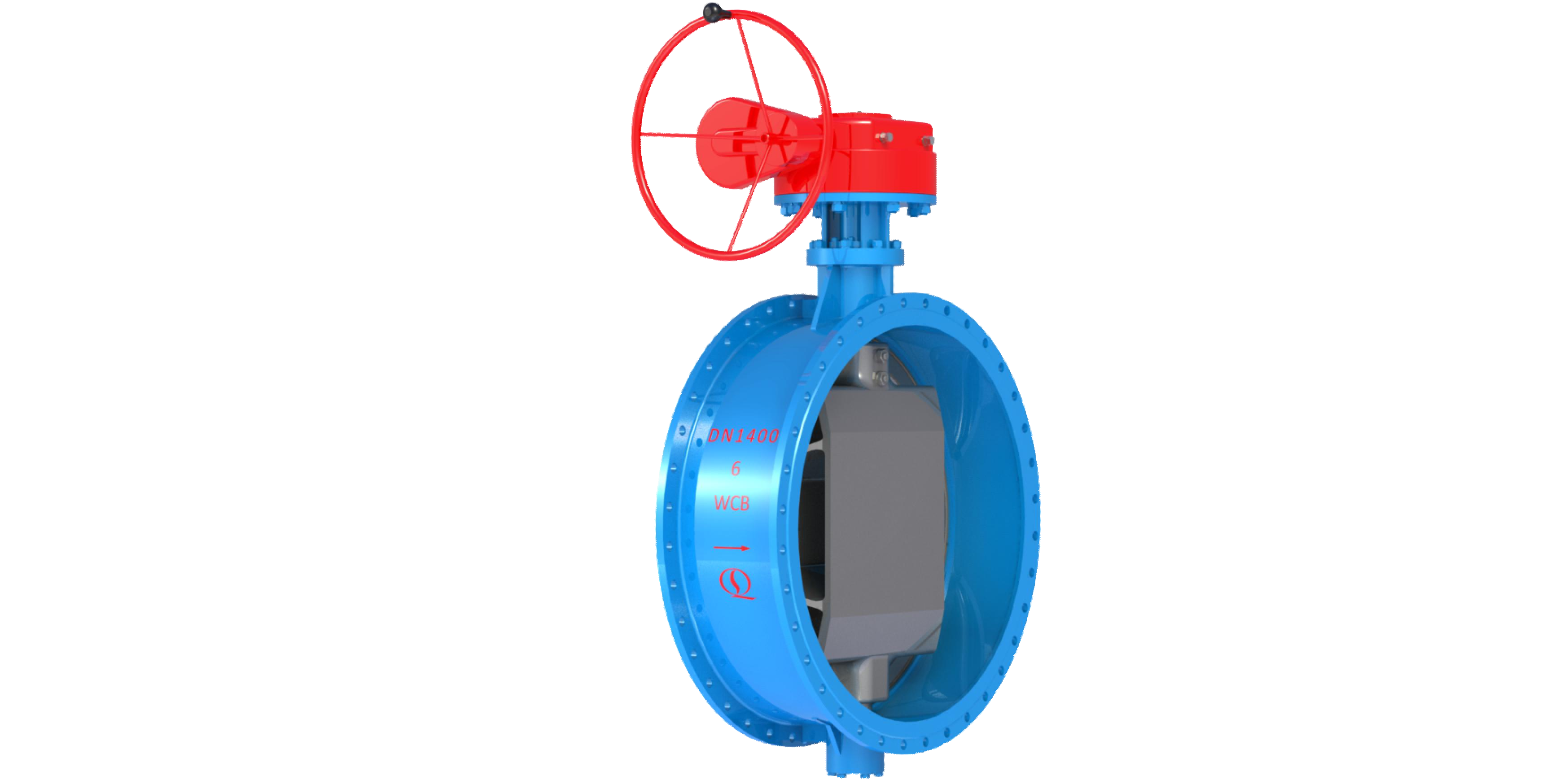
Bidirectional Metal Hard Sealed Seawater Butterfly Valve
Henan Quanshun Flow Control Science & Technology Co., Ltd.
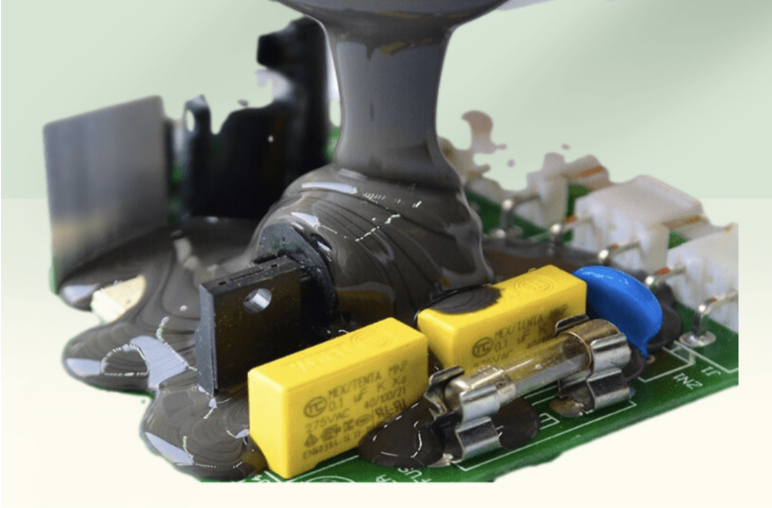
High Thermal Conductivity Encapsulating Resin
Nantong BESALL Sealing Technology Company.,Limited
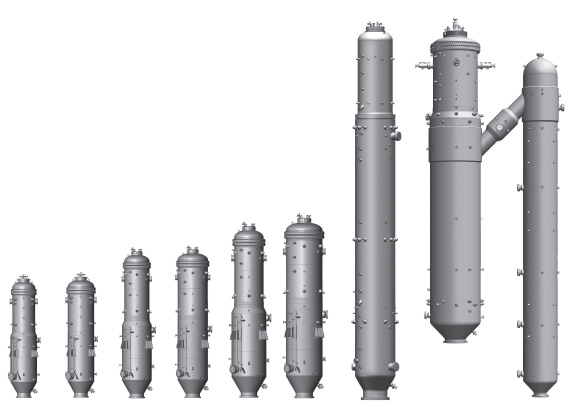
Gasification Furnace Series: Freely Combinable Aerospace Furnace
CHANGZHENG ENGLINEERING CO., LTD.