Brazil's Steel Imports Drop 17.6% Year-on-Year in First Half of 2026
en.Wedoany.com Reported - According to data released by the Brazil Steel Institute (Instituto Aço Brasil) on July 17, 2026, Brazil's steel product imports totaled 2.9 million tons in the first half of 2026, a decrease of 17.6% compared to 3.52 million tons in the same period of 2025. The import value was $2.8 billion, down 12.5% year-on-year. During the same period, Brazil's steel exports reached 5.332 million tons, up 3.1% year-on-year.
Founded in 1983 and headquartered in Rio de Janeiro, the Brazil Steel Institute (Instituto Aço Brasil) is a national industry organization representing steel companies in Brazil. It is responsible for collecting and publishing industry statistics and coordinating industry policies. The significant decline in import data is mainly attributed to anti-dumping measures imposed by the Brazilian government on various imported steel products since the first half of 2026.
By source of imports, China is Brazil's largest steel supplier, accounting for 66.4% of Brazil's flat steel imports in 2025. With Brazil imposing anti-dumping duties of $322.93 to $641.73 per ton on cold-rolled coils from China, and the implementation of anti-dumping measures on products such as hot-rolled coils, China's monthly steel exports to Brazil have plummeted from a peak of over 400,000 tons in 2024 to less than 100,000 tons in March 2026. In April 2026, Brazil's steel imports fell 43.2% year-on-year, with the decline further widening to 71.1% in May.
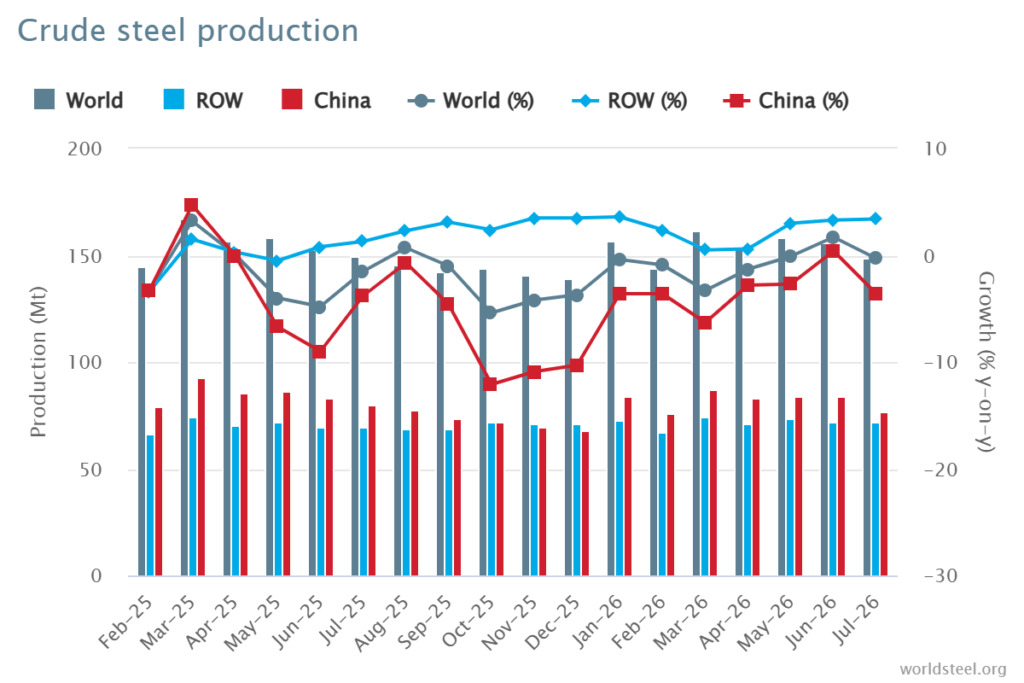
Data from the Brazil Steel Institute shows that in June 2026, Brazil's steel imports were 476,000 tons, down 20.1% year-on-year. During the same period, Brazil's crude steel production remained roughly flat compared to June 2025, but apparent steel consumption fell 11% year-on-year to 2.2 million tons. The Brazilian Steel Distributors Association (INDA) expects that as anti-dumping measures continue to take effect, Brazil's steel imports will remain low in the second half of 2026, with the market likely to see a moderate recovery.
The significant decline in import data marks a shift in Brazil's steel trade landscape. The Brazilian government has implemented strict controls on imported steel products through anti-dumping measures, aiming to protect the domestic steel industry. These measures have already had a substantial impact on exports from major suppliers such as China. As anti-dumping policies continue to unfold in the second half of the year, Brazil's steel imports may further contract, and the supply-demand dynamics of the domestic steel market will continue to adjust.
Related Products


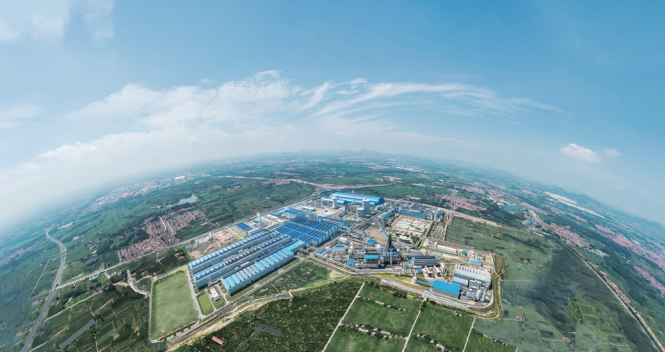
Linyi Steel Investment Special Steel 2.7 Million Tons per Year High-quality Special Steel Project
Capital Engineering & Research Incorporation Limited
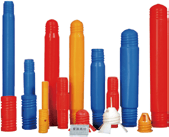
High-temperature Equal Wall Thickness High-power Screw Drilling Tool
Orient Energy & Technologies Co., Ltd.
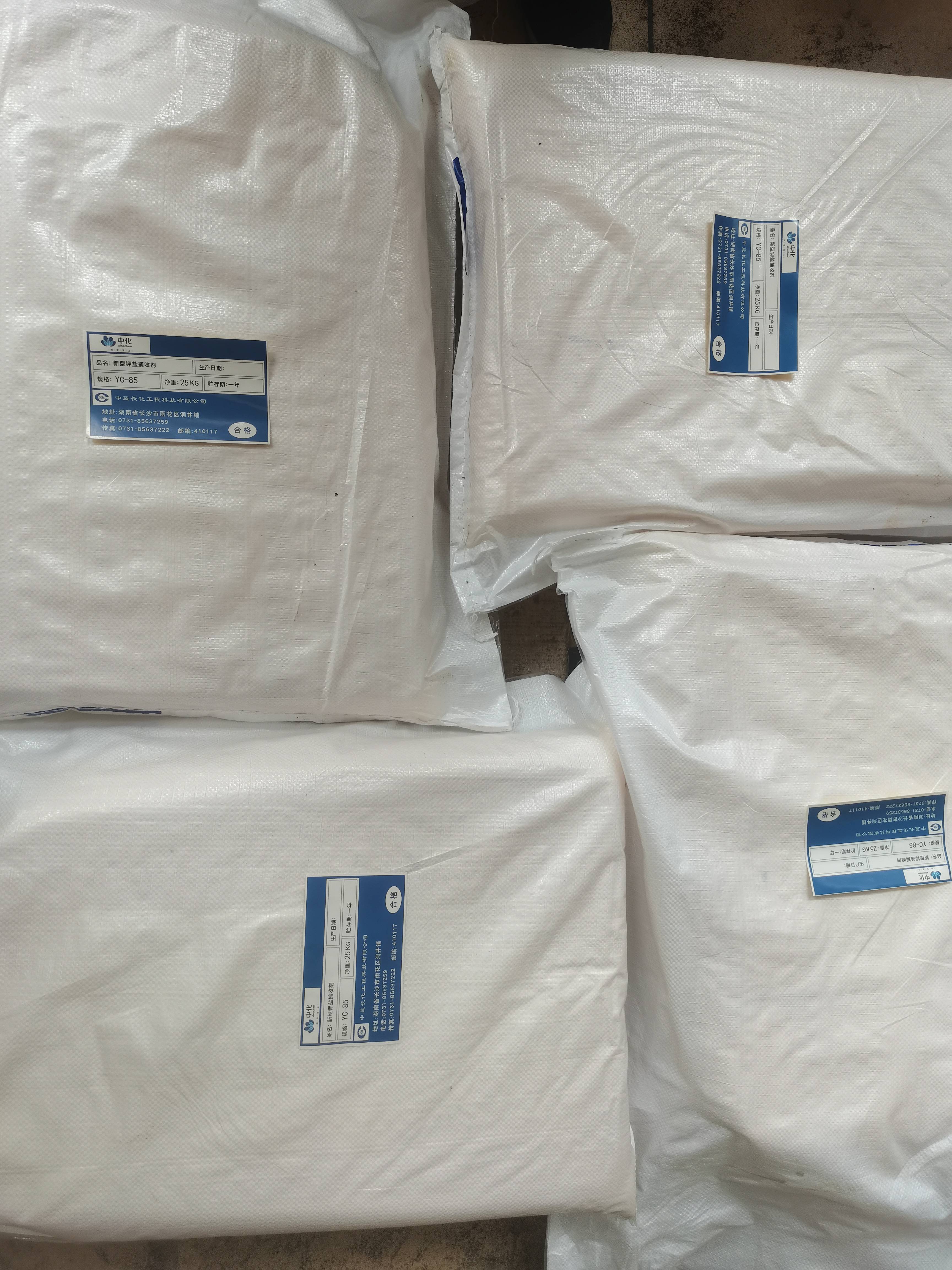
New Environmentally Friendly Green Potassium Salt Collector
Chonfar Engineering and Technology Co., Ltd.