Endress+Hauser Launches Precision Measurement and Safety Control Solutions for Underground Mining
en.Wedoany.com Reported - The global energy transition has driven a surge in demand for critical minerals, while traditional surface deposits are depleting at an accelerated pace. Endress+Hauser has introduced precision measurement and safety control solutions tailored to the harsh conditions of underground mining. Market research indicates that the industry experienced a 35% productivity loss between 2004 and 2014, making the adoption of automation technology key to reversing this trend.
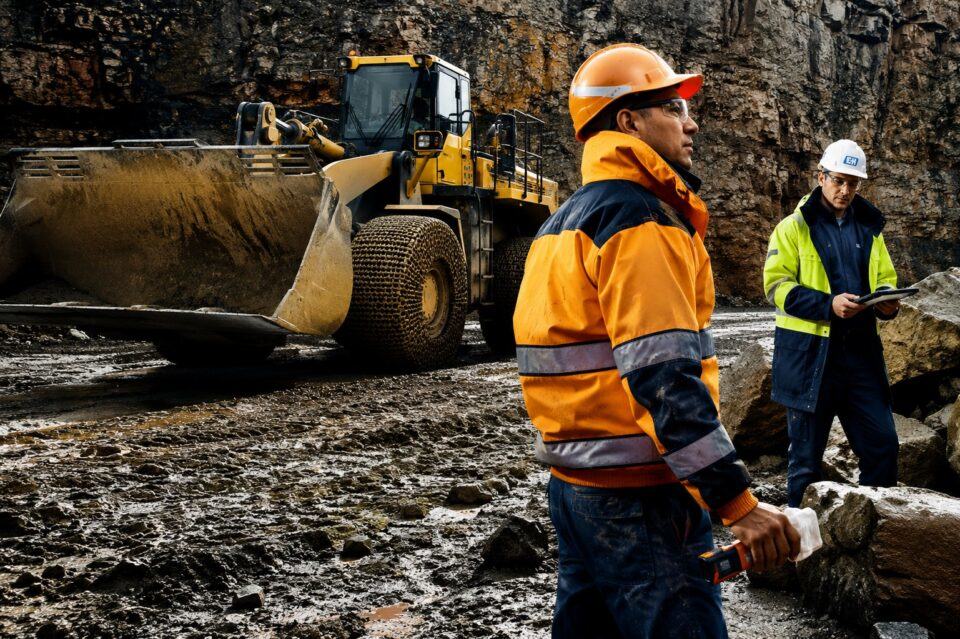
Underground mines face risks such as methane accumulation and volatile dust. Endress+Hauser addresses these challenges with Safety Integrity Level 3 (SIL 3) sensors and transmitters. These devices are intrinsically safe, eliminating sparks by limiting voltage and current flow, while transmitting telemetry data wirelessly to reinforced control rooms. For material monitoring in shafts and bins, the company employs 80 GHz frequency-modulated continuous wave (FMCW) radar technology, using millimeter-wave electromagnetic waves to penetrate dust, mapping terrain with 3 mm absolute accuracy over a distance of 125 meters, and withstanding temperatures up to 450°C. At the Kanmantoo mine, this technology expanded hopper capacity without requiring civil construction. For slurry applications where radar is unsuitable, integrated radiometric measurement technology is used. New scintillation detectors offer higher sensitivity, with radiation doses 80% lower than traditional solutions, extending the lifespan of nuclear isotopes in mines and reducing personnel exposure levels.
Underground wastewater treatment and pumping consume approximately 10% of investment capital. During the Bakyrchik project rescue, the installation of flowmeters and pressure transmitters enabled the drainage of completely flooded tunnels, with the system regulating water flow to accelerate the process and prevent pipe bursts. The durability of the equipment reduced maintenance frequency to once per year. A corporate partnership established in 2025, along with an infrastructure acquisition completed in 2024, has given the company a dominant advantage in underground air monitoring. Laser spectroscopy technology is used to record hydrogen sulfide without handling toxic chemicals, while an optical scattering nephelometer system measures respirable dust. Data is used to manage power consumption by adjusting external fan power. In the leaching process at the Kittilä gold mine, traditional sensor metal components are prone to corrosion by the solution, whereas magnetic induction probes convert acidic measurements into digital values and transmit energy electromagnetically, eliminating the need for exposed metal cables and reducing maintenance logistics time by 90%.
Inertial density meters are used to monitor diesel fuel transfer metering, with a measurement error rate of 0.1%, achieving a 0.25% accounting gain by detecting water contamination. The entire ecosystem is connected to an Industrial Internet of Things (IIoT) platform, managing over 12,000 sensors. As the primary instrumentation supplier for large-scale projects, Endress+Hauser assumes full responsibility for data analysis, eliminating logistical inefficiencies, reducing spare parts inventories, and enabling safe and cost-effective control.
Related Products

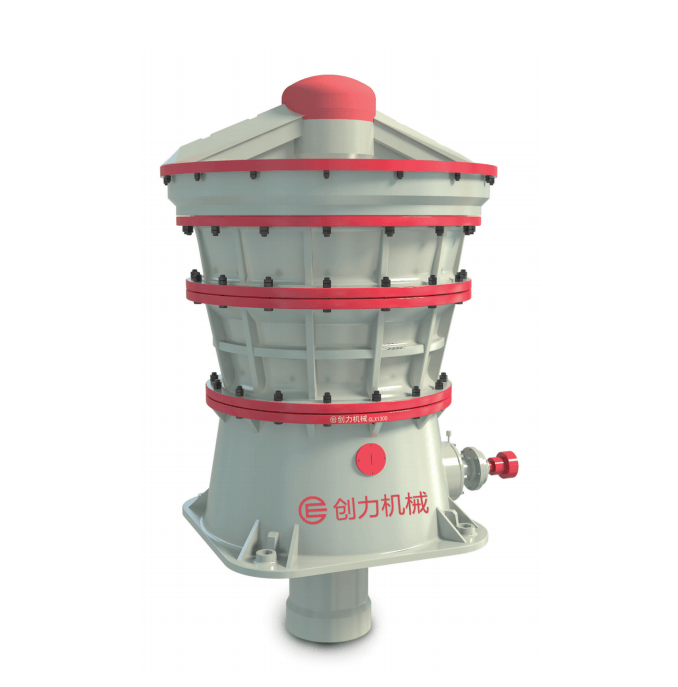
CLX Series Intelligent Hydraulic Gyratory Crusher
Guangdong CHUANGLI intelligent machinery Equipment Co., LTD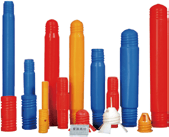
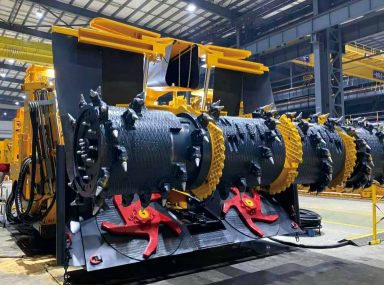
Integrated Excavation and Anchoring Machine (EJM Series)
China Railway Construction Heavy Industry Corporation Limited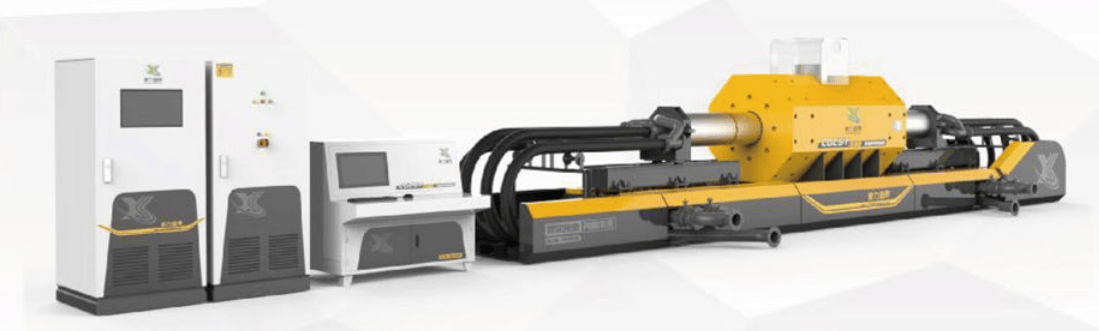
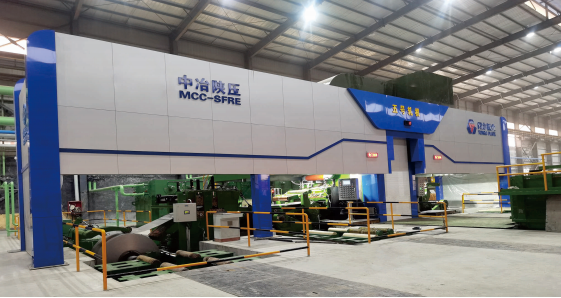
1050-1750mm Steel Strip Single-stand Reversible Cold Rolling Production Line
MCC-SFRE HEAVY INDUSTRY EQUIPMENT CO., LTD.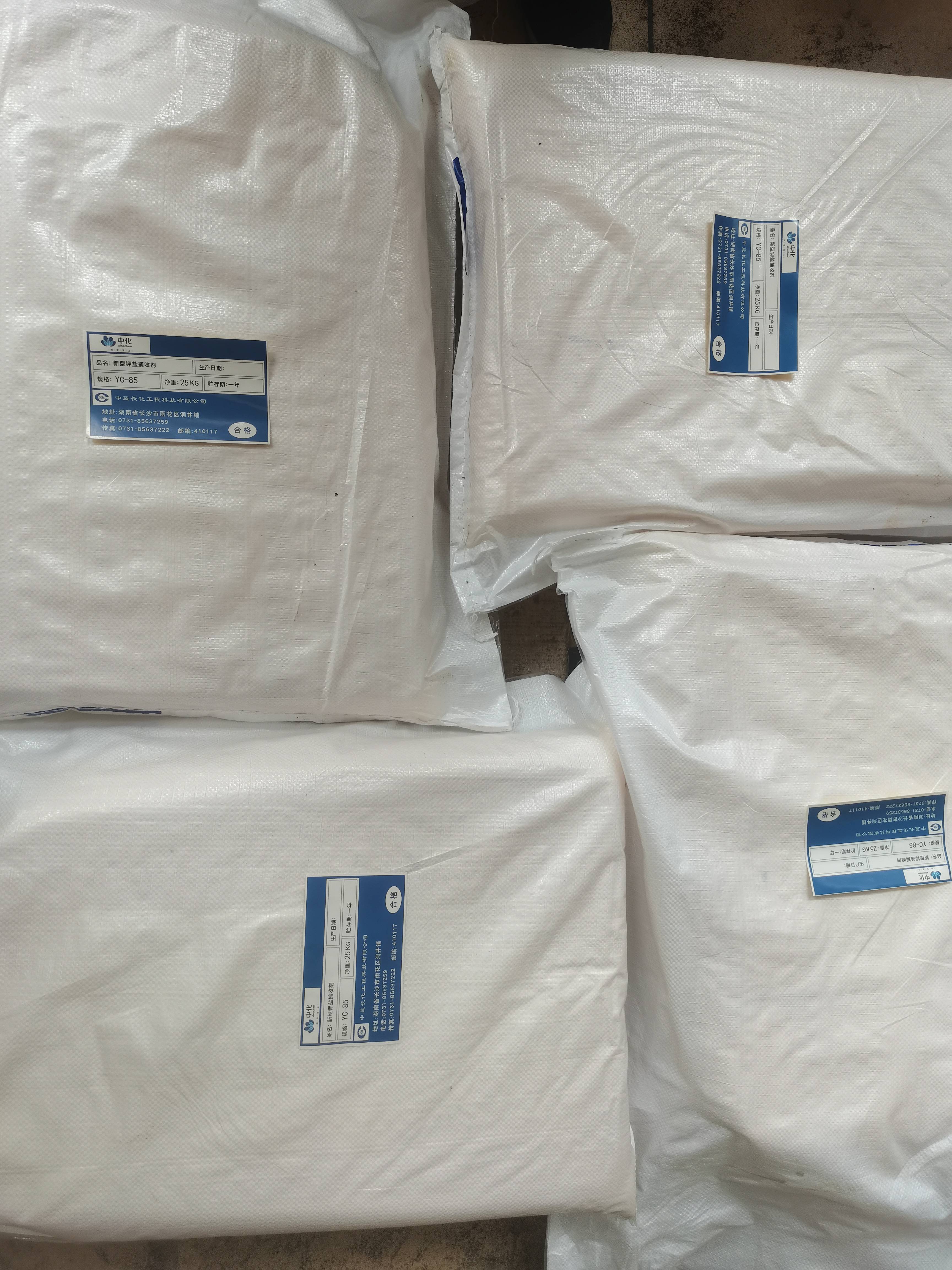
New Environmentally Friendly Green Potassium Salt Collector
Chonfar Engineering and Technology Co., Ltd.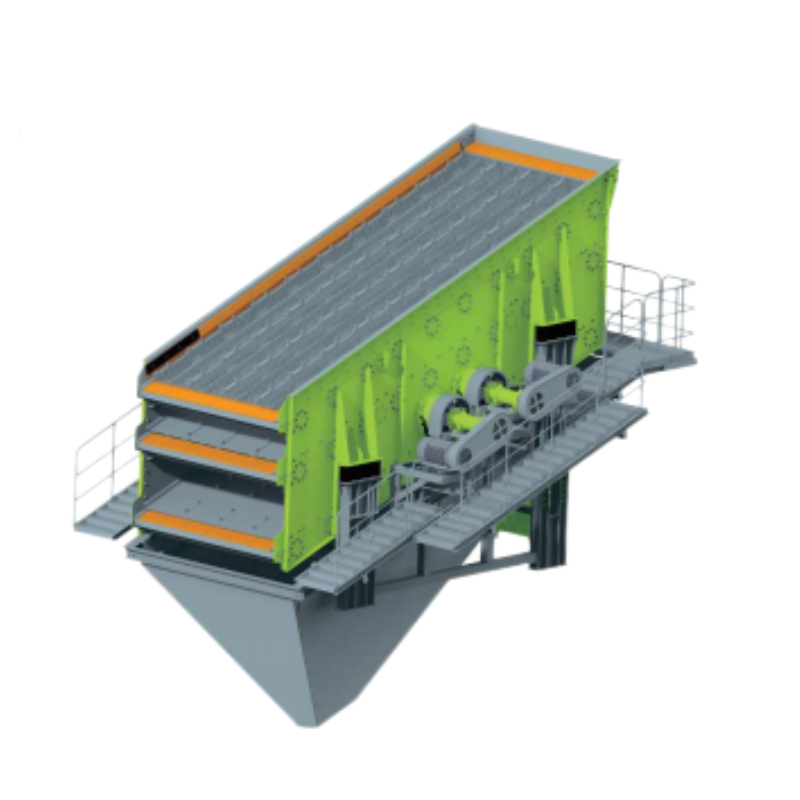
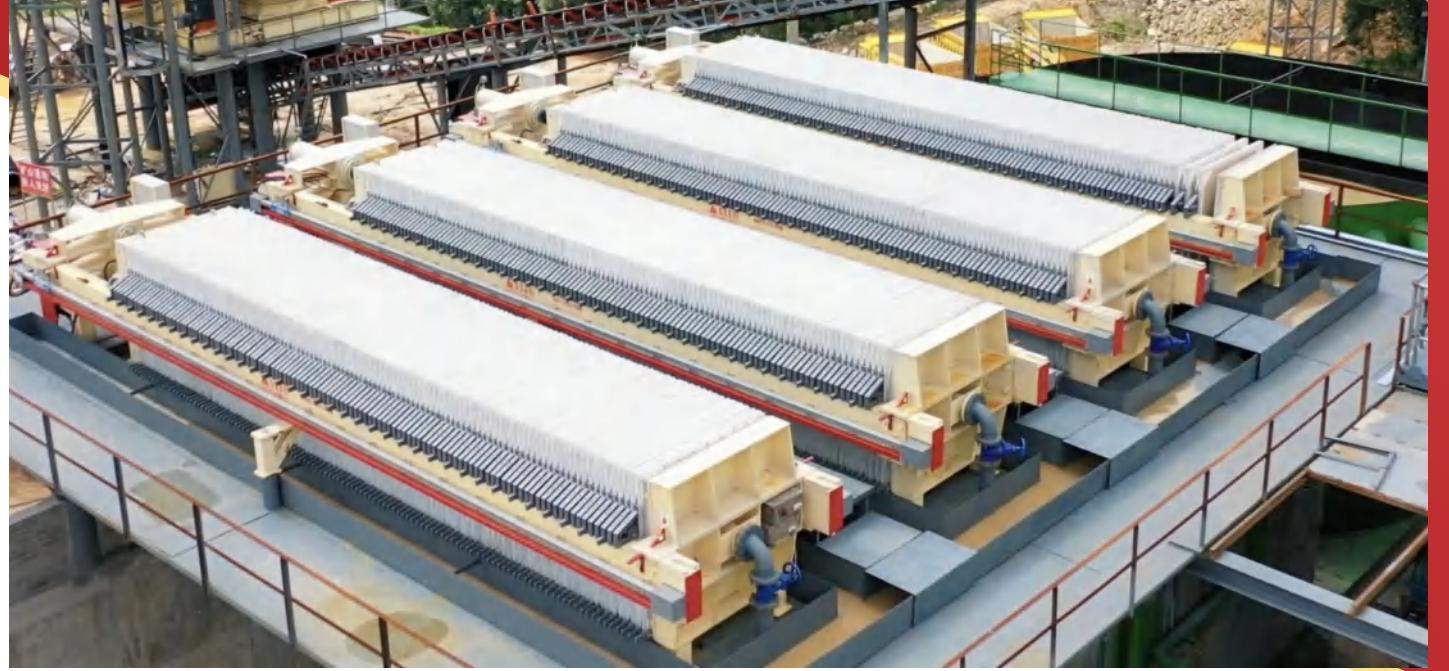
Hydraulic Plate and Frame Filter Press
Guangdong Leimeng Intelligent Equipment Group Co., Ltd.