Brazil's Ceará State Says 2,800 MW Renewable Energy Surplus Boosts Data Centers
en.Wedoany.com Reported - The Ceará state government has issued a clarification regarding IDEC's criticism of the data center law, emphasizing that the regulatory framework approved by the Legislative Assembly is a decisive step in consolidating the state as a global technology hub, providing the necessary legal security to attract structural investments. In a statement released to the media, the state government said the law was designed from the perspective of administrative efficiency and environmental rigor, establishing clear licensing guidelines based on project scale.

The bill defines three categories based on information technology (IT) load: Category I (up to 5 MW), with licensing primarily handled by municipalities; Category II (5 MW to 50 MW) and Category III (over 50 MW/hyperscale), both subject to oversight by the Ceará State Environmental Superintendence (Semace). The state government stated that this regulation aims to meet the critical artificial intelligence computing loads, attracting major projects such as the OMNIA/ByteDance (TikTok) mega-complex in Pecém. The initial investment for this project is estimated at 16 billion reais, with 12 billion reais allocated for physical infrastructure and 4 billion reais invested in renewable energy generation. At maturity, total investment is expected to reach 200 billion reais.
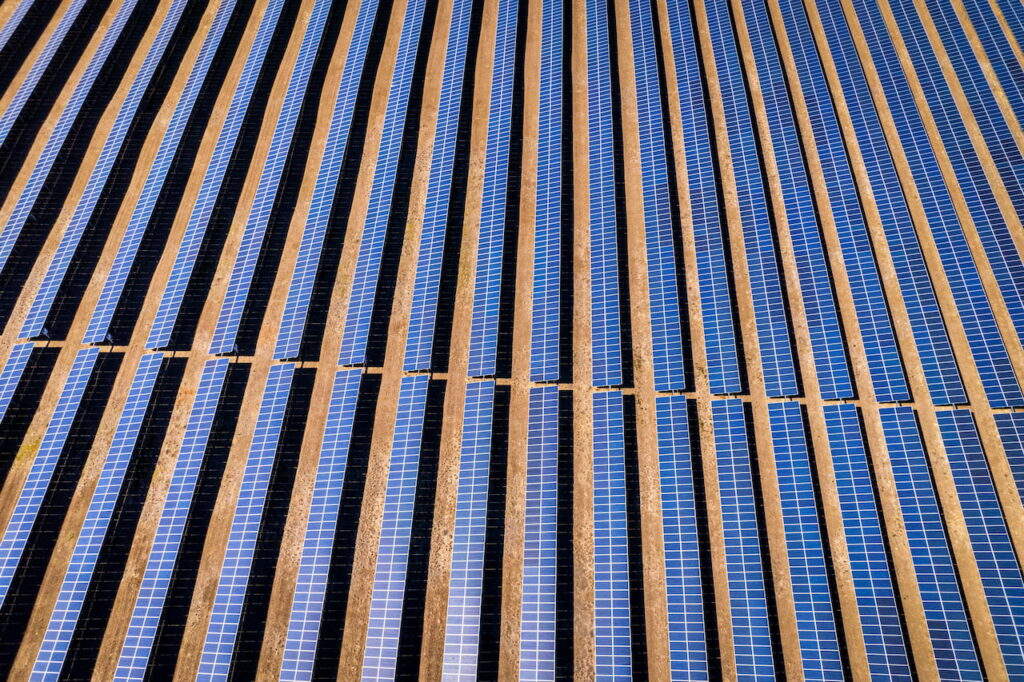
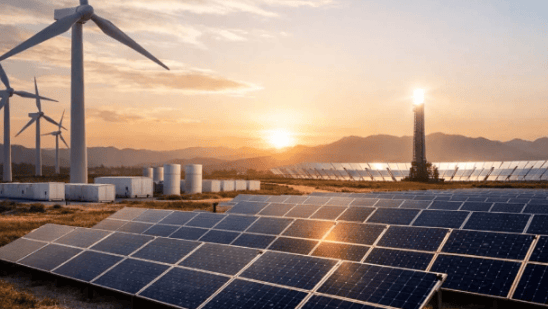
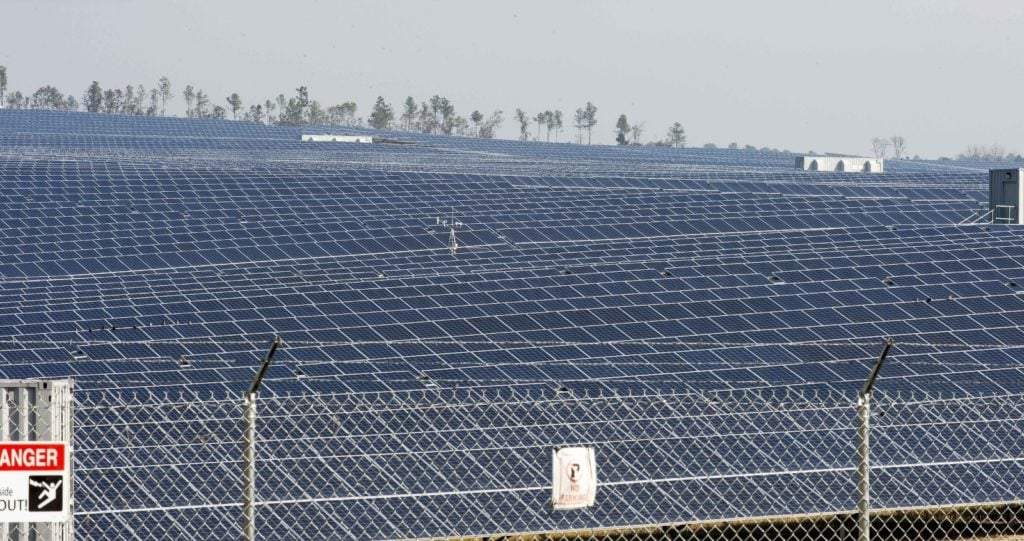
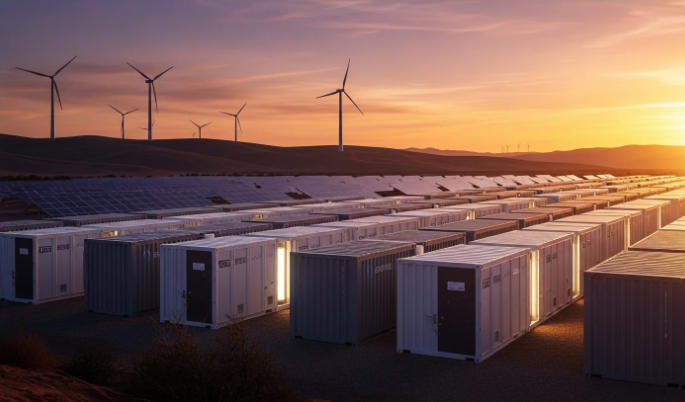
Sustainability and the conservation of scarce resources are pillars of Ceará's data center strategy. Unlike international models that face resistance due to high water consumption, the OMNIA project employs closed-loop technology (air-cooled chillers), reducing water consumption to just 20 cubic meters per day, equivalent to the usage of fewer than 50 households and representing only 0.045% of the residential water demand in the municipality of Caucaia. Additionally, Ceará holds a strategic competitive advantage with a 2,800 MW surplus of renewable energy (wind and solar), enabling new operations to run without burdening the public grid.
Beyond the Fortaleza metropolitan area, which already concentrates 16 international submarine cable connections, the state's strategy aims to expand technology inland. Through the State Information Technology Company (Etice), the government plans to tender six fiber optic pairs for the Ceará Digital Ring (CDC), a 5,955-kilometer backbone that will directly integrate data infrastructure with clean energy generation centers in the interior.
Related Products

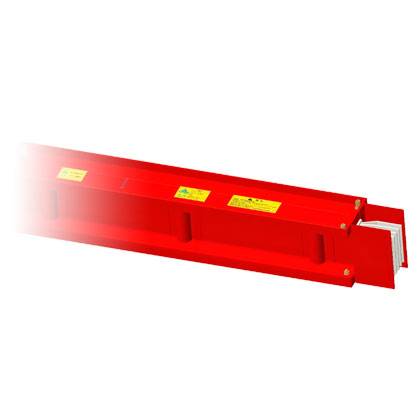
Mineral-insulated Compact Busway (Fire-resistant Busduct)
Zhuhai Guangle Electric Busway Co., Ltd.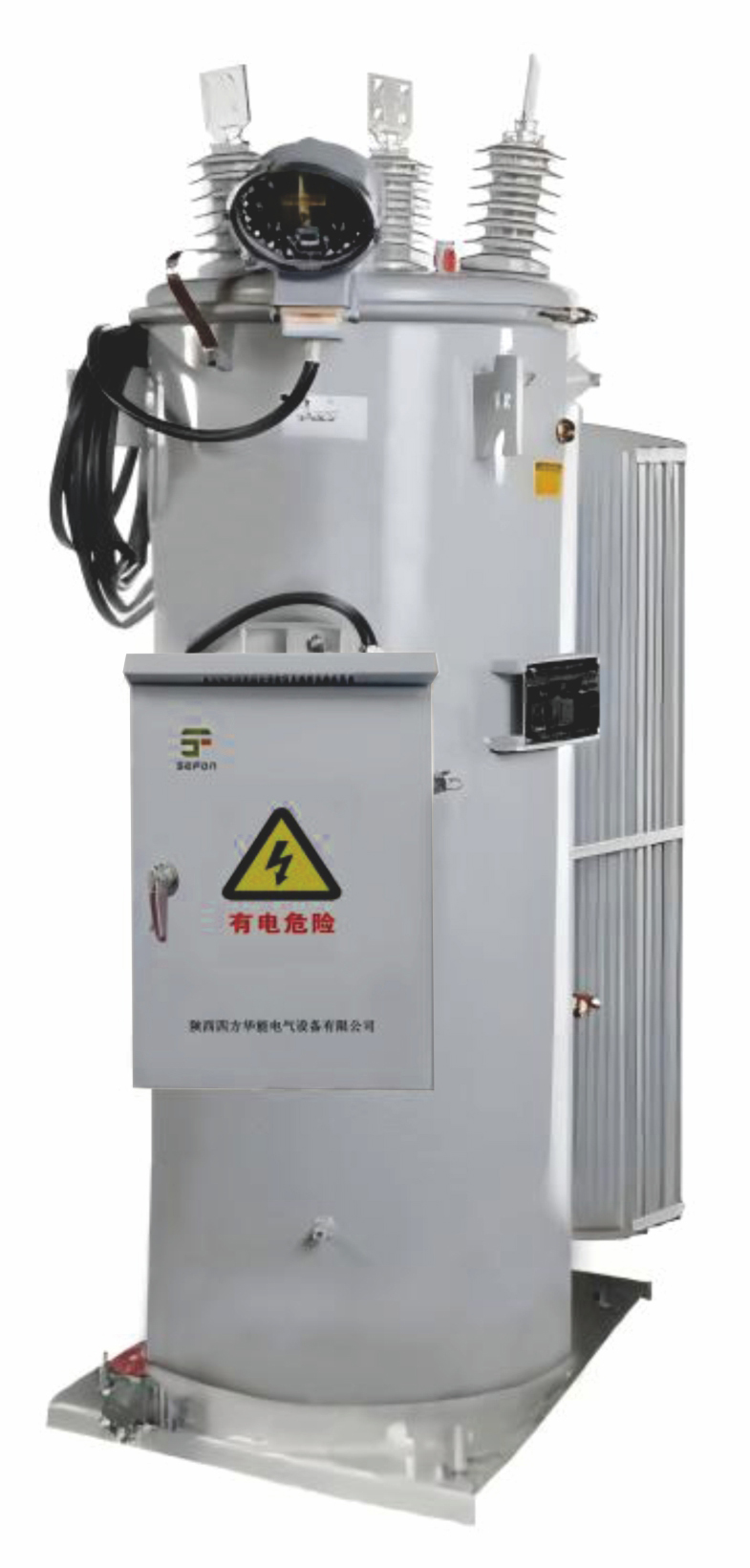
Single-Phase Automatic Voltage Regulator(AVR)
Shaanxi Sefon Electrical Equipment Co.,Ltd.

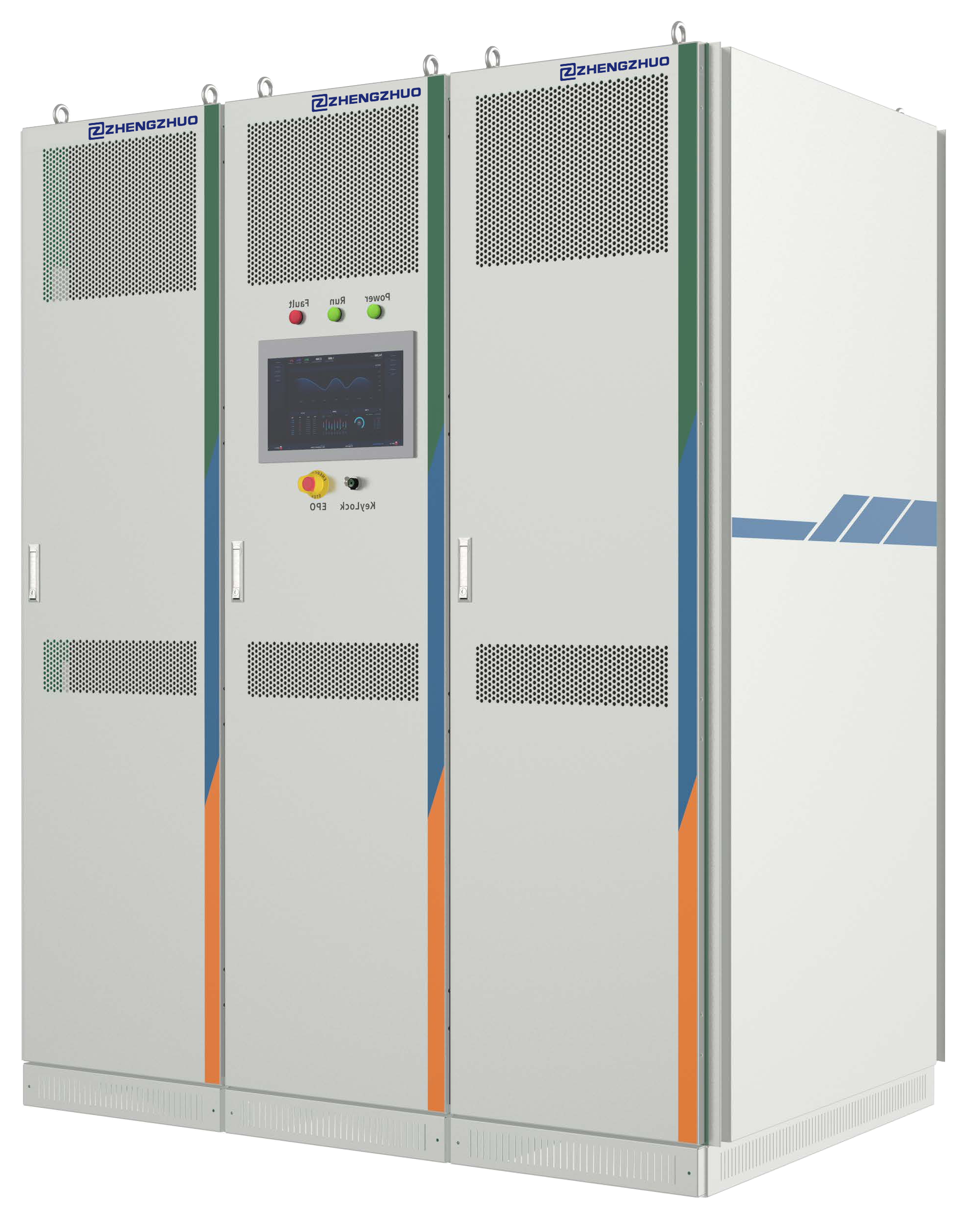
IGBT Hydrogen Production Power Supply - High Power Air Cooling
Beijing Zhengzhuo Engineering Technology Co., Ltd.
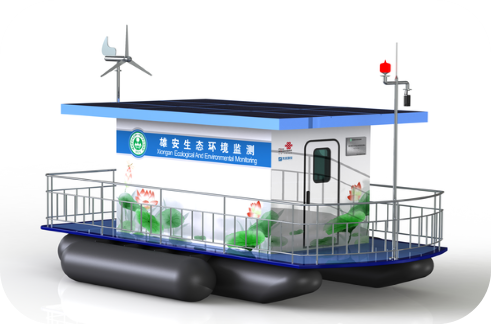
Floating Boat Water Quality Automatic Monitoring System
Hebei Sailhero Environmental Protection High-tech Co., Ltd.