Metropolitan Water District and Federal Government Sign $65 Million Agreement to Address Lake Mead's Lowest Water Level
en.Wedoany.com Reported - In response to the severe situation where Lake Mead's water level is expected to drop to a historic low, the Metropolitan Water District (MWD) has reached an agreement with the federal government aimed at increasing reservoir storage and protecting the hydroelectric power generation capacity of the Hoover Dam. The agreement has been approved by the MWD board.
Under the agreement, the U.S. Bureau of Reclamation will compensate the MWD for leaving up to 200,000 acre-feet (approximately 326,000 gallons per acre-foot, enough to supply about three households) of its Colorado River water supply in Lake Mead this year. This initiative is made possible by significant investments over the past three decades in diversified water sources, storage, and conservation. Water from the Colorado River and Northern California supplies about half of the water for 19 million people in Southern California.
Adán Ortega, Jr., Chairman of the MWD Board, stated that investments over the past 30 years in diversifying water sources, incentivizing conservation, and water storage have enhanced the system's resilience. He added that since 1990, the MWD and its water users have invested $1.7 billion in conservation, water recycling, and groundwater recovery, generating over 8.8 million acre-feet of water. He believes these forward-looking investments enable the MWD to provide assistance when the Colorado River needs it most.
According to the terms of the agreement approved by the board, the Bureau of Reclamation will pay the MWD $325 per acre-foot, for a total of up to $65 million, in exchange for leaving these water supplies in Lake Mead. Funding comes from the Lower Colorado River Basin System Conservation and Efficiency Program, established by the Inflation Reduction Act of 2022.
The board also approved two additional agreements, leveraging the MWD's long-term partnerships with the Quechan Tribe and the Bard Water District, to allow the Bureau of Reclamation to add up to 19,000 acre-feet of conserved agricultural water to Lake Mead annually in 2027 and 2028. The MWD had previously entered into similar retention agreements with agricultural partners and the Bureau of Reclamation in 2023.
Following record-low snowpack in the Colorado River Basin this year, Lake Mead's water level is approaching its historic low. An excessively low water level could reduce the Hoover Dam's hydroelectric power generation capacity by 70%, threatening critical electricity supplies in the Southwest.
Shivaji Deshmukh, General Manager of the MWD, emphasized that these agreements are only temporary solutions and that a longer-term consensus is needed among the seven Colorado River Basin states on how to operate the river after the current guidelines expire at the end of this year. He stated that while this year's efforts can help reduce the drought's impact on the system, lasting progress requires long-term solutions, and called on all parties to commit to reducing water use to create lasting change.
Related Products
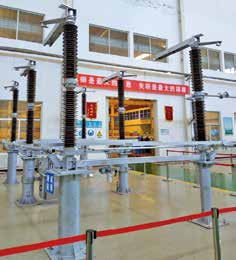

GW4-40.5/72.5/126/145/170/252/363/420 Series Double-column Horizontal Rotary High-voltage AC Disconnect Switch
SHANDONG TAIKAI DISCONNECTORS CO., LTD.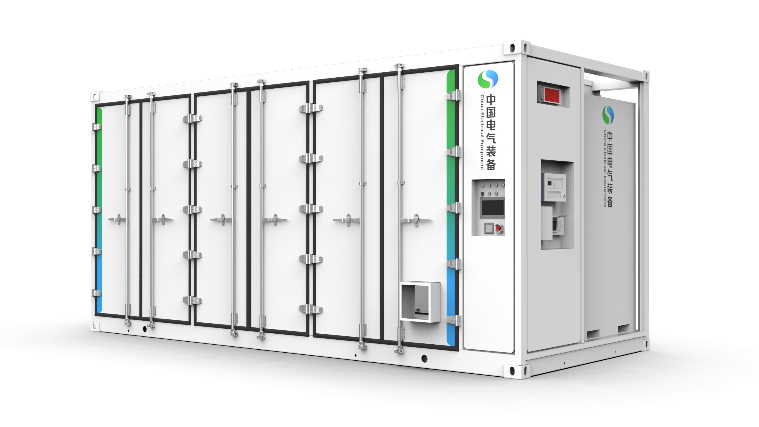
MESS8201-2507/5015-BN Prefabricated Liquid-cooled Energy Storage Battery Container
Xuchang Xuji Electric Science Energy Storage Technology Co., Ltd.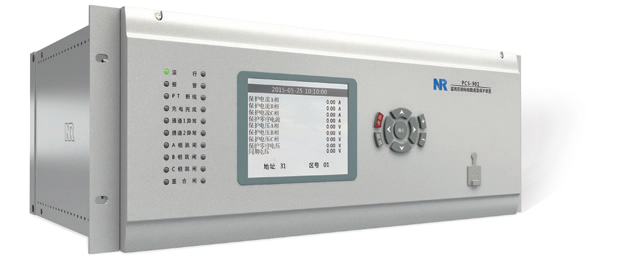
PCS-901 Series Ultra (Extra) High-voltage Transmission Line Complete Protection Device
Nanjing NR Electric Co., Ltd.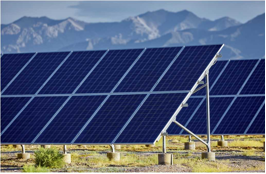
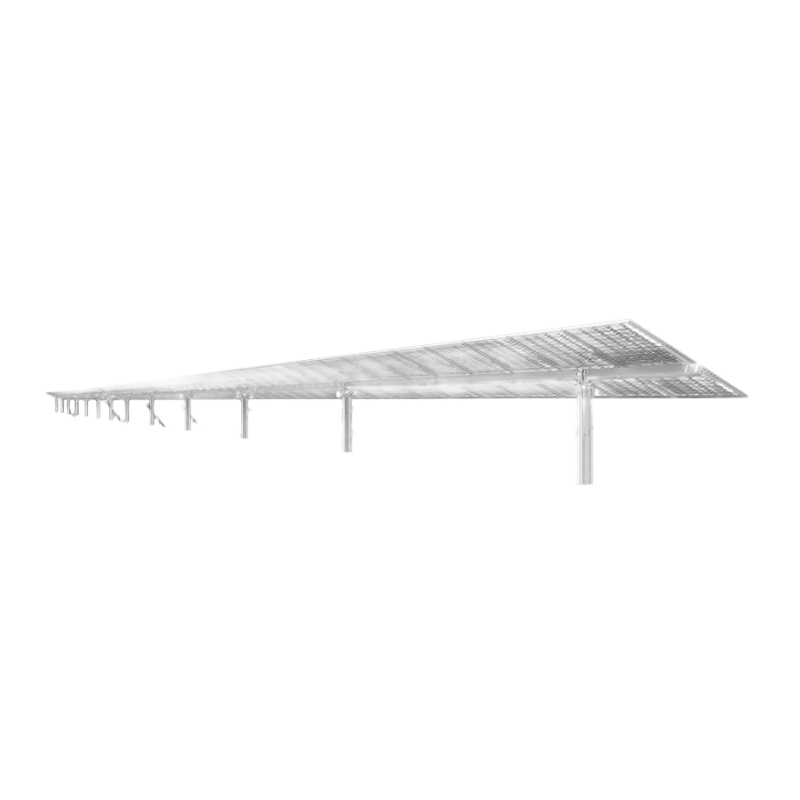
TAI Slew-drive Single-axis Independent 1P Tracking Bracket System
ANTAI TECHNOLOGY CO., LTD.
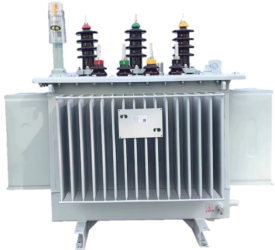
Oil-immersed Amorphous Alloy Core Distribution Transformer
Pinggao Group Smart Electric Co., Ltd.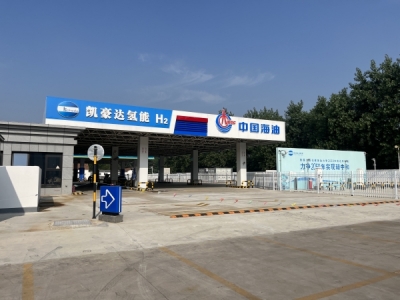
Hydrogen production and hydrogenation charging refueling gas integrated energy station
Shenzhen Kohodo Hydrogen Energy Co., Ltd.
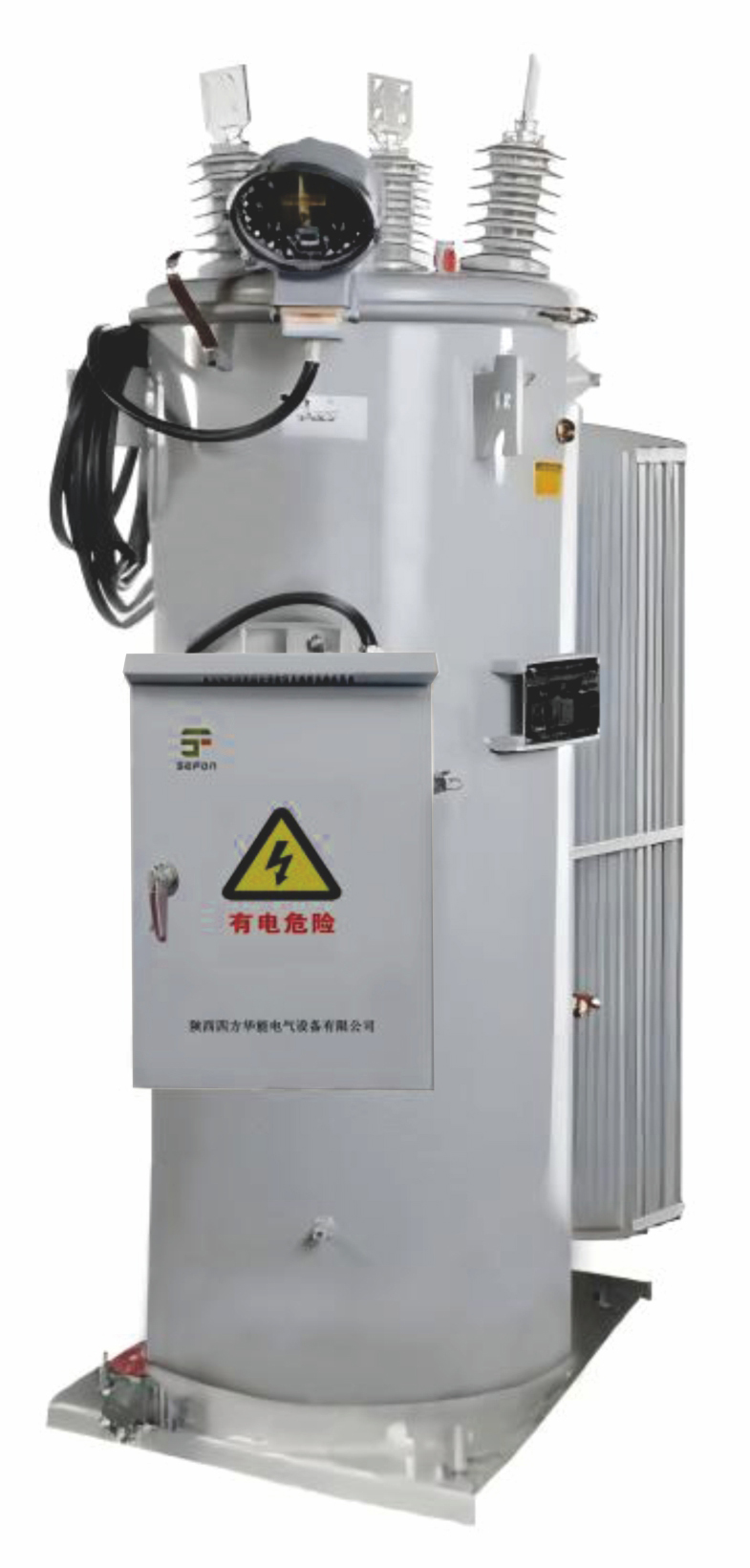
Single-Phase Automatic Voltage Regulator(AVR)
Shaanxi Sefon Electrical Equipment Co.,Ltd.