China Yankuang Xinjiang Energy's 600,000-ton Methanol-Ammonia Co-production Unit Shuts Down for Major Overhaul
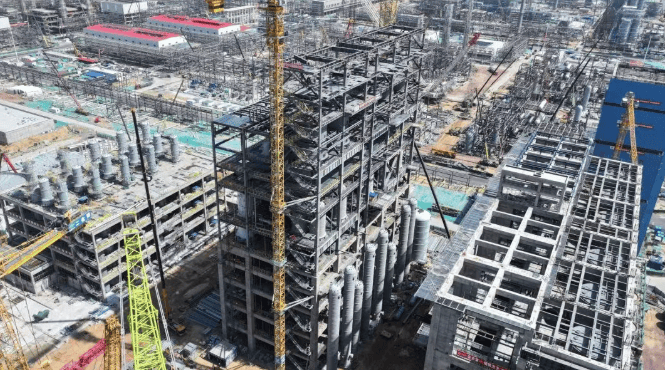
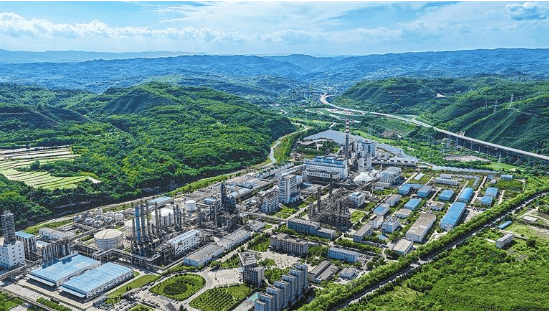
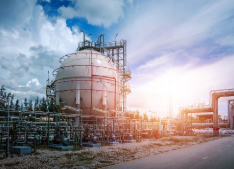
en.Wedoany.com Reported - At 00:35 on July 16, the entire production series of Yankuang Xinjiang Energy Co., Ltd. achieved a smooth shutdown, transitioning the annual system overhaul into full-scale construction. Located in the Urumqi Ganquanbao Economic and Technological Development Zone, the company is a coal chemical enterprise utilizing multi-nozzle water-coal-slurry pressurized gasification technology, supported by processes including sulfur-tolerant shift conversion, Dalian University of Technology's low-temperature methanol washing, Topsoe WSA wet sulfuric acid production, East China University of Science and Technology's low-pressure methanol synthesis, Hangyang's liquid nitrogen washing, Casale's low-pressure ammonia synthesis, and CO2 stripping urea production.
Its 600,000-ton methanol-ammonia co-production unit (with an annual output of 300,000 tons of methanol, 300,000 tons of synthetic ammonia, and 520,000 tons of urea) was first commissioned in September 2012, while the 60,000-ton melamine unit was completed and connected to the grid in June 2024. This overhaul covers eight workshops: gasification, methanol, urea, melamine, water supply, thermal power, electrical, and instrumentation. The three key tasks include the complete replacement of the ammonia synthesis converter internals and catalyst, the upgrade of the synthesis gas compressor turbine rotor and diaphragms, and a comprehensive renovation of the air separation control system.
Due to the close material exchange, energy coupling, and tight upstream-downstream integration among coal chemical units, the shutdown must proceed sequentially, completing operations such as purging, isolation, and depressurization to create a safe working environment. Currently, all maintenance tasks are being carried out according to the established network plan, with workers and technicians rotating shifts and key nodes under dedicated supervision.
After all overhaul work is completed, the unit will enter a capacity ramp-up phase, with step-by-step commissioning and gradual load increase until it returns to design operating indicators. This major overhaul aims to eliminate equipment hazards, optimize performance, and ensure the company's next long-cycle safe operation.
Related Products

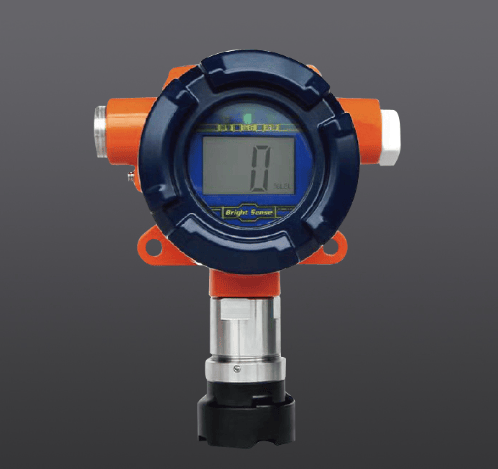

Industrial and Commercial Point-Type Gas Detector
Jinan Benan Technology Development Co., Ltd.
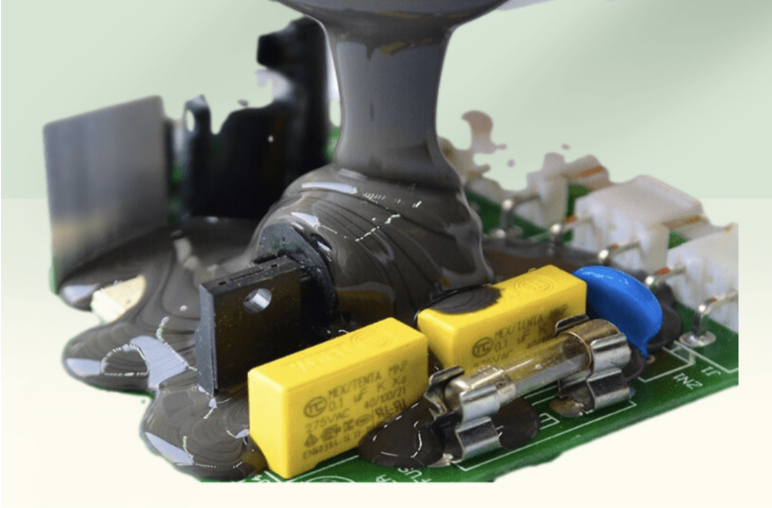
High Thermal Conductivity Encapsulating Resin
Nantong BESALL Sealing Technology Company.,Limited
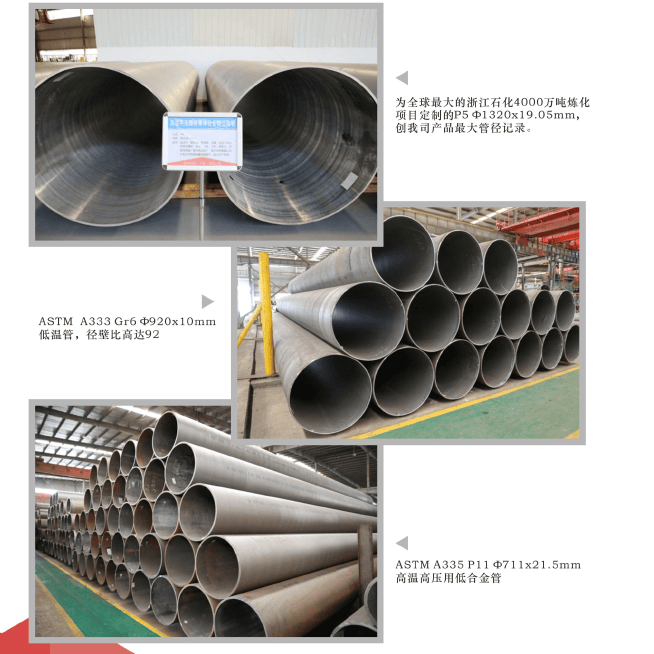
Steel Plates for Chemical Pressure Equipment
Gansu JISCO Group Hongxing Iron and Steel Co., Ltd.