ACS Team Develops "Living Plastic" That Decomposes in Six Days
en.Wedoany.com Reported - On July 16, local time, a research team from the American Chemical Society (ACS) developed a "living plastic" using Bacillus subtilis that can self-decompose under specific conditions, offering a new pathway for traditional plastic waste disposal.
![A pile of plastic waste. [Pixabay]](https://img.wedoany.com/2026/0719/20260719113517465.jpg)
Traditional plastic bottles, bags, and other products can persist in the natural environment for decades to centuries, and the microplastics generated from their decomposition can enter the human body through water sources. This study embeds dormant Bacillus subtilis spores within the plastic and designs a mechanism where two decomposition enzymes are activated sequentially. When specific conditions are met, the microbial spores are activated, and the plastic is completely broken down into basic monomers without generating microplastics.
The research team applied this technology to biodegradable polycaprolactone (PCL), a material commonly used in 3D printing and medical sutures. Experiments showed that the material, stable at room temperature, completely decomposed within six days after being injected with a nutrient solution at 50 degrees Celsius, activating the spores. The team also used the material to create wearable electrodes for electrocardiogram measurements; after normal operation, the electrodes completely disappeared within two weeks following the activation process.
Professor Zhu Aojundai (transliteration), who led the study, stated that while existing plastics can last for centuries, many products such as packaging materials have very short usage times. The research aims to provide a new method that can simultaneously design durability and decomposition functions. The findings have been published in the international academic journal ACS Applied Polymer Materials. The research team's next step is to develop technology that can activate microorganisms in water to address ocean plastic issues and explore applying this technology to other plastic products, such as disposable packaging materials.
Related Products


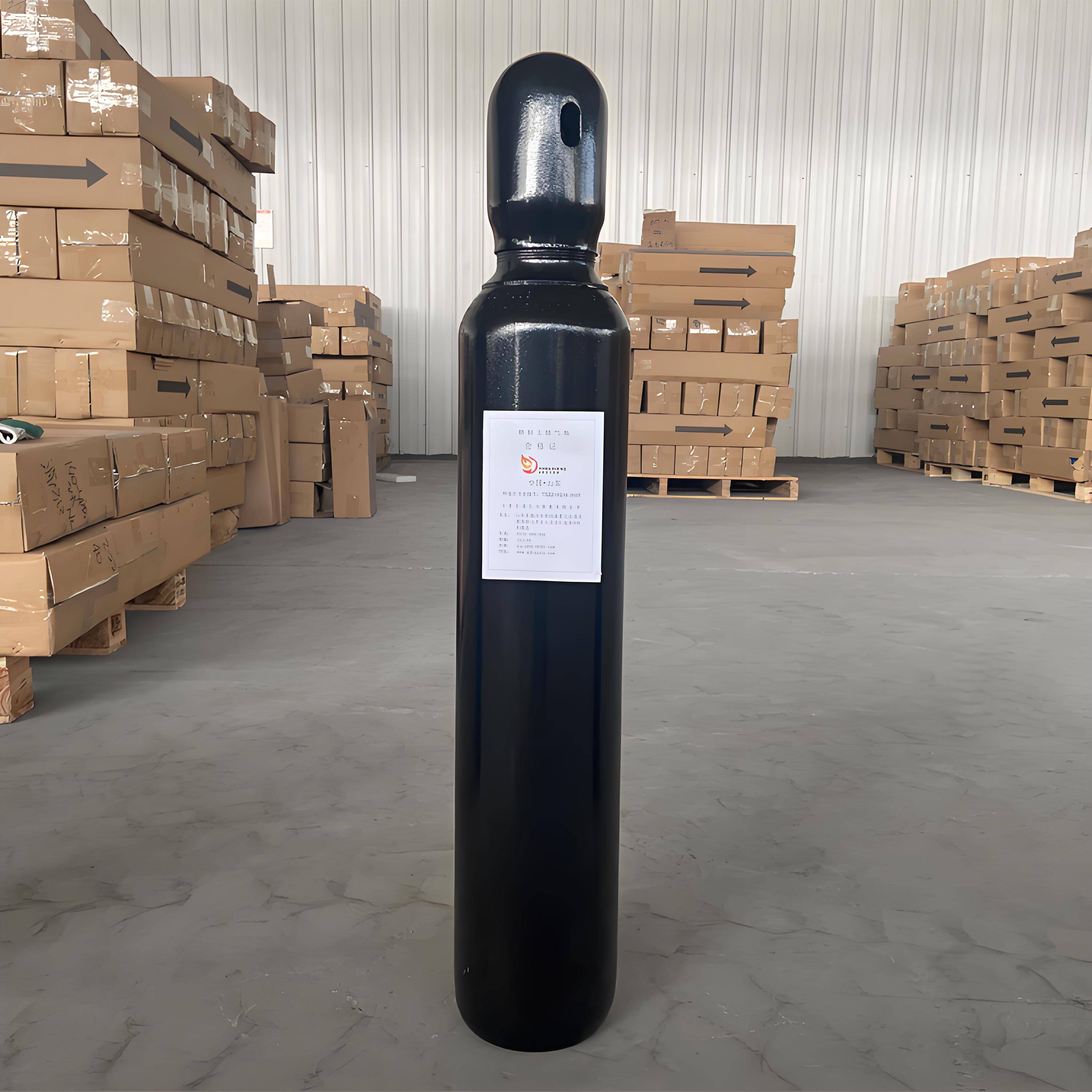
Nitrogen Export, Nitrogen Manufacturer, High-purity Nitrogen Supplier
Foshan Yuexin Industrial Gas Co., Ltd.

CAP1400 main feedwater flow nozzle flowmeter.
Jiangsu Hongda Instrument Technology Co., LTD.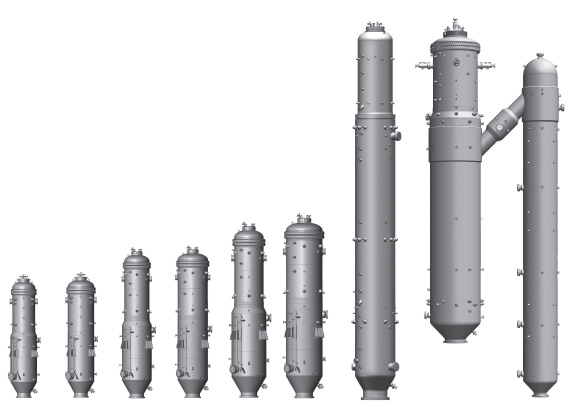
Gasification Furnace Series: Freely Combinable Aerospace Furnace
CHANGZHENG ENGLINEERING CO., LTD.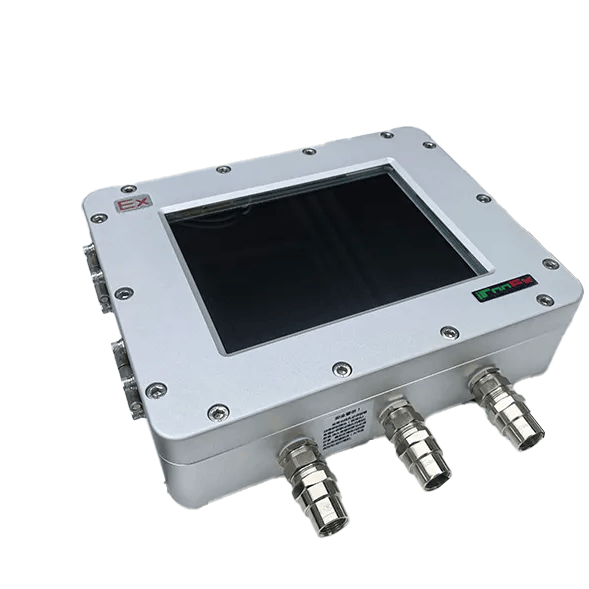
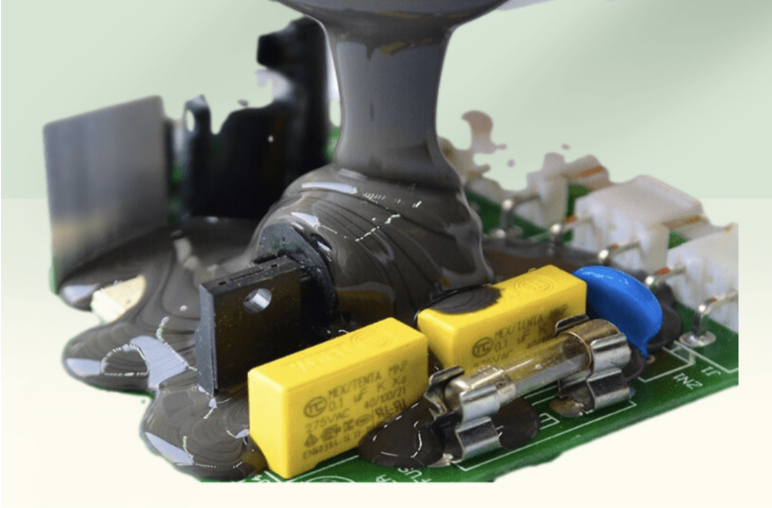
High Thermal Conductivity Encapsulating Resin
Nantong BESALL Sealing Technology Company.,Limited
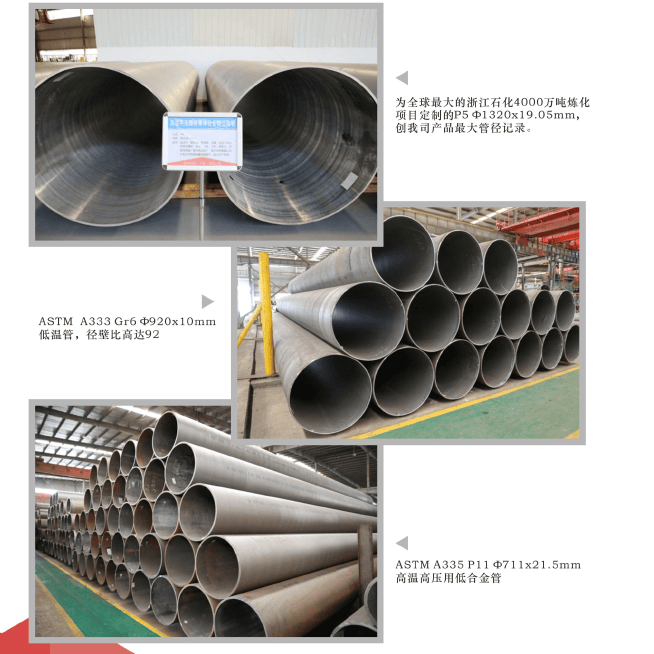
Steel Pipes for Refining and Coal Chemical Industries
YANGZHOU LONTRIN ENERGY EQUIPMENT CO.,LTD.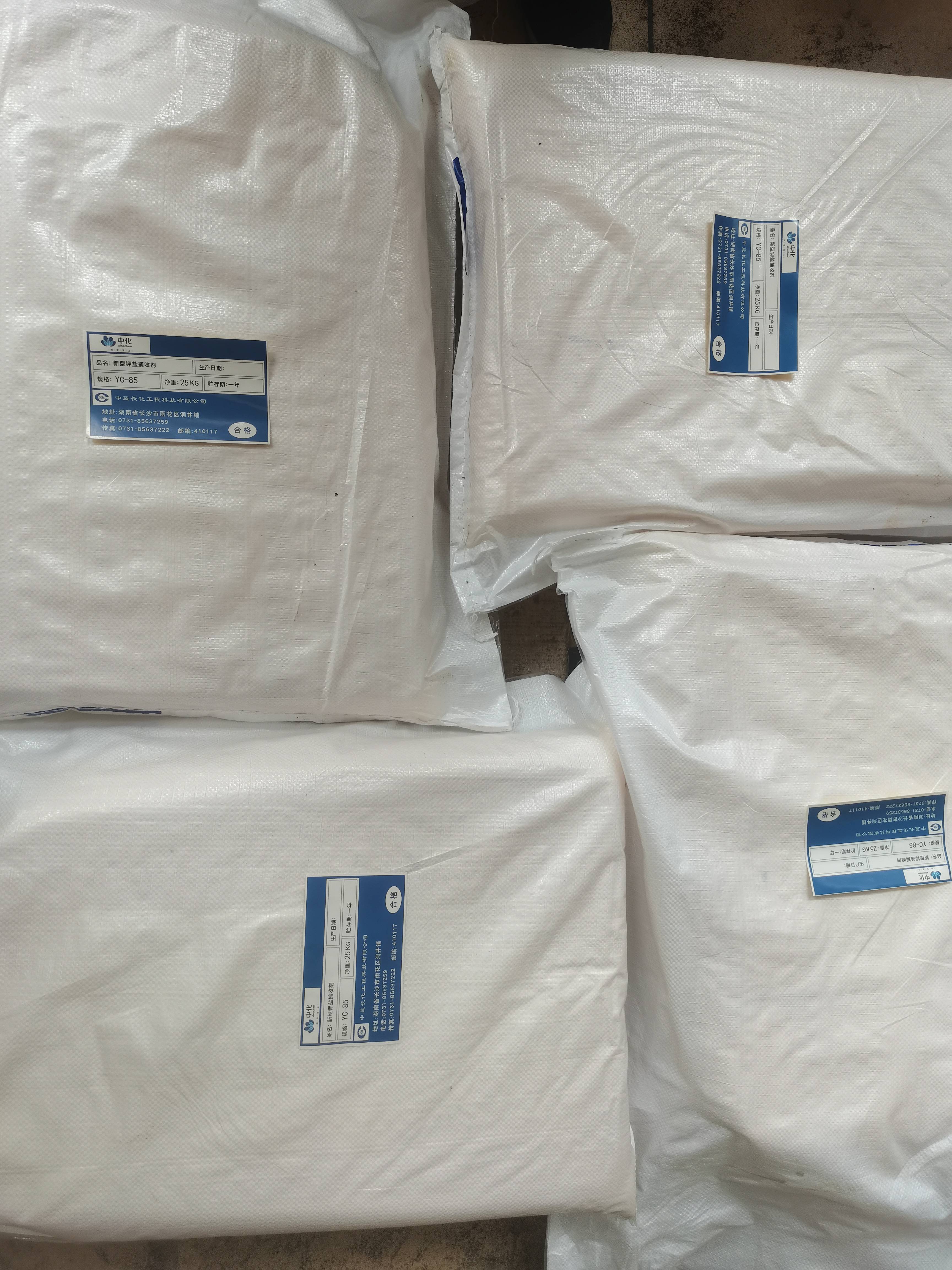
New Environmentally Friendly Green Potassium Salt Collector
Chonfar Engineering and Technology Co., Ltd.