en.Wedoany.com Reported - The White House issued a notice on July 20, 2026, citing Section 338 of the Tariff Act of 1930, with President Trump signing three presidential proclamations to impose an additional 50% ad valorem tariff on certain imported products from Canada. The U.S. stated that this move is in response to Canada's "discriminatory measures" against the U.S. in the trade of automobiles and auto parts. The new tariffs will take effect at 12:01 a.m. Eastern Time on August 19, 2026, and will be applied on top of existing tariffs, taxes, and other charges.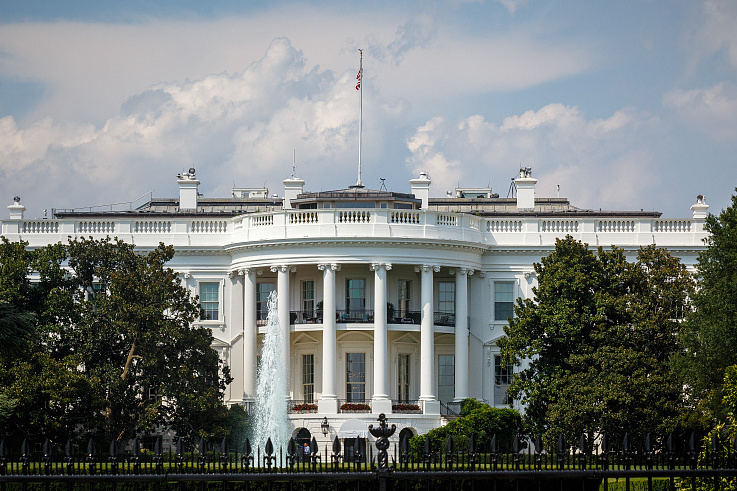
In its notice, the White House outlined three core allegations. In the automotive sector, the U.S. claimed that since April 2025, Canada has imposed a 25% tariff on U.S. vehicles that do not meet the rules of origin under the United States-Mexico-Canada Agreement (USMCA), and that this tariff applies exclusively to the U.S., resulting in a decline of approximately 22%, or $5.6 billion, in U.S. auto exports to Canada from April 2025 to March 2026. In the alcoholic beverages sector, except for Alberta and Saskatchewan, all other Canadian provinces and territories have ceased the procurement, distribution, and retail of U.S. alcoholic beverages, leading to a decline of approximately 81%, or $582 million, in U.S. alcoholic beverage exports to Canada during the same period. In the dairy sector, the U.S. believes that Canada's tariff-rate quotas on U.S. cheese are far more restrictive than those applied to similar products from the European Union.
The scope of these tariffs is broad. According to a White House fact sheet, the additional tariffs cover approximately 550 products under eight-digit Harmonized Tariff Schedule codes, including wine, hockey sticks, cement, dairy products, swimming pools, furniture, fishing rods, seeds, clothing, and wigs. Regardless of whether the goods meet the USMCA rules of origin, they are subject to the new tariffs. However, products such as energy, potash, goods already subject to tariffs under Section 232 of the Trade Expansion Act of 1962, fish, and critical minerals are exempted.
Canada has responded. Ontario Premier Doug Ford called for a "tariff-for-tariff, dollar-for-dollar" retaliation on social media. The Canadian Chamber of Commerce characterized the situation as a "regrettable escalation" and urged dialogue between Washington and Ottawa during the 30-day window before the new tariffs take effect. This tariff action comes amid ongoing tensions in U.S.-Canada trade relations—the U.S. earlier this month refused to extend the USMCA, a move that could further exacerbate trade friction between the two countries.