SEMI: Global Semiconductor Equipment Sales to Reach $229.5 Billion by 2028
en.Wedoany.com Reported - The International Semiconductor Equipment and Materials Initiative (SEMI) has forecast that the global semiconductor equipment market is expected to approach $230 billion by 2028, setting a new historical record, driven by the proliferation of artificial intelligence infrastructure and surging demand for high-bandwidth memory (HBM) and cutting-edge logic semiconductors.
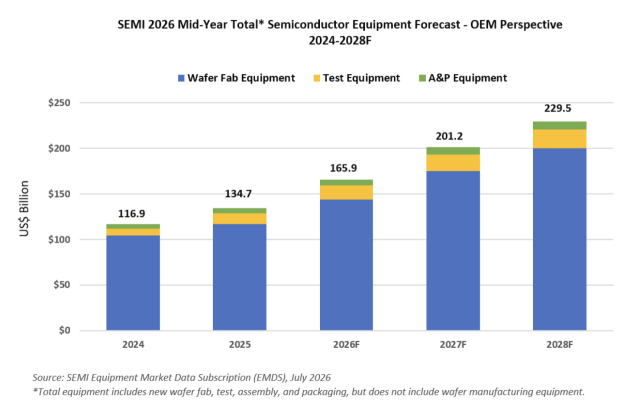
SEMI announced on the 21st that global semiconductor equipment sales are projected to reach $165.9 billion (approximately 229.7 trillion Korean won) in 2026, up 23.2% year-over-year. The organization expects this upward trend to continue through 2028, achieving five consecutive years of growth, with total global semiconductor equipment sales hitting a record $229.5 billion (approximately 317.8 trillion Korean won) in 2028.
SEMI CEO Ajit Manocha analyzed that AI has accelerated demand for high-performance, high-efficiency semiconductors, significantly driving investment across the entire equipment market. This forecast indicates that semiconductor manufacturers are massively expanding their capabilities in cutting-edge logic, next-generation memory, testing, and packaging to meet the demands of the AI era, with equipment spending entering a steeper growth trajectory than ever before.
By segment, the front-end wafer fab equipment market is showing particularly notable growth. Wafer fab equipment sales were $116.9 billion last year and are expected to grow 23.1% year-over-year to $143.9 billion in 2026; thereafter, they are projected to increase by 21.8% and 14.1% in 2027 and 2028, respectively, potentially surpassing the $200 billion mark for the first time in 2028.
By application, equipment sales in the foundry and logic segment are expected to grow 18.9% year-over-year to $78 billion in 2026, reaching $104.7 billion by 2028. This is primarily due to major foundries entering the mass production phase of 2-nanometer (nm) Gate-All-Around (GAA) fine process technology, leading to a significant increase in related equipment investment.
The memory equipment segment is growing rapidly due to HBM and high-layer-count 3D NAND transitions. DRAM equipment sales are expected to surge 39.0% year-over-year to $38.8 billion in 2026, reaching $56.9 billion by 2028. NAND equipment sales are projected to grow 30.7% to $13.9 billion in 2026, expanding to $20.8 billion by 2028.
The back-end (OSAT) and test equipment markets are also showing robust activity. Semiconductor test equipment sales are expected to grow 31.0% year-over-year to $15.3 billion in 2026; assembly and packaging equipment sales are projected to grow 9.6% to $6.7 billion. Both segments are forecast to grow to $20.8 billion and $8.6 billion, respectively, by 2028. Analysts believe that stringent quality standards implemented to ensure the yield of advanced heterogeneous integration packaging are driving equipment adoption.
By region, South Korea, China, and Taiwan are expected to maintain their positions as the top three global semiconductor equipment investment hubs through 2028. Among them, China continues to hold the position of the world's largest equipment market due to massive equipment investments; Taiwan is focusing on expanding advanced foundry processes for high-performance computing (HPC); and South Korea is executing substantial equipment investments centered on securing next-generation memory super-gap technologies, led by HBM.
Related Products

Strip Coating and Plating Production Line Equipment
MCC-SFRE HEAVY INDUSTRY EQUIPMENT CO., LTD.
QLZNGJ Intelligent Steel Reinforcement Trolley
Luoyang China Railway Qiangli Machinery Co., Ltd.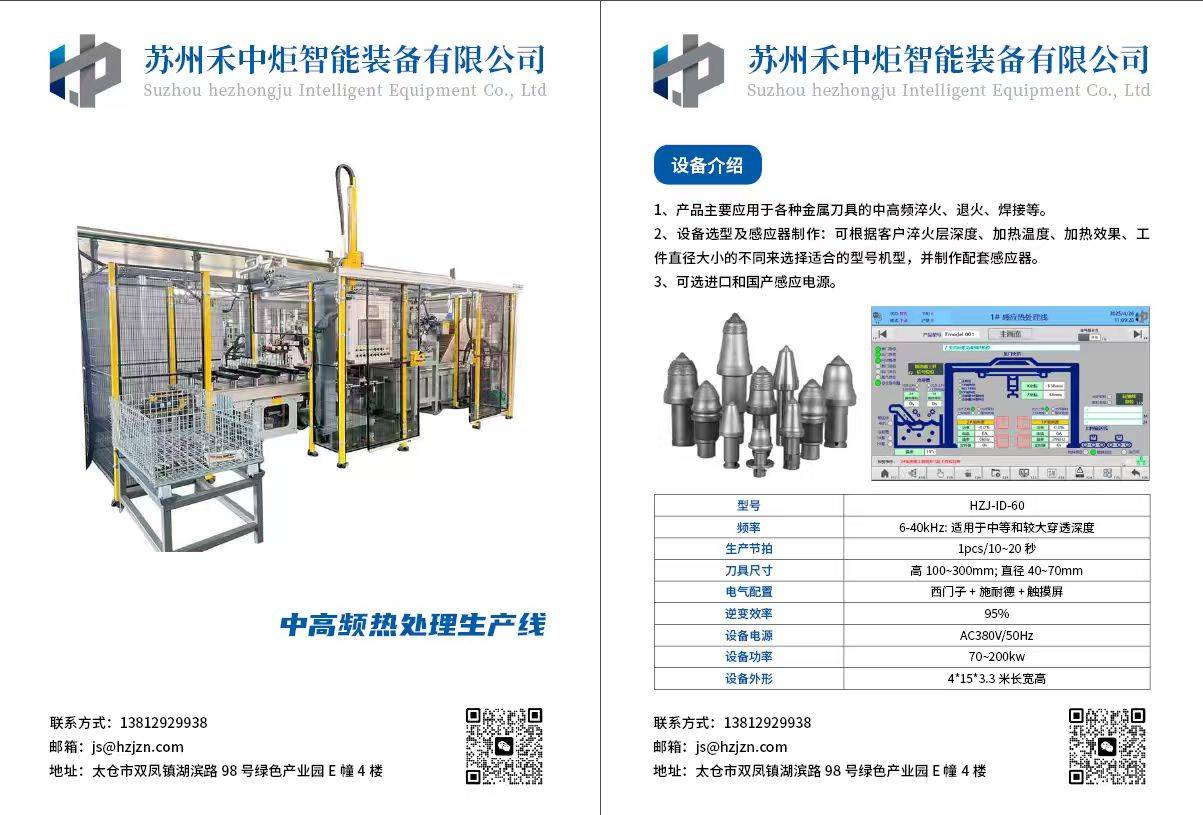
Excavator Bucket Teeth Heat Treatment Production Line
Suzhou Hezhongju Intelligent Equipment Co., Ltd.
CAP1400 main feedwater flow nozzle flowmeter.
Jiangsu Hongda Instrument Technology Co., LTD.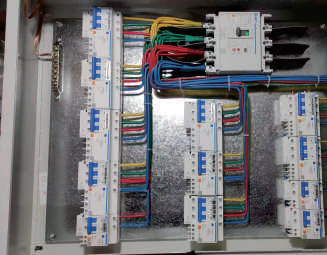
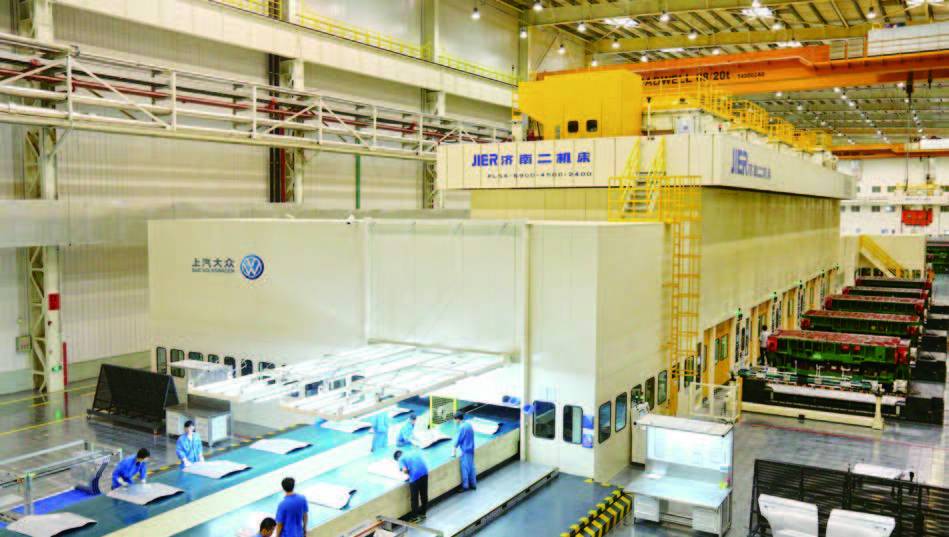
High-Speed Flexible Fully Automatic Stamping Production Line
JIER Machine-Tool Group Co., Ltd.
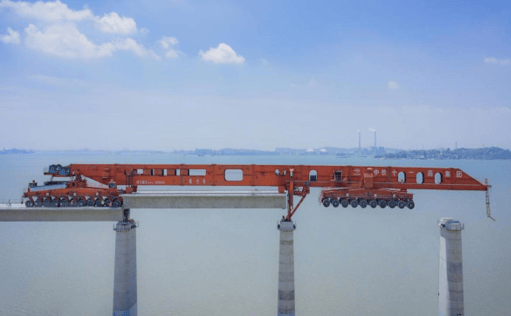
High-Speed Railway Lifting, Transporting, and Erecting Equipment: Integrated Transport and Erection Machine
Hanjiang Heavy Industry Co., Ltd. of China Railway 11th Bureau Group