Mercedes-Benz Hungary Factory Doubles Capacity to 350,000 Vehicles
en.Wedoany.com Reported - Mercedes-Benz has completed the expansion of its Kecskemét plant in Hungary, increasing annual production capacity to approximately 350,000 vehicles, double its previous output. The expansion project has also created around 3,000 new jobs, bringing the total workforce at the plant to over 5,000 employees.
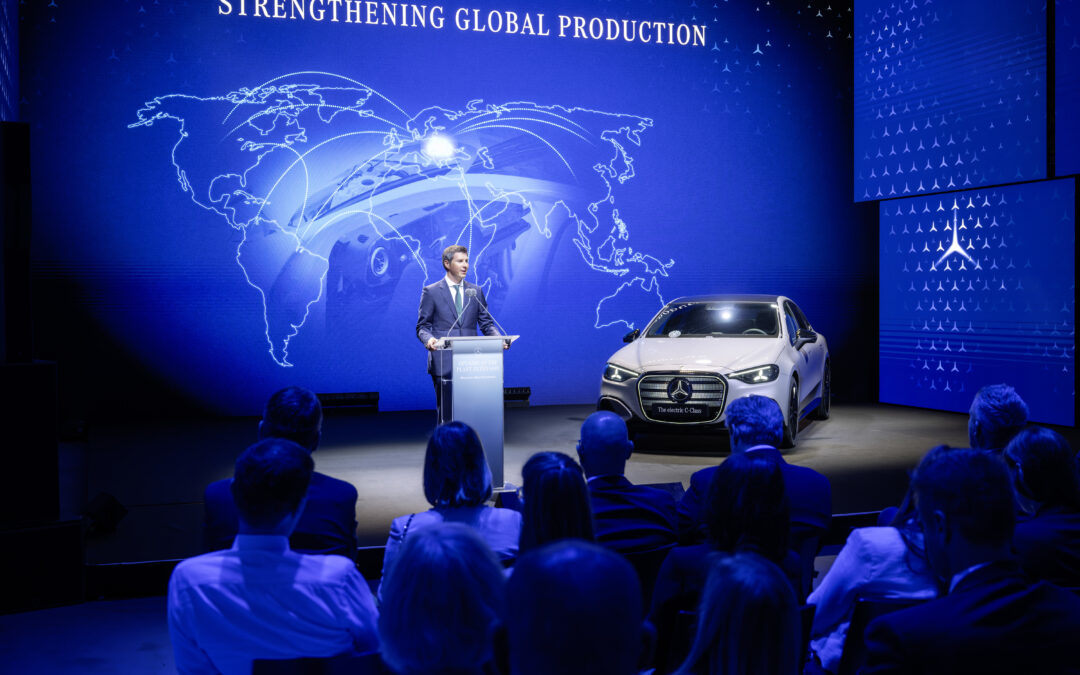
This expansion is not merely about increasing capacity. Mercedes-Benz is positioning the Kecskemét plant as a key pillar of its industrial network, which can allocate models and production volumes across different plants based on demand fluctuations and market conditions. In addition to the new electric C-Class, the company plans to produce the electric GLC and the future compact G-Class at the Hungarian plant. The goal is to establish a flexible production axis between Kecskemét and German plants, allowing for the transfer or sharing of specific model production across different locations.
Michael Schiebe, Head of Production at Mercedes-Benz's Board of Management, stated that this enables flexible production of models at different locations, allowing rapid adaptation to market demand and external factors, making the global production network more resilient. A core element of the strategy is integrating more value chain steps within the industrial complex. The expansion includes new final assembly and body shops, a second press shop, a new paint shop, and a battery assembly line.
Mercedes-Benz CEO Ola Källenius said at the inauguration ceremony for the expanded plant that producing core components such as batteries locally allows for faster and more flexible responses to demand, which is why Kecskemét has become a key location for the future. This approach aligns with the group's "local-for-local" strategy. Mercedes-Benz plans to increase the proportion of vehicles produced locally in its sales regions from the current 60% to approximately 70% by 2027, aiming to shorten transport distances and reduce logistics dependencies and risks from external disruptions.
The plant is already capable of producing vehicles with different powertrains on the same line, allowing flexible adjustment of the mix between electric and internal combustion engine models. This flexibility is particularly important given the persistently uneven demand for electric vehicles across different markets. By avoiding dedicated production lines for a single technology, the manufacturer seeks to mitigate risks from rapid shifts in demand.
Mercedes-Benz has made flexibility a core pillar of its industrial strategy, using digital tools to simulate model switches, ramp-up times, and retooling requirements between plants before making physical changes to production lines. The Kecskemét plant integrates the MO360 digital production ecosystem, which connects data, equipment, and industrial processes. The plant expansion was simulated using a digital twin based on NVIDIA Omniverse before installation, modeling production line configurations, material flows, and equipment interactions. The plant also employs AI-assisted vision systems in quality control to identify anomalies and support vehicle inspections during production. The "digital-first" strategy should enable the planning of model transfers between plants and the testing of process changes without significantly disrupting actual production.
The expansion also includes new investments in plant energy efficiency. The site's photovoltaic installed capacity has now reached 42.3 MWp, including a solar farm covering 240,000 square meters with an installed capacity of 27.4 MWp, as well as solar panels on the roofs of the new battery assembly, body, and final assembly shops. According to Mercedes-Benz, this installed capacity is expected to cover approximately 25% of the plant's annual energy needs. The new paint shop is designed to consume about 20% less energy than the previous one, with a corresponding reduction in CO2 emissions of around 80%. The company also mentioned investments in reducing water consumption and production waste.
With its footprint expanding from approximately 200 hectares to 440 hectares, Kecskemét is poised to become Mercedes-Benz's largest plant in Europe and the second largest in its global network. This expansion of the Hungarian plant comes at a time of high pressure on the European automotive industry: high production costs, unstable demand, and intensifying competition from Asian manufacturers. Mercedes-Benz itself acknowledges it is adjusting its cost base, planning to reduce production costs by about 10% by 2027. In February 2025, the company stated that so-called factor costs at Kecskemét are about 70% lower than in Germany.
Despite the capacity increase at the Hungarian plant, the manufacturer stated it does not plan to close German plants. The strategy is to use the European production network more flexibly while balancing capacity at German plants. The expansion in Kecskemét signals that competitiveness in the European automotive industry is being redefined. Manufacturers are no longer simply moving production to low-cost locations but are striving to combine market proximity, component integration, technological flexibility, digitalization, and the ability to respond quickly to fluctuations. For Mercedes-Benz, the Hungarian plant now integrates all these dimensions within one industrial complex and is playing an increasingly important role in its future European supply chain layout.
Related Products
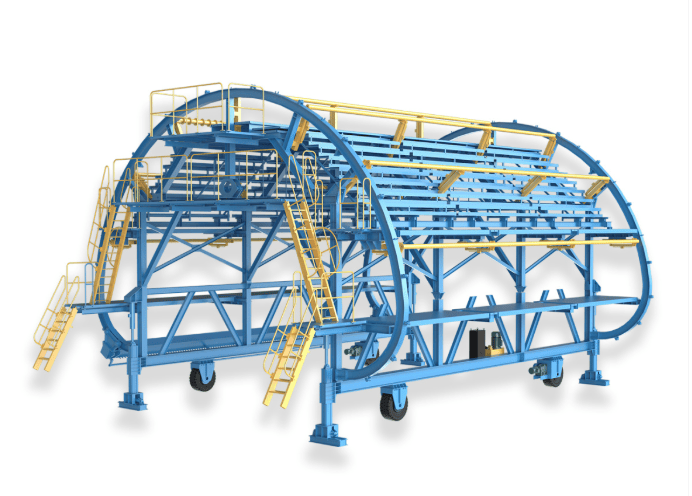

QLZNGJ Intelligent Steel Reinforcement Trolley
Luoyang China Railway Qiangli Machinery Co., Ltd.
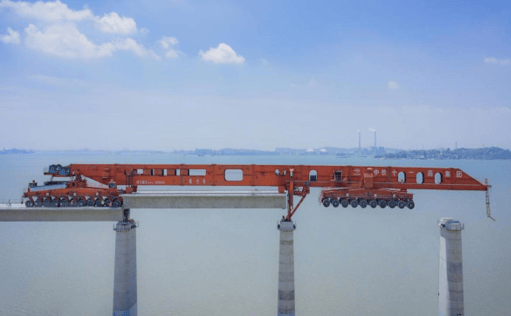
High-Speed Railway Lifting, Transporting, and Erecting Equipment: Integrated Transport and Erection Machine
Hanjiang Heavy Industry Co., Ltd. of China Railway 11th Bureau Group
Standard Nozzle Flowmeter
Jinggong Automatic Control Instrument Complete Technology Development Company


Strip Coating and Plating Production Line Equipment
MCC-SFRE HEAVY INDUSTRY EQUIPMENT CO., LTD.
High-Speed Flexible Fully Automatic Stamping Production Line
JIER Machine-Tool Group Co., Ltd.