en.Wedoany.com Reported - The European "Horizon Europe" project BIOBUILD is developing a new generation of fully bio-based building materials with a sustainable bio-based content exceeding 95%, aiming to improve building thermal performance and reduce dependence on fossil-based components by integrating bio-based phase change materials.
Buildings account for a significant share of energy consumption in Europe, with heating and cooling being the main drivers of demand. The lightweight bio-composite materials developed by the BIOBUILD project are centered on integrating bio-based phase change materials into innovative wall panel and parquet flooring systems. These materials, combined with bio-based adhesives derived from vegetable oils, lignin, and fungal mycelium, can absorb, store, and release thermal energy. This approach aims to improve indoor temperature regulation, reduce reliance on active heating and cooling systems, and lower the energy demand of buildings throughout their life cycle.
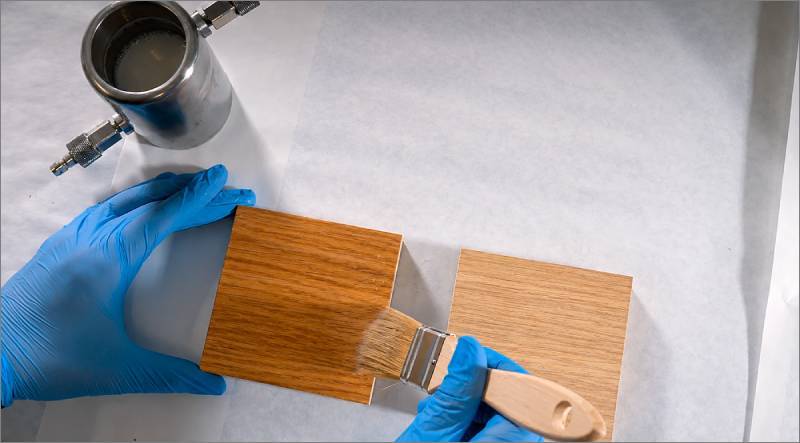
The technical foundation of the project lies in transforming thermal storage functionality into building materials. Bio-based phase change materials can store and release large amounts of thermal energy during temperature fluctuations: when indoor temperatures rise, they absorb and store excess heat; when temperatures drop, the stored energy is released back into the room. This passive thermal regulation helps stabilize indoor conditions and reduce fluctuations in heating and cooling demand. One of the latest advancements in the BIOBUILD project is the preparation of PCM-impregnated wood strips for parquet flooring systems, planned for demonstration in model houses in Sweden and Spain.
In addition to improving energy performance, the project also focuses on reducing embodied carbon in buildings and enhancing circularity. BIOBUILD is developing three different bio-based adhesives using vegetable oil resins, lignin, and fungal mycelium. These materials, together with recycled wood fibers and particles, form lightweight bio-composites that combine structural functionality with thermal performance. The project evaluates the environmental impact of its solutions through a pre-life cycle assessment method, balancing energy efficiency improvements with recyclability, durability, and life cycle sustainability.
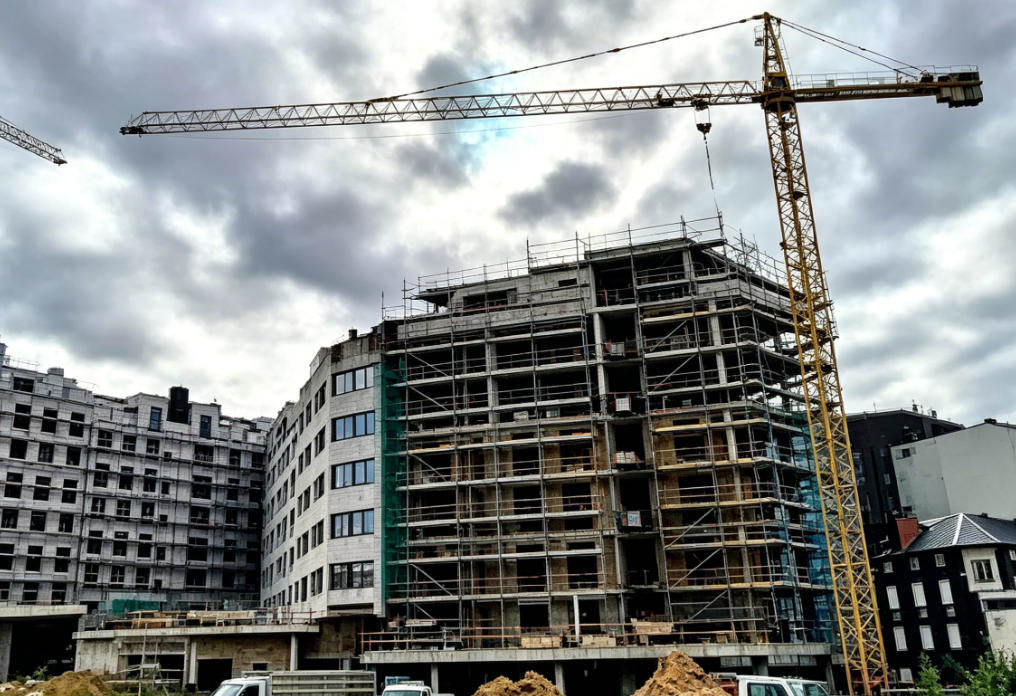
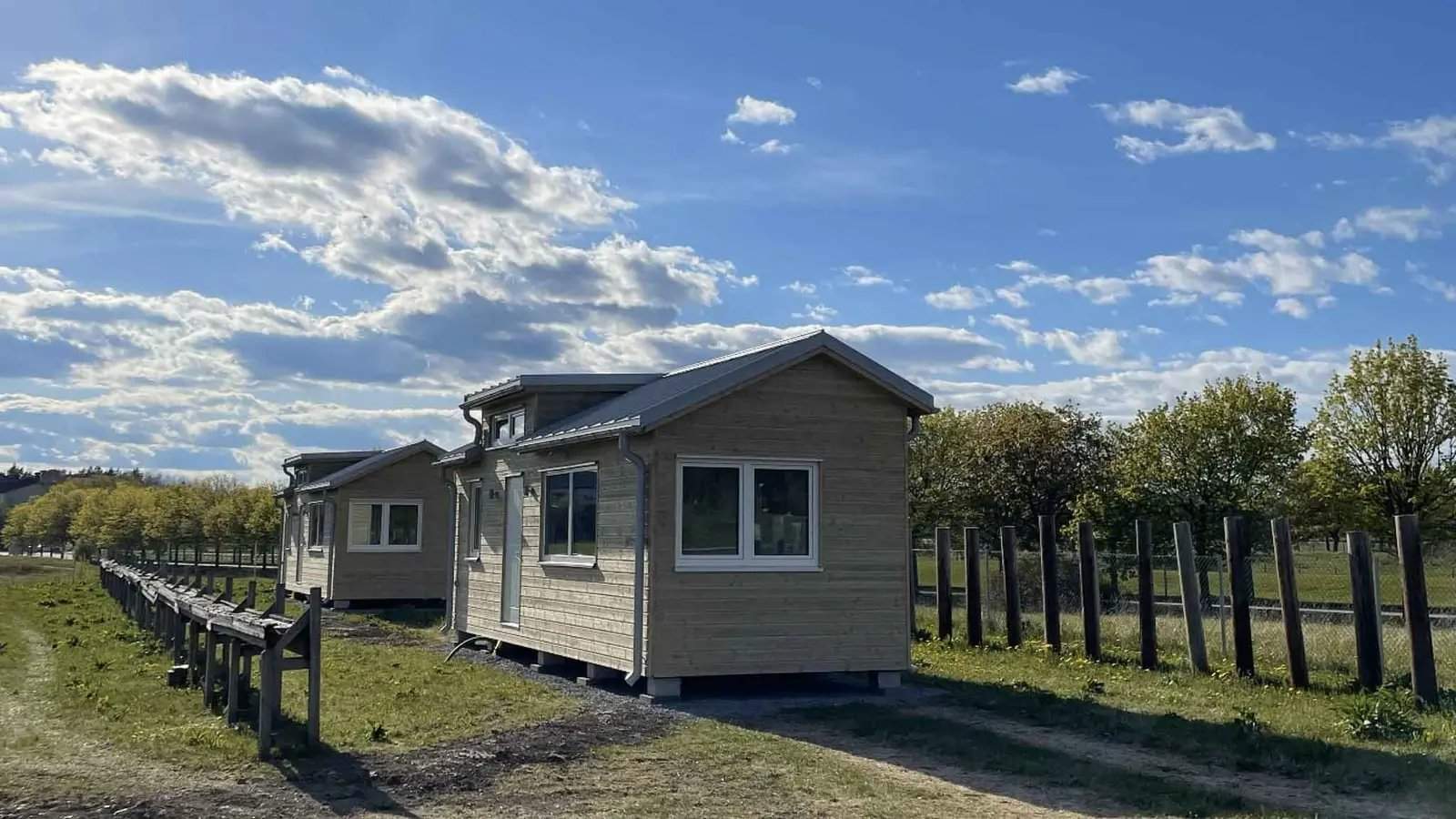
Transitioning from the laboratory to practical application is a long-standing challenge for sustainable construction. BIOBUILD is designing and constructing four prototype wooden houses in Sweden and Spain to evaluate the energy-saving performance of integrated wall panel and parquet flooring systems under real operating conditions. This demonstration phase aims to shift the discussion from theoretical performance to measurable impact, reflecting a transformation underway in the construction industry: buildings are no longer seen as energy consumers, but as active systems capable of storing, managing, and optimizing thermal performance. By integrating thermal energy storage directly into bio-based building materials, BIOBUILD contributes to this transition while supporting Europe's broader goals around circularity, decarbonization, and energy efficiency.