UK electrical manufacturers' confidence index falls to -28 in Q1, lowest since pandemic
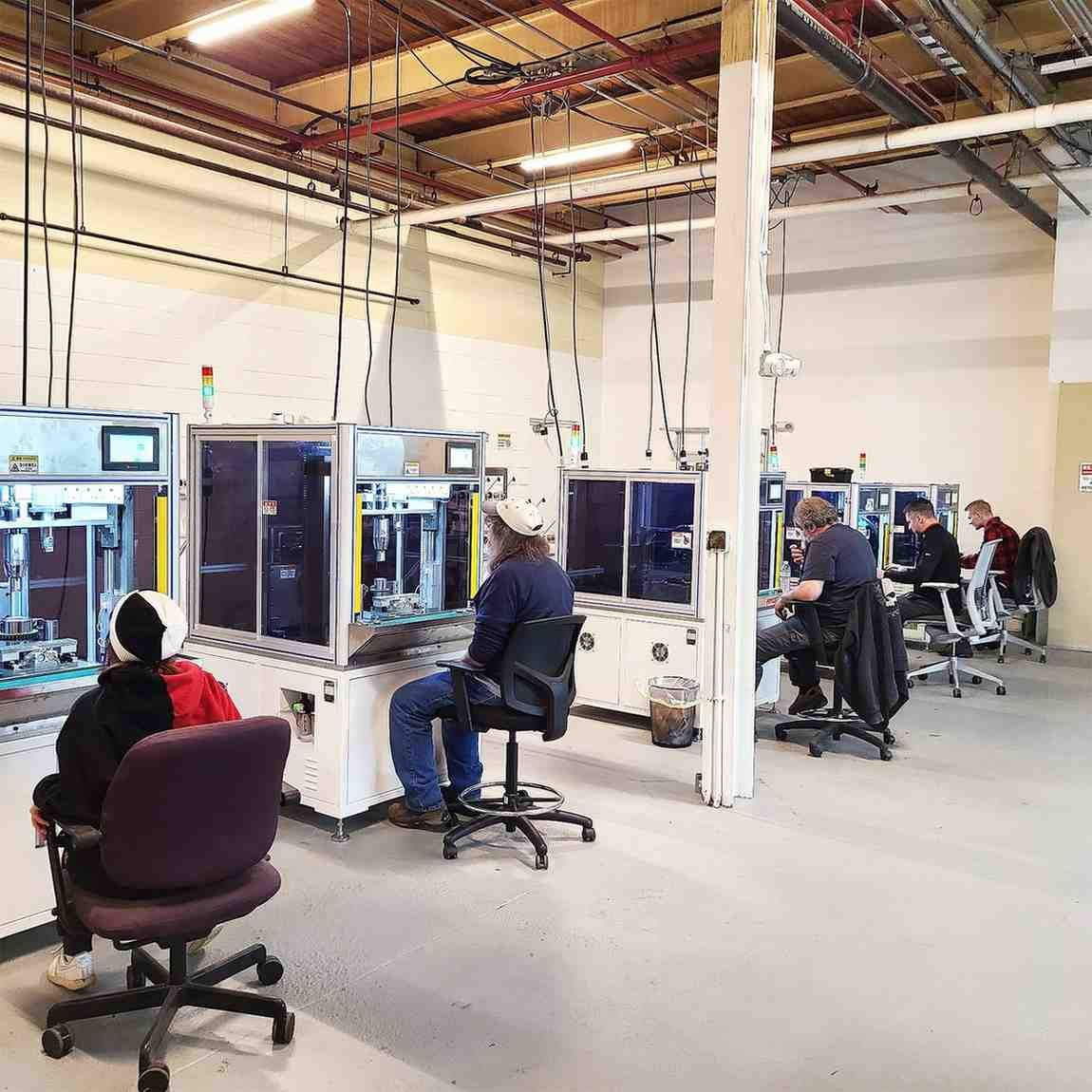
en.Wedoany.com Reported - The latest Market Pulse survey released by the British Electrotechnical and Allied Manufacturers' Association (BEAMA) shows that business confidence among UK electrical manufacturers has fallen to its lowest level since the early days of the COVID-19 pandemic, with weakening demand replacing supply chain disruptions as the industry's biggest concern.

The survey reveals that over half (51.7%) of manufacturers believe insufficient demand will be the biggest constraint on production in the coming quarter. This finding marks a significant shift in corporate focus from years of component shortages, logistics disruptions, and rising input costs. The industry confidence index plummeted from +12 in Q4 2025 to -28 in Q1 2026, a drop of 40 points, the lowest level since Q1 2020.
BEAMA Chief Executive Yselkla Farmer noted that despite the economic downturn, manufacturers continue to invest because they believe in the long-term prospects of electrification, but the scale of investment is constrained by weak demand.
Farmer stated that the heat pump market has stagnated, an early warning sign that weak consumer acceptance of electrification is beginning to impact investment confidence in heat technology and grid sectors. She acknowledged that the UK government has taken an important step by publishing a draft grid strategic policy framework, but this progress must be complemented by clear and consistent electrification policies. She emphasized that recent decisions regarding Ofgem's ED3 methodology highlight the importance of a regulatory framework in boosting confidence for businesses and network operators to invest ahead of time.
The weakest outlook is among companies supplying the construction industry. Confidence among manufacturers of building electrical systems stands at -66.7, while heating and ventilation equipment firms report -50, with sales in both sectors remaining broadly flat for the quarter. Suppliers serving the electric transport and smart energy systems markets also reported negative confidence but achieved modest sales growth. In contrast, manufacturers in the grid infrastructure (ENI) sector were the only group to report positive confidence (+11.1), with a sales index as high as +66.7, benefiting from continued investment in the UK's electricity grid. However, ENI manufacturers warned of rising raw material costs and supply chain disruptions.
The report indicates that manufacturers have the capacity for growth but need stronger demand. Average capacity utilization remained flat at 75% compared to Q3 and Q4 2025, slightly below the five-year average and below the 80% peak reached in 2021. BEAMA stated this shows manufacturers have the ability to ramp up production when demand recovers, but low utilization means existing investments may not yet be generating the returns needed to support future growth.
Despite the weak outlook, hiring intentions over the next 12 months remain positive, with an investment plans index of +47. Long-term investment sentiment remains strong, with companies continuing to prioritize spending on plant equipment, digital technologies and artificial intelligence, and product development over the next five years.
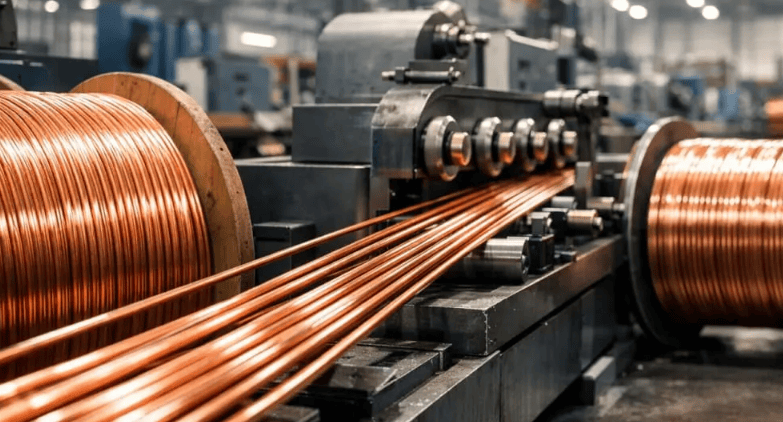
While demand has become the industry's primary concern, manufacturers still face rising global supply chain costs. Besides insufficient demand, respondents cited component and material supply as the second biggest production constraint, followed by raw material prices and labor supply. Companies pointed to the ongoing impact of geopolitical instability and freight disruptions, as well as rising prices for key industrial materials such as copper, steel, aluminum, and brass. Although most manufacturers report that materials remain available, many say escalating costs pose a greater challenge than availability itself.
Farmer called on all stakeholders to focus on future challenges, emphasizing the need for urgent action now to remove barriers to electrification, including addressing the cost imbalance between electricity and fossil fuels to improve consumer acceptance, thereby giving manufacturers and network operators the investment confidence to accelerate the electrification process.
Related Products


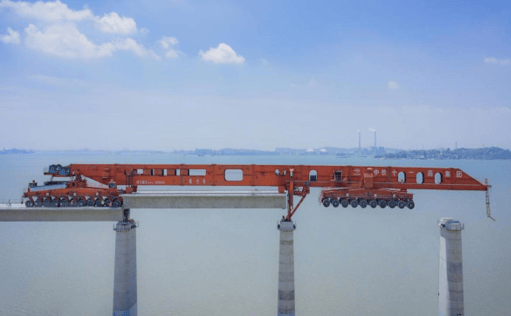
High-Speed Railway Lifting, Transporting, and Erecting Equipment: Integrated Transport and Erection Machine
Hanjiang Heavy Industry Co., Ltd. of China Railway 11th Bureau Group
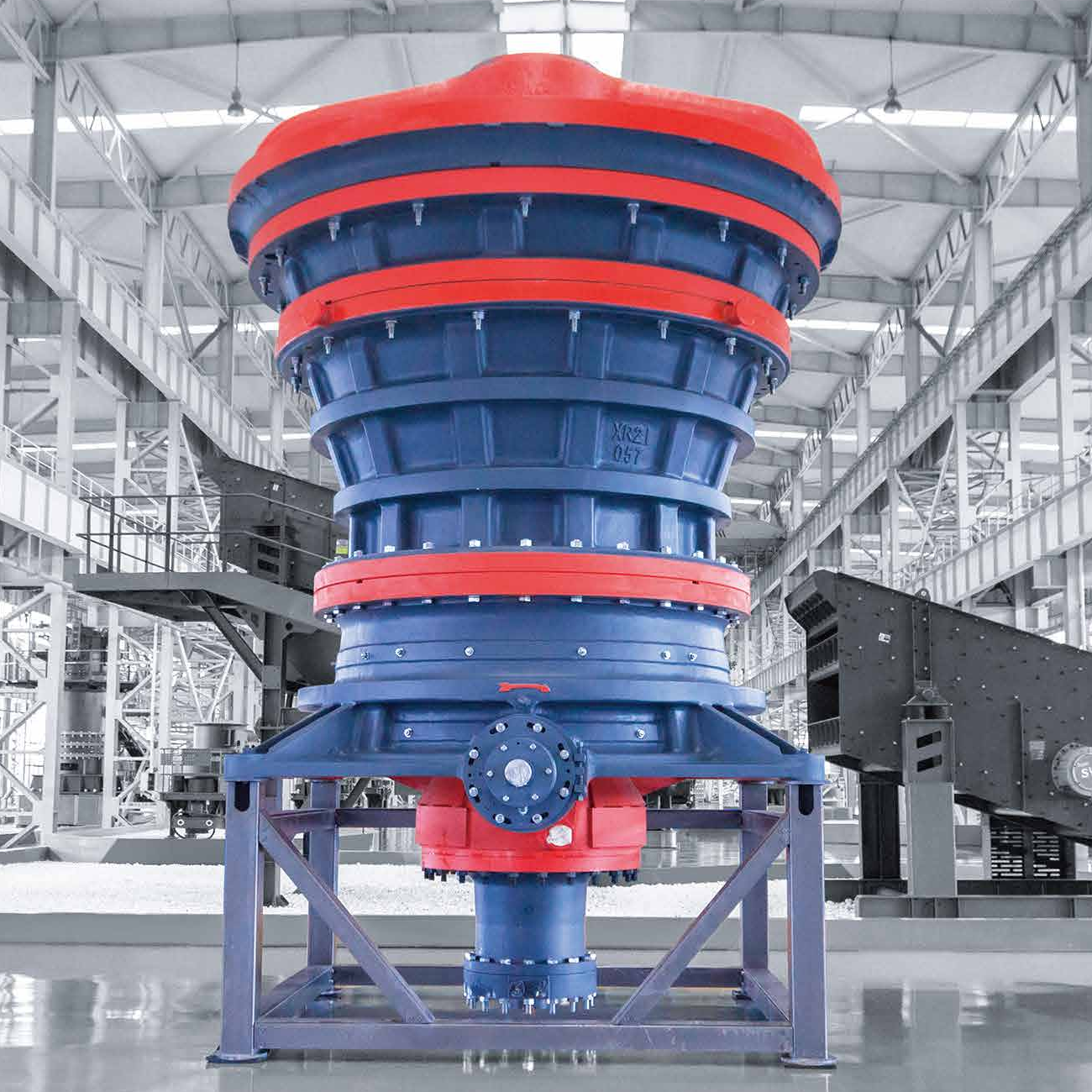
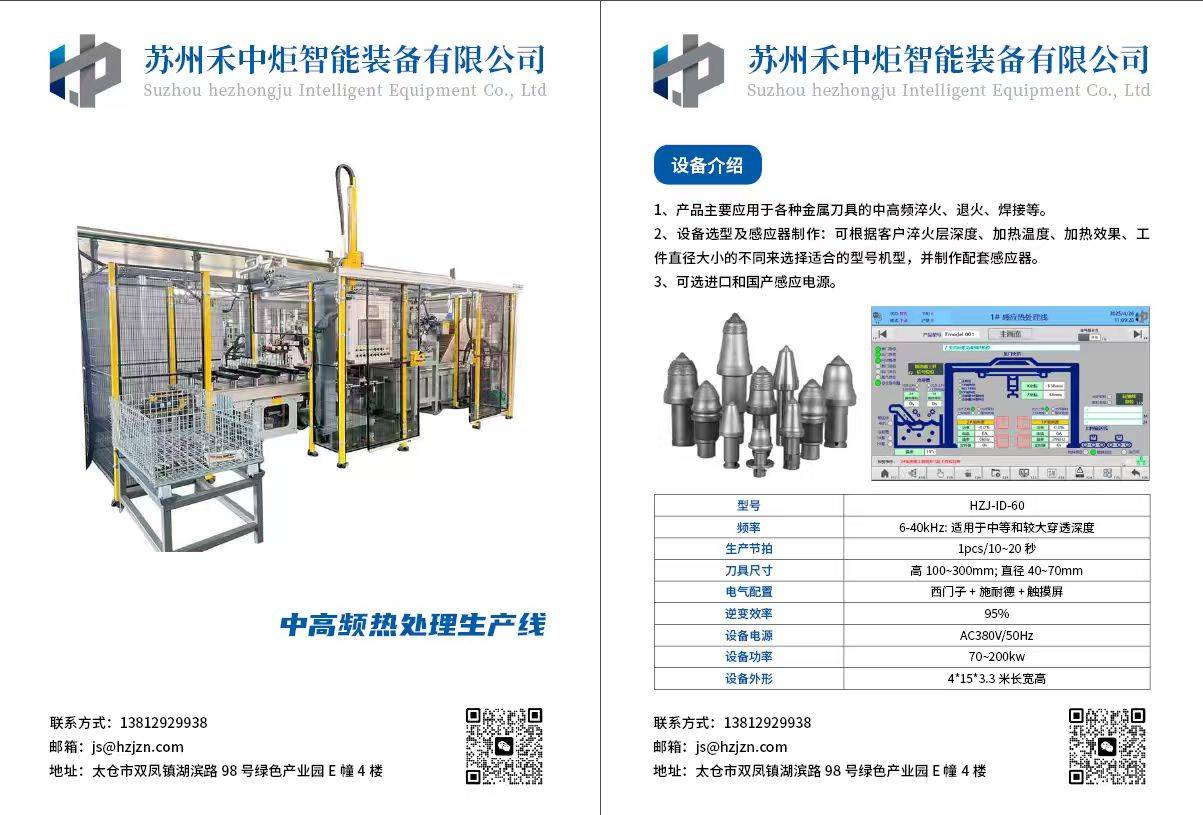
Excavator Bucket Teeth Heat Treatment Production Line
Suzhou Hezhongju Intelligent Equipment Co., Ltd.
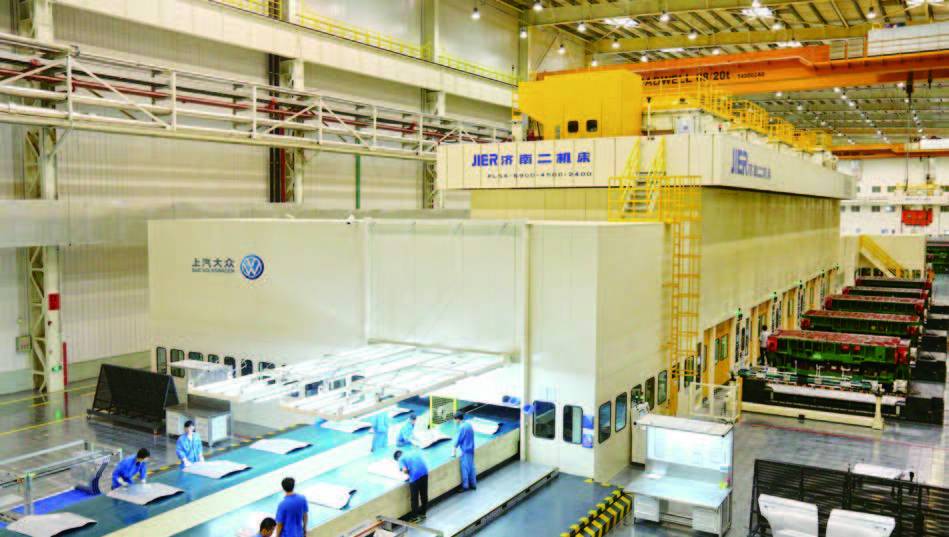
High-Speed Flexible Fully Automatic Stamping Production Line
JIER Machine-Tool Group Co., Ltd.
QLZNGJ Intelligent Steel Reinforcement Trolley
Luoyang China Railway Qiangli Machinery Co., Ltd.
Industrial and Commercial Point-Type Gas Detector
Jinan Benan Technology Development Co., Ltd.