en.Wedoany.com Reported - The Spanish Plastics Technology Institute Aimplas is developing new sustainable materials and coatings aimed at slowing fire spread, reducing fire intensity, and decreasing smoke generation in building, transportation, and infrastructure applications. The center's research directions include flame retardants suitable for paints, varnishes, and plastic materials, with results that have reduced the total heat released during combustion by nearly 50% and lowered the maximum heat peak by up to 46% compared to reference solutions.
These results come from projects such as Phosfire and Refugi, which focus on improving fire performance through formulations with lower environmental impact. Aimplas notes that fire safety requires not only technical effectiveness but also more sustainable production processes and, where possible, the use of renewable raw materials.
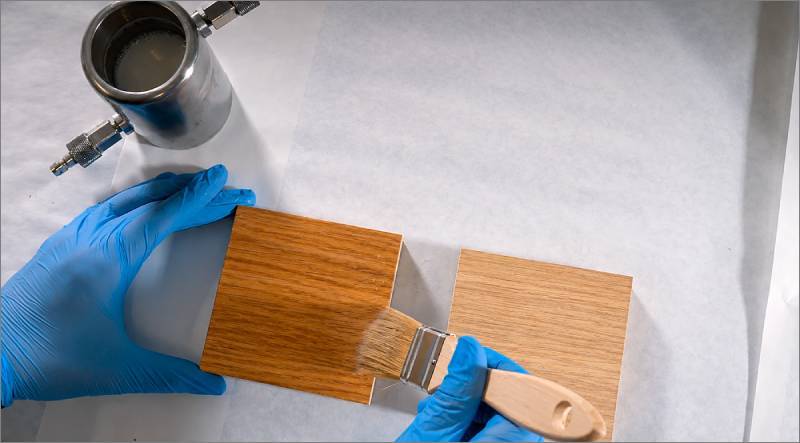
One of the latest developments comes from the Refugi project, which is dedicated to developing a new generation of eco-friendly flame-retardant varnishes and coatings to enhance the safety of wooden structures. This initiative responds to the increasing use of wood in construction and interior design, seeking solutions that can delay fire development and facilitate emergency response. The project employs technologies such as mechanochemistry, aiming to reduce solvent use and move toward manufacturing methods with lower environmental impact. The developed formulations also integrate bio-based and biodegradable materials, aligning with the sustainability approach proposed in the research.
These materials have been validated on MDF (Medium Density Fiberboard) panels, commonly used in furniture, cladding, and interior spaces. Tests have shown that certain formulations can reduce fire intensity, slow fire growth rates, and significantly decrease smoke production—a critical factor for personnel evacuation during emergencies. In some formulations, researchers observed the formation of protective layers during fire exposure, which act as thermal barriers to help slow material degradation. Although tests were conducted on wood surfaces, these solutions also have potential for application on other substrates, such as plastic or metal surfaces, thereby expanding their use to construction, infrastructure, transportation, and the automotive industry.
The European Commission recently selected Aimplas to coordinate the Hefestos project, a European initiative that will study the application of brominated flame retardants and analyze the feasibility of transitioning to safer, more sustainable alternatives. The analysis will focus on industries such as construction, automotive, and wiring. The project will bring together companies (especially SMEs), experts, and associations to form working groups to evaluate different aspects of this transition. The initiative aims to provide technical evidence to support future EU regulatory decisions on fire safety and alternatives to current solutions.
The Phosfire and Refugi projects are funded by IVACE+i and supported by the EU FEDER fund. Both fall under the research direction of improving the fire performance of materials used in strategic sectors through sustainability and safety standards.