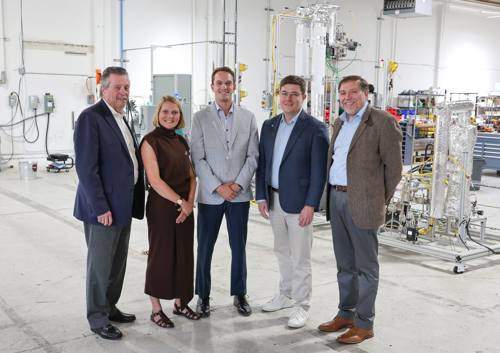
Spain's Repsol receives €183.18 million in aid to develop two hydrogen projects
en.Wedoany.com Reported - The Spanish Institute for Energy Diversification and Saving (IDAE) has approved €183.18 million in aid for Repsol to develop two hydrogen projects in the country. This follows Iberdrola's withdrawal from two projects initially selected under the European Hydrogen Bank's Spanish "Auction as a Service (AaaS)" mechanism.
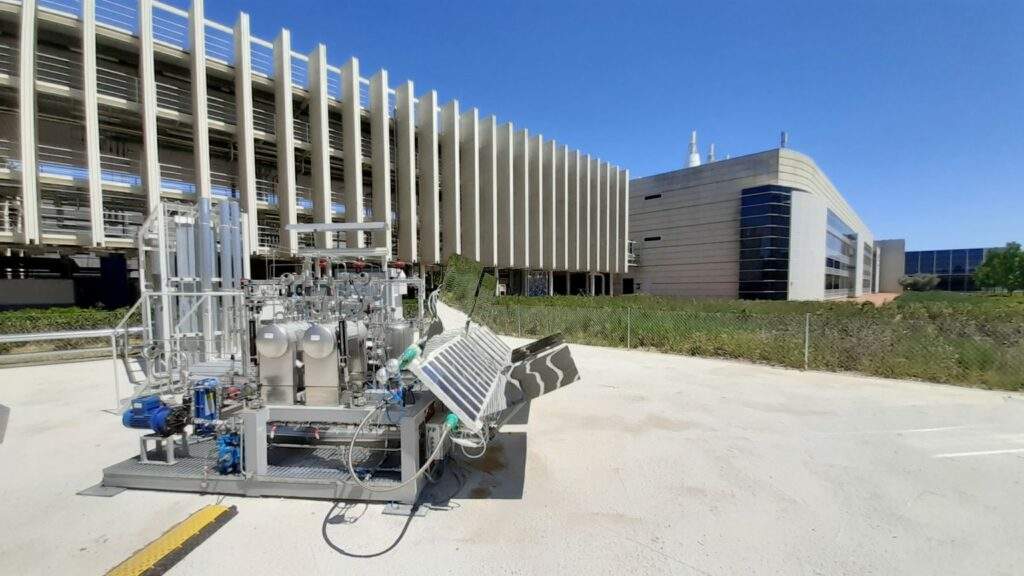
The two funded projects are: the Puertollano Hydrogen Network (P-HYNET) project in Ciudad Real, and the ATLAS project with an installed capacity of 50 MW. The ATLAS project will receive up to €133.39 million in aid (equivalent to €2.20 per kilogram), while the 12.27 MW P-HYNET project will receive up to €49.79 million in aid (equivalent to €2.25 per kilogram).
The P-HYNET project is a renewable hydrogen production facility integrated into Repsol's Puertollano refinery. It plans to install a 12.27 MW electrolyzer to produce Renewable Fuels of Non-Biological Origin (RFNBO), replacing the gray hydrogen currently used in the refining process to decarbonize industrial operations. All hydrogen produced by this project will be used for internal consumption within the industrial complex.
Further details of the ATLAS project have not yet been disclosed, but it may be related to Sustainable Aviation Fuel (SAF) production. In 2023, Repsol reached an agreement with Atlas Air to supply SAF for the latter's Inditex cargo flights operating from Zaragoza Airport. Since early November of that year, Atlas Air has been blending 5% SAF into all its flights.
P-HYNET and ATLAS were initially placed on the reserve list of the European Innovation Fund's IF25 call and became eligible for funding after other projects were abandoned. This change followed the IDAE's announcement on July 15, 2026, regarding the withdrawal of two projects promoted by Iberdrola: NOON II, proposed by Iberdrola Clientes, and ODIN (Renewable Fuels of Non-Biological Origin for Derivative Production), jointly promoted by Iberdrola Clientes and Magnon Green Energy. NOON II had offered a total of 111,504 tonnes of hydrogen over 10 years at a price of €1.23 per kilogram, with an installed capacity of 80 MW, seeking nearly €140 million in aid. ODIN had offered 195,000 tonnes of hydrogen over 10 years at a price of €1.28 per kilogram, with an installed capacity of 140 MW, seeking nearly €250 million in aid.
The aid is linked to actual fuel production and requires periodic verification of compliance with the technical and regulatory conditions set by the program. Once a project enters commercial operation, it can receive aid for up to ten years and must report renewable hydrogen production semi-annually to determine corresponding payments.
This aid falls under Spain's second "Auction as a Service" mechanism, regulated by Royal Decree 535/2025 (subsequently amended by Royal Decree 149/2026) and funded by the Recovery, Transformation, and Resilience Plan through the Next Generation EU fund. This mechanism allows member states to use national funds to support projects that have passed the technical evaluation of the European Climate, Infrastructure and Environment Executive Agency (CINEA) but did not receive European funding due to budget constraints. The resolution sets milestones that projects must meet: obtaining an integrated environmental authorization within 24 months of the resolution's publication; making a final investment decision (FID) within 30 months; and becoming operational within 60 months. The IDAE has issued a positive assessment report on the documents submitted by Repsol, and only the company's formal acceptance of the aid is pending.
The deployment of renewable hydrogen in Europe is progressing far slower than expected. Of the €1.2 billion allocated in the second auction of the European Hydrogen Bank, only about €300 million ultimately went to actual projects. Many winning projects abandoned their aid after submitting bids with excessively low subsidy levels, rendering the projects economically unviable. This situation has prompted hydrogen associations from over a dozen countries, including Spain, to call on the European Commission to reform the auction system, arguing that the current model encourages speculative bidding, consumes public resources, and hinders the financing of mature projects. The industry also warns that insufficient demand for renewable hydrogen, regulatory delays (particularly in the transposition of the Renewable Energy Directive, RED III), and the rigidity of certain requirements make project financing extremely difficult. Although the industry has positively evaluated mechanisms such as "Auction as a Service," it calls for greater flexibility in implementation timelines, continuity of the European Hydrogen Bank with new auction rounds, and enhanced technical assistance to improve project maturity and bankability.
Related Products

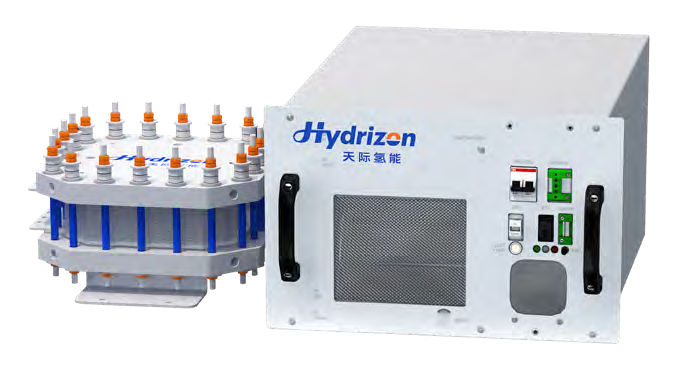
HI-Pro Green Hydrogen High-efficiency Production System-HI-PRO-AEM
Hydrizon Technology (Beijing) Co., Ltd.
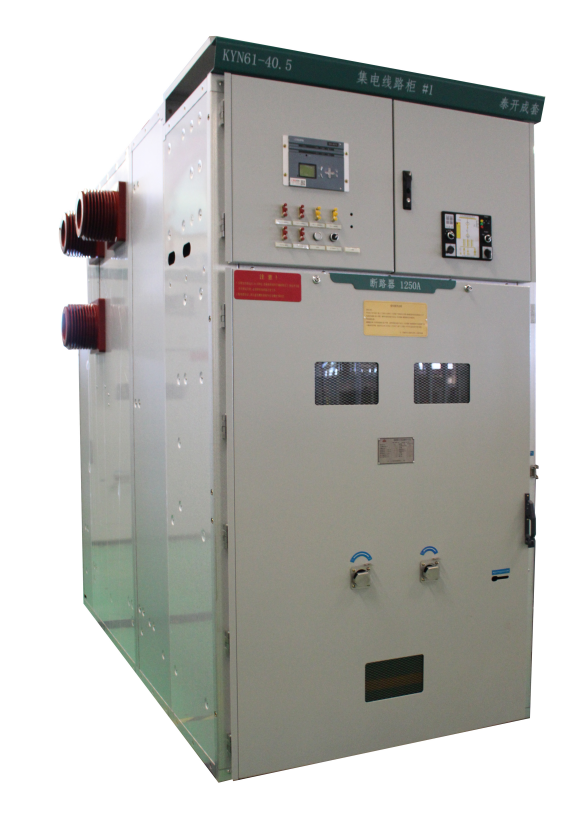
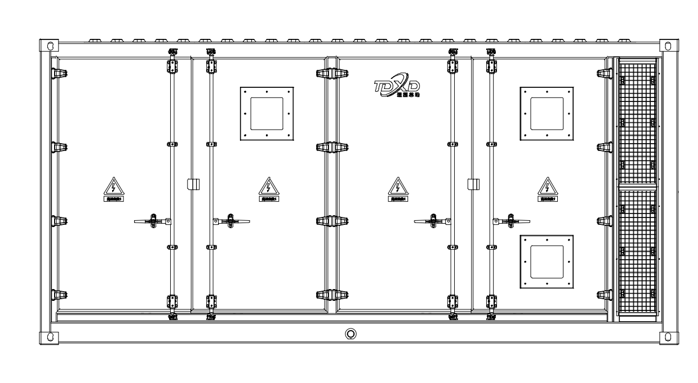
5012kWh DC Energy Storage System TD-EES-5012kWh
Suzhou Tongding Xindong Energy Storage Technology Co., Ltd.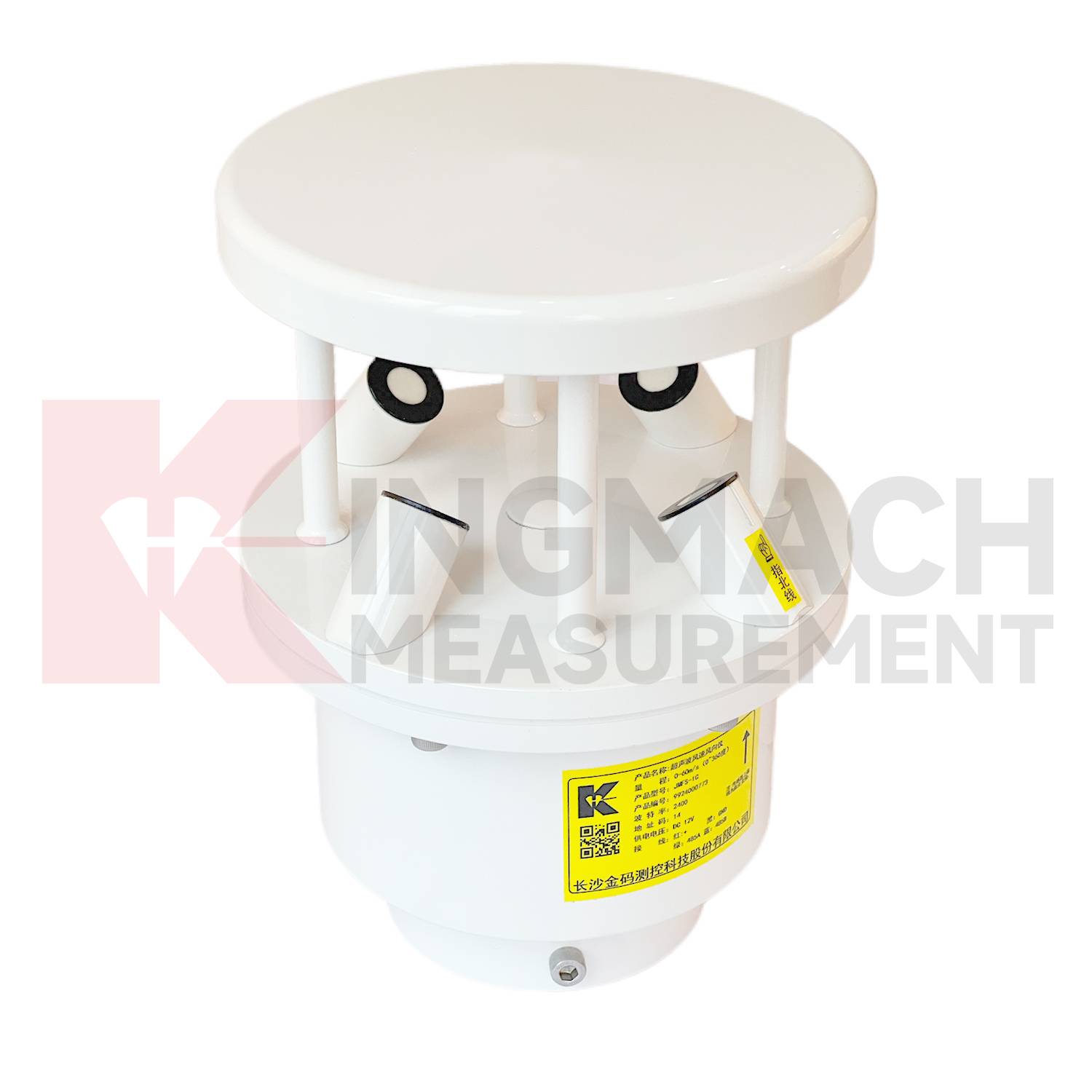
Ultrasonic Wind Speed and Direction Instrument
Kingmach Measurement & Monitoring Technology Co., Ltd.
CITIC Heavy Industries Offshore Wind Power Equipment Hydraulic Pile Hammer
CITIC Heavy Industries Co., Ltd.