Kyushu University Develops Self-Moving, Interconnecting Electronic Modules, Bridging Electronics and Robotics
en.Wedoany.com Reported - Researchers at Kyushu University in Japan have developed thin-film electronic modules that can automatically connect and disconnect from each other. These active circuits can move autonomously without the need for motors or artificial muscles, achieving a fusion of electronics and robotics.
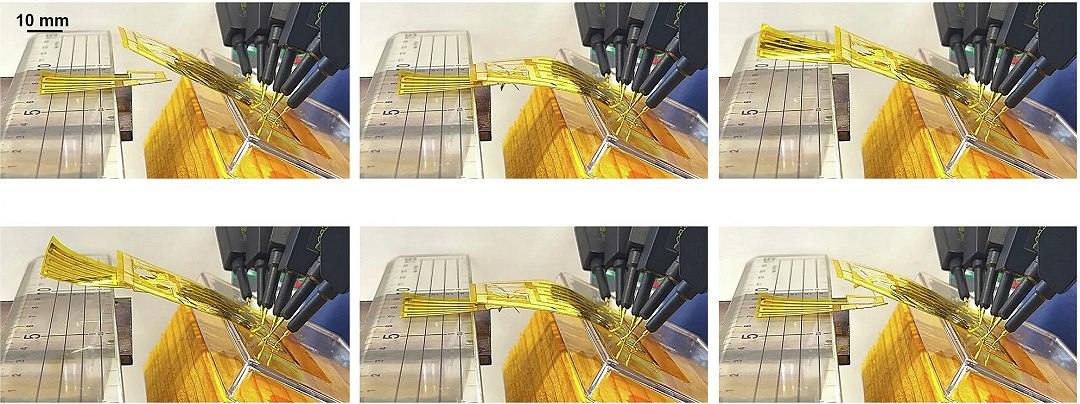
The modules integrate circuits and actuators, deforming in response to electrical stimuli received from connectors to mechanically and electrically link to another module. The research team, led by Professors Shunsuke Uchima and Fumihiro Sassa of Kyushu University, has long focused on kinetic electronics—integrating actuators and circuits on thin-film devices to enable movement, connection, and collaborative operation.
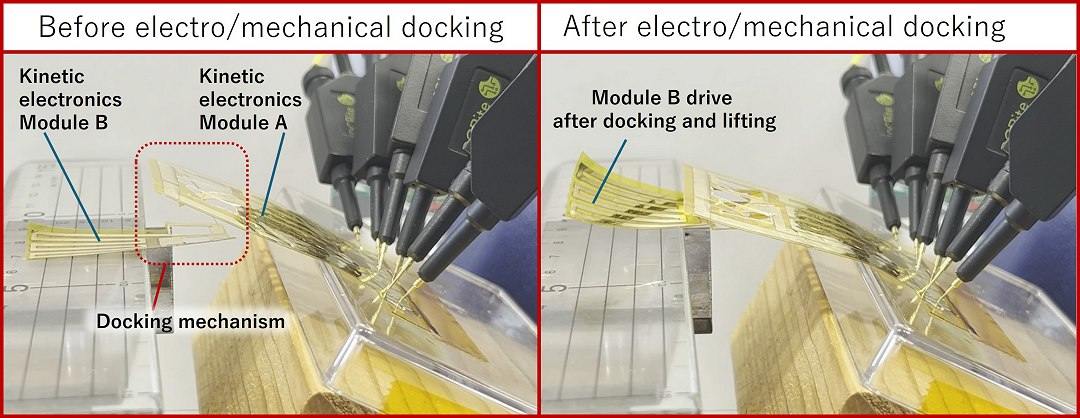
The drive mechanism, actuators, and circuits are integrated on the same thin film. The actuator layer is composed of two materials with different coefficients of thermal expansion—polypropylene and polyimide—which expand at different rates when heated. By incorporating micro-heaters into the film, the entire film can be controllably bent upon heating. The team developed multiple latching methods: one that allows components to snap together and lock, and another using a claw-like fixation mechanism that remains secure even when power is off. These devices are still in an early stage, and the researchers aim to advance them toward systems capable of self-assembly, self-adaptation, and even self-repair, much like living organisms. The study was conducted by Shunsuke Uchima and his colleagues at Kyushu University.
Related Products
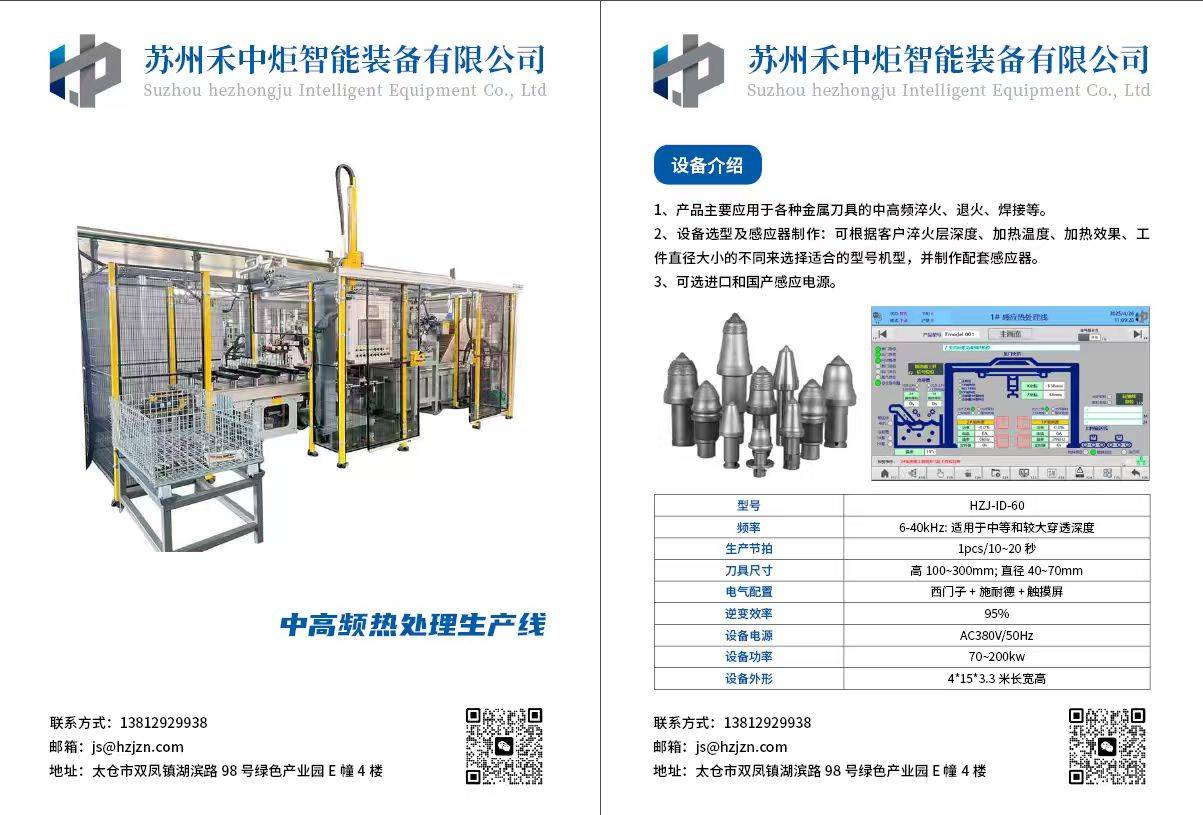

Excavator Bucket Teeth Heat Treatment Production Line
Suzhou Hezhongju Intelligent Equipment Co., Ltd.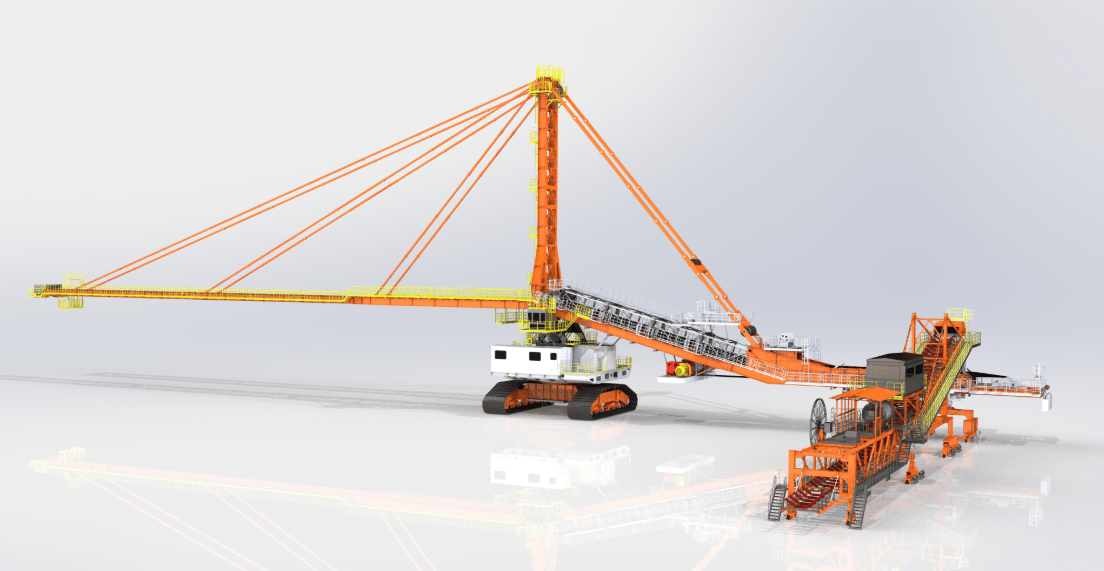
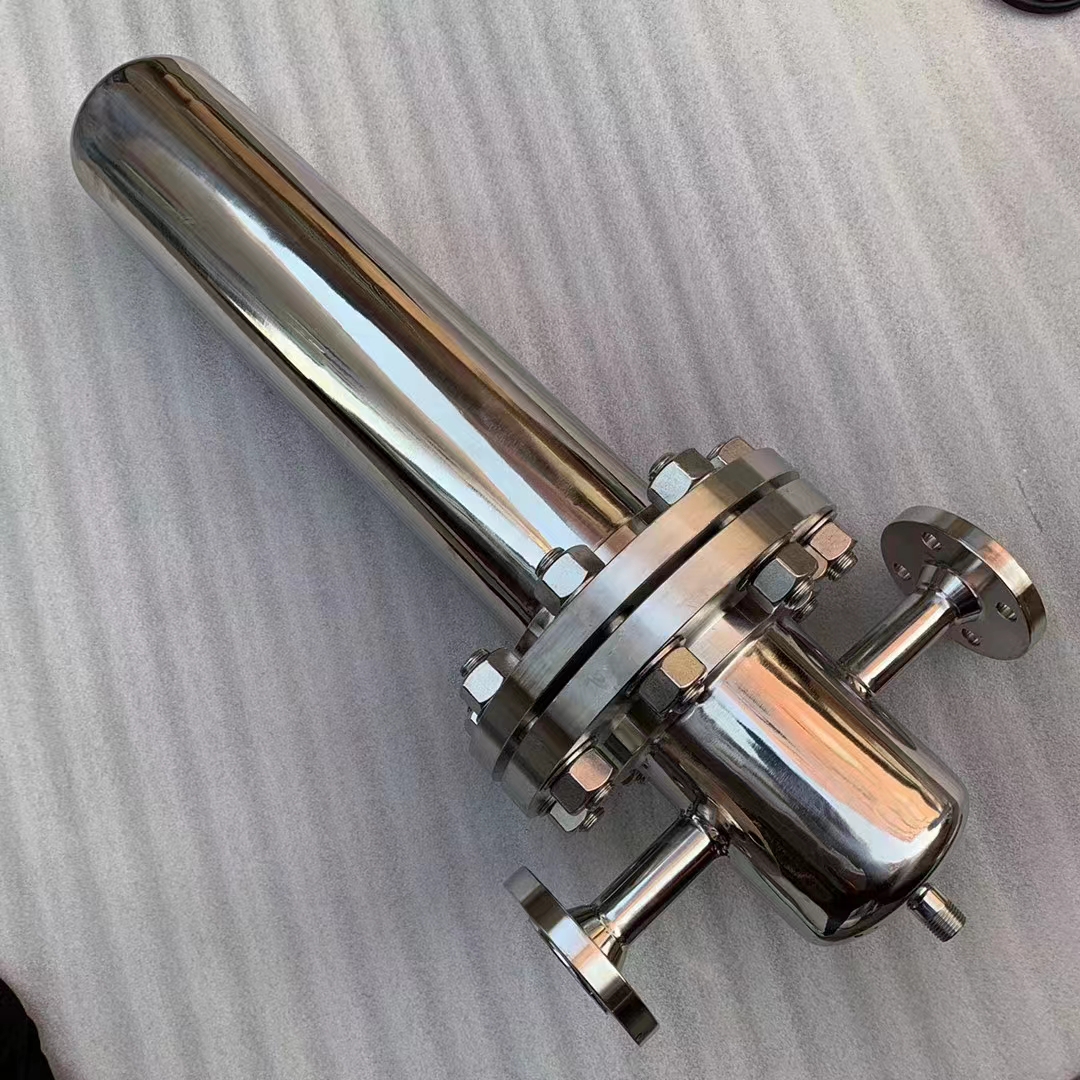
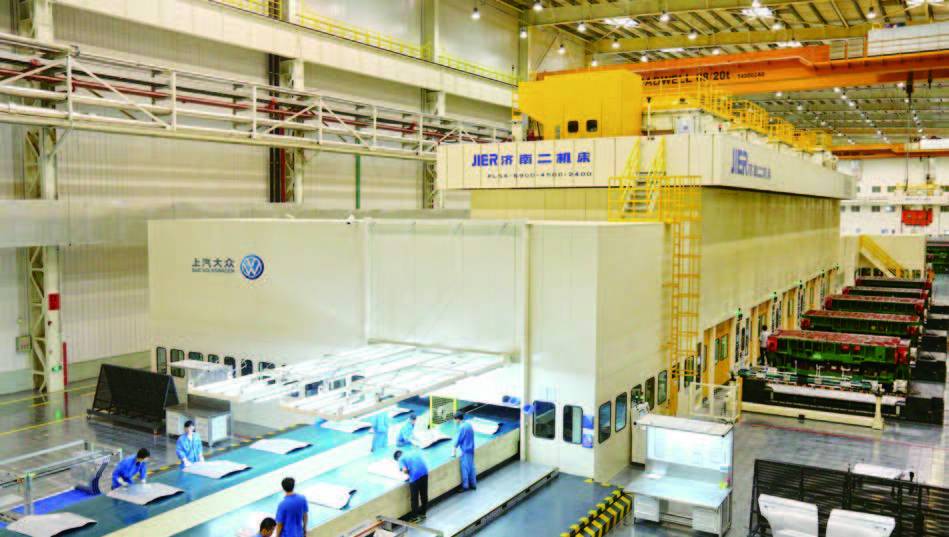
High-Speed Flexible Fully Automatic Stamping Production Line
JIER Machine-Tool Group Co., Ltd.
CAP1400 main feedwater flow nozzle flowmeter.
Jiangsu Hongda Instrument Technology Co., LTD.

Pneumatic high-pressure wear-resistant ball valve
Zhejiang Deca Control Valve Meter Co., Ltd.