Aurora Deploys Second-Generation Autonomous Truck Platform in the U.S.
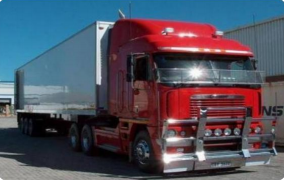
en.Wedoany.com Reported - U.S. company Aurora Innovation has announced the deployment of its second-generation autonomous truck platform, aiming to expand its unmanned logistics network in the United States and meet growing customer demand.
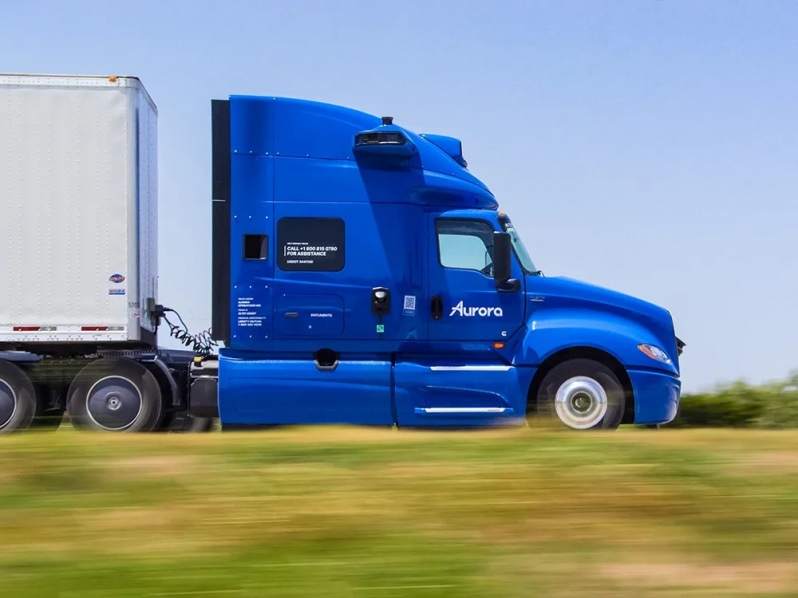
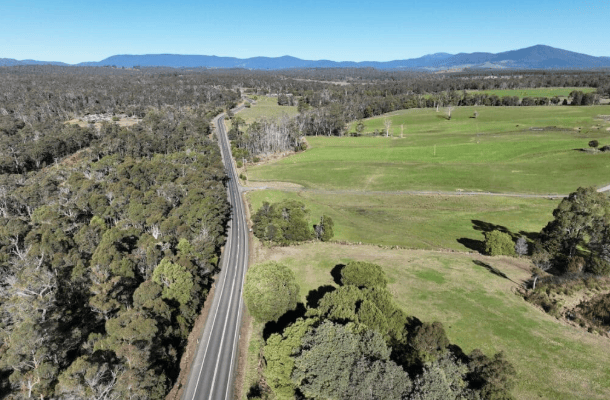
The new fleet features improvements in both hardware and software, making operations more efficient and scalable. The company stated that the new vehicles will be deployed on ten autonomous routes that currently form its logistics network, located in the so-called "Sun Belt" region of the U.S., which is one of the most important highway freight corridors in the country.
The announcement reflects the rapid development of autonomous driving technology applied to heavy-duty transportation. Aurora has accumulated approximately 440,000 miles of driverless operation and plans to significantly increase the number of operational vehicles in the coming years, driven by its commercial agreements.
The second-generation autonomous system is also designed to reduce production costs and facilitate integration into different truck platforms, thereby promoting larger-scale commercial expansion. In terms of technical improvements, the new sensor architecture and perception system offer a longer detection range, enhancing the vehicle's ability to detect obstacles and operate safely on long-haul routes.
Impact on Port Logistics
Although the technology is primarily aimed at land transportation, its development also has a direct impact on the maritime port sector. In markets such as the U.S., container shipping heavily relies on road transport between ports, rail hubs, and distribution centers. The introduction of autonomous trucks can improve operational continuity on these routes, reduce transit times, optimize fleet utilization, and lower costs associated with driver shortages.
Furthermore, the ability to operate nearly around the clock can better coordinate port operations with land distribution, especially at high-throughput ports where congestion is a major logistics challenge.
Accelerating Trend
Aurora is not the only company betting on this transformation. Vehicle manufacturers, software developers, and logistics operators are accelerating investments in autonomous driving technology, artificial intelligence, and advanced assistance systems to build more efficient and resilient supply chains. Multiple analysts predict that the automation of heavy-duty transportation will gradually roll out in the latter half of the 2020s, initially on long-haul corridors and controlled-condition routes, before expanding to more complex logistics operations.
Remaining Challenges
Despite ongoing technological progress, the widespread adoption of autonomous trucks still faces significant challenges in regulation, infrastructure, and social acceptance. The harmonization of state-level regulations, the construction of remote monitoring centers, cybersecurity, and coexistence with human-driven vehicles will remain key factors in the industry's development. Nevertheless, the launch of Aurora's second-generation autonomous truck marks a milestone in the evolution of land freight transport and signals that integration between ports, highways, and logistics centers will increasingly rely on automation and artificial intelligence technologies.